7 Steps To Build A Healthy Meal Plan You’ll Actually Stick To
You want a meal plan that doesn’t fall apart by Wednesday? Same. The secret isn’t more willpower or a scary spreadsheet.
It’s a simple system you can actually live with. Follow these seven steps, and your plan will survive busy mornings, random cravings, and that one friend who always suggests takeout.
Overeating is a pattern. This helps you fix that problem. A quick reset for cravings, snacking, and “I’ll start tomorrow” moments.
Built for busy home cooks who want real-life structure. Simple steps that fit meal prep, family dinners, and late-night snack attacks.
Start With Your Real Life, Not Your Ideal Life
You can’t build a plan that sticks if it ignores your calendar. If Tuesdays run late, don’t plan a 60-minute recipe.
If weekends get social, bake in flexibility. Makes sense, right? Do this first:
- Open your calendar and mark high-stress days.
- Assign “easy meals” to those days and “cook days” to calmer ones.
- Leave one “wild card” slot for leftovers or takeout. You’re human.
Pick Your Meal Plan Format
Not everyone needs a full seven-day script.
Choose the lightest option that still helps you:
- Template-based: Taco Tuesday, Stir-Fry Thursday, Pasta Friday. Limits decision fatigue.
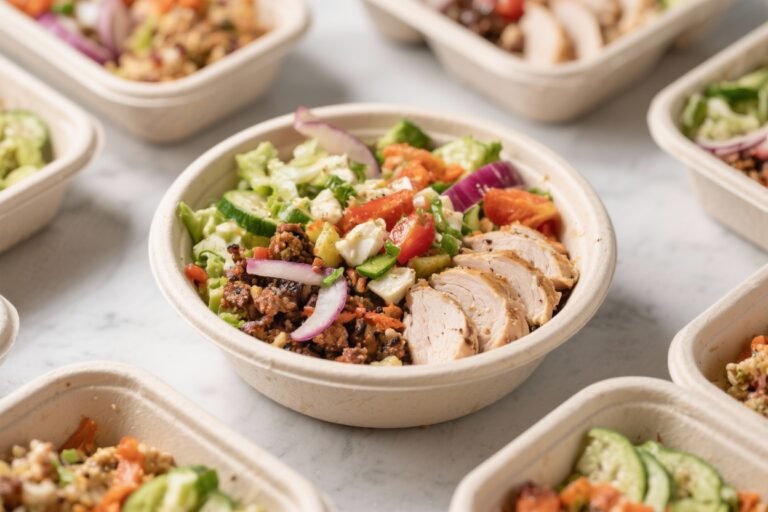
- Component style: Cook proteins, grains, veg once; mix-and-match all week.
- 3-2-2 method: Three planned dinners, two super-fast meals, two flexible nights. IMO, this fits most people.
Define “Healthy” For You (Not Instagram)
“Healthy” isn’t a single diet.
It’s how you eat most of the time and feel good doing it. If you love carbs, you don’t need to ban them. If you hate salads, cool—roast your veggies instead. Use this simple plate rule for most meals:
- Protein (25–35%): Chicken, tofu, eggs, lentils, fish.
- High-fiber carbs (25–35%): Brown rice, quinoa, whole-wheat pasta, beans, potatoes.
- Colorful veg (at least 30%): Raw, roasted, sautéed—whatever you’ll eat.
- Healthy fats: Olive oil, avocado, nuts, seeds.
FYI, you don’t need to count every gram.
Aim for balance and stop when you feel satisfied. Revolutionary, I know.
Non-Negotiables Keep You Sane
Set 2–3 personal rules that make eating easier:
- Protein in every meal: Helps control hunger.
- Fruit at breakfast: Easy fiber win.
- Veg at lunch and dinner: Any form counts.
Build a Short List of “Always Wins” Meals
Decision fatigue kills meal plans. Create a tiny rotation of meals you actually like, that you can make half-asleep, and that don’t cost half your paycheck. Try a 10-meal roster:
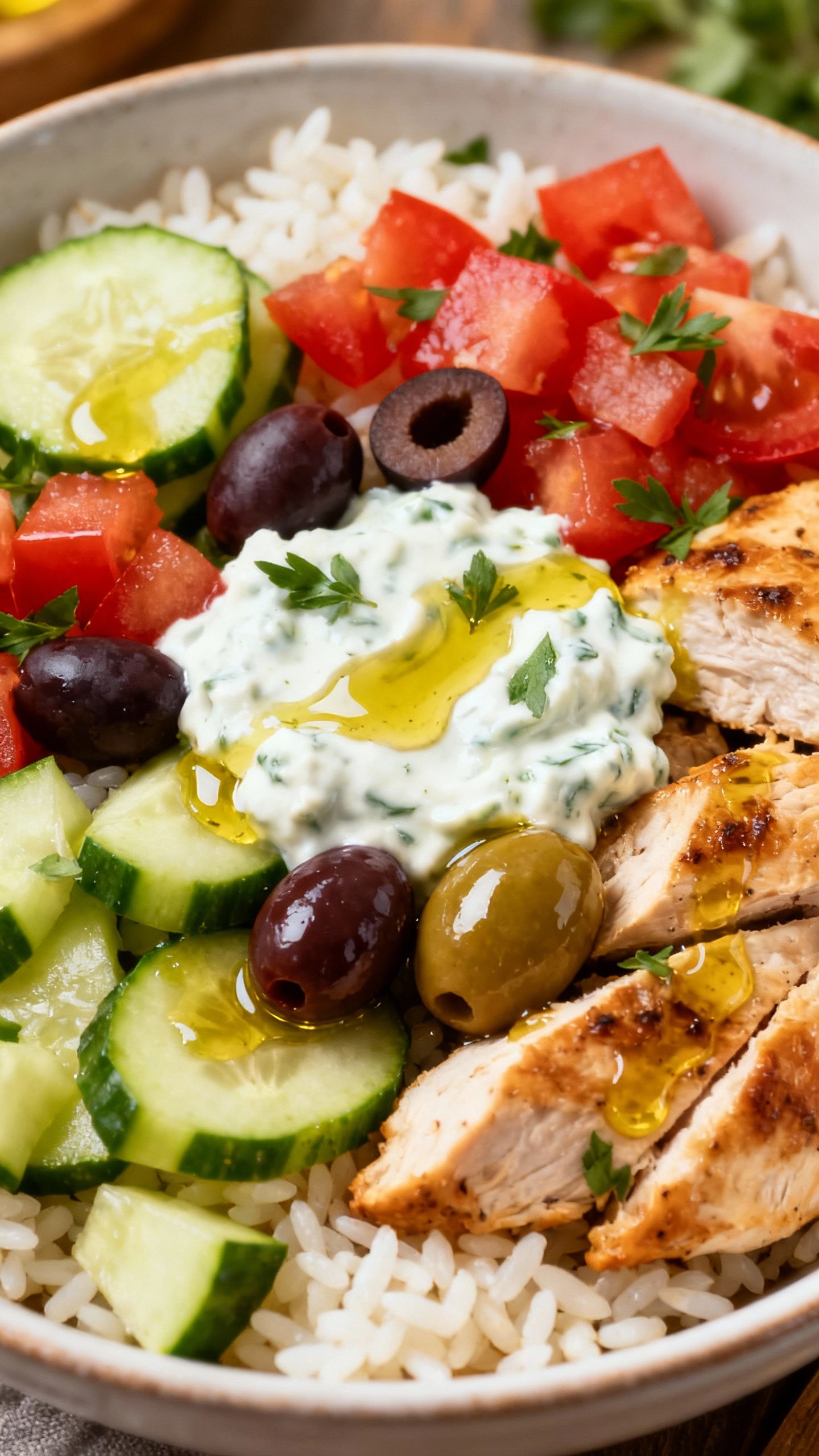
- Greek chicken bowls with rice, cucumber, tomato, olives, and tzatziki
- Veggie omelet + toast + fruit
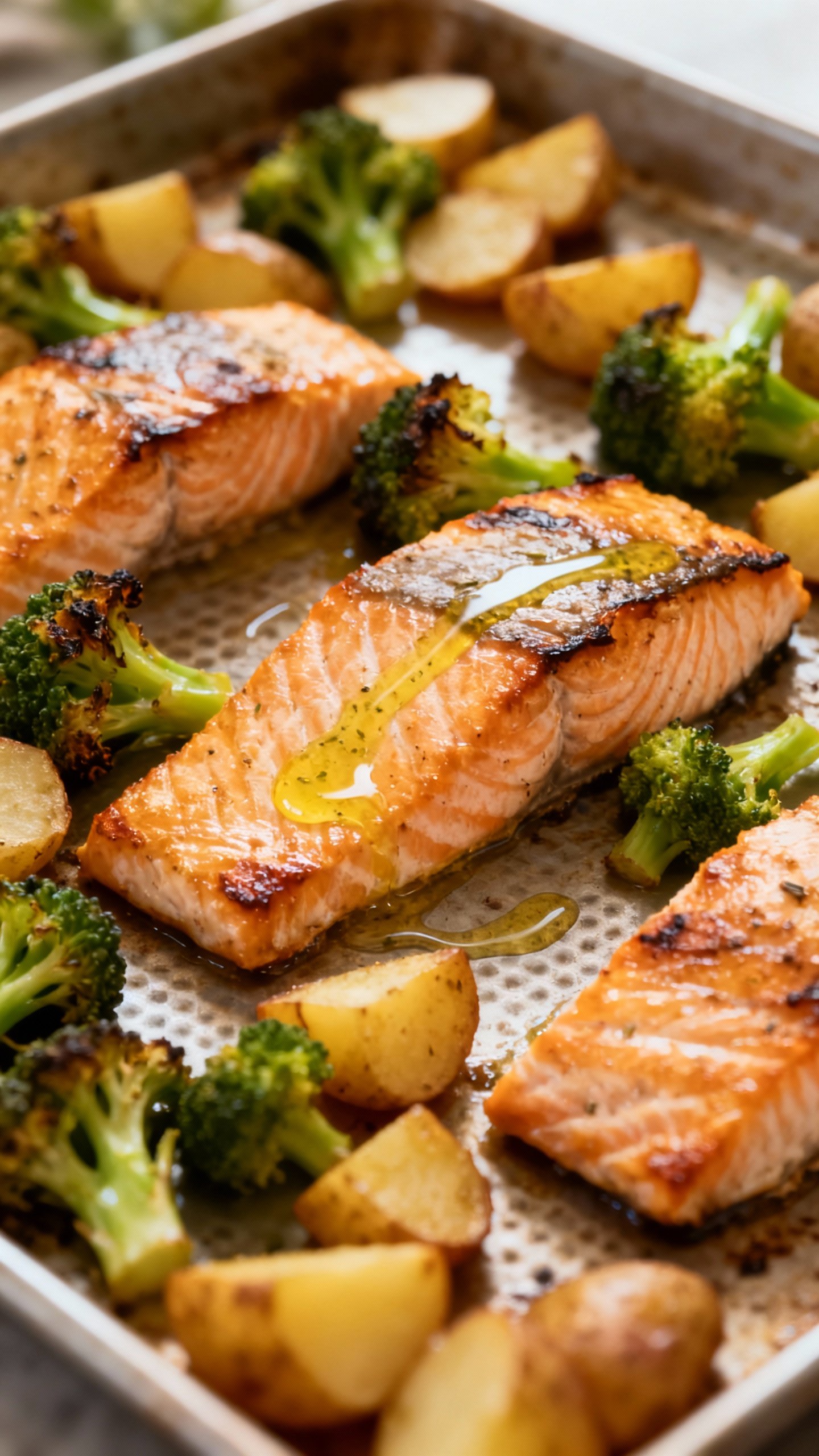
- Sheet-pan salmon, potatoes, and broccoli
- Turkey or lentil tacos with salsa and avocado
- Stir-fry with frozen veg + tofu or beef + rice
- Chili (beef or bean) with a green salad
- Pasta with chickpeas, spinach, garlic, olive oil, and parmesan
- Big salad with rotisserie chicken and crunchy toppings
- Breakfast burritos (freezer-friendly)
- Yogurt parfait + granola + berries (emergency lunch)
Pro tip: Keep these written down.
When your brain says “idk,” the list answers for you.
Shop Once, Prep Light, Win the Week
You don’t need a 3-hour Sunday cookathon. You just need to remove friction so cooking feels easy on weeknights. Make a fast shopping plan:
- Choose 3 dinners + 2 fast backups + 1 breakfast and snack pattern.
- Write ingredients by store section: produce, proteins, pantry, dairy/frozen.
- Buy a few “lifesavers”: rotisserie chicken, frozen veggies, pre-washed greens, canned beans, microwaveable grains.
Do a 45-Minute Prep Power-Up
Set a timer and knock these out:
- Cook a grain (rice or quinoa).
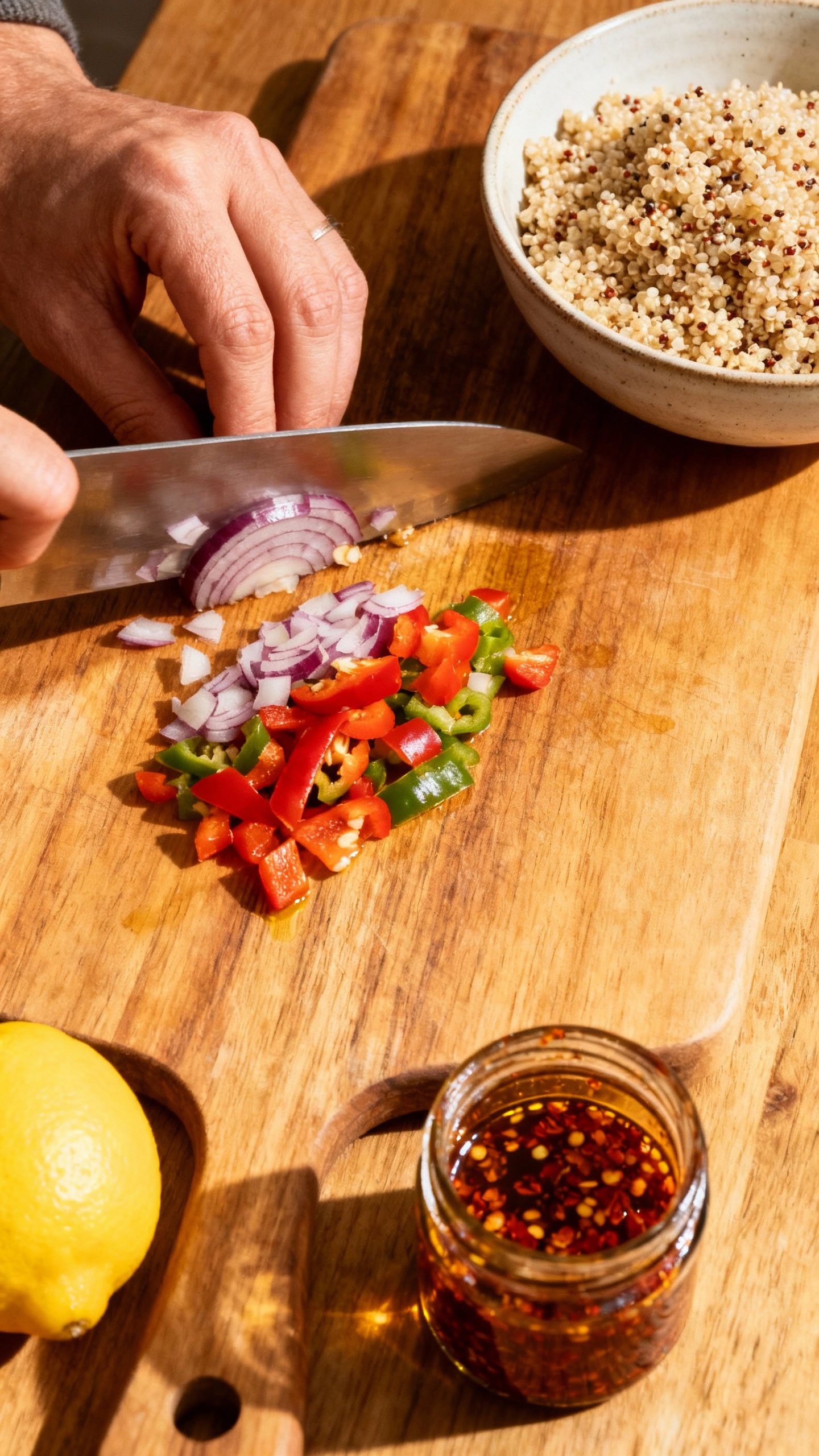
- Chop onions, peppers, or salad veg.
- Roast a sheet pan of mixed vegetables.
- Make one sauce (tzatziki, pesto, or a peanut sauce).
- Portion snacks: nuts, fruit, yogurt cups.
This buys you five weeknights of “I can throw this together in 10 minutes.”
Use Flavor Shortcuts So Healthy Doesn’t Taste Boring
You’ll quit any plan if everything tastes like beige sadness. Flavor keeps you coming back. Stock these MVPs:
- Spice blends: taco, curry, Italian, Cajun, everything bagel
- Acid: lemons, limes, vinegars
- Umami: soy sauce, miso, parmesan, tomato paste
- Heat: sriracha, chili crisp, harissa
- Fresh finishers: scallions, cilantro, basil
Quick Flavor Formulas
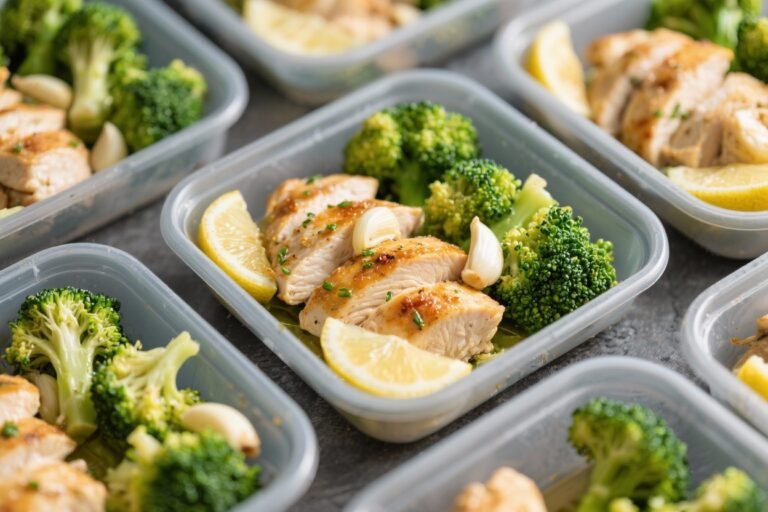
- Lemon + olive oil + garlic = Instantly better chicken or fish
- Soy + honey + chili = Stir-fry sauce in 12 seconds
- Yogurt + herbs + lemon = Sauce for bowls, wraps, or roasted veg
Plan For Snacks and “Oh No” Moments
Your plan fails when hunger ambushes you.
Beat it with defaults you can grab fast. Smart snack ideas:
- Apple + peanut butter
- Greek yogurt + berries
- Hummus + crackers + snap peas
- Cottage cheese + pineapple
- Beef jerky + fruit
Oh-no kit (stash at work or home):
- Tuna packets, microwave rice, shelf-stable soup
- Nuts, protein bars, dried fruit
- Frozen veggies and frozen pre-cooked grains
When your schedule explodes, you still eat well. Future you will send a thank-you card.
Make It Flexible And Forgiving
Rigid plans break. Flexible ones bend.
Build wiggle room on purpose. Use swaps:
- No chicken? Use tofu or beans.
- No fresh veg? Use frozen.
It’s just as nutritious, FYI.
- No time? Breakfast-for-dinner. Always legal.
The Rule of Two
If your plan derails, do two helpful things right now:
- Drink water.
- Eat something with protein and fiber.
No guilt.
No “starting over Monday.” Just the next right thing.
Sample 7-Step Flow (Put It Together)
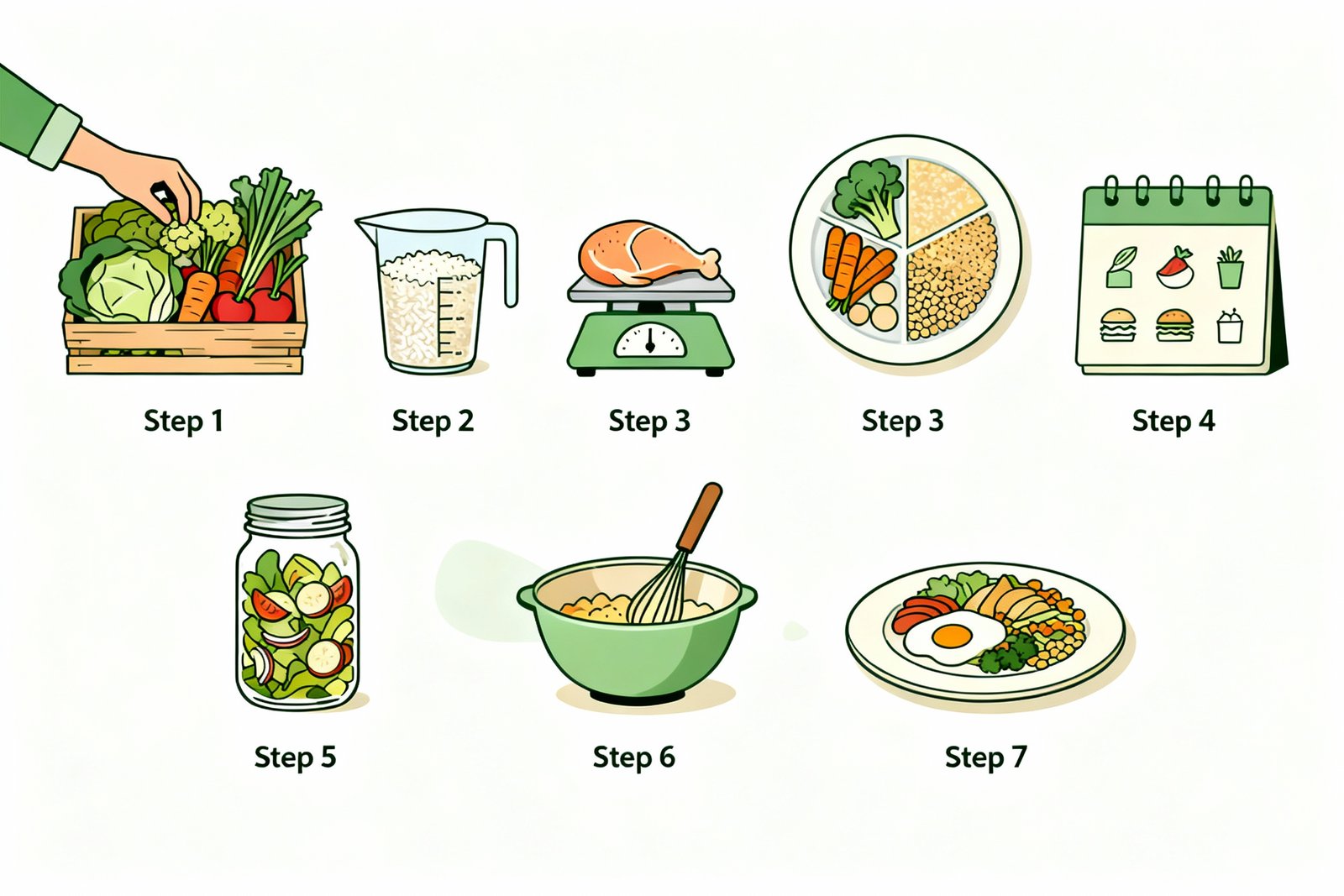
Let’s make this real. Here’s a quick weekly flow you can copy:
- Check calendar: Busy Tue/Thu, flexible weekend.
- Pick structure: 3-2-2 method.
- Choose meals: Chili, salmon sheet-pan, taco bowls; fast backups = omelets and yogurt parfaits.
- Shop with sections: Produce, proteins, pantry, dairy/frozen.
- 45-minute prep: Cook rice, chop veg, roast broccoli, make yogurt sauce.
- Flavor MVPs: Lemon, chili crisp, taco seasoning, soy sauce.
- Snacks + oh-no kit: Stock nuts, tuna, frozen veg, bars.
You just built a plan you can actually follow without turning your kitchen into a part-time job. IMO, that’s the sweet spot.
FAQs
How many meals should I plan per week?
Plan 3–4 dinners and let leftovers, easy meals, and social plans fill the rest.
Over-planning creates waste and guilt. Under-planning creates panic. Aim for the middle.
Do I need to count calories or macros?
Not unless you want to.
A balanced plate with protein, fiber-rich carbs, veggies, and healthy fats works for most people. If you have specific goals, track for a short period to learn your portions, then return to plate visuals.
What if I hate meal prep?
Skip full meal prep and do “ingredient prep.” Cook one grain, chop a few veg, and make a sauce. You still get the payoff without living out of Tupperware all week.
How do I handle cravings?
Include the foods you crave on purpose.
Plan a dessert a few nights or buy a treat you love in individual portions. Restriction backfires; permission keeps you in control.
Is frozen or canned food okay?
Absolutely. Frozen veggies often beat “fresh” in nutrients because they’re picked at peak ripeness.
Canned beans, tomatoes, and fish are budget-friendly and fast. Rinse canned beans to reduce sodium.
What if I cook for picky eaters?
Use a “base + toppings” model. Make a neutral base (rice + protein + veg) and put sauces, spices, and extras on the side.
Everyone customizes without you making five different meals.
Conclusion
You don’t need a perfect plan—you need a practical one. Anchor your week to your real life, keep a short list of reliable meals, prep just enough to reduce friction, and season like you mean it. Build flexibility into the system, not as an exception.
Do that, and you’ll finally have a healthy meal plan you’ll actually stick to.