Eggplant Parmesan That Crunches, Melts, and Wins Hearts
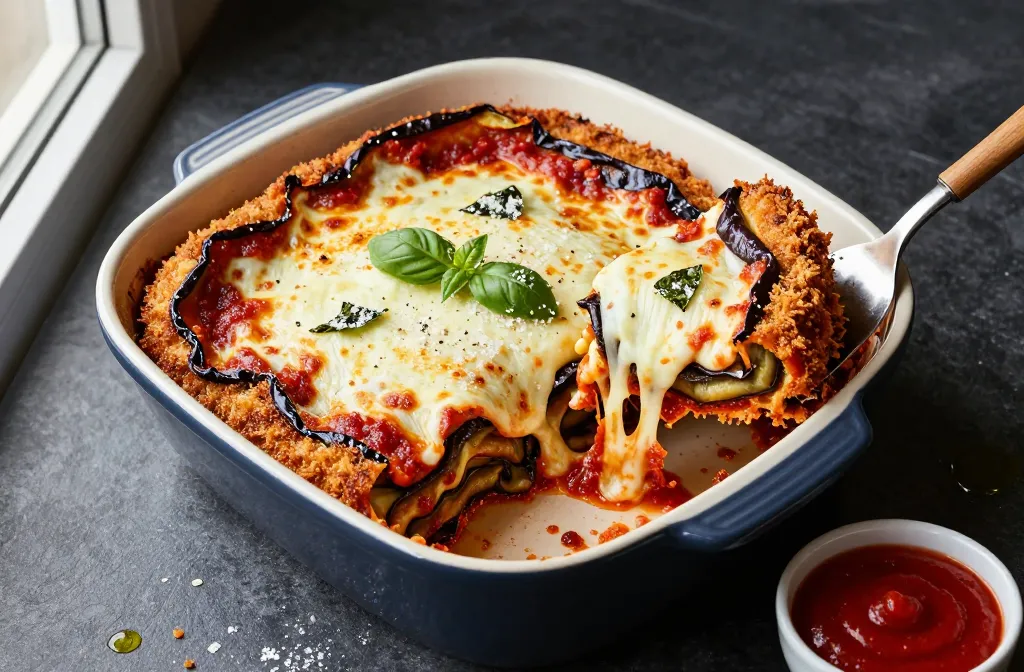
Eggplant Parmesan doesn’t mess around. It’s crispy, saucy, cheesy, and dramatic in the best way—like lasagna’s cool cousin who studied abroad in Naples and came back with stories. You get layers of texture, a zesty tomato hug, and the satisfaction of a proper bake that feeds a crowd or your future self (hello, leftovers). Ready to make a pan that practically high-fives you out of the oven?
Never wonder what's for dinner again.
Get 7 healthy, family-friendly dinners complete with recipes, grocery lists, and simple meal plans delivered straight to your inbox.
What Makes Eggplant Parm So Irresistible?
Eggplant Parmesan nails the comfort-food trifecta: crunch, sauce, cheese. You get the big, bold flavor of marinara; the salty, stretchy bliss of mozzarella; and the mellow richness of eggplant that loves a hot oil bath. It’s indulgent without feeling heavy, especially when you prep the eggplant right.
It’s also wildly adaptable. Want it lighter? Bake the cutlets. Want it classic? Pan-fry. Want it extra? Layer in thin prosciutto or a sprinkle of sharp pecorino. You’re the boss.
Choosing and Prepping Your Eggplant
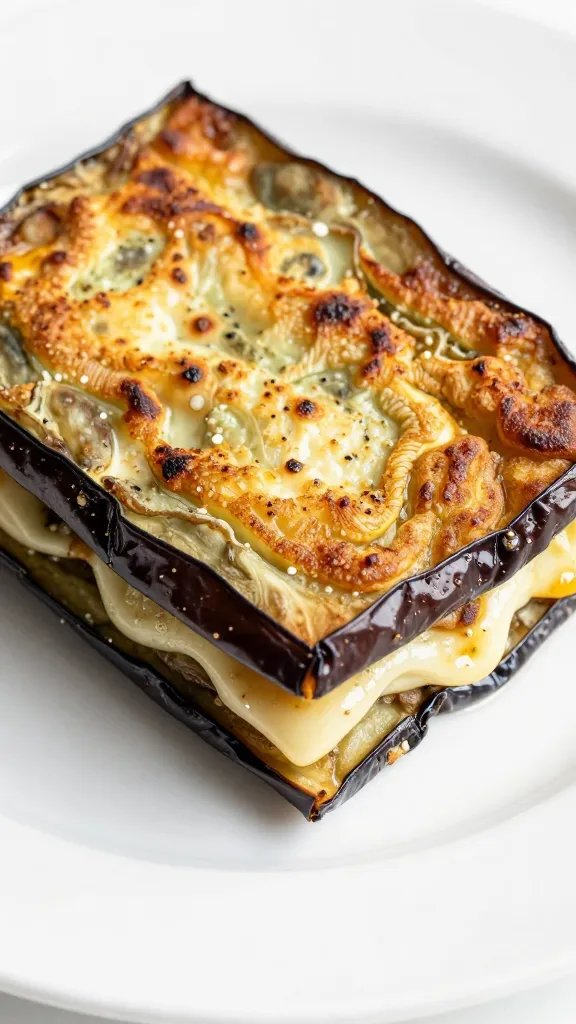
Good eggplant = good Eggplant Parm. Not negotiable. Pick firm eggplants with glossy skin and no soft spots. Smaller to medium ones usually taste sweeter and have fewer seeds.
To Salt or Not to Salt?
Salting eggplant used to be essential to draw out bitterness. Modern varieties taste milder, but salting still helps with texture. It pulls out moisture so your coating stays crisp instead of going soggy.
- Slice: 1/4 to 1/2 inch thick rounds. Consistency matters more than thickness.
- Salt: Sprinkle both sides, rest 30 minutes on a rack or paper towel, then pat dry.
- Optional peel: If the skin seems tough, peel in stripes. It looks pretty and eats well.
The Crunch Factor: Breading and Cooking the Cutlets
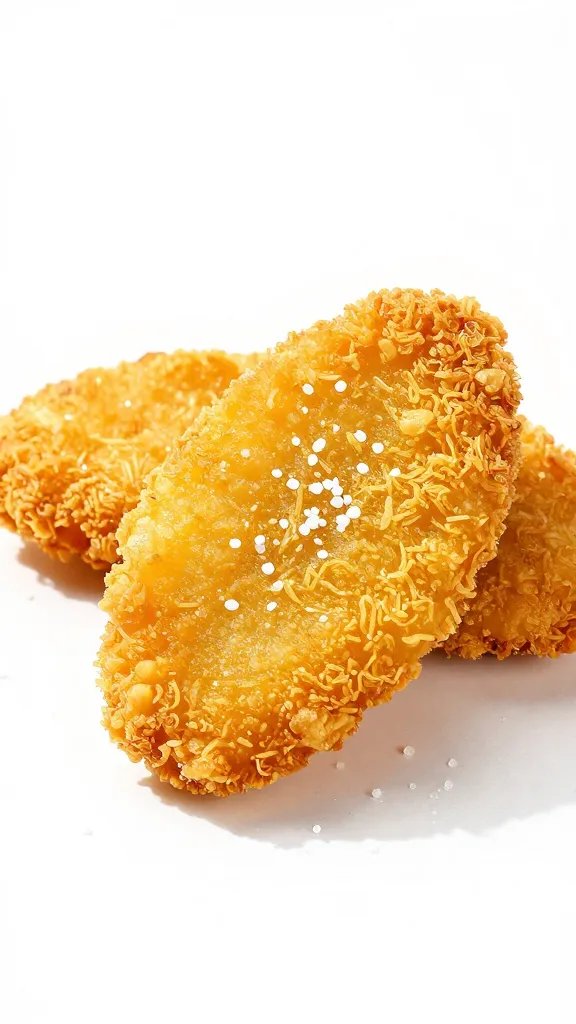
Let’s talk crust, because that’s where the magic lives. You want a shattering crunch that doesn’t shred your mouth. Aim for a golden, sturdy coating that stands up to sauce.
The Classic Three-Step Dredge
- Flour: Light dusting. It helps the egg stick.
- Egg wash: Beaten eggs with a splash of milk or water.
- Breading: Italian breadcrumbs + grated Parmesan + a pinch of garlic powder and black pepper.
Fry in neutral oil (like canola) over medium heat until both sides turn deep golden. Drain on a rack—not paper towels—so the bottom stays crisp. FYI, you can also bake the breaded slices at 425°F (220°C) on a lightly oiled sheet, flipping once. Not quite the same crunch, but close, and your stovetop stays clean. IMO, both methods slap.
Sauce and Cheese: Keep It Balanced
Don’t drown the eggplant. You want every bite saucy yet structured. Go for a bright, simple marinara: olive oil, garlic, crushed tomatoes, salt, pepper, and a pinch of red pepper flakes. Simmer 20–30 minutes. Add fresh basil at the end so it doesn’t taste cooked to death.
For cheese, use low-moisture mozzarella for dependable melt and minimal water. Add Parmigiano-Reggiano or Pecorino Romano for salt and depth. Fresh mozzarella tastes amazing but releases more liquid; if you use it, slice and pat it dry.
Cheese Strategy 101
- Mix mozz with Parm for flavor and melt.
- Go lighter between layers to avoid slip-n-slide syndrome.
- Finish with a generous Parm shower on top for that bronzed lid.
Assembly: Build Those Layers Like a Pro
Here’s your blueprint. It’s not hard—just a little choreography.
- Prep the pan: Spread a thin layer of sauce to prevent sticking.
- First layer: Arrange cutlets snugly, no overlaps if possible.
- Sauce: Spoon just enough to kiss the surface—don’t flood it.
- Cheese: Scatter mozzarella and a dusting of Parm.
- Repeat: Two to three layers total. Keep things tidy.
- Top: Sauce + cheese + a few basil leaves (optional).
Bake at 375°F (190°C) until bubbly and golden, about 25–35 minutes. For extra color, broil 1–2 minutes at the end—watch it like a hawk. Let it rest 15–20 minutes so it sets. Yes, this part tests your willpower. You’ll survive.
Serve It Right (And Make It a Meal)
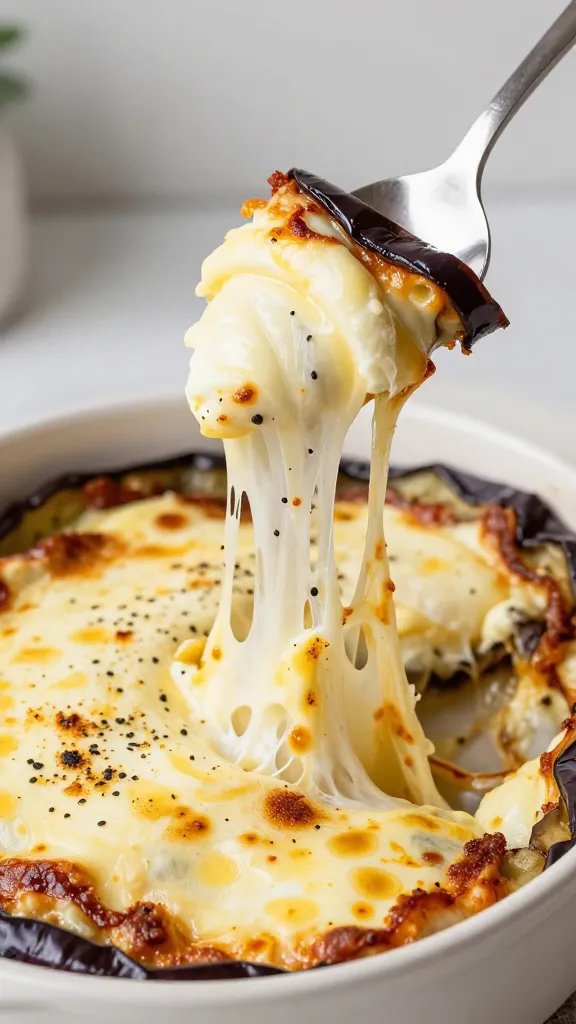
Eggplant Parm plays well with simple sides. Think fresh greens and a bright vinaigrette—something crisp to cut through the richness. Garlic bread? Of course. Pasta? Sure, but keep the portion small unless you want a nap after.
Need More Easy Dinner Ideas?
Get my FREE 7-Day Easy Dinner Reset and enjoy a full week of healthy dinners without the meal-planning stress.
Simple Pairings
- Salad: Arugula, lemon, olive oil, shaved Parm.
- Veg: Roasted broccolini or a quick sautéed spinach with garlic.
- Wine: Chianti or a juicy Montepulciano. If you’re team bubbles, a dry Prosecco can be fun.
Make-Ahead, Leftovers, and Freezing
This dish loves a plan. You can make the cutlets ahead and keep them crisp in the fridge for a day or two. Reheat them in the oven, then assemble and bake. Or assemble the whole thing and refrigerate unbaked for up to 24 hours.
Leftovers taste even better the next day. Reheat covered at 350°F (175°C) until warm, then uncover to re-crisp the top. Freezing? Bake, cool completely, wrap well, and freeze up to 2 months. Reheat from frozen at 350°F, covered, then finish uncovered. IMO, the texture holds up surprisingly well.
Variations Without the Drama
Want to play around? Go for it—just respect the ratio of crunch to sauce.
- Lighter version: Bake the cutlets and use part-skim mozzarella. Add extra basil for pop.
- Gluten-free: Use GF breadcrumbs or crushed GF crackers. Still delish.
- Spicy: Calabrian chilies in the sauce, or a pinch of chili flakes between layers.
- Herb bomb: Mix chopped parsley and oregano into the breadcrumb.
- Extra luxe: Layer in thin slices of fresh mozzarella and a few dollops of ricotta, but go easy to avoid sog.
FAQ
Do I really need to salt the eggplant?
You don’t have to, but you’ll get better texture if you do. Salting draws out moisture so the crust stays crisp and the slices don’t steam in the oven. If your eggplant is super fresh and small, you can skip it in a pinch—just pat the slices very dry.
Can I air-fry the eggplant cutlets?
Yes, and it works well. Spray the breaded slices lightly with oil, air-fry at 390°F (200°C) until golden, flipping once. They’ll be crisp enough for layering, and you’ll use less oil. Win-win.
Why does my Eggplant Parm come out watery?
Usually too much moisture. Common culprits: not salting/drying the eggplant, using very wet mozzarella, or going heavy on the sauce. Fix it by salting and patting dry, using low-moisture mozz, and applying sauce sparingly between layers.
What’s the best cheese combo?
Low-moisture mozzarella for melt, Parmigiano or Pecorino for bite. I like 2 parts mozz to 1 part Parm. If you add fresh mozzarella, pat it dry and use thin slices so it doesn’t flood the pan.
How thin should I slice the eggplant?
Aim for 1/4 to 1/2 inch. Thinner slices crisp up faster but can disappear under sauce; thicker slices feel meatier but need a bit more time to cook. Keep the thickness consistent for even baking.
Can I make it vegan?
Totally. Use plant-based mozzarella and Parmesan, and swap the egg wash for aquafaba (the liquid from a can of chickpeas) or a flax “egg.” Bake or air-fry the cutlets to keep things light, then assemble as usual.
Conclusion
Eggplant Parmesan shines when you respect the details: a dry, well-seasoned cutlet; a bright, simple sauce; and just enough cheese to tie it all together. Build clean layers, bake until bubbly, and let it rest so it slices like a dream. It’s cozy, a little dramatic, and ridiculously satisfying—basically dinner’s mic drop. Now go make a pan and bask in your own applause.
Loved This Recipe?
If you're looking for more simple, healthy dinners your family will actually eat, grab my FREE 7-Day Easy Dinner Reset. You'll get 7 easy dinner recipes, simple grocery lists, and a done-for-you plan that takes the stress out of mealtime.