Classic Lasagna Bolognese That Wins Every Dinner Table
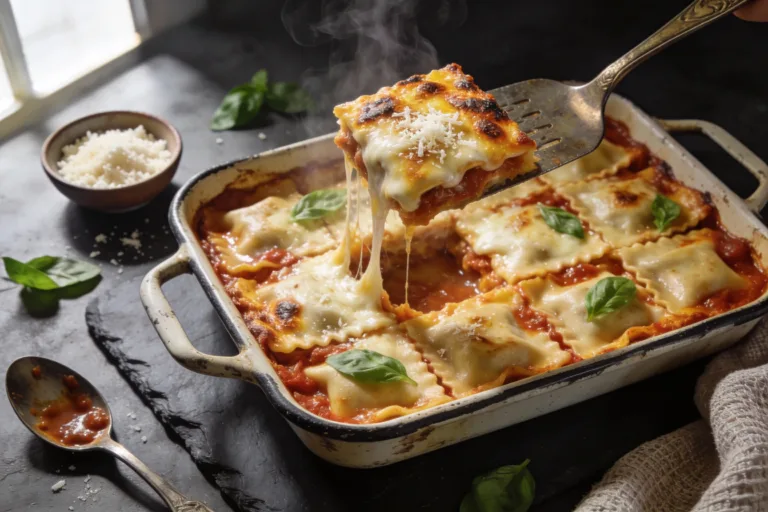
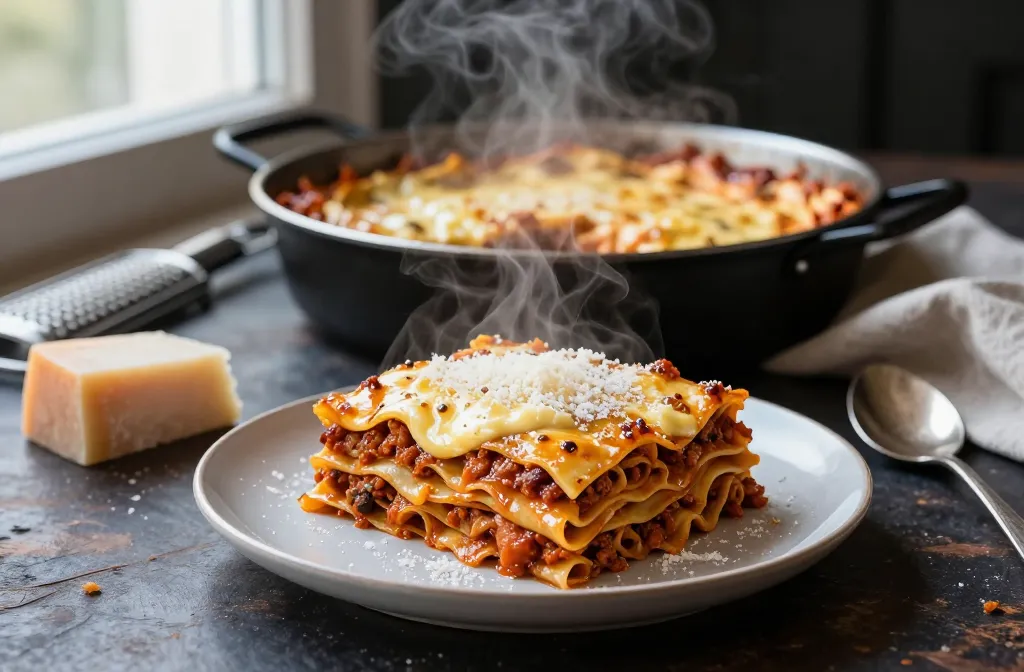
Lasagna Bolognese doesn’t need a sales pitch. It’s cozy, rich, and unapologetically extra. One bubbling pan can silence a room and convert “I’m not hungry” into “hand me a bigger piece.” If you want a dish that feels like a hug and tastes like a victory lap, this is it.
Never wonder what's for dinner again.
Get 7 healthy, family-friendly dinners complete with recipes, grocery lists, and simple meal plans delivered straight to your inbox.
What Makes It “Bolognese,” Exactly?
Bolognese isn’t just any meat sauce. It’s a slow-cooked, silky ragu from Bologna that uses finely chopped meat, aromatics, and just enough tomato to bind. No heavy marinara vibes here.
You build lasagna with thin pasta sheets, layers of ragu, and a velvety béchamel. Parmesan ties it all together like the friend who always remembers dessert forks. The result? A balanced, deeply savory bake that whispers “grazie” with every bite.
Core Ingredients (And Why They Matter)
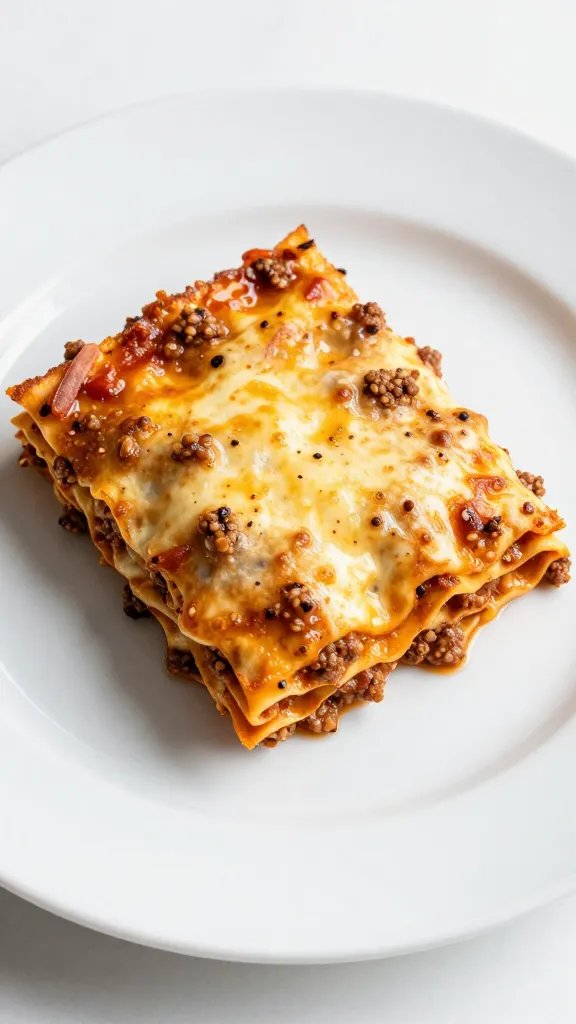
Strong lasagna lives and dies by basics done right. Choose quality over shortcuts and it rewards you with flavor for days.
- For the ragu: ground beef and pork (or veal), pancetta, onion, carrot, celery, whole milk, dry white wine, tomato paste or passata, stock, olive oil, and butter.
- For the béchamel: butter, flour, whole milk, a pinch of nutmeg, salt, and white pepper.
- Pasta: fresh egg lasagna sheets, ideally thin. Dried sheets work, but parboil them for better texture.
- Cheese: Parmigiano Reggiano. Not a cheese mountain, just a tasteful snowfall each layer.
Why Milk in the Ragu?
Milk softens the meat fibers and rounds out acidity. It gives the sauce a plush texture and keeps things mellow. Skip it and you’ll still get good sauce, but IMO you’ll miss that signature silk.
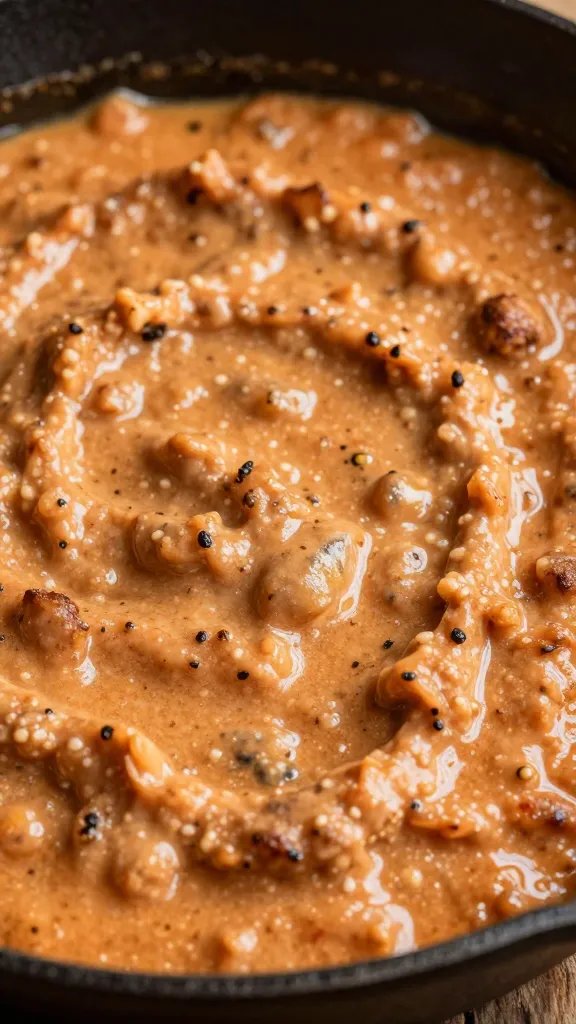
The Ragu: Low and Slow or Don’t Bother
Ragu Bolognese asks for patience. Good news: most of the time it just putters away while your kitchen smells like an Italian nonna moved in.
- Sweat the soffritto: finely chop onion, carrot, and celery. Cook in olive oil and a bit of butter until soft and sweet, not browned.
- Brown the meats: add pancetta first, then beef and pork. Break it up small. Let it color for actual flavor—no gray crumbles allowed.
- Deglaze: pour in dry white wine. Scrape the fond like you mean it.
- Tomato + milk: stir in tomato paste or a small amount of passata, then the milk. Season lightly. Add a ladle of stock.
- Simmer: keep it barely bubbling for 2–3 hours. Add stock when it looks thirsty. The goal: a thick, glossy sauce that clings to a spoon.
Troubleshooting the Pot
- Too acidic? Cook longer. Time does more than sugar here, FYI.
- Too loose? Reduce uncovered. Don’t panic-add flour.
- Greasy? Spoon off excess fat at the end. Rich, not slick.
Béchamel: The Velvet Blanket
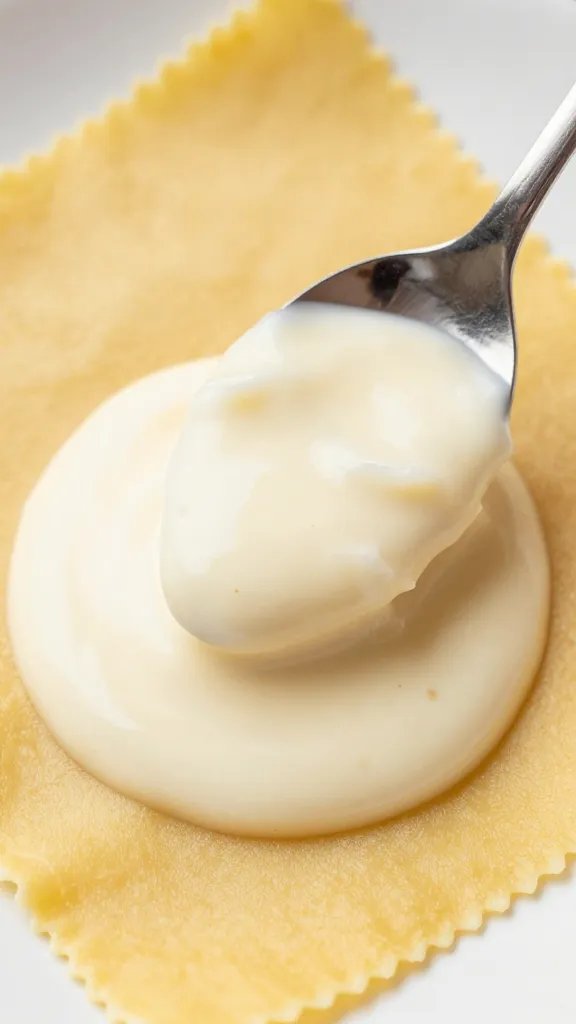
Béchamel scares people who haven’t met a whisk. You’ve got this.
- Make a roux: melt butter, whisk in flour, cook 1–2 minutes until it smells nutty, not raw.
- Add warm milk: pour in gradually, whisk constantly. It thickens fast—stay zen.
- Season: salt, white pepper, and a whisper of nutmeg. You want a pourable sauce that coats a spoon.
Texture Check
The béchamel should flow, not plop. If it turns stodgy, whisk in more warm milk. If it feels thin, let it simmer a minute. It thickens more as it cools, so aim just shy of final thickness.
Layering Like a Pro
This is where you craft that signature bite—soft pasta, meaty ragu, creamy béchamel, and salty cheese in harmony. Not chaos.
- Prep the dish: butter the pan. Swipe a thin layer of ragu on the bottom to prevent sticking.
- Layer order: pasta, ragu, béchamel, Parmesan. Repeat. Keep layers thin and even.
- Final top: pasta, a little ragu, more béchamel, a generous shower of Parmesan. A few butter dots never hurt.
- Rest before baking: 10 minutes lets the pasta hydrate a bit. It helps with structure.
How Many Layers?
Five to seven pasta layers hit the sweet spot. More layers = more elegance, less casserole energy. If the sheets are thick, go fewer layers. If they’re whisper-thin, stack higher and brag about it later.
Baking and the All-Important Rest
Need More Easy Dinner Ideas?
Get my FREE 7-Day Easy Dinner Reset and enjoy a full week of healthy dinners without the meal-planning stress.
Bake covered at 375°F (190°C) for about 30–40 minutes, then uncover 10–15 minutes to brown. You want edges bubbling and the top gloriously spotty.
Then the hardest part: rest 20–30 minutes before slicing. The layers set and the juices reabsorb. Cut too early and it slides around like lasagna Jenga. Delicious, yes. Pretty, no.
Serving Moves
- Cut with confidence: use a sharp knife and a wide spatula.
- Finish with flair: extra Parmesan and cracked pepper. Maybe chopped parsley if you’re feeling fancy.
- Keep sides simple: peppery salad, crusty bread. Don’t upstage the main character.
Smart Swaps and Little Upgrades
I love tradition, but I also love a good hack. Balance matters either way.
- No pancetta? Use finely chopped bacon. Render it well to avoid chewiness.
- Meat options: beef + pork = classic. Veal adds delicacy, sausage adds spice.
- Tomato control: use paste for deeper flavor without turning it into marinara.
- Wine swap: dry white keeps things bright. Red adds deeper bass notes. Either works, IMO.
- Make-ahead: assemble a day ahead and chill. Bake longer from cold, covered at first.
Fresh vs. Dried Pasta
Fresh sheets cook up tender and classy. Dried sheets need a quick parboil and a wetter sauce. Pre-cooked no-boil sheets exist, but they behave nicer when you still add a bit more béchamel.
FAQ
Can I add mozzarella?
You can, but it turns into Italian-American lasagna, not classic Bolognese. Traditional versions skip mozzarella to keep the structure neat and the flavor focused on ragu, béchamel, and Parmesan. If you crave stretchy cheese, add a small amount between middle layers and stay conservative.
How long can I store leftovers?
Keep leftovers in the fridge for 3–4 days. Reheat covered at 325°F (165°C) until warmed through, or microwave gently with a splash of milk to revive the béchamel. It freezes well for up to 2 months—wrap tight and label unless you enjoy freezer mystery night.
My sauce tastes flat. Now what?
Salt fixes most issues, but do it slowly. A splash of wine, a knob of butter, or a grating of Parmesan at the end can brighten flavor. If it tastes sharp, simmer longer—time smooths out rough edges, FYI.
Do I really need béchamel?
For classic Bolognese, yes. Béchamel adds silk and binds the layers without hijacking the flavor. Ricotta works in other styles, but here it changes the vibe and texture.
How do I stop watery lasagna?
Reduce the ragu until thick, keep béchamel pourable but not thin, and don’t overload layers. Rest the lasagna after baking so moisture redistributes. Watery lasagna usually means impatience, not doom.
Can I make it gluten-free?
Use gluten-free lasagna sheets and a béchamel made with a 1:1 gluten-free flour blend. Keep stirring during the roux step, since some blends thicken faster. The rest stays the same.
Conclusion
Lasagna Bolognese rewards care more than cleverness. Build a rich ragu, whisk a smooth béchamel, and layer with intention. Give it time in the oven, then give it time to rest. When you cut that first square and it stands tall with clean layers and big flavor, you’ll know you nailed it—no apology, no leftovers, just victory. IMO, that’s comfort food at its peak.
Loved This Recipe?
If you're looking for more simple, healthy dinners your family will actually eat, grab my FREE 7-Day Easy Dinner Reset. You'll get 7 easy dinner recipes, simple grocery lists, and a done-for-you plan that takes the stress out of mealtime.