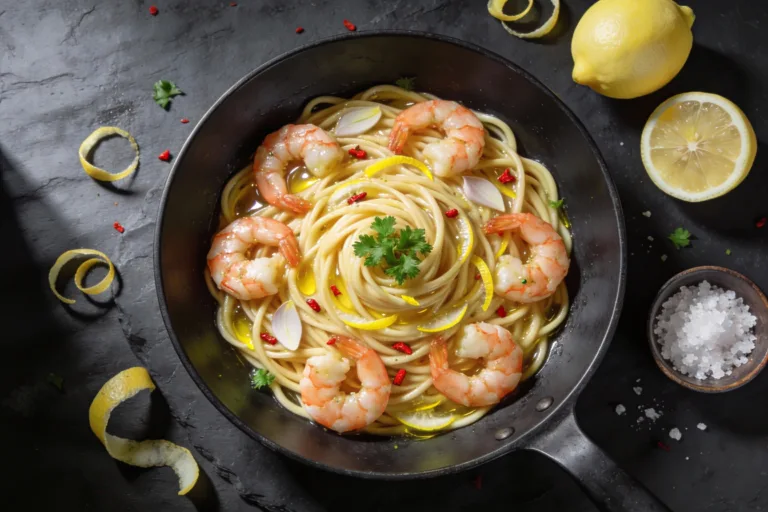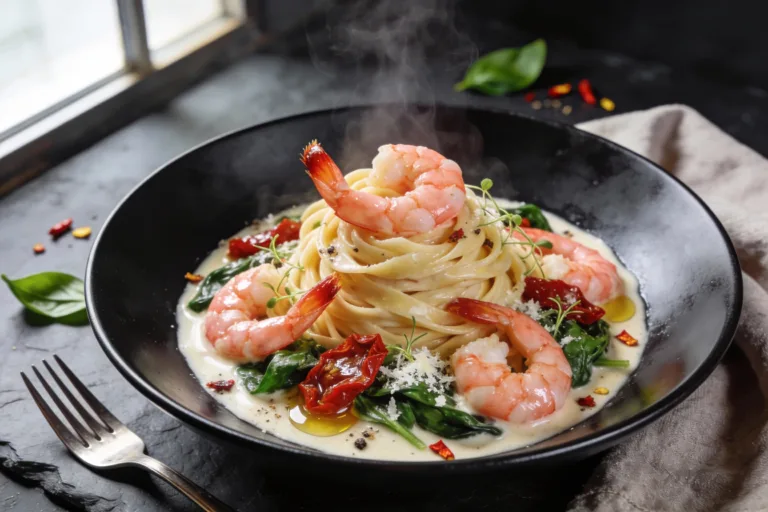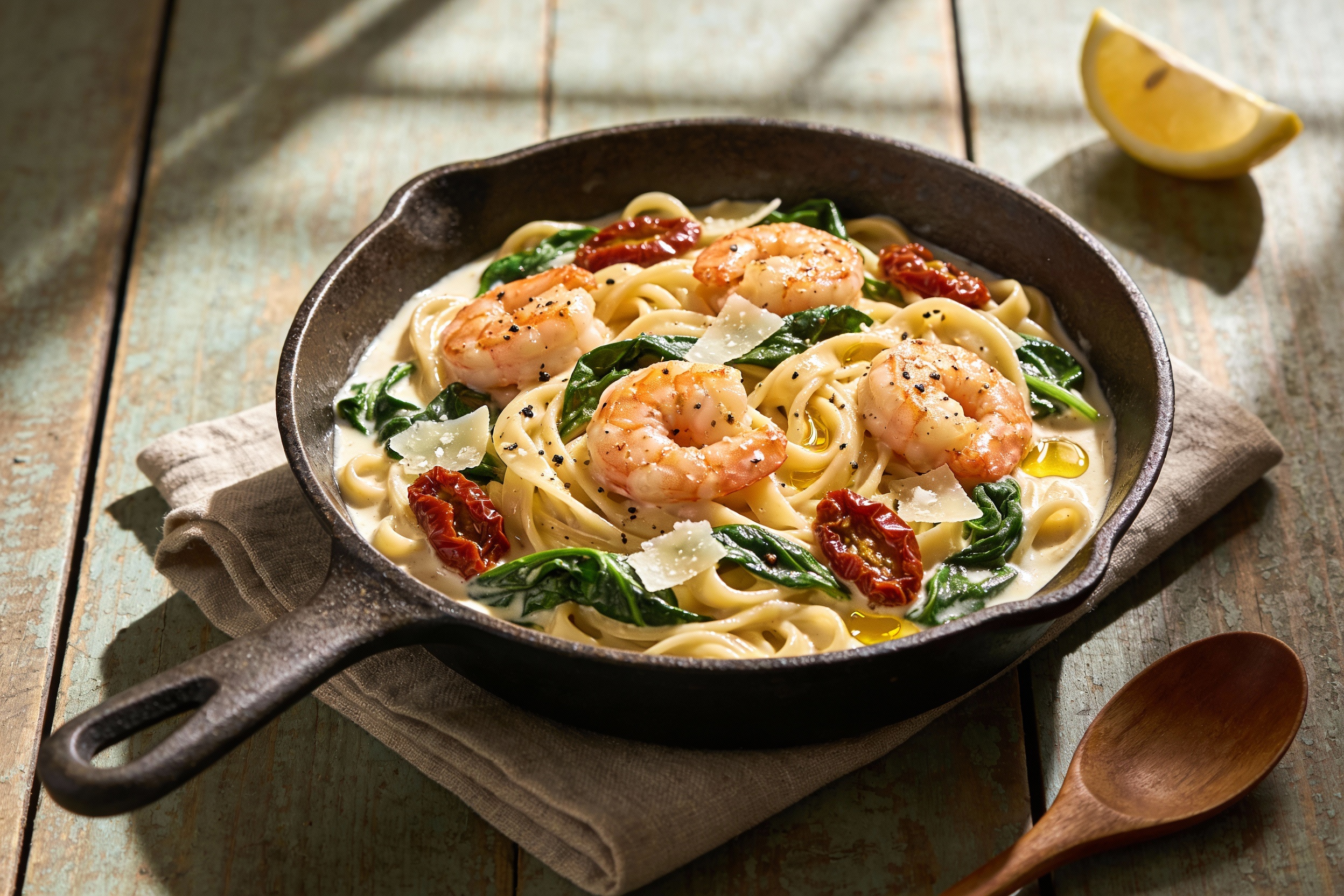
Tuscan Garlic Shrimp Pasta That Tastes Like Vacation
Shrimp. Garlic. Cream. Pasta. You’re already halfway to dinner nirvana, right? Tuscan Garlic Shrimp Pasta brings restaurant-level flavor to your kitchen without the drama. We’re talking juicy shrimp, silky sauce, and sun-dried tomatoes that taste like sunshine in a jar. Ready to cook something you’ll brag about later?
Never wonder what's for dinner again.
Get 7 healthy, family-friendly dinners complete with recipes, grocery lists, and simple meal plans delivered straight to your inbox.
Why Tuscan Garlic Shrimp Pasta Wins Every Time
You get big flavor with minimal fuss. The garlic-infused cream sauce clings to every noodle. The shrimp cook in minutes. And the sun-dried tomatoes and spinach bring depth and color that scream “I tried,” even if you didn’t really.
This pasta also works for date night, weeknight, or “I just want comfort food with a fancy accent.” FYI: It reheats like a dream for lunch the next day—if you don’t eat it all first.
What You’ll Need (and Why It Works)
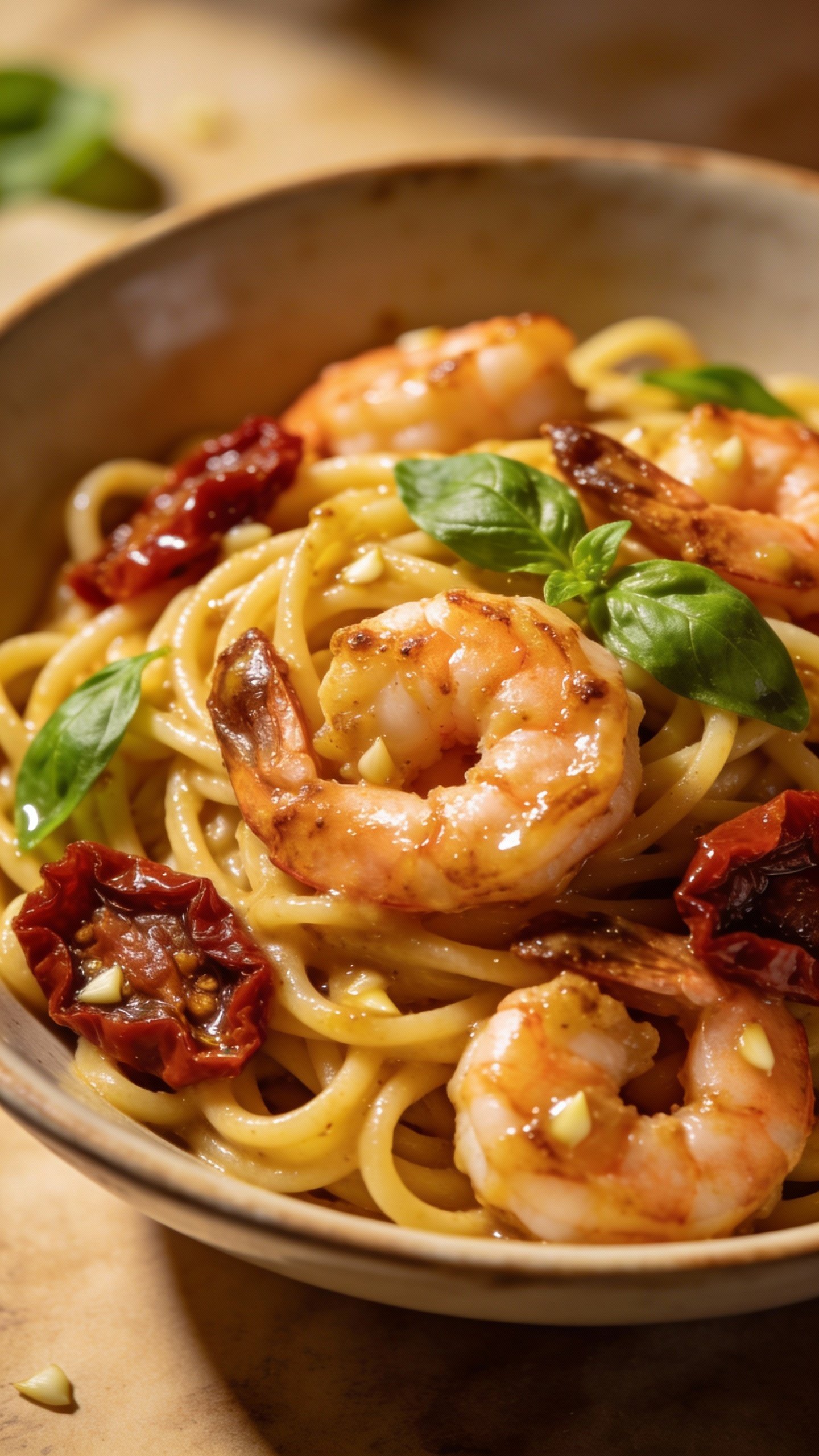
Let’s keep it simple with top-shelf ingredients that do the heavy lifting.
- Shrimp: Large or extra-large, peeled and deveined. They absorb flavor fast and stay juicy.
- Pasta: Fettuccine, linguine, or penne. You want a shape that holds creamy sauce.
- Garlic: Fresh cloves only. Pre-minced garlic tastes tired. You deserve better.
- Sun-dried tomatoes: Oil-packed. They add a tangy, sweet punch.
- Heavy cream: For a lush, velvety sauce. No substitutes if you want max silkiness.
- Chicken broth or seafood stock: Adds savory depth and keeps the sauce balanced.
- Parmesan: Freshly grated. The pre-shredded stuff won’t melt as smoothly.
- Spinach: Baby spinach wilts quickly and adds color and freshness.
- Butter + olive oil: The power duo for searing and flavor.
- Seasoning: Salt, pepper, red pepper flakes, Italian seasoning, and a squeeze of lemon.
Optional (but amazing) Add-Ins
- White wine: Splash into the pan to deglaze after the shrimp. Instant chef energy.
- Fresh basil: Chopped and sprinkled on top for aroma and color.
- Mushrooms: Sauté for earthy vibes if you want extra bulk.
Step-by-Step: How to Cook It Like a Pro
You’ll cook the pasta, sear the shrimp, build the sauce, then reunite everyone in one glorious pan.
- Boil pasta: Salt the water like the sea. Cook until just shy of al dente. Reserve 1 cup of pasta water. Drain.
- Sear shrimp: Pat shrimp dry. Season with salt, pepper, and a pinch of red pepper flakes. Sear in butter + olive oil (hot pan!) for 1–2 minutes per side. Remove to a plate.
- Build flavor: Lower heat. Add a bit more oil if needed. Sauté garlic and sun-dried tomatoes for 30–60 seconds until fragrant (do not burn the garlic).
- Deglaze: Add wine or a splash of broth. Scrape up browned bits—flavor treasure.
- Make it creamy: Pour in cream and a splash of broth. Add Italian seasoning. Simmer gently 3–4 minutes to thicken slightly.
- Cheese time: Stir in Parmesan until smooth. If too thick, loosen with pasta water. Taste and adjust salt and pepper.
- Finishing moves: Add spinach to wilt. Return shrimp (and juices) to the pan. Toss in pasta. Squeeze lemon over the top. Toss until glossy and happy.
Texture Tips You’ll Thank Me For
- Don’t overcook shrimp: Pull them once they curl and turn pink with a slight translucence. Overcooked shrimp = sad rubber bands.
- Reserve pasta water: It’s your secret weapon for silky, clingy sauce.
- Simmer, don’t boil, the cream: Boiling can cause separation. Gently does it.
The Flavor Balancing Act
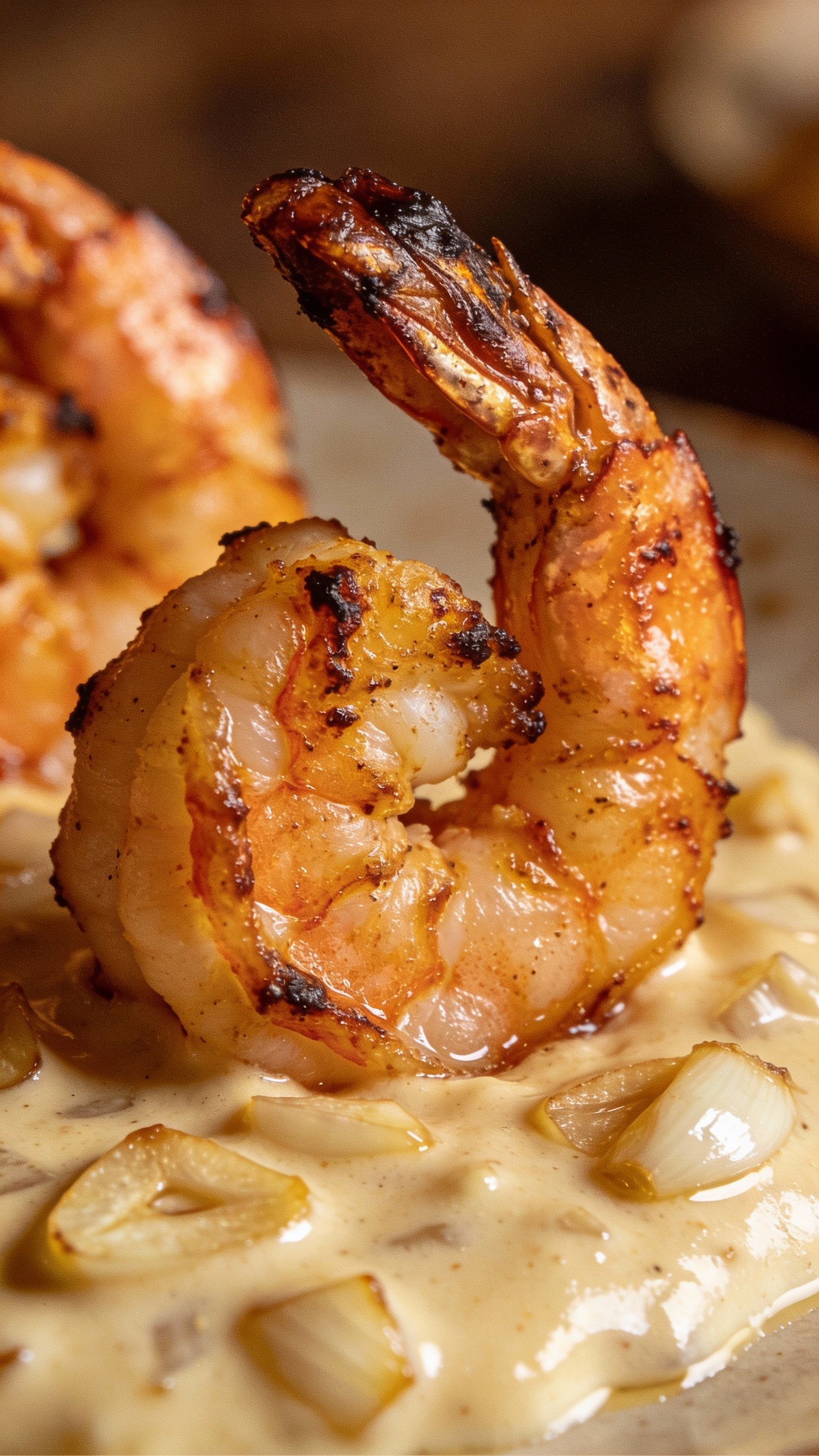
You want rich, garlicky, and creamy—but not heavy. Here’s how to nail it:
- Acid matters: A squeeze of lemon or a splash of white wine brightens the sauce.
- Salt smartly: Taste after adding Parmesan, which already brings salt.
- Heat control: A pinch of red pepper flakes wakes up the cream without turning it spicy.
Garlic: How Much Is Too Much?
If you love garlic, go for 4–6 cloves. If you want it mild, use 2–3. Cook it until fragrant, not browned—brown garlic tastes bitter, and we don’t do bitter here (unless we’re talking about life choices).
Make-Ahead, Leftovers, and Reheating
You can prep components ahead:
- Pre-cook pasta: Slightly undercook, toss with a bit of oil, and chill. Reheat in sauce.
- Sauce base: Make the cream and tomato mixture without spinach/shrimp. Chill up to 2 days. Reheat gently, then add shrimp and spinach fresh.
- Leftovers: Store in an airtight container up to 2 days. Reheat low and slow with a splash of cream or milk.
Freezer Strategy (IMO: skip it)
Cream sauces don’t freeze and reheat well. The texture can split, and shrimp can turn mealy. If you must, freeze just the sauce base (no shrimp/spinach), then add fresh shrimp later.
Need More Easy Dinner Ideas?
Get my FREE 7-Day Easy Dinner Reset and enjoy a full week of healthy dinners without the meal-planning stress.
Smart Swaps and Variations
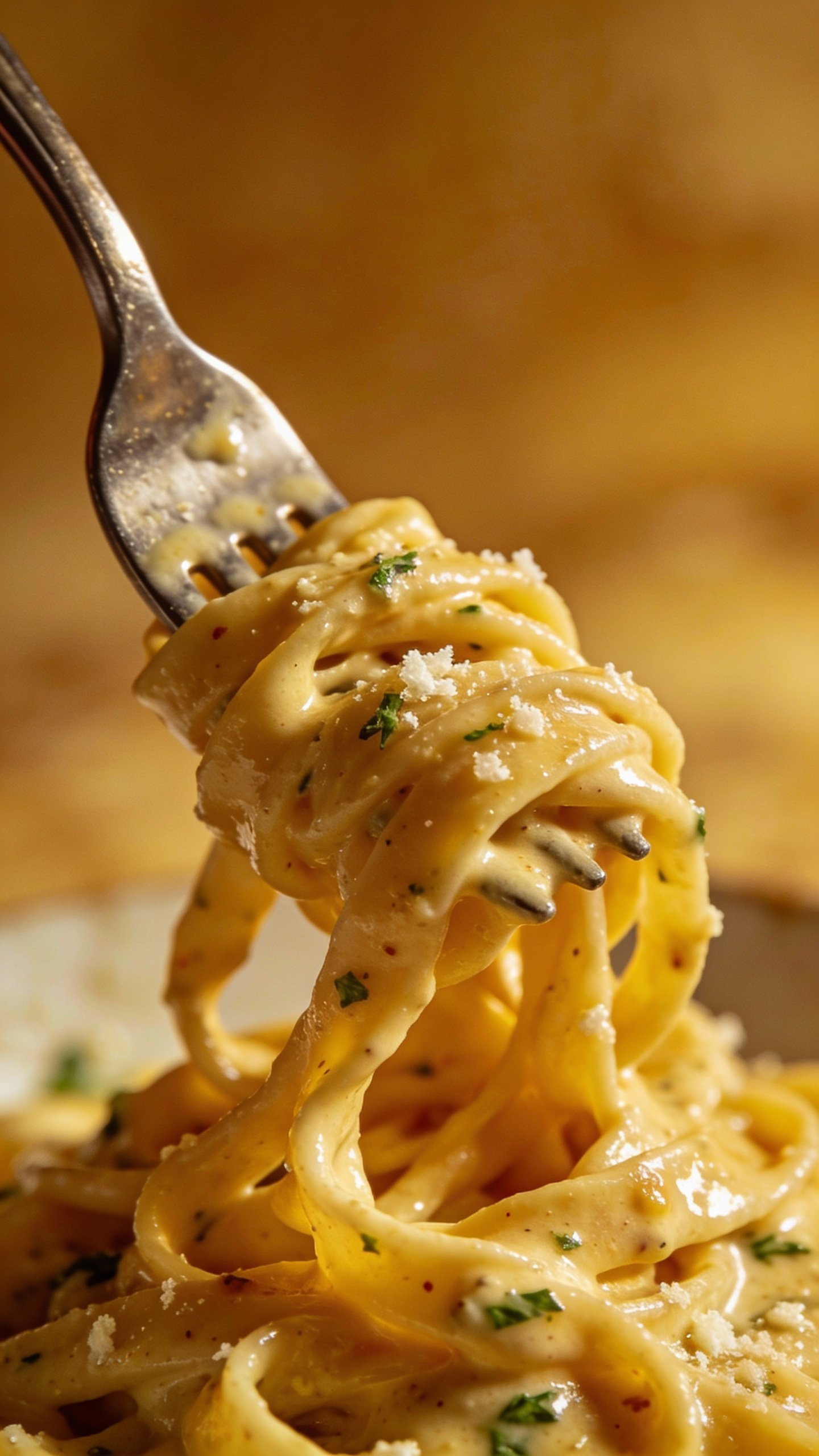
Let your pantry lead the way. This dish plays nice with substitutions.
- Protein: Try scallops, chicken, or salmon. Cook times vary, but the sauce doesn’t judge.
- Dairy tweaks: Use half-and-half with a little cornstarch slurry if you want it lighter (FYI, you’ll sacrifice some richness).
- Veggies: Add peas, roasted red peppers, or asparagus tips for color and crunch.
- Gluten-free: Use GF pasta and check your stock.
- No cream zone: Go olive oil + a touch of butter and extra pasta water for a lighter, garlicky version. Not strictly “Tuscan,” but still delish.
Wine Pairing (for when you’re feeling fancy)
Crisp whites win: Pinot Grigio, Sauvignon Blanc, or a Vermentino. They cut through the richness and make the shrimp pop. Red-only household? A light Pinot Noir or chilled Lambrusco can work in a pinch.
Plating and Serving Like You Mean It
Toss pasta and sauce in the pan for full coverage, then plate with tongs for that twirled, restaurant look. Finish with:
- Extra Parmesan: Always.
- Fresh basil or parsley: A handful of chopped herbs for brightness.
- Lemon zest: A quick grate over the top makes the whole dish sing. IMO, it’s the mic-drop moment.
FAQ
Can I use frozen shrimp?
Absolutely. Thaw them overnight in the fridge or under cold running water for 15–20 minutes. Pat dry very well before searing so they brown instead of steaming. Frozen shrimp are often fresher than “fresh” at the store, so no shame here.
How do I prevent a broken or grainy sauce?
Keep the heat at a gentle simmer, not a rolling boil. Add Parmesan off the heat or on very low, and grate it finely so it melts smoothly. If it thickens too much, loosen with pasta water or a splash of cream. Easy fix.
What pasta shape works best?
Fettuccine and linguine feel classic, but penne or rigatoni catch sauce in every ridge. Use what you love and what’s in your pantry. The sauce doesn’t discriminate.
Can I make it without dairy?
You can. Use olive oil instead of butter, skip the cream, and build a glossy sauce with broth, a splash of white wine, and starchy pasta water. Add a dairy-free Parmesan-style topping if you like. Different vibe, still tasty.
Is this spicy?
Only if you want it to be. Red pepper flakes add a warm hum, not a face-melter. Start with a pinch, taste, and add more if you like a little chaos.
What if my sauce is too thin?
Simmer for a couple more minutes to reduce, stir in a bit more Parmesan, or add a splash of pasta water to bind. Counterintuitive, but the starch in the water helps the emulsion tighten up.
Conclusion
Tuscan Garlic Shrimp Pasta gives you cozy comfort and sunny Italian vibes in one pan. It’s fast, it’s fancy-adjacent, and it hits all the right notes: garlicky, creamy, bright, and just a little extra. Make it once and it’ll join your weeknight rotation—no reservations required. Now grab a fork and call dibs on the biggest shrimp.
Loved This Recipe?
If you're looking for more simple, healthy dinners your family will actually eat, grab my FREE 7-Day Easy Dinner Reset. You'll get 7 easy dinner recipes, simple grocery lists, and a done-for-you plan that takes the stress out of mealtime.