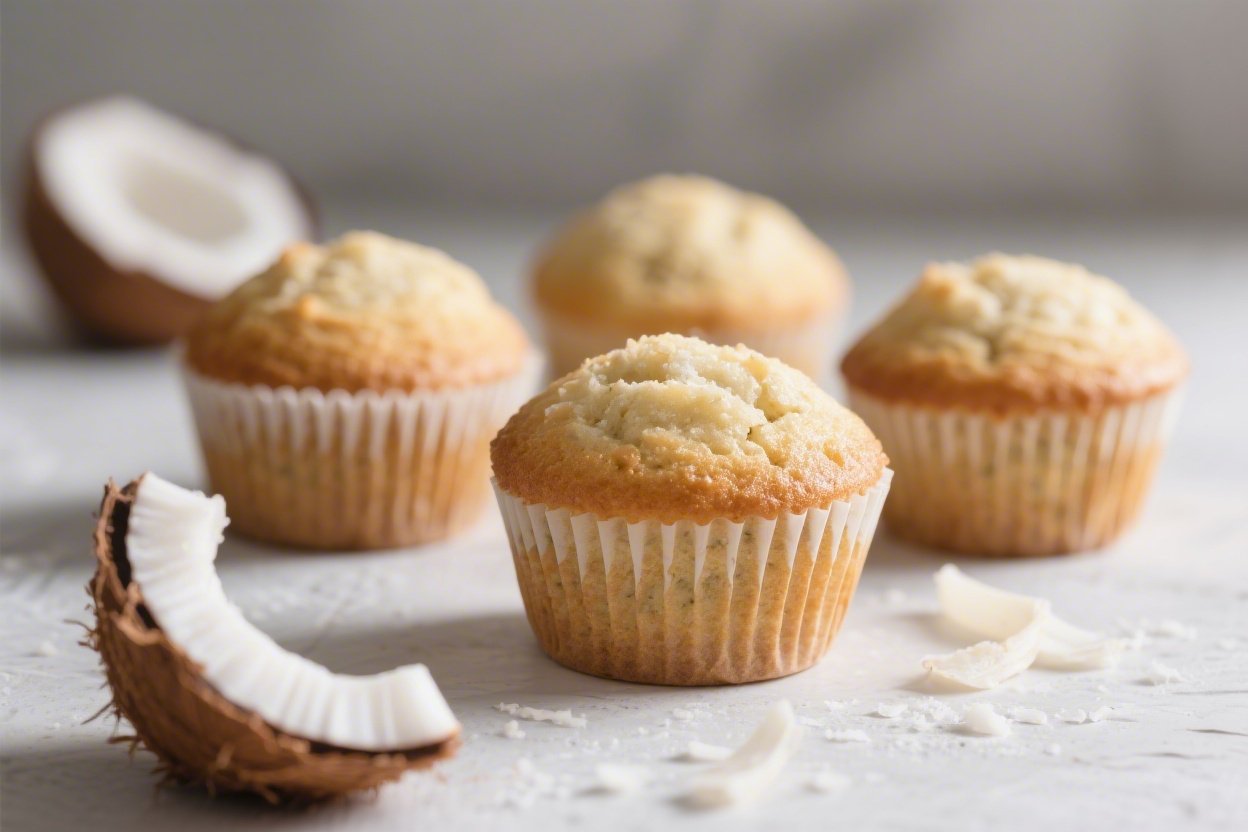
Keto Vanilla Coconut Muffins – Light, Simple, and Satisfying
These Keto Vanilla Coconut Muffins are soft, lightly sweet, and full of warm vanilla flavor. They come together quickly, bake beautifully, and make your kitchen smell like a cozy bakery. If you’re watching carbs or just want a cleaner treat, these muffins hit the spot without feeling “diet.” Pair one with coffee in the morning or enjoy as a guilt-free snack in the afternoon.
Never wonder what's for dinner again.
Get 7 healthy, family-friendly dinners complete with recipes, grocery lists, and simple meal plans delivered straight to your inbox.
They’re easy to customize and hard to mess up, even if you’re new to low-carb baking.
Keto Vanilla Coconut Muffins - Light, Simple, and Satisfying
Ingredients
- 2 cups fine almond flour
- 1/3 cup coconut flour
- 1/2 cup unsweetened shredded coconut
- 1/2 cup granular keto sweetener (erythritol, allulose, or a blend), plus more to taste
- 2 tsp baking powder (aluminum-free)
- 1/4 tsp baking soda
- 1/4 tsp fine sea salt
- 4 large eggs, room temperature
- 1/2 cup unsweetened almond milk (or coconut milk from a carton)
- 1/3 cup melted coconut oil or avocado oil
- 2 tsp pure vanilla extract
- 1/2 tsp coconut extract (optional, for extra coconut flavor)
- 1–2 tbsp water, if needed to adjust batter consistency
Instructions
- Prep your pan: Line a 12-cup muffin tin with paper liners. Preheat the oven to 350°F (175°C). If your liners tend to stick, lightly mist them with oil.
- Mix dry ingredients: In a large bowl, whisk together almond flour, coconut flour, shredded coconut, sweetener, baking powder, baking soda, and salt until evenly combined and lump-free.
- Whisk wet ingredients: In a separate bowl, whisk the eggs, almond milk, melted oil, vanilla, and coconut extract (if using) until smooth.
- Combine: Pour the wet mixture into the dry ingredients. Stir with a spatula until a thick, scoopable batter forms. If the batter seems dry or stiff, add 1–2 tablespoons of water to loosen slightly. It should not be runny.
- Portion: Divide the batter evenly among the 12 liners. The cups should be about 3/4 full. Smooth the tops with the back of a spoon for even baking.
- Bake: Place on the center rack and bake for 18–22 minutes. They’re done when the tops are lightly golden and a toothpick comes out clean or with a few moist crumbs.
- Cool: Let the muffins rest in the pan for 5 minutes, then transfer to a wire rack to cool completely. This helps set the crumb and prevents sticking.
- Optional finish: For a bakery-style touch, brush the warm tops with a tiny bit of melted coconut oil and sprinkle with a pinch of unsweetened shredded coconut.
What Makes This Special
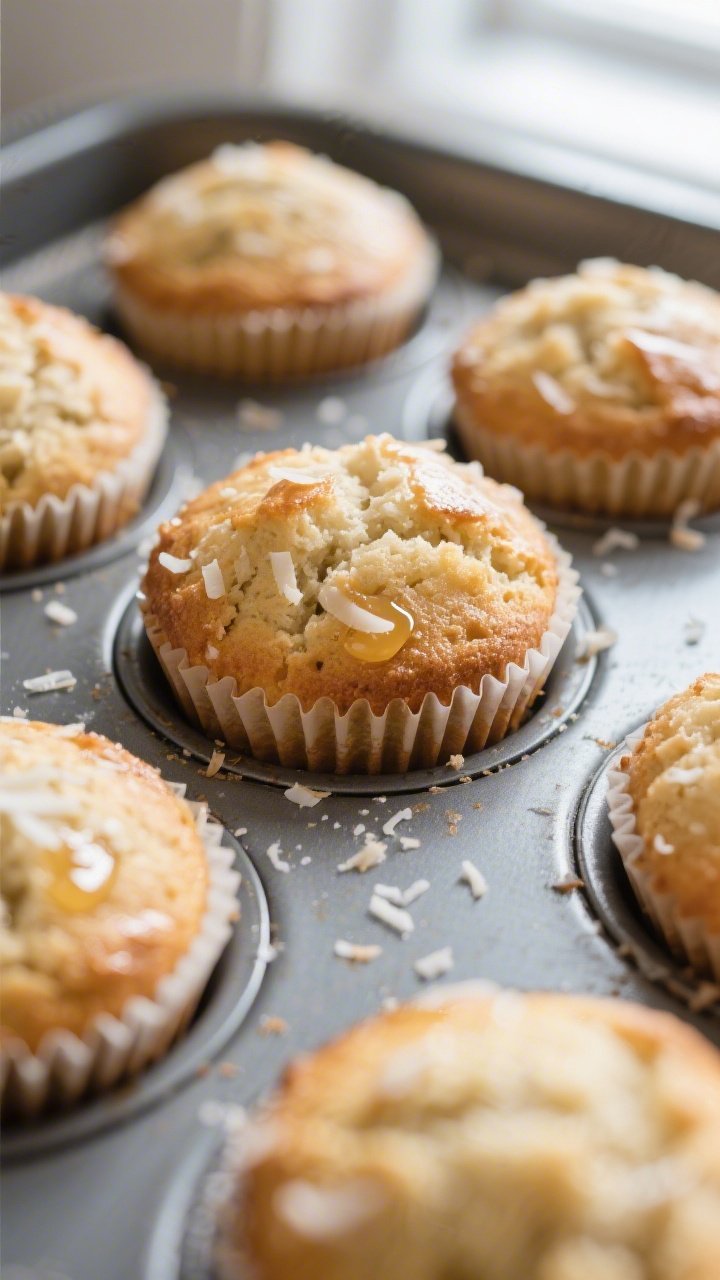
- Low in carbs, big on flavor: Almond flour and coconut help keep the carbs down while giving a satisfying, bakery-style bite.
- Moist, not crumbly: A mix of eggs, oil, and unsweetened shredded coconut adds structure and moisture without gluten.
- Simple pantry staples: No fancy ingredients. If you bake keto now and then, you probably have everything you need.
- Flexible sweetness: Use your favorite keto-friendly sweetener and adjust to taste.
- Great meal-prep snack: They store well and taste just as good the next day.
Ingredients
- 2 cups fine almond flour
- 1/3 cup coconut flour
- 1/2 cup unsweetened shredded coconut
- 1/2 cup granular keto sweetener (erythritol, allulose, or a blend), plus more to taste
- 2 tsp baking powder (aluminum-free)
- 1/4 tsp baking soda
- 1/4 tsp fine sea salt
- 4 large eggs, room temperature
- 1/2 cup unsweetened almond milk (or coconut milk from a carton)
- 1/3 cup melted coconut oil or avocado oil
- 2 tsp pure vanilla extract
- 1/2 tsp coconut extract (optional, for extra coconut flavor)
- 1–2 tbsp water, if needed to adjust batter consistency
Instructions

- Prep your pan: Line a 12-cup muffin tin with paper liners. Preheat the oven to 350°F (175°C).
If your liners tend to stick, lightly mist them with oil.
- Mix dry ingredients: In a large bowl, whisk together almond flour, coconut flour, shredded coconut, sweetener, baking powder, baking soda, and salt until evenly combined and lump-free.
- Whisk wet ingredients: In a separate bowl, whisk the eggs, almond milk, melted oil, vanilla, and coconut extract (if using) until smooth.
- Combine: Pour the wet mixture into the dry ingredients. Stir with a spatula until a thick, scoopable batter forms. If the batter seems dry or stiff, add 1–2 tablespoons of water to loosen slightly.
It should not be runny.
- Portion: Divide the batter evenly among the 12 liners. The cups should be about 3/4 full. Smooth the tops with the back of a spoon for even baking.
- Bake: Place on the center rack and bake for 18–22 minutes.
They’re done when the tops are lightly golden and a toothpick comes out clean or with a few moist crumbs.
- Cool: Let the muffins rest in the pan for 5 minutes, then transfer to a wire rack to cool completely. This helps set the crumb and prevents sticking.
- Optional finish: For a bakery-style touch, brush the warm tops with a tiny bit of melted coconut oil and sprinkle with a pinch of unsweetened shredded coconut.
Keeping It Fresh
- Room temperature: Store in an airtight container for up to 2 days. Add a paper towel inside the container to catch moisture and keep the tops from getting sticky.
- Refrigerator: Keep up to 5–6 days.
Warm in the microwave for 10–15 seconds to soften the crumb before eating.
- Freezer: Freeze in a zip-top bag for up to 2 months. Thaw at room temp or reheat gently from frozen in a 300°F (150°C) oven for 8–10 minutes.
Benefits of This Recipe
- Keto-friendly: Low net carbs make these muffins a safe pick for low-carb or ketogenic lifestyles.
- Gluten-free by default: Almond and coconut flours keep the texture tender without wheat.
- Steady energy: Higher fat and fiber help you feel satisfied longer than a typical sugary muffin.
- Customizable: You can tweak sweetness, add mix-ins, or switch up extracts without ruining the structure.
- Beginner-friendly: No fancy techniques—just whisk, stir, and bake.
Pitfalls to Watch Out For
- Overbaking: Almond and coconut flours dry out fast. Start checking at 18 minutes and pull them as soon as the toothpick comes out mostly clean.
- Skipping liners or cooling: These muffins are delicate when hot.
Liners help, and cooling on a rack prevents soggy bottoms.
- Using coarse almond meal: For the best crumb, choose fine almond flour, not almond meal with skins.
- Too much sweetener: Some sweeteners can crystallize and feel gritty. Taste the batter (a small lick is fine) and add more only if needed.
- Wrong liquid: Full-fat canned coconut milk is too thick here and may lead to heavy muffins. Use carton-style almond or coconut milk.
Alternatives
- Sweetener swaps: Allulose gives a softer crumb and less cooling effect; erythritol blends provide more structure.
Monk fruit blends also work well.
- Dairy-free “butter” note: If you miss buttery flavor, add 1–2 tablespoons of melted dairy-free butter alternative and reduce oil slightly.
- Lemon-coconut: Add 1 tablespoon fresh lemon zest and 1 tablespoon lemon juice; bump sweetener by 1–2 teaspoons to balance.
- Vanilla bean: Replace 1 teaspoon of vanilla extract with the seeds of half a vanilla bean for a richer aroma.
- Texture boosts: Fold in 1/4 cup unsweetened coconut flakes for extra chew, or 2 tablespoons chopped macadamias for crunch.
- Chocolate chip version: Stir in 1/3 cup sugar-free dark chocolate chips. Reduce sweetener by 1–2 teaspoons if your chips are quite sweet.
FAQ
How many net carbs are in each muffin?
Need More Easy Dinner Ideas?
Get my FREE 7-Day Easy Dinner Reset and enjoy a full week of healthy dinners without the meal-planning stress.
Exact counts vary by brand, but a typical muffin made as written lands around 3–4 net carbs. Use your specific ingredient labels and a nutrition calculator to confirm.
Can I make these without coconut flour?
You can, but you’ll need to adjust.
Replace the 1/3 cup coconut flour with about 3/4 cup additional almond flour and reduce the liquid slightly. The texture will be a bit denser.
What if I don’t have shredded coconut?
Leave it out and add 2–3 extra tablespoons of almond flour to balance moisture. The muffins will still be delicious, just less coconut-forward.
Can I make them egg-free?
Eggs help these rise and hold together.
A flax or chia “egg” can work, but expect a denser, more fragile crumb. If trying, use 4 flax eggs (1 tbsp ground flax + 3 tbsp water each) and let the batter rest 10 minutes before baking.
Why did my muffins sink?
This often means underbaking, too much liquid, or old baking powder. Check your leaveners’ freshness, measure carefully, and bake until the centers spring back when gently pressed.
Do I need to refrigerate them?
Not for the first day or two.
After that, refrigerate to keep them fresh longer, and warm briefly before serving.
Can I use stevia drops?
Liquid stevia alone can taste bitter and won’t add bulk. If you use it, pair with a bulk sweetener like allulose or erythritol to maintain structure.
How do I make them extra moist?
Add 2 tablespoons sour cream or coconut yogurt to the wet ingredients, and reduce almond milk by 2 tablespoons. Don’t overbake.
Wrapping Up
Keto Vanilla Coconut Muffins are a simple, dependable bake you can whip up any day of the week.
They’re tender, lightly sweet, and perfect for breakfast or a snack. With a handful of pantry staples and a few easy steps, you’ll have a batch ready in under 30 minutes. Keep a few on hand, freeze the rest, and enjoy a soft, satisfying treat whenever you need something sweet but sensible.
Printable Recipe Card
Want just the essential recipe details without scrolling through the article? Get our printable recipe card with just the ingredients and instructions.
Loved This Recipe?
If you're looking for more simple, healthy dinners your family will actually eat, grab my FREE 7-Day Easy Dinner Reset. You'll get 7 easy dinner recipes, simple grocery lists, and a done-for-you plan that takes the stress out of mealtime.