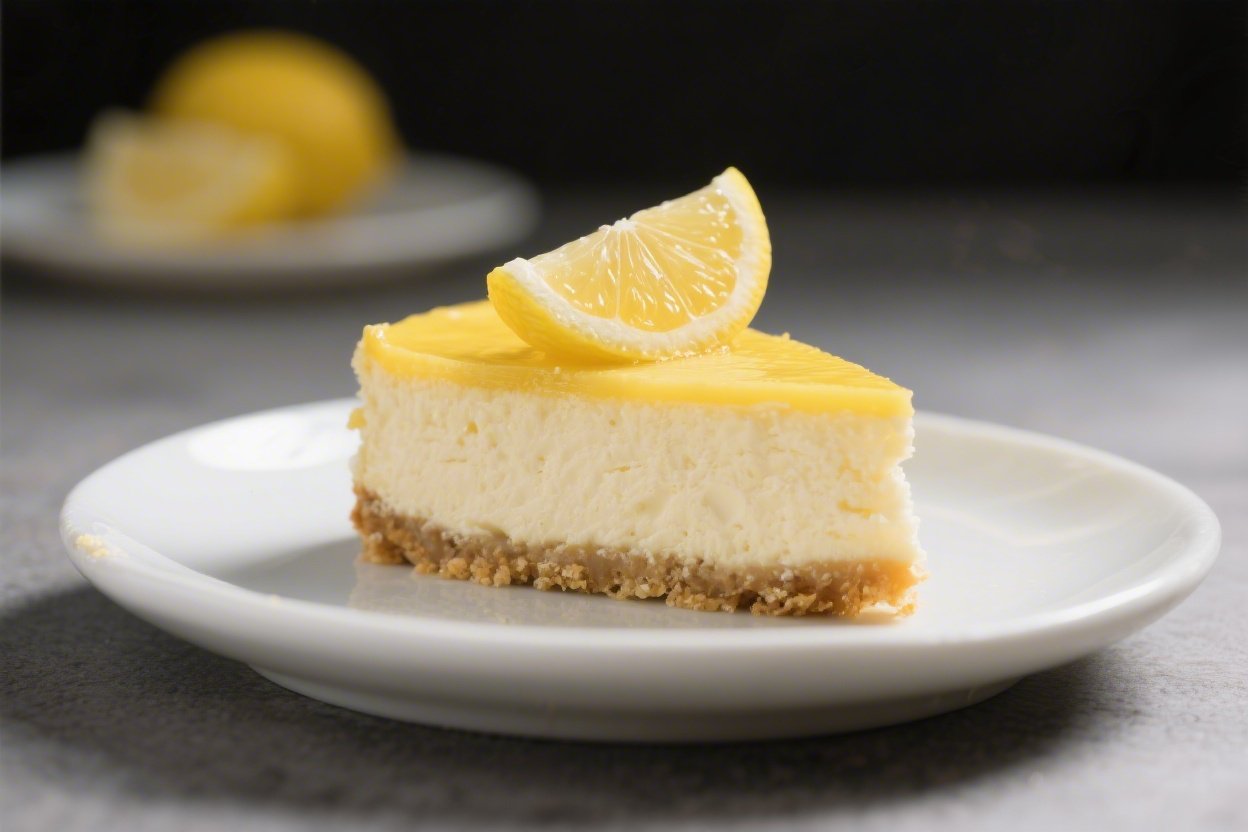
Low-Calorie Lemon Cheesecake – Bright, Creamy, and Lighter on Calories
This low-calorie lemon cheesecake brings all the tangy, creamy joy of classic cheesecake without weighing you down. It’s smooth, fresh, and has that sunny citrus pop that makes every bite feel light. The best part?
Never wonder what's for dinner again.
Get 7 healthy, family-friendly dinners complete with recipes, grocery lists, and simple meal plans delivered straight to your inbox.
You don’t need special skills or fancy tools to make it. Just simple ingredients, a few smart swaps, and a little patience while it chills. Whether you’re watching calories or just love lemon desserts, this one’s a keeper.
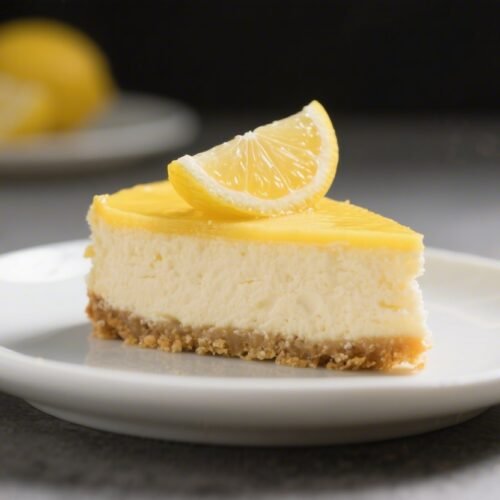
Low-Calorie Lemon Cheesecake - Bright, Creamy, and Lighter on Calories
Ingredients
- Crust: 1 cup light graham cracker crumbs (or digestive biscuit crumbs)
- 2 tablespoons melted light butter or coconut oil
- 1 tablespoon granulated sweetener (sugar, stevia blend, or monk fruit)
- Pinch of salt
- Filling: 12 ounces reduced-fat cream cheese (neufchâtel), softened
- 1 cup nonfat or 2% plain Greek yogurt
- 2 large eggs
- 1/2 cup granulated sweetener (sugar, erythritol, or monk fruit blend), to taste
- 1/3 cup fresh lemon juice (about 2–3 lemons)
- 2 teaspoons lemon zest (finely grated)
- 1 teaspoon vanilla extract
- 1 tablespoon cornstarch (or arrowroot)
- Pinch of salt
- Optional Toppings: Thin lemon slices or extra zest
- Fresh berries
- Light whipped topping or yogurt dollop
Instructions
- Prep the pan and oven: Heat the oven to 325°F (165°C). Line the bottom of an 8- or 9-inch springform pan with parchment, then lightly spray the sides. Tip: Wrap the outside with foil if your pan leaks.
- Make the crust: In a bowl, mix graham crumbs, melted light butter, sweetener, and a pinch of salt. Press firmly into the pan’s base with the bottom of a glass. Bake for 8–10 minutes until lightly golden. Cool while you make the filling.
- Soften your cream cheese: Make sure the cream cheese is truly soft. Cold cream cheese causes lumps. Let it sit at room temperature for 30–45 minutes.
- Whisk the wet base: In a large bowl, beat the softened cream cheese until smooth, 1–2 minutes. Add Greek yogurt and mix until silky.
- Add flavor and structure: Beat in sweetener, lemon zest, lemon juice, vanilla, cornstarch, and salt. Mix on low to avoid splashing and excess air. Taste and adjust sweetness or lemon to your preference.
- Finish with eggs: Add eggs one at a time, mixing on low just until combined. Do not overmix. Overmixing whips in air and can cause cracks.
- Pour and smooth: Pour the batter over the cooled crust. Tap the pan gently on the counter to release any trapped air bubbles. Smooth the top with a spatula.
- Bake gently: Place the pan on the center rack. For extra insurance against cracks, set a separate pan of hot water on the lower rack. Bake 35–45 minutes, until the edges are set and the center still jiggles slightly like gelatin.
- Cool slowly: Turn off the oven, crack the door, and let the cheesecake rest for 30 minutes. This gradual cooling helps prevent cracks.
- Chill completely: Move the cheesecake to a wire rack to cool to room temperature. Then cover and refrigerate at least 4 hours, preferably overnight. Proper chill time equals the best texture and flavor.
- Serve: Run a thin knife around the edge before releasing the springform. Slice with a warm, clean knife, wiping between cuts. Top with lemon zest, fresh berries, or a light dollop of yogurt if you like.
What Makes This Special
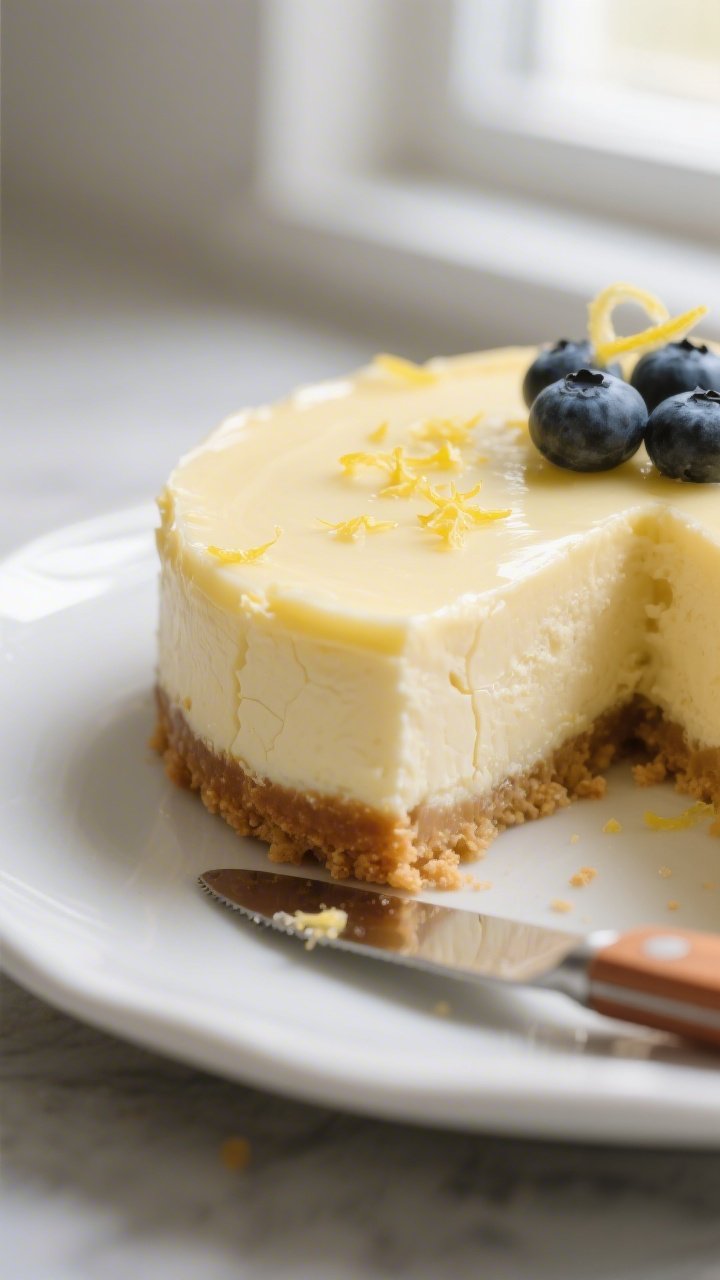
This cheesecake keeps the flavor big and the calories modest.
Instead of a heavy crust and full-fat filling, it uses a few simple tweaks that keep things creamy and satisfying. The combination of Greek yogurt, reduced-fat cream cheese, and a touch of lemon zest gives it a bold taste and silky texture. You get the best of both worlds: bright lemon flavor and fewer calories per slice. It’s also easy to prepare ahead, so it’s perfect for gatherings or weekly meal prep.
Shopping List
- Crust:
- 1 cup light graham cracker crumbs (or digestive biscuit crumbs)
- 2 tablespoons melted light butter or coconut oil
- 1 tablespoon granulated sweetener (sugar, stevia blend, or monk fruit)
- Pinch of salt
- Filling:
- 12 ounces reduced-fat cream cheese (neufchâtel), softened
- 1 cup nonfat or 2% plain Greek yogurt
- 2 large eggs
- 1/2 cup granulated sweetener (sugar, erythritol, or monk fruit blend), to taste
- 1/3 cup fresh lemon juice (about 2–3 lemons)
- 2 teaspoons lemon zest (finely grated)
- 1 teaspoon vanilla extract
- 1 tablespoon cornstarch (or arrowroot)
- Pinch of salt
- Optional Toppings:
- Thin lemon slices or extra zest
- Fresh berries
- Light whipped topping or yogurt dollop
Step-by-Step Instructions
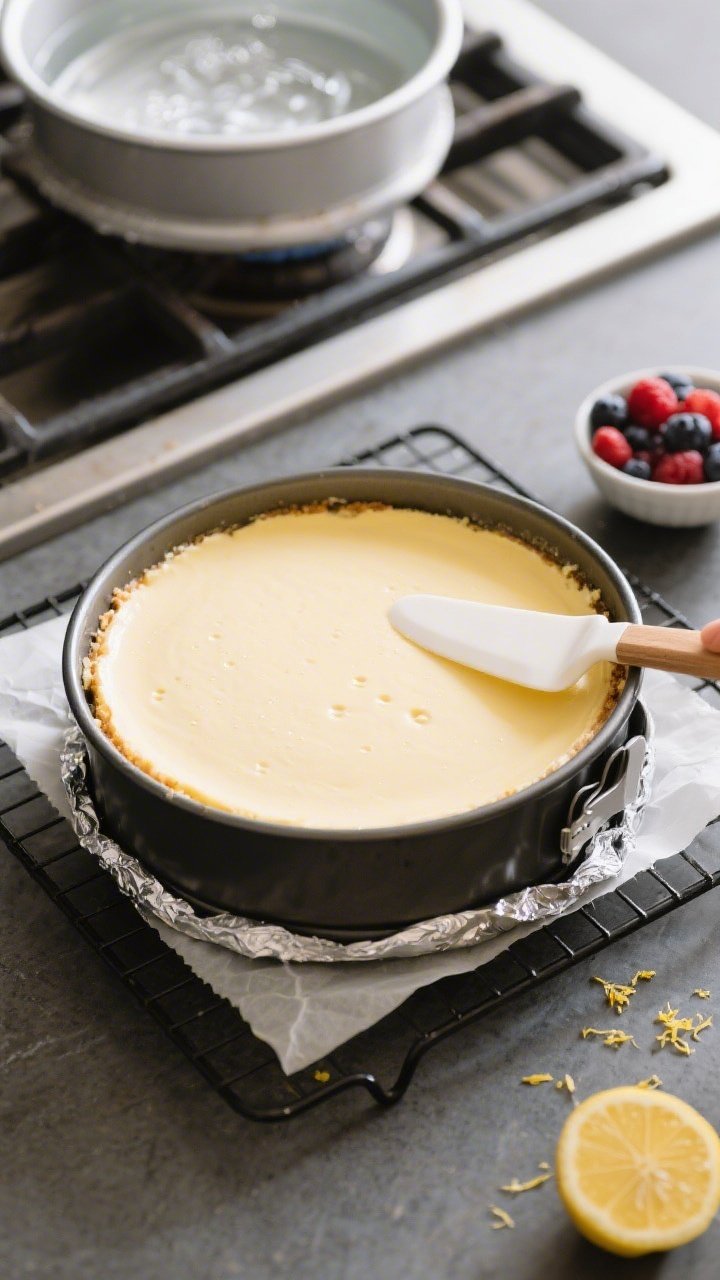
- Prep the pan and oven: Heat the oven to 325°F (165°C). Line the bottom of an 8- or 9-inch springform pan with parchment, then lightly spray the sides. Tip: Wrap the outside with foil if your pan leaks.
- Make the crust: In a bowl, mix graham crumbs, melted light butter, sweetener, and a pinch of salt.
Press firmly into the pan’s base with the bottom of a glass. Bake for 8–10 minutes until lightly golden. Cool while you make the filling.
- Soften your cream cheese: Make sure the cream cheese is truly soft. Cold cream cheese causes lumps.
Let it sit at room temperature for 30–45 minutes.
- Whisk the wet base: In a large bowl, beat the softened cream cheese until smooth, 1–2 minutes. Add Greek yogurt and mix until silky.
- Add flavor and structure: Beat in sweetener, lemon zest, lemon juice, vanilla, cornstarch, and salt. Mix on low to avoid splashing and excess air.
Taste and adjust sweetness or lemon to your preference.
- Finish with eggs: Add eggs one at a time, mixing on low just until combined. Do not overmix. Overmixing whips in air and can cause cracks.
- Pour and smooth: Pour the batter over the cooled crust. Tap the pan gently on the counter to release any trapped air bubbles.
Smooth the top with a spatula.
- Bake gently: Place the pan on the center rack. For extra insurance against cracks, set a separate pan of hot water on the lower rack. Bake 35–45 minutes, until the edges are set and the center still jiggles slightly like gelatin.
- Cool slowly: Turn off the oven, crack the door, and let the cheesecake rest for 30 minutes.
This gradual cooling helps prevent cracks.
- Chill completely: Move the cheesecake to a wire rack to cool to room temperature. Then cover and refrigerate at least 4 hours, preferably overnight. Proper chill time equals the best texture and flavor.
- Serve: Run a thin knife around the edge before releasing the springform. Slice with a warm, clean knife, wiping between cuts.
Top with lemon zest, fresh berries, or a light dollop of yogurt if you like.
Keeping It Fresh
Store leftovers covered in the fridge for up to 5 days. Keep it in the springform base or a sealed container to prevent drying out and fridge odors. For longer storage, freeze slices on a tray until firm, then wrap individually. Thaw in the fridge for best texture.
Avoid microwaving to defrost—it can make the filling weep and the crust soggy.
Health Benefits
This version trims calories without losing satisfaction. Reduced-fat cream cheese and Greek yogurt cut saturated fat while keeping the filling creamy and protein-rich. Lemon adds bright flavor without added calories, and its zest provides aromatic oils that boost taste naturally. Choosing a lighter sweetener lets you control sugar levels without compromising sweetness.
Compared to traditional cheesecake, you’ll likely get fewer calories per slice and more protein.
That means it can fit into balanced eating patterns more easily. Pair it with berries for extra fiber and antioxidants, and you’ve got a dessert that feels indulgent but still aligns with mindful eating goals.
Common Mistakes to Avoid
- Using cold cream cheese: This leads to a lumpy batter and uneven texture.
- Overmixing the eggs: Whipping in too much air encourages cracks and a spongy texture.
- Baking until fully firm: Cheesecake should jiggle in the center when done; it sets as it chills.
- Skipping the cool-down: Rapid temperature changes cause cracks. Slow cooling is key.
- Over-sweetening: Sweeteners vary in strength.
Start conservative, taste, and adjust.
- Too much lemon juice without binder: Acid can loosen the filling. Cornstarch or arrowroot keeps it stable.
Variations You Can Try
Need More Easy Dinner Ideas?
Get my FREE 7-Day Easy Dinner Reset and enjoy a full week of healthy dinners without the meal-planning stress.
- Lemon-Blueberry Swirl: Drop spoonfuls of low-sugar blueberry jam on top before baking. Swirl gently with a knife.
- Almond-Lemon Crust: Swap half the graham crumbs for finely ground almonds.
It adds nuttiness and a bit of protein.
- No-Bake Shortcut: Use the same crust but chill instead of bake. For the filling, skip eggs and cornstarch, and add 1 teaspoon gelatin bloomed in 2 tablespoons hot water. Chill 6–8 hours.
- Meyer Lemon: Use Meyer lemons for a sweeter, floral twist.
Reduce sweetener slightly to balance.
- High-Protein Boost: Stir in 1–2 scoops unflavored or vanilla whey isolate and reduce sweetener if your protein powder is sweetened.
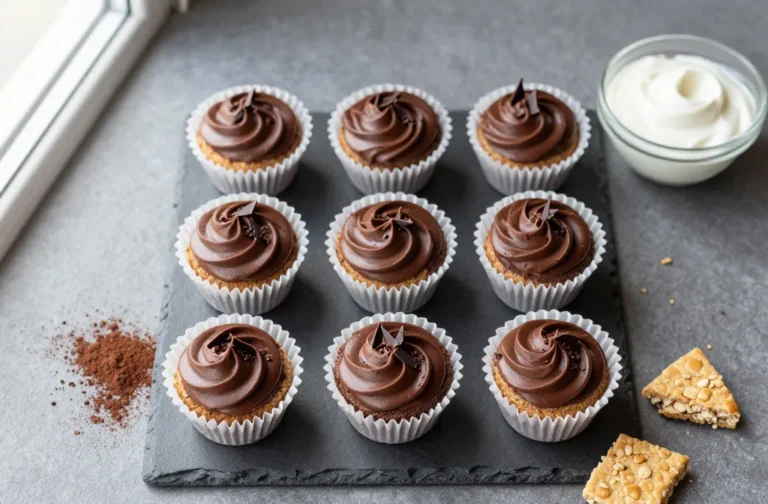
- Mini Cheesecakes: Divide crust and filling among a 12-cup muffin tin lined with papers. Bake 15–18 minutes. Great for portion control.
FAQ
Can I make this without a springform pan?
Yes.
Use an 8×8-inch square pan lined with parchment and leave overhang to lift out. Bake times may vary slightly, so check for the same jiggle in the center.
What sweetener works best?
Granulated monk fruit-erythritol blends work well because they mimic sugar’s texture. Regular sugar also works; just note calories will be slightly higher.
Start with the listed amount and adjust to taste.
Why did my cheesecake crack?
Common causes are overmixing, overbaking, or rapid cooling. Keep mixing gentle, bake until just set with a soft jiggle, and let it cool down gradually in the oven with the door cracked.
Can I use fat-free cream cheese?
You can, but the texture may turn rubbery and less creamy. Reduced-fat (neufchâtel) strikes a better balance of creaminess and lighter calories.
How do I get the lemon flavor strong without making it sour?
Lean on zest as much as juice.
Zest carries oils that deliver bright lemon flavor without extra acidity. Balance with vanilla and sweetener for a rounded taste.
Is a water bath required?
No, but it helps. A pan of hot water on a lower rack adds humidity and reduces cracking risk.
If you prefer, you can bake without it and just be careful not to overbake.
Can I make it ahead?
Absolutely. This cheesecake is best after chilling overnight. You can make it 1–2 days ahead and keep it covered in the fridge until serving.
How many calories per slice?
It varies based on sweetener and toppings.
A typical slice from this recipe using reduced-fat cream cheese, Greek yogurt, and a monk fruit blend lands around 200–250 calories. For accuracy, plug your exact ingredients into a nutrition calculator.
Wrapping Up
This low-calorie lemon cheesecake keeps the craveable creaminess and citrus zing that cheesecake lovers want, with smart swaps that trim the calories. It’s simple to make, easy to customize, and reliable enough for guests or weekday treats. Chill it well, slice it clean, and enjoy that bright lemon lift in every bite.
If you try a variation—like blueberry swirl or mini cups—you might just find your new go-to dessert.
Printable Recipe Card
Want just the essential recipe details without scrolling through the article? Get our printable recipe card with just the ingredients and instructions.
Loved This Recipe?
If you're looking for more simple, healthy dinners your family will actually eat, grab my FREE 7-Day Easy Dinner Reset. You'll get 7 easy dinner recipes, simple grocery lists, and a done-for-you plan that takes the stress out of mealtime.