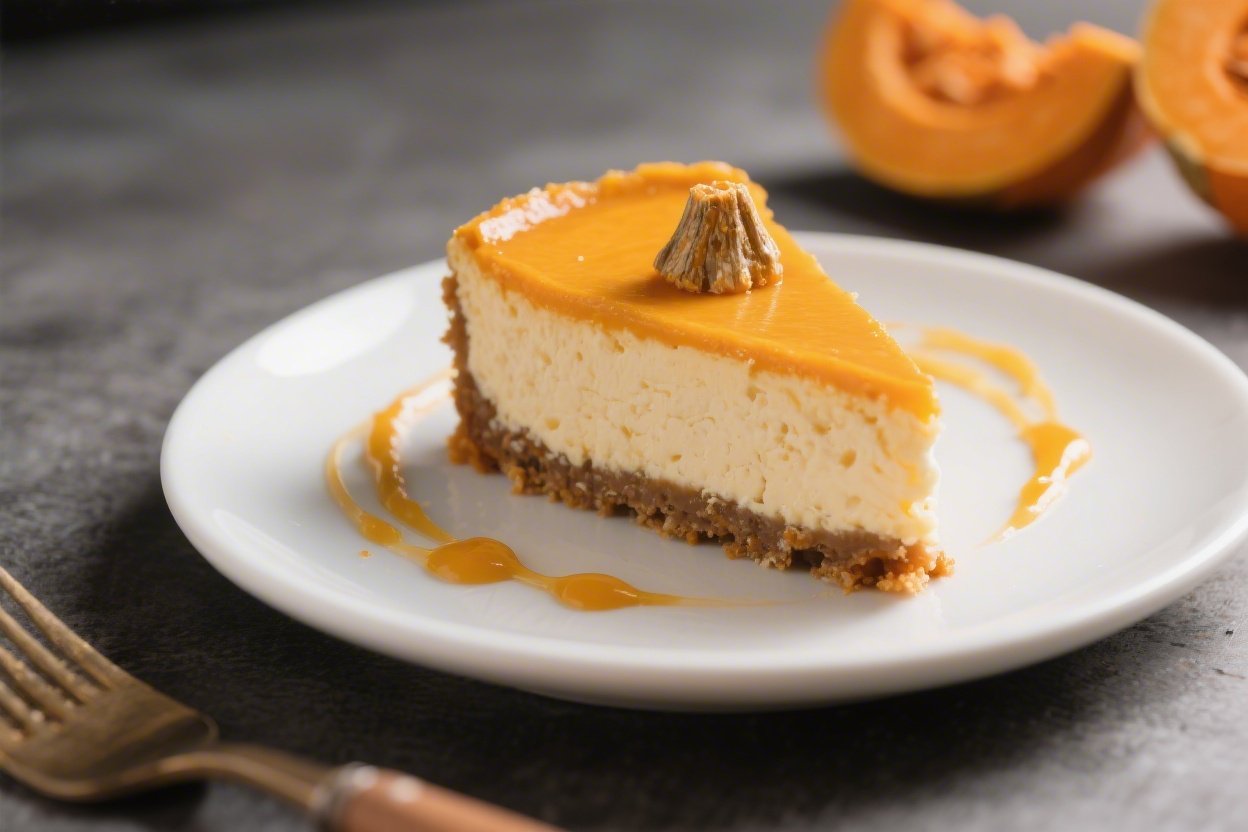
Low-Calorie Pumpkin Cheesecake – Light, Creamy, and Comforting
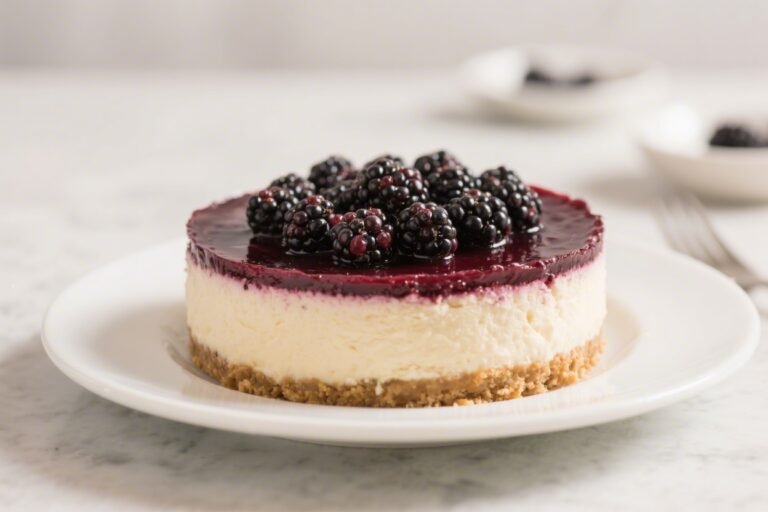
This Low-Calorie Pumpkin Cheesecake brings all the cozy fall flavors without the heavy sugar and calories. It’s creamy, lightly spiced, and pleasantly sweet with a silky texture that feels just like the classic. You’ll still get that beautiful pumpkin warmth and a gentle tang from the cheesecake base, only lighter.
Never wonder what's for dinner again.
Get 7 healthy, family-friendly dinners complete with recipes, grocery lists, and simple meal plans delivered straight to your inbox.
The best part: it’s simple, reliable, and holds up beautifully in the fridge. Make it for a holiday table or a quiet weekend treat—either way, it delivers.
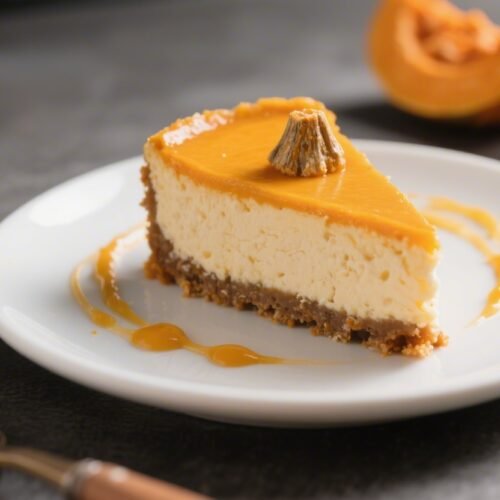
Low-Calorie Pumpkin Cheesecake - Light, Creamy, and Comforting
Ingredients
- For the crust: 1 cup graham cracker crumbs (or digestive biscuit crumbs)
- 2 tablespoons light brown sugar (or granulated zero-calorie sweetener, 1:1)
- 2 tablespoons melted light butter or coconut oil
- Pinch of salt
- For the filling: 12 ounces reduced-fat (Neufchâtel) cream cheese, softened
- 1 cup plain nonfat Greek yogurt
- 3/4 cup canned pumpkin puree (not pumpkin pie filling)
- 1/2 cup granulated sugar or a 1:1 zero-calorie sweetener
- 2 large eggs
- 1 teaspoon pure vanilla extract
- 1 teaspoon ground cinnamon
- 1/2 teaspoon ground ginger
- 1/4 teaspoon ground nutmeg
- 1/8 teaspoon ground cloves (optional)
- 1/4 teaspoon fine salt
- Optional toppings: Light whipped topping or a dollop of Greek yogurt
- Extra cinnamon or pumpkin pie spice
- Crushed pecans or graham crumbs for garnish
- Equipment: 8- or 9-inch springform pan
- Mixing bowls and hand mixer (or stand mixer)
- Rubber spatula
- Cooling rack
Instructions
- Prep the pan and oven: Heat oven to 325°F (163°C). Lightly coat a springform pan with cooking spray. For easy release, line the bottom with parchment.
- Make the crust: Stir graham crumbs, brown sugar, melted light butter, and a pinch of salt until the texture feels like damp sand. Press firmly into the bottom of the pan with the bottom of a measuring cup.
- Prebake the crust: Bake for 8–10 minutes until set and lightly fragrant. Cool for 5 minutes while you mix the filling.
- Beat the cream cheese: In a large bowl, beat softened cream cheese on medium speed until smooth and no lumps remain, about 1–2 minutes. Scrape the bowl.
- Add yogurt and sweetener: Mix in Greek yogurt and sugar (or sweetener) until silky. Avoid overbeating to keep air out of the batter.
- Add pumpkin and flavorings: Beat in pumpkin puree, vanilla, spices, and salt until fully combined. The batter should be uniform in color.
- Incorporate eggs: Add eggs one at a time on low speed, mixing just until blended. Do not whip.
- Fill the pan: Pour the batter over the crust and smooth the top with a spatula. Tap the pan lightly on the counter to release air bubbles.
- Bake low and slow: Bake at 325°F (163°C) for 40–50 minutes. The edges should be set, and the center should wobble slightly like gelatin.
- Cool gradually: Turn off the oven, crack the door, and let the cheesecake rest inside for 30 minutes. This helps prevent cracks.
- Chill to set: Move to a cooling rack until room temperature, then cover and chill for at least 6 hours, preferably overnight.
- Serve: Run a thin knife around the edge, release the springform, and slice with a warm, clean knife. Add a light dollop of whipped topping and a sprinkle of cinnamon if you like.
What Makes This Recipe So Good
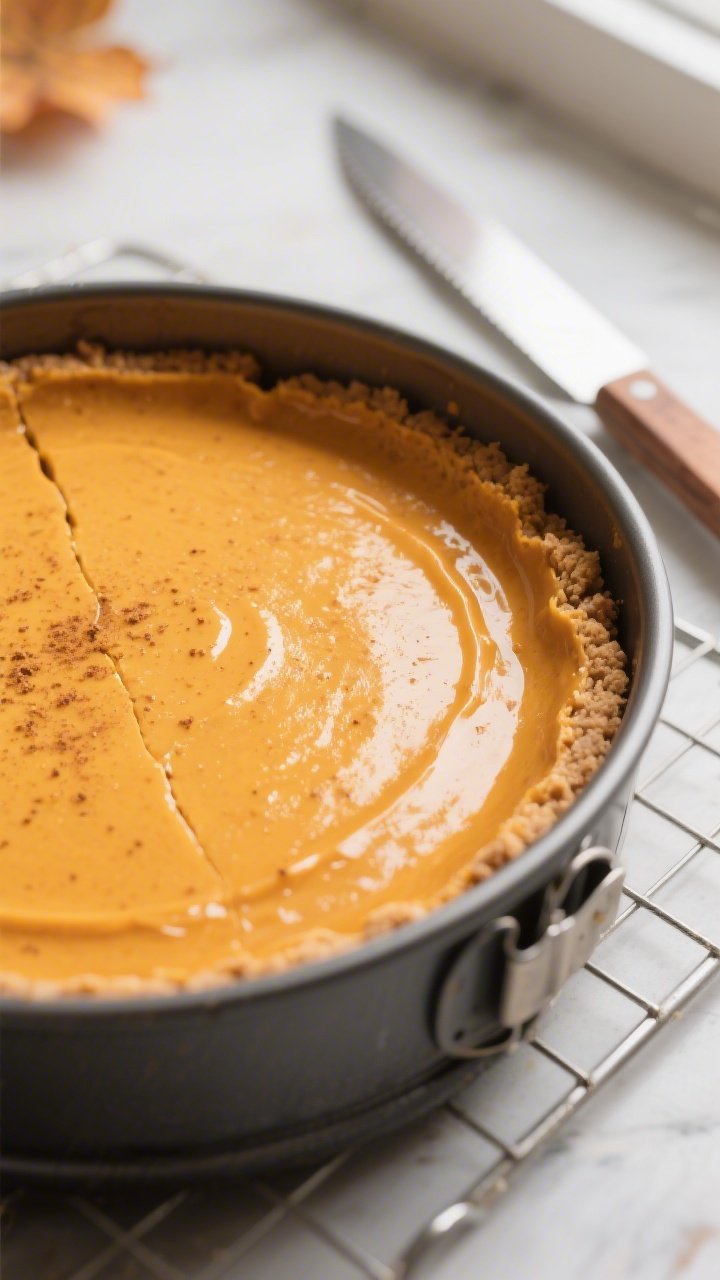
- Lighter but still indulgent: Greek yogurt and reduced-fat cream cheese create a creamy texture without the calorie overload.
- Balanced sweetness: A moderate amount of sugar (or a 1:1 zero-calorie sweetener) keeps the flavors clean and not cloying.
- No water bath needed: A low, steady bake helps prevent cracks and keeps the process easy.
- Fast prep, slow bake: You can get it into the oven in about 20 minutes. The rest is just waiting for it to set.
- Great make-ahead dessert: It tastes even better the next day, making it perfect for gatherings.
What You’ll Need
- For the crust:
- 1 cup graham cracker crumbs (or digestive biscuit crumbs)
- 2 tablespoons light brown sugar (or granulated zero-calorie sweetener, 1:1)
- 2 tablespoons melted light butter or coconut oil
- Pinch of salt
- For the filling:
- 12 ounces reduced-fat (Neufchâtel) cream cheese, softened
- 1 cup plain nonfat Greek yogurt
- 3/4 cup canned pumpkin puree (not pumpkin pie filling)
- 1/2 cup granulated sugar or a 1:1 zero-calorie sweetener
- 2 large eggs
- 1 teaspoon pure vanilla extract
- 1 teaspoon ground cinnamon
- 1/2 teaspoon ground ginger
- 1/4 teaspoon ground nutmeg
- 1/8 teaspoon ground cloves (optional)
- 1/4 teaspoon fine salt
- Optional toppings:
- Light whipped topping or a dollop of Greek yogurt
- Extra cinnamon or pumpkin pie spice
- Crushed pecans or graham crumbs for garnish
- Equipment:
- 8- or 9-inch springform pan
- Mixing bowls and hand mixer (or stand mixer)
- Rubber spatula
- Cooling rack
Instructions
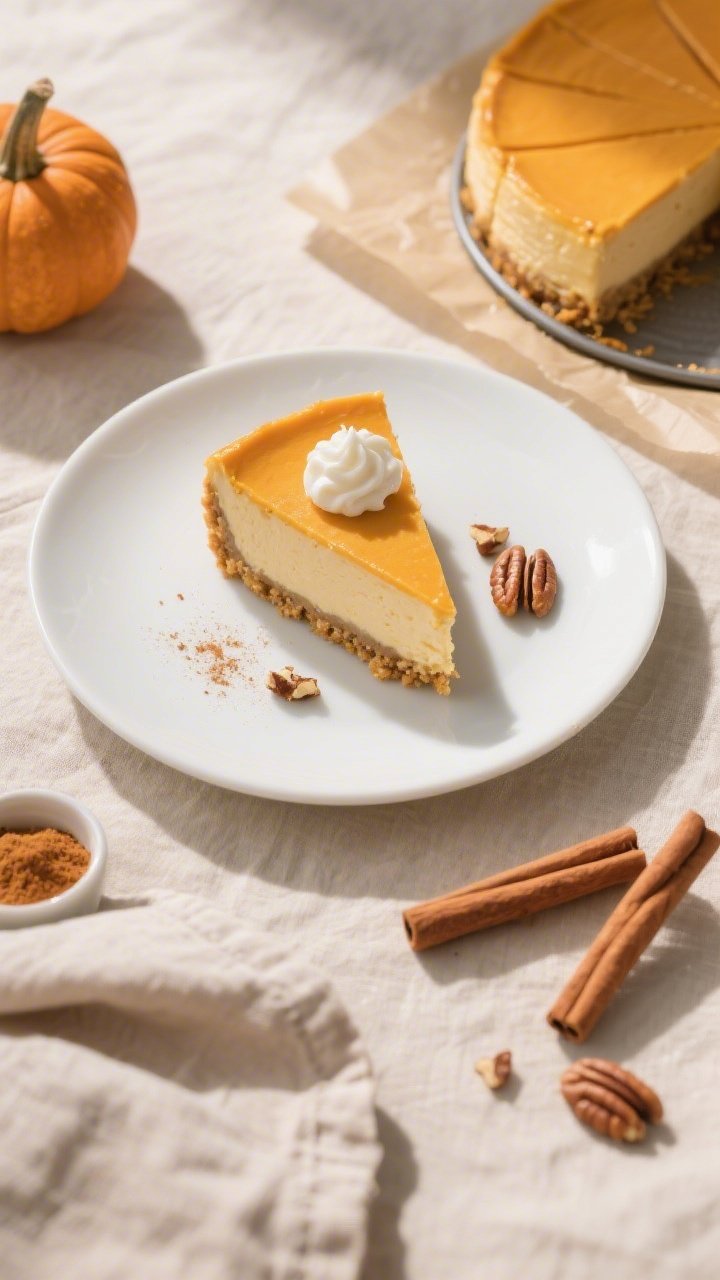
- Prep the pan and oven: Heat oven to 325°F (163°C).
Lightly coat a springform pan with cooking spray. For easy release, line the bottom with parchment.
- Make the crust: Stir graham crumbs, brown sugar, melted light butter, and a pinch of salt until the texture feels like damp sand. Press firmly into the bottom of the pan with the bottom of a measuring cup.
- Prebake the crust: Bake for 8–10 minutes until set and lightly fragrant.
Cool for 5 minutes while you mix the filling.
- Beat the cream cheese: In a large bowl, beat softened cream cheese on medium speed until smooth and no lumps remain, about 1–2 minutes. Scrape the bowl.
- Add yogurt and sweetener: Mix in Greek yogurt and sugar (or sweetener) until silky. Avoid overbeating to keep air out of the batter.
- Add pumpkin and flavorings: Beat in pumpkin puree, vanilla, spices, and salt until fully combined.
The batter should be uniform in color.
- Incorporate eggs: Add eggs one at a time on low speed, mixing just until blended. Do not whip.
- Fill the pan: Pour the batter over the crust and smooth the top with a spatula. Tap the pan lightly on the counter to release air bubbles.
- Bake low and slow: Bake at 325°F (163°C) for 40–50 minutes.
The edges should be set, and the center should wobble slightly like gelatin.
- Cool gradually: Turn off the oven, crack the door, and let the cheesecake rest inside for 30 minutes. This helps prevent cracks.
- Chill to set: Move to a cooling rack until room temperature, then cover and chill for at least 6 hours, preferably overnight.
- Serve: Run a thin knife around the edge, release the springform, and slice with a warm, clean knife. Add a light dollop of whipped topping and a sprinkle of cinnamon if you like.
Keeping It Fresh
Refrigerate the cheesecake tightly covered for up to 5 days.
It actually improves in texture on day two. If you’re serving slices over time, store them in an airtight container to prevent fridge odors from sneaking in.
Freeze for longer storage: Chill fully, then freeze whole or as slices. Wrap in plastic, then foil, or use a freezer-safe container.
Thaw overnight in the fridge. Avoid thawing at room temperature to keep the texture smooth and safe.
Why This is Good for You
- Lower in calories and fat: Reduced-fat cream cheese and nonfat Greek yogurt cut back on saturated fat while keeping that creamy mouthfeel.
- Protein boost: Greek yogurt adds extra protein, which helps with satiety.
- Pumpkin power: Pumpkin puree brings fiber, vitamin A, and antioxidants, all for minimal calories.
- Controlled sugar: Moderate sugar—or a zero-calorie sweetener—keeps it lighter without losing flavor.
What Not to Do
- Don’t use pumpkin pie filling: It’s pre-sweetened and spiced, which throws off the flavor and the calorie count.
- Don’t overbeat the batter: Too much air leads to cracks and a spongy texture.
- Don’t rush the chill: Slicing before it sets will give you messy slices and a soft center.
- Don’t bake at high heat: A hotter oven can curdle the filling or cause deep cracks.
- Don’t skip scraping the bowl: Unmixed bits of cream cheese lead to lumps.
Recipe Variations
Need More Easy Dinner Ideas?
Get my FREE 7-Day Easy Dinner Reset and enjoy a full week of healthy dinners without the meal-planning stress.
- Almond-crust twist: Swap the graham crumbs for 1 cup finely ground almond flour. Mix with 1–2 tablespoons sweetener and 2 tablespoons melted butter.
It’s a lower-carb option with a nutty flavor.
- Maple note: Use 2–3 tablespoons pure maple syrup plus 1/3 cup granulated sweetener to replace the 1/2 cup sugar. You’ll get a warm maple aroma with minimal extra calories.
- Spice it up: Replace individual spices with 1 1/2 teaspoons pumpkin pie spice. Add a pinch of black pepper for subtle depth.
- Mini cheesecakes: Line a muffin tin with 12 liners.
Divide crust and filling, then bake 18–22 minutes. Great for portion control and faster chilling.
- Dairy-lighter option: Use 8 ounces reduced-fat cream cheese plus 1/2 cup low-fat cottage cheese blended smooth. It stays creamy and reduces calories further.
FAQ
How do I know when the cheesecake is done?
Look for set edges and a center that still jiggles slightly when you nudge the pan.
If the whole surface is firm, it’s likely overbaked. It will finish setting as it cools and chills.
Can I use fat-free cream cheese?
You can, but the texture may be more rubbery and less creamy. Reduced-fat (Neufchâtel) is a better balance of lightness and texture.
If you try fat-free, keep the Greek yogurt for body and monitor the bake time closely.
What sweetener works best?
A 1:1 granulated sweetener designed for baking (like erythritol blends) works well. Avoid liquid sweeteners for the filling, as they can change the texture. For the crust, granulated is best for structure.
Why did my cheesecake crack?
Common reasons are overmixing, overbaking, or cooling too fast.
Mix on low, bake until just set, and let it rest in a turned-off oven with the door cracked before chilling. A light garnish or yogurt topping can also cover small cracks.
Can I make it gluten-free?
Yes. Use gluten-free graham crackers or almond flour for the crust.
Everything else in the filling is naturally gluten-free—just check labels on spices and vanilla to be safe.
How can I cut clean slices?
Chill overnight, then use a sharp knife dipped in hot water and wiped clean between cuts. Gentle pressure and a straight-down motion help keep edges neat.
Can I reduce the sugar even more?
Yes. Use a full 1:1 zero-calorie sweetener.
Taste the batter before adding eggs and adjust spices or sweetener as needed.
What size pan should I use?
An 8- or 9-inch springform works best. If using 9 inches, expect a slightly shorter cheesecake and a shorter bake time by a few minutes.
Final Thoughts
This Low-Calorie Pumpkin Cheesecake proves you don’t need a heavy dessert to feel festive. It’s creamy, warmly spiced, and easy to make ahead.
Keep the steps simple, don’t rush the chill, and you’ll get a smooth slice every time. Whether you’re hosting or treating yourself, this lighter take hits that pumpkin-spice sweet spot without weighing you down.
Printable Recipe Card
Want just the essential recipe details without scrolling through the article? Get our printable recipe card with just the ingredients and instructions.
Loved This Recipe?
If you're looking for more simple, healthy dinners your family will actually eat, grab my FREE 7-Day Easy Dinner Reset. You'll get 7 easy dinner recipes, simple grocery lists, and a done-for-you plan that takes the stress out of mealtime.