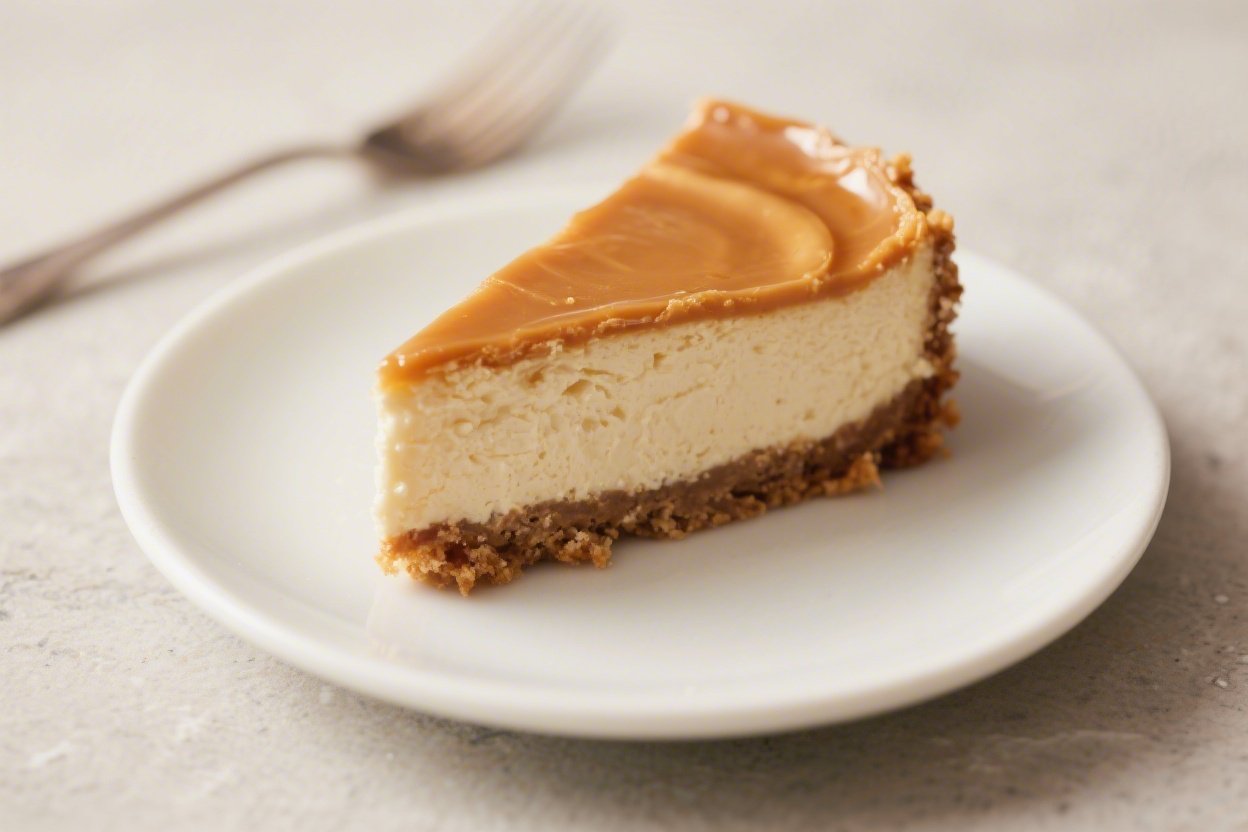
Low-Calorie Caramel Cheesecake – Light, Creamy, and Satisfying
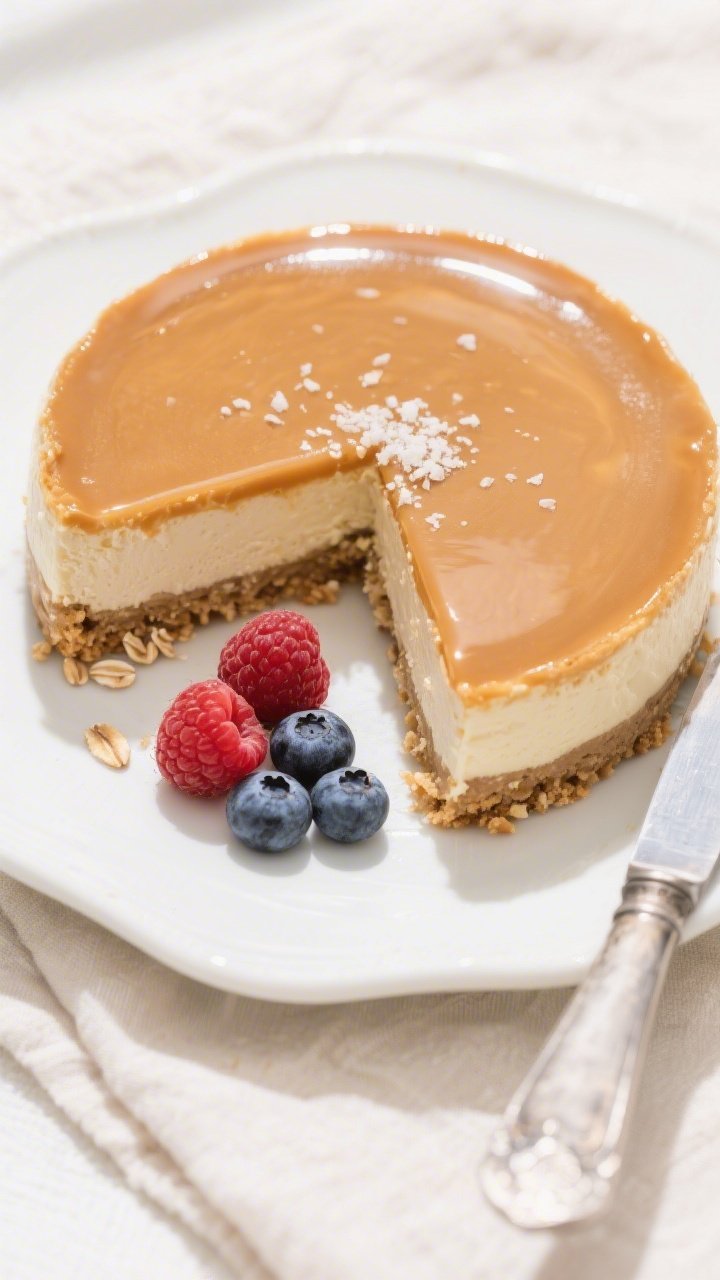
This Low-Calorie Caramel Cheesecake gives you all the silky, tangy richness of classic cheesecake with a lighter twist. It’s creamy, subtly sweet, and topped with a glossy caramel that doesn’t weigh you down. You’ll use simple ingredients, smart swaps, and easy techniques that keep the texture lush without the excess calories.
Never wonder what's for dinner again.
Get 7 healthy, family-friendly dinners complete with recipes, grocery lists, and simple meal plans delivered straight to your inbox.
Whether you’re watching your intake or just want a dessert that feels a little lighter, this one fits right in. It’s great for celebrations, date nights at home, or those evenings when you want a slice of something special.
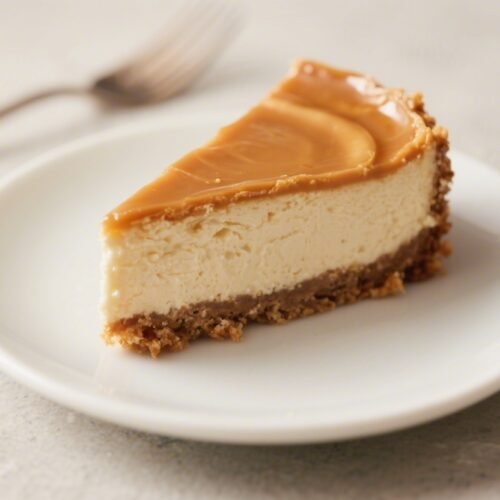
Low-Calorie Caramel Cheesecake - Light, Creamy, and Satisfying
Ingredients
- For the crust: 1 cup quick oats
- 1/3 cup finely ground almonds (almond meal)
- 2 tablespoons light brown sugar (or coconut sugar)
- 2 tablespoons melted light butter or coconut oil
- 1–2 tablespoons water, as needed
- Pinch of salt
- For the filling: 16 ounces light cream cheese (neufchâtel), softened
- 1 cup nonfat or 2% plain Greek yogurt
- 2 large eggs
- 1/2 cup granulated sugar (or a 1:1 baking sweetener)
- 2 teaspoons pure vanilla extract
- 1 tablespoon cornstarch
- 1/4 teaspoon fine sea salt
- 1 tablespoon lemon juice (optional, for brightness)
- For the light caramel topping: 1/3 cup granulated sugar
- 2 tablespoons water
- 1/3 cup warm low-fat milk (or unsweetened almond milk)
- 1 teaspoon vanilla extract
- 1/8–1/4 teaspoon fine sea salt, to taste
- To finish: Optional: a small pinch of flaky salt for garnish
- Fresh berries for serving
- Nonstick spray for the pan
- Equipment: 8- or 9-inch springform pan
- Large roasting pan (for water bath) and foil
- Mixing bowls, whisk, and hand mixer (or stand mixer)
- Small saucepan for caramel
Instructions
- Prep the pan. Heat oven to 325°F (160°C). Lightly spray a springform pan. Wrap the outside with two layers of foil to prevent leaks in the water bath.
- Make the crust. Stir oats, almond meal, brown sugar, salt, and melted butter. Add water 1 tablespoon at a time until the mixture holds together when pressed. Press into the bottom of the pan in an even layer. Bake 8–10 minutes until lightly golden. Cool 5 minutes.
- Mix the filling base. Beat softened light cream cheese on medium speed until smooth, about 1 minute. Add sugar and beat until creamy, scraping the bowl. Mix in Greek yogurt, vanilla, salt, and lemon juice.
- Thicken gently. Sprinkle in cornstarch and mix on low until just combined. Add eggs one at a time, mixing on low after each until incorporated. Do not overbeat.
- Fill and set up the water bath. Pour batter over the crust. Place the springform pan in a roasting pan and pour hot water around it to reach halfway up the sides.
- Bake low and slow. Bake 45–60 minutes, until edges are set and the center still has a slight wobble. Avoid opening the oven often.
- Cool gradually. Turn off the oven, crack the door, and let the cheesecake rest inside for 30 minutes. Remove from the water bath, unwrap foil, and cool to room temperature. Chill at least 4 hours, preferably overnight.
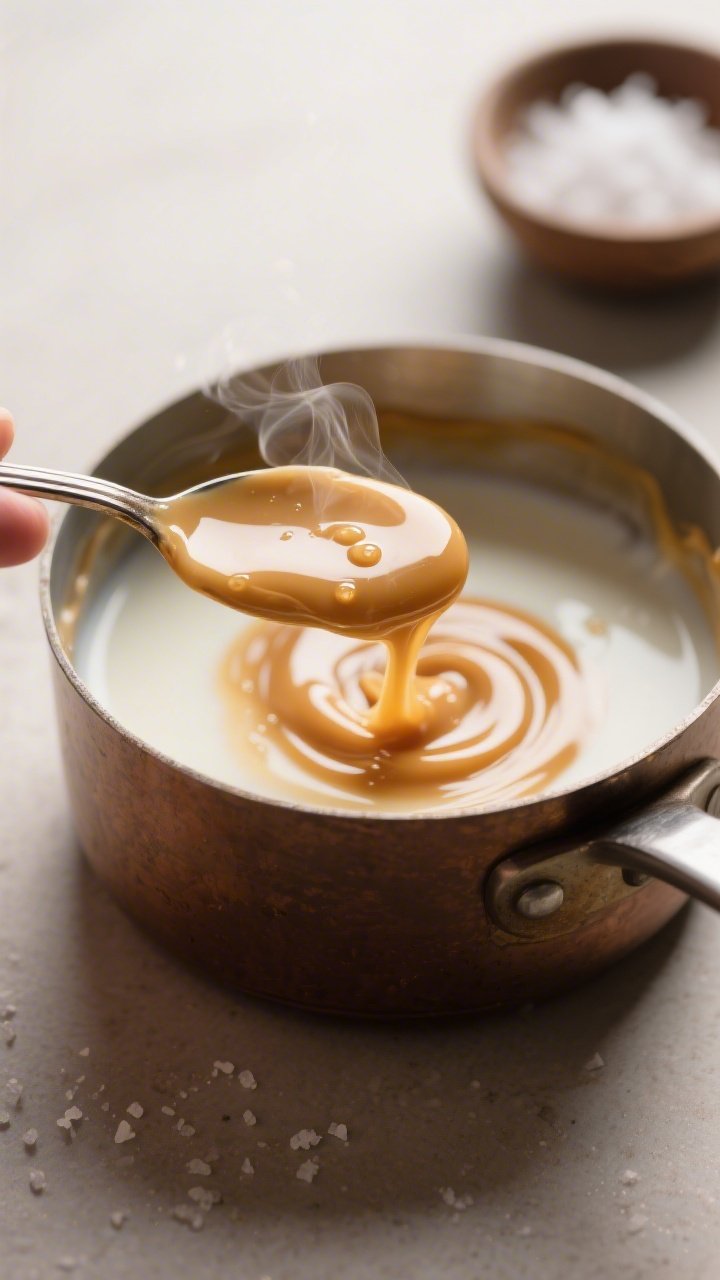
- Make the light caramel. Add sugar and water to a small saucepan. Cook over medium without stirring until the syrup turns a light amber, 5–8 minutes. Remove from heat, carefully whisk in warm milk (it will bubble), then stir in vanilla and salt. Cool to room temperature; it will thicken slightly.
- Top and slice. Spread a thin layer of caramel over the chilled cheesecake. Add a pinch of flaky salt if you like. Slice with a warm, clean knife for neat edges.
Why This Recipe Works
This recipe leans on light cream cheese and Greek yogurt for body and tang, so you don’t miss the creamy texture. A thinner oatmeal-almond crust keeps flavor and crunch while cutting back on butter and sugar.
The caramel is made with a small amount of sugar and a splash of milk, then finished with a touch of vanilla and salt, so you still get that classic caramel taste without a heavy sauce. Baking low and slow, then cooling gently, keeps the cheesecake smooth and prevents cracks. The balance of ingredients and method gives you a cheesecake that tastes indulgent but stays light.
What You’ll Need
- For the crust:
- 1 cup quick oats
- 1/3 cup finely ground almonds (almond meal)
- 2 tablespoons light brown sugar (or coconut sugar)
- 2 tablespoons melted light butter or coconut oil
- 1–2 tablespoons water, as needed
- Pinch of salt
- For the filling:
- 16 ounces light cream cheese (neufchâtel), softened
- 1 cup nonfat or 2% plain Greek yogurt
- 2 large eggs
- 1/2 cup granulated sugar (or a 1:1 baking sweetener)
- 2 teaspoons pure vanilla extract
- 1 tablespoon cornstarch
- 1/4 teaspoon fine sea salt
- 1 tablespoon lemon juice (optional, for brightness)
- For the light caramel topping:
- 1/3 cup granulated sugar
- 2 tablespoons water
- 1/3 cup warm low-fat milk (or unsweetened almond milk)
- 1 teaspoon vanilla extract
- 1/8–1/4 teaspoon fine sea salt, to taste
- To finish:
- Optional: a small pinch of flaky salt for garnish
- Fresh berries for serving
- Nonstick spray for the pan
- Equipment:
- 8- or 9-inch springform pan
- Large roasting pan (for water bath) and foil
- Mixing bowls, whisk, and hand mixer (or stand mixer)
- Small saucepan for caramel
Instructions
- Prep the pan. Heat oven to 325°F (160°C).
Lightly spray a springform pan. Wrap the outside with two layers of foil to prevent leaks in the water bath.
- Make the crust. Stir oats, almond meal, brown sugar, salt, and melted butter. Add water 1 tablespoon at a time until the mixture holds together when pressed.
Press into the bottom of the pan in an even layer. Bake 8–10 minutes until lightly golden. Cool 5 minutes.
- Mix the filling base. Beat softened light cream cheese on medium speed until smooth, about 1 minute.
Add sugar and beat until creamy, scraping the bowl. Mix in Greek yogurt, vanilla, salt, and lemon juice.
- Thicken gently. Sprinkle in cornstarch and mix on low until just combined. Add eggs one at a time, mixing on low after each until incorporated.
Do not overbeat.
- Fill and set up the water bath. Pour batter over the crust. Place the springform pan in a roasting pan and pour hot water around it to reach halfway up the sides.
- Bake low and slow. Bake 45–60 minutes, until edges are set and the center still has a slight wobble. Avoid opening the oven often.
- Cool gradually. Turn off the oven, crack the door, and let the cheesecake rest inside for 30 minutes.
Remove from the water bath, unwrap foil, and cool to room temperature. Chill at least 4 hours, preferably overnight.
- Make the light caramel. Add sugar and water to a small saucepan. Cook over medium without stirring until the syrup turns a light amber, 5–8 minutes.
Remove from heat, carefully whisk in warm milk (it will bubble), then stir in vanilla and salt. Cool to room temperature; it will thicken slightly.
- Top and slice. Spread a thin layer of caramel over the chilled cheesecake. Add a pinch of flaky salt if you like.
Slice with a warm, clean knife for neat edges.
How to Store
- Refrigerate: Cover and refrigerate for up to 5 days. Keep the caramel layer thin to avoid weeping.
- Freeze: Freeze slices without caramel, tightly wrapped, for up to 2 months. Thaw overnight in the fridge and add caramel just before serving.
- Transport: Chill well before moving.
Keep the pan base under it or use a flat board to prevent cracking.
Why This is Good for You
This version trims calories by swapping heavy cream and full-fat cream cheese for light cream cheese and Greek yogurt. You still get protein and a satisfying texture without the richness overload. The oat-almond crust adds fiber and a bit of healthy fat, which helps with fullness.
The caramel is scaled back in quantity and uses milk to soften the sauce, so you get flavor without a heavy sugar hit. Portion control stays easy because the cheesecake is rich enough to satisfy with a smaller slice.
Common Mistakes to Avoid
- Overmixing the batter: Too much air can cause cracks. Mix on low and stop when just combined.
- Skipping the water bath: Dry heat can create a rubbery texture and split top.
The bath keeps it creamy.
- Baking until fully firm: Pull it when the center still wobbles. It sets as it cools.
- Pouring cold milk into hot caramel: Warm the milk first to prevent seizing and splatter.
- Cutting while warm: Warm cheesecake will slump and smear. Chill completely for clean slices.
- Too much caramel: A heavy layer adds calories and can slide off.
A thin gloss is enough.
Recipe Variations
- High-protein: Swap half the Greek yogurt for vanilla skyr and use a zero-calorie baking sweetener.
- No-bake: Use a thinner crust pressed into the pan, then set the filling with 1 packet unflavored gelatin bloomed in 3 tablespoons cold water and dissolved. Chill 6 hours. Top with cooled caramel.
- Gluten-free: Use certified gluten-free oats or swap the crust for crushed gluten-free graham crackers with a little almond meal.
- Salted caramel espresso: Whisk 1 teaspoon instant espresso into the caramel and finish with flaky salt.
- Apple-caramel: Top slices with thinly sautéed apples (a touch of cinnamon) and a light drizzle of caramel.
- Mini cheesecakes: Bake in a lined muffin tin (no water bath needed).
Reduce bake time to 18–22 minutes.
Need More Easy Dinner Ideas?
Get my FREE 7-Day Easy Dinner Reset and enjoy a full week of healthy dinners without the meal-planning stress.
FAQ
Can I use full-fat cream cheese?
Yes, it will be richer and slightly denser. If you choose full-fat, keep the bake and cooling method the same to avoid cracks.
What can I substitute for Greek yogurt?
You can use low-fat sour cream or skyr. Keep the same quantity and aim for a thick, tangy dairy to maintain texture.
Do I really need a water bath?
It’s the best way to get a smooth, custardy texture with fewer cracks.
If you skip it, bake at 300°F and place a pan of hot water on the lower rack to boost humidity.
How do I know when it’s done?
The edges should look set while the center still jiggles like soft Jell-O. If it’s fully firm in the oven, it’s overbaked.
Can I make the caramel ahead?
Yes. Store it in a sealed jar in the fridge for up to a week.
Warm gently until pourable before using.
Is there a good sugar-free option?
Use a heat-stable 1:1 sweetener for the filling and crust. For the caramel, look for an allulose-based recipe, which browns more like sugar and stays smooth.
How many calories are in a slice?
It depends on your ingredients and slice size, but a typical 1/12 slice of this lighter version lands roughly in the 220–300 calorie range. Using a zero-calorie sweetener and nonfat dairy can bring it lower.
Why did my caramel crystallize?
Crystals form when sugar on the pan’s sides seeds the syrup.
To prevent this, avoid stirring once it starts boiling and wash down the sides with a wet pastry brush if needed.
Can I skip the crust?
Yes. Spray the pan well and line the bottom with parchment. Bake as directed.
The slices will be lighter and very creamy.
In Conclusion
This Low-Calorie Caramel Cheesecake keeps all the best parts of cheesecake—silky texture, gentle tang, and that glossy caramel finish—without the usual heaviness. With a few smart swaps and a careful bake, you get a dessert that feels special and fits your routine. Make it ahead, slice it clean, and enjoy a sweet moment that doesn’t break the bank on calories.
It’s proof that lighter can still taste like a treat.
Printable Recipe Card
Want just the essential recipe details without scrolling through the article? Get our printable recipe card with just the ingredients and instructions.
Loved This Recipe?
If you're looking for more simple, healthy dinners your family will actually eat, grab my FREE 7-Day Easy Dinner Reset. You'll get 7 easy dinner recipes, simple grocery lists, and a done-for-you plan that takes the stress out of mealtime.