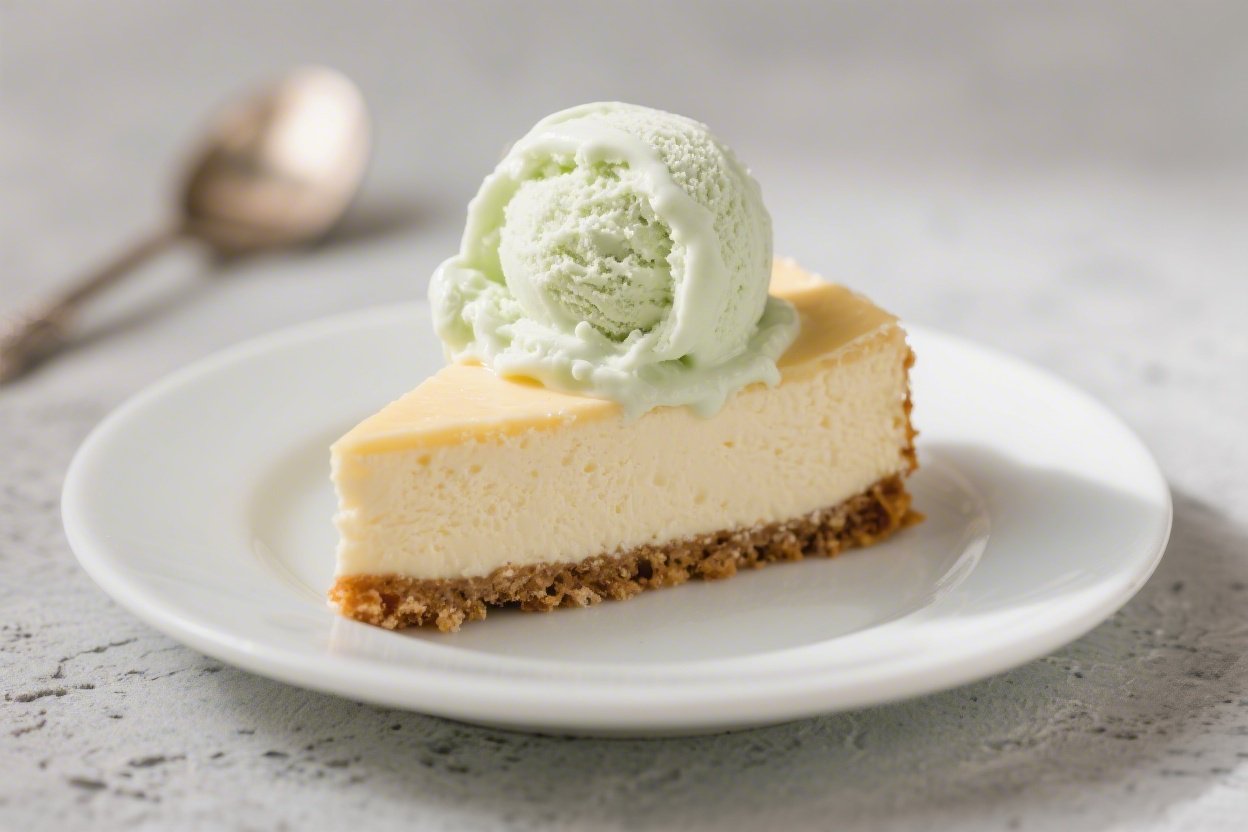
Low-Calorie Cheesecake Ice Cream – Creamy, Light, and Satisfying
Craving something rich and creamy without the sugar crash? This low-calorie cheesecake ice cream gives you the classic tang and silkiness of cheesecake, minus the heavy cream and heaps of sugar. It’s easy to make at home, no fancy equipment required.
Never wonder what's for dinner again.
Get 7 healthy, family-friendly dinners complete with recipes, grocery lists, and simple meal plans delivered straight to your inbox.
The texture is smooth, the flavor is bright, and it scoops beautifully. Whether you’re counting calories or just want a lighter dessert, this is a treat you’ll actually look forward to.
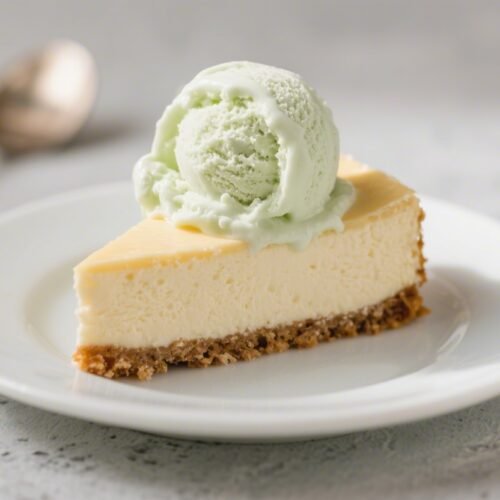
Low-Calorie Cheesecake Ice Cream - Creamy, Light, and Satisfying
Ingredients
- 8 oz (225 g) light cream cheese, softened to room temperature
- 1 3/4 cups plain nonfat or low-fat Greek yogurt (thick, strained style works best)
- 3/4 cup unsweetened almond milk (or skim milk; choose what you like)
- 1/2 cup granulated sweetener of choice (allulose or erythritol/monk fruit blend for low-calorie; or 1/3 cup sugar for a lightly sweet version)
- 2 teaspoons pure vanilla extract
- 1 tablespoon fresh lemon juice
- 1 teaspoon lemon zest (optional but recommended)
- Pinch of salt
- Optional mix-ins: 1/2 cup diced strawberries or blueberries; 2 tablespoons crushed light graham crackers; 2 tablespoons sugar-free strawberry jam for swirl
Instructions
- Soften the cream cheese. Let it sit at room temperature for 20–30 minutes so it blends smoothly. Cold cream cheese can leave lumps.
- Blend the base. In a blender or food processor, add cream cheese, Greek yogurt, milk, sweetener, vanilla, lemon juice, lemon zest, and salt. Blend until completely smooth and airy, about 30–45 seconds. Taste and adjust sweetness or lemon.
- Chill the mixture. Transfer to a container, cover, and refrigerate for at least 2–3 hours. A cold base freezes faster and creamier.
- If using an ice cream maker. Churn according to the manufacturer’s instructions, typically 15–20 minutes, until it reaches soft-serve consistency. Fold in any mix-ins at the end.
- If making no-churn. Pour the chilled mixture into a shallow, freezer-safe pan. For best texture, freeze for 2–3 hours, whisking or stirring every 30 minutes to break up ice crystals. After 2 hours, fold in any mix-ins and return to the freezer.
- Freeze to set. Once it reaches soft-serve stage, you can serve immediately or transfer to a lidded container and freeze 2–4 more hours for scoopable firmness.
- Serve smart. Let the ice cream sit at room temperature for 5–10 minutes before scooping. Dip your scoop in warm water for cleaner, round scoops.
What Makes This Special
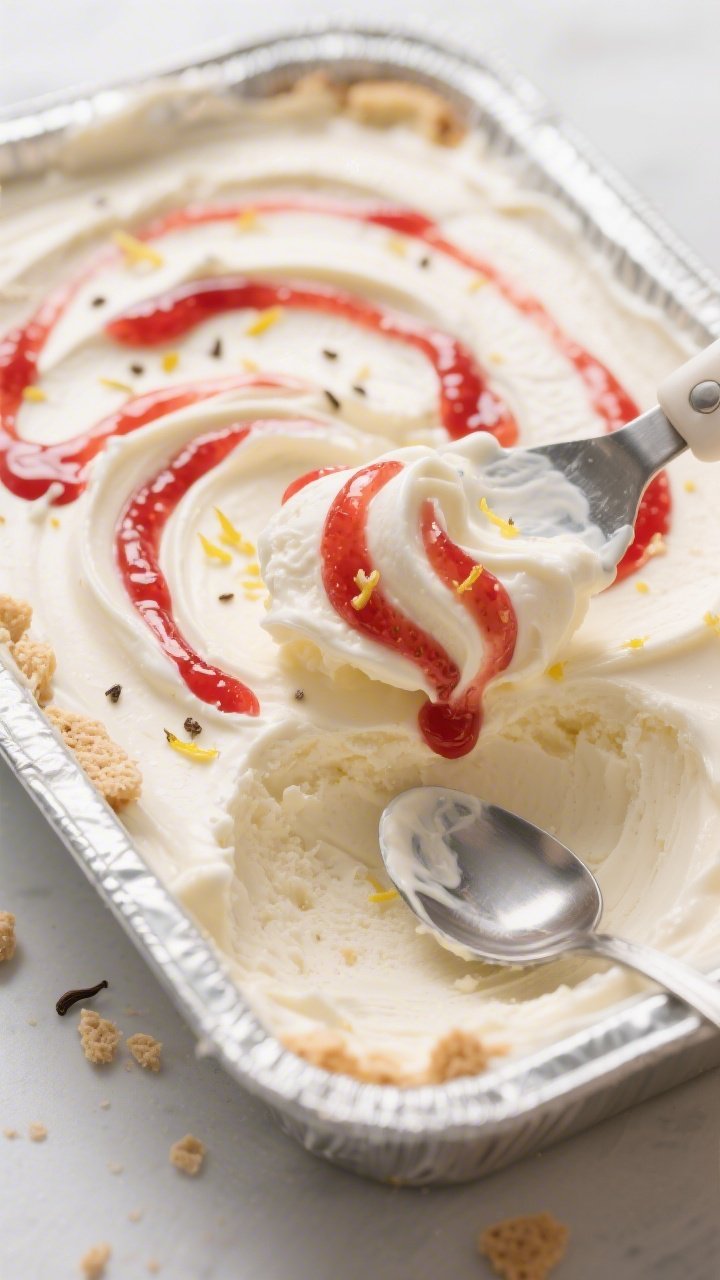
This isn’t a “diet taste” dessert. It tastes like the real thing because it leans on Greek yogurt, light cream cheese, and a touch of vanilla and lemon for that true cheesecake vibe.
A small amount of milk keeps it scoopable, and a sugar alternative or modest sugar helps maintain a clean finish without cloying sweetness.
Another advantage: it’s versatile. You can swirl in fruit, fold in graham cracker crumbs, or go plain and enjoy its pure, tangy creaminess. It’s also lower in fat and calories than traditional ice cream, but still feels indulgent.
Ingredients
- 8 oz (225 g) light cream cheese, softened to room temperature
- 1 3/4 cups plain nonfat or low-fat Greek yogurt (thick, strained style works best)
- 3/4 cup unsweetened almond milk (or skim milk; choose what you like)
- 1/2 cup granulated sweetener of choice (allulose or erythritol/monk fruit blend for low-calorie; or 1/3 cup sugar for a lightly sweet version)
- 2 teaspoons pure vanilla extract
- 1 tablespoon fresh lemon juice
- 1 teaspoon lemon zest (optional but recommended)
- Pinch of salt
- Optional mix-ins: 1/2 cup diced strawberries or blueberries; 2 tablespoons crushed light graham crackers; 2 tablespoons sugar-free strawberry jam for swirl
Step-by-Step Instructions
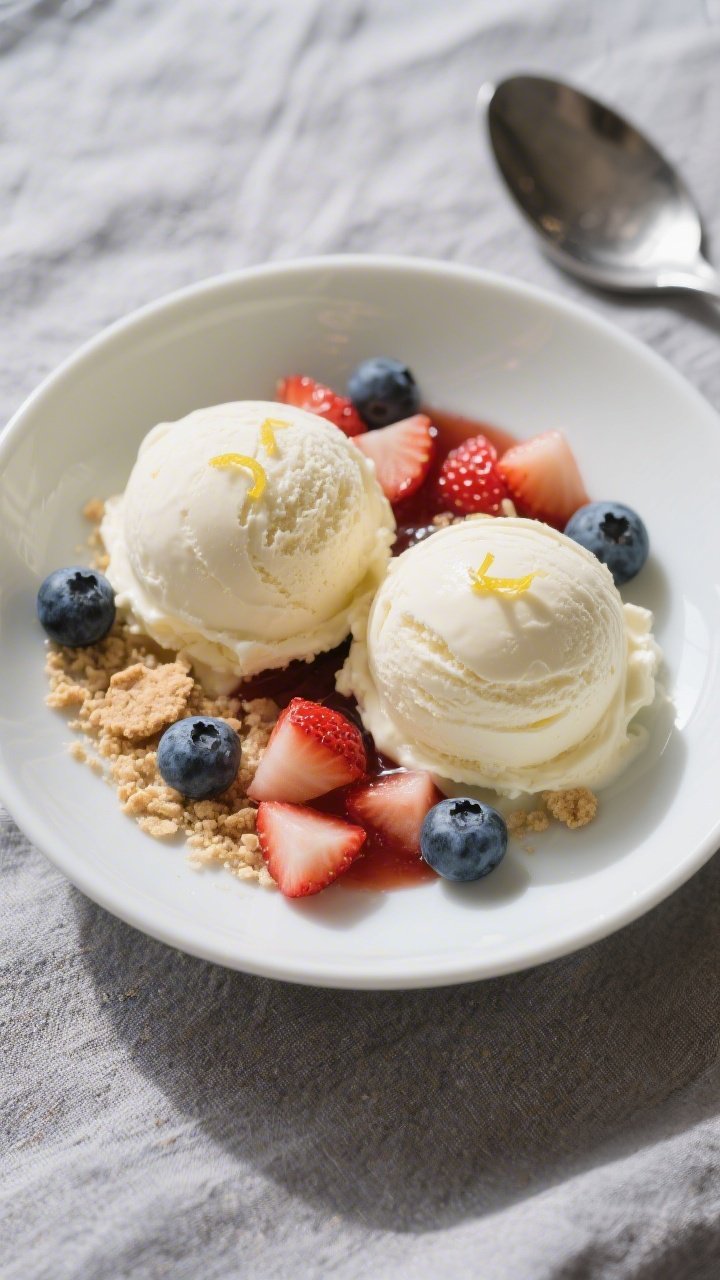
- Soften the cream cheese. Let it sit at room temperature for 20–30 minutes so it blends smoothly.
Cold cream cheese can leave lumps.
- Blend the base. In a blender or food processor, add cream cheese, Greek yogurt, milk, sweetener, vanilla, lemon juice, lemon zest, and salt. Blend until completely smooth and airy, about 30–45 seconds. Taste and adjust sweetness or lemon.
- Chill the mixture. Transfer to a container, cover, and refrigerate for at least 2–3 hours.
A cold base freezes faster and creamier.
- If using an ice cream maker. Churn according to the manufacturer’s instructions, typically 15–20 minutes, until it reaches soft-serve consistency. Fold in any mix-ins at the end.
- If making no-churn. Pour the chilled mixture into a shallow, freezer-safe pan. For best texture, freeze for 2–3 hours, whisking or stirring every 30 minutes to break up ice crystals.
After 2 hours, fold in any mix-ins and return to the freezer.
- Freeze to set. Once it reaches soft-serve stage, you can serve immediately or transfer to a lidded container and freeze 2–4 more hours for scoopable firmness.
- Serve smart. Let the ice cream sit at room temperature for 5–10 minutes before scooping. Dip your scoop in warm water for cleaner, round scoops.
How to Store
- Container matters: Use a shallow, airtight container to limit air pockets and ice buildup.
- Cover the surface: Press parchment or plastic wrap directly on top before sealing the lid. This reduces frost.
- Timing: Best texture is within 1–2 weeks.
It’s safe longer, but can pick up ice crystals over time.
- Softening: If it’s too firm, rest it at room temp for 10 minutes. Avoid repeated long thaws and refreezes.
Why This is Good for You
- Lower in calories and fat: Light cream cheese and Greek yogurt replace heavy cream without losing creaminess.
- Protein boost: Greek yogurt adds satisfying protein that helps you feel full with a smaller serving.
- Controlled sugar: Using allulose or a monk fruit blend cuts calories and helps blood sugar stay steadier.
- Flavor, not filler: Vanilla and lemon brighten the taste so you don’t need excessive sweetener.
Pitfalls to Watch Out For
- Grainy texture: Overusing erythritol can cause a gritty feel when frozen. Allulose stays smoother.
If using erythritol, blend well and serve slightly softened.
- Ice crystals: Skipping the chill step or using a deep container can cause iciness. Keep the base very cold and use a shallow container.
- Flat flavor: Don’t skip the lemon juice and salt. They sharpen the cheesecake notes and balance sweetness.
- Too tart or too sweet: Taste before freezing.
Sweetness dulls when frozen, so aim just a touch sweeter than you want in the final scoop.
Alternatives
- Dairy-free: Use dairy-free cream cheese and a thick coconut yogurt. Choose unsweetened almond or oat milk. Note that coconut yogurt may add coconut notes.
- No sweeteners: Use mashed ripe banana or dates (blended smooth) for natural sweetness.
Texture will be slightly denser and color darker.
- High-protein: Add 1/2 scoop unflavored or vanilla whey or casein protein. If it thickens too much, add 2–4 tablespoons extra milk to balance.
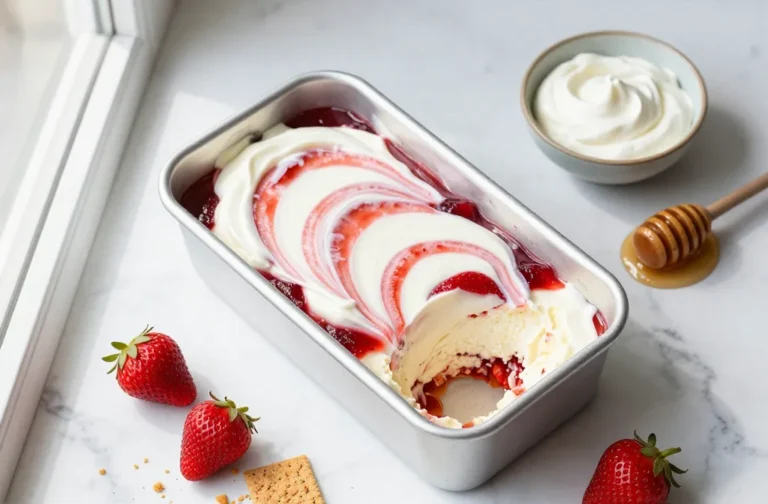
- Swirl ideas: Ripple in 2 tablespoons warmed, sugar-free strawberry jam or a quick blueberry compote. Don’t overmix or it will turn the whole batch purple.
- Crust vibes: Fold in 2 tablespoons crushed light graham crackers or a sprinkle on top right before serving for crunch.
Need More Easy Dinner Ideas?
Get my FREE 7-Day Easy Dinner Reset and enjoy a full week of healthy dinners without the meal-planning stress.
FAQ
Can I make this without an ice cream maker?
Yes.
Use the no-churn method: freeze in a shallow pan and stir every 30 minutes for 2–3 hours. This breaks up ice crystals and keeps the texture creamy.
What sweetener works best?
Allulose gives the smoothest texture and scoops well straight from the freezer. Erythritol blends can work, but may feel icy or gritty.
If using regular sugar, reduce to about 1/3 cup for a lightly sweet result.
Why is my ice cream icy?
Usually the base wasn’t cold enough, the container was too deep, or there wasn’t enough fat or dissolved solids. Chill thoroughly, use a shallow container, and consider using allulose or a small amount of corn syrup (1 tablespoon) to reduce iciness if you’re not strictly low-calorie.
How do I boost the cheesecake flavor?
Add an extra teaspoon of lemon zest, a splash of almond extract, or a teaspoon of cheesecake flavoring. A tiny pinch of extra salt can also make the tang pop.
Can I use regular yogurt instead of Greek yogurt?
You can, but strain it first through cheesecloth for a few hours to remove excess whey.
Thick yogurt helps create that rich, scoopable texture with fewer ice crystals.
How many calories are in a serving?
It depends on your ingredients and sweetener. With light cream cheese, nonfat Greek yogurt, almond milk, and allulose, a 1/2-cup serving typically lands around 110–140 calories. Mix-ins will add more.
How long does it keep?
For best texture and flavor, enjoy within 1–2 weeks.
It’s still safe after that, but you may notice more ice crystals or muted flavor.
Final Thoughts
Low-Calorie Cheesecake Ice Cream gives you that creamy, tangy, dessert-shop feel without overloading your day. It’s easy, adaptable, and satisfying enough to replace heavier treats. Keep a batch in the freezer and switch up the swirls and mix-ins to match your mood.
Once you nail your preferred sweetness and lemon balance, this will become a regular in your homemade dessert rotation.
Printable Recipe Card
Want just the essential recipe details without scrolling through the article? Get our printable recipe card with just the ingredients and instructions.
Loved This Recipe?
If you're looking for more simple, healthy dinners your family will actually eat, grab my FREE 7-Day Easy Dinner Reset. You'll get 7 easy dinner recipes, simple grocery lists, and a done-for-you plan that takes the stress out of mealtime.