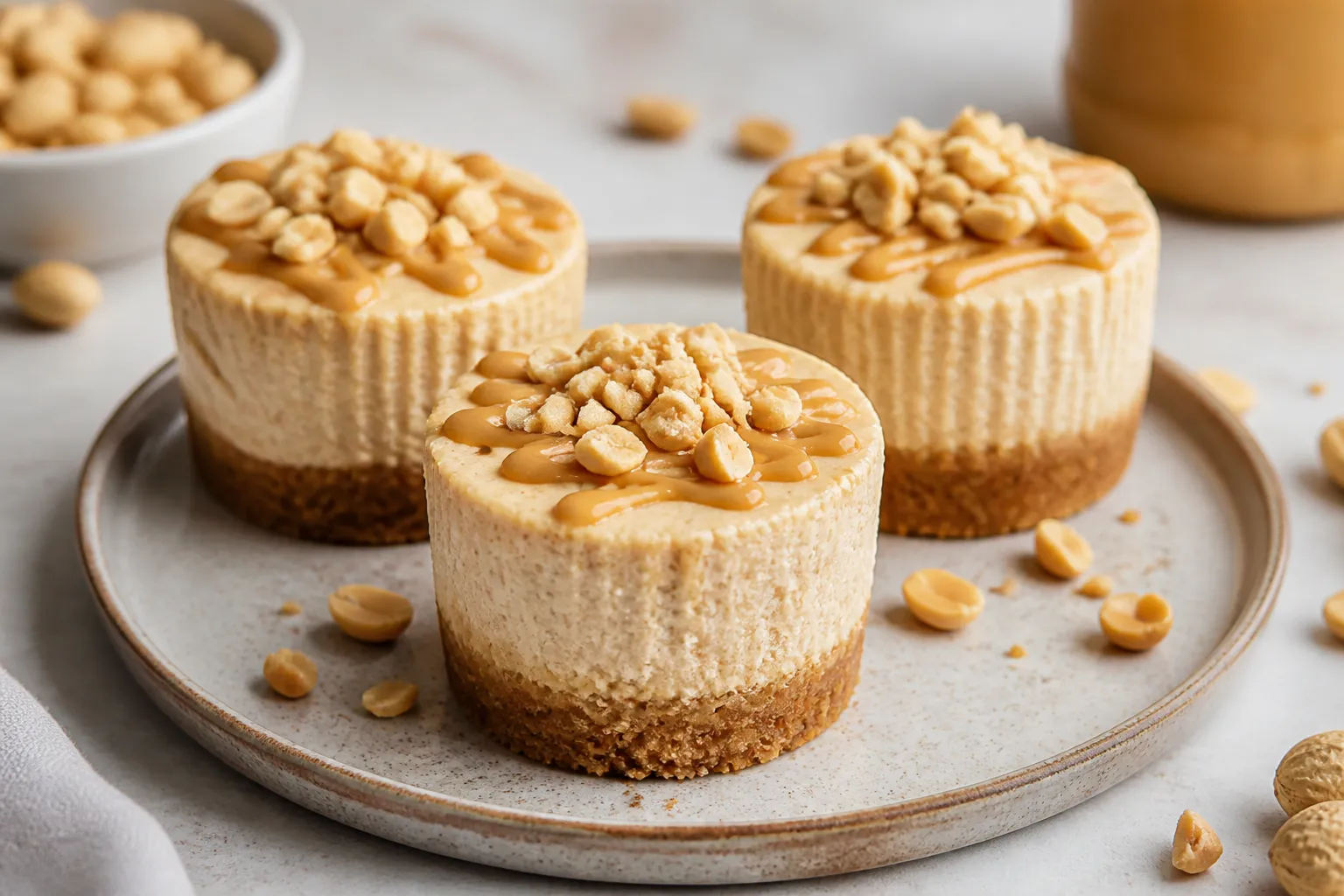
Cottage Cheese Peanut Butter Cheesecake Cups – Creamy, Light, and Easy
If you love cheesecake but want something lighter and quicker, these cottage cheese peanut butter cheesecake cups are a sweet spot. They’re creamy, protein-packed, and surprisingly simple. No springform pan.
Never wonder what's for dinner again.
Get 7 healthy, family-friendly dinners complete with recipes, grocery lists, and simple meal plans delivered straight to your inbox.
No water bath. Just blend, bake, chill, and enjoy. They make a great make-ahead snack, dessert, or post-workout treat that doesn’t feel like a compromise.
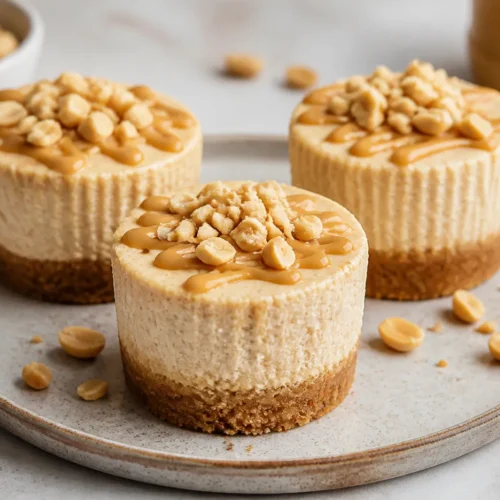
Cottage Cheese Peanut Butter Cheesecake Cups - Creamy, Light, and Easy
Ingredients
- Cottage cheese (16 ounces, 2% or full-fat for best texture)
- Natural creamy peanut butter (no-stir preferred)
- Greek yogurt (1/2 cup, plain; 2% or whole milk)
- Eggs (2 large)
- Vanilla extract (1–2 teaspoons)
- Maple syrup or honey (1/3 to 1/2 cup, to taste)
- Lemon juice (1 tablespoon, brightens flavor)
- Fine salt (a pinch)
- Graham crackers (8–10 sheets) or oat flour/almond flour (about 1 cup) for crust
- Butter (3–4 tablespoons, melted) or coconut oil for crust
- Brown sugar or coconut sugar (1–2 tablespoons for crust, optional)
- Mini chocolate chips or chopped dark chocolate (optional, for topping)
- Flaky sea salt (optional, for finishing)
- Paper liners for muffin tin
Instructions
- Prep the pan: Line a 12-cup muffin tin with paper liners. Heat oven to 325°F (163°C).
- Make the crust: Crush graham crackers into fine crumbs (about 1.5 cups) and mix with melted butter and a tablespoon of sugar if using. The mixture should hold when pressed—add a touch more butter if too dry.
- Press the crust: Spoon 1 to 1.5 tablespoons of crust into each liner. Press firmly with the bottom of a small glass or spoon to compact. Bake for 5 minutes to set. Let cool slightly.
- Blend the filling: In a blender or food processor, add cottage cheese, peanut butter (1/2 cup), Greek yogurt, eggs, maple syrup or honey, vanilla, lemon juice, and a pinch of salt. Blend until completely smooth and glossy, 30–60 seconds. Scrape sides and blend again if needed.
- Taste and adjust: Sweetness can vary. For a classic cheesecake vibe, keep it gently sweet. For dessert-sweet, add 1–2 tablespoons more syrup and blend again.
- Fill the cups: Divide batter among liners, almost to the top. Tap the pan gently to release air bubbles.
- Bake: Bake at 325°F for 16–20 minutes. The centers should look just set with a slight jiggle; edges may puff slightly. Do not overbake.
- Cool gradually: Turn off the oven, crack the door, and let the cups sit for 5 minutes. Move the pan to a rack and cool to room temp, about 30–45 minutes.
- Chill: Refrigerate for at least 2 hours, preferably 4 or overnight. They firm up and taste better cold.
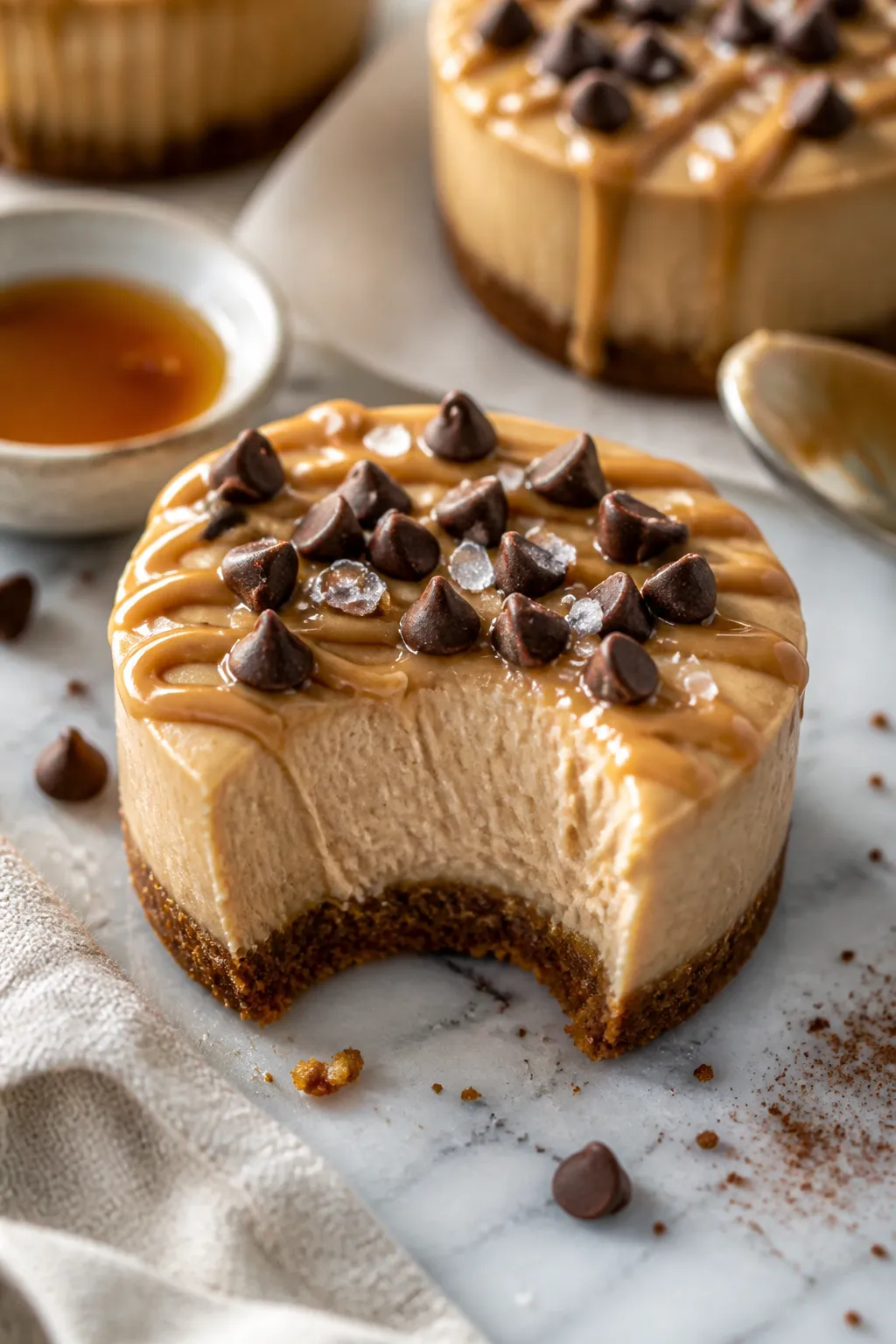
- Finish and serve: Top with a drizzle of melted peanut butter, mini chocolate chips, or a pinch of flaky salt. Peel liners and enjoy.
What Makes This Recipe So Good
- High-protein and satisfying: Cottage cheese boosts the protein without making the texture chalky or dense.
- Balanced flavor: Peanut butter adds richness, while a touch of maple or honey keeps it naturally sweet.
- Single-serve convenience: Cups bake faster than a whole cheesecake and are easy to portion and freeze.
- Blender-friendly: The filling whips up silky smooth in minutes—no fancy equipment beyond a blender or food processor.
- Customizable crust: Use graham crackers, oats, or even almond flour for a gluten-free base.
Shopping List
- Cottage cheese (16 ounces, 2% or full-fat for best texture)
- Natural creamy peanut butter (no-stir preferred)
- Greek yogurt (1/2 cup, plain; 2% or whole milk)
- Eggs (2 large)
- Vanilla extract (1–2 teaspoons)
- Maple syrup or honey (1/3 to 1/2 cup, to taste)
- Lemon juice (1 tablespoon, brightens flavor)
- Fine salt (a pinch)
- Graham crackers (8–10 sheets) or oat flour/almond flour (about 1 cup) for crust
- Butter (3–4 tablespoons, melted) or coconut oil for crust
- Brown sugar or coconut sugar (1–2 tablespoons for crust, optional)
- Mini chocolate chips or chopped dark chocolate (optional, for topping)
- Flaky sea salt (optional, for finishing)
- Paper liners for muffin tin
How to Make It
- Prep the pan: Line a 12-cup muffin tin with paper liners.
Heat oven to 325°F (163°C).
- Make the crust: Crush graham crackers into fine crumbs (about 1.5 cups) and mix with melted butter and a tablespoon of sugar if using. The mixture should hold when pressed—add a touch more butter if too dry.
- Press the crust: Spoon 1 to 1.5 tablespoons of crust into each liner. Press firmly with the bottom of a small glass or spoon to compact.
Bake for 5 minutes to set. Let cool slightly.
- Blend the filling: In a blender or food processor, add cottage cheese, peanut butter (1/2 cup), Greek yogurt, eggs, maple syrup or honey, vanilla, lemon juice, and a pinch of salt. Blend until completely smooth and glossy, 30–60 seconds.
Scrape sides and blend again if needed.
- Taste and adjust: Sweetness can vary. For a classic cheesecake vibe, keep it gently sweet. For dessert-sweet, add 1–2 tablespoons more syrup and blend again.
- Fill the cups: Divide batter among liners, almost to the top.
Tap the pan gently to release air bubbles.
- Bake: Bake at 325°F for 16–20 minutes. The centers should look just set with a slight jiggle; edges may puff slightly. Do not overbake.
- Cool gradually: Turn off the oven, crack the door, and let the cups sit for 5 minutes.
Move the pan to a rack and cool to room temp, about 30–45 minutes.
- Chill: Refrigerate for at least 2 hours, preferably 4 or overnight. They firm up and taste better cold.
- Finish and serve: Top with a drizzle of melted peanut butter, mini chocolate chips, or a pinch of flaky salt. Peel liners and enjoy.
How to Store
- Refrigerate: Keep in an airtight container for 4–5 days.
Separate layers with parchment to prevent sticking.
- Freeze: Freeze on a sheet pan until solid, then transfer to a freezer bag for up to 2 months. Thaw overnight in the fridge or at room temperature for 30–45 minutes.
- Meal prep tip: Store without toppings. Add chocolate, peanut drizzle, or fruit just before serving to keep textures crisp.
Why This is Good for You
- Protein-forward: Cottage cheese and Greek yogurt offer high-quality protein that helps with satiety and muscle repair.
- Better fats: Peanut butter brings heart-friendly monounsaturated fats, which help you feel full and satisfied.
- Lower sugar option: Using maple syrup or honey means you can control sweetness easily, and the protein and fat help blunt sugar spikes.
- Portion control built-in: Single servings make it easier to enjoy dessert without going overboard.
What Not to Do
- Don’t skip the chill time: Warm cups taste eggy and too soft.
Chilling sets the creamy texture.
- Don’t overbake: If they’re puffy and cracking, they’ve gone too far. Pull them when slightly wobbly in the center.
- Don’t use watery cottage cheese: Excess liquid can make the filling runny. Drain off any visible whey before blending.
- Don’t use crunchy peanut butter in the batter: It creates gritty pockets.
Save crunch for a topping.
- Don’t skip liners: These are delicate. Liners make removal clean and easy.
Variations You Can Try
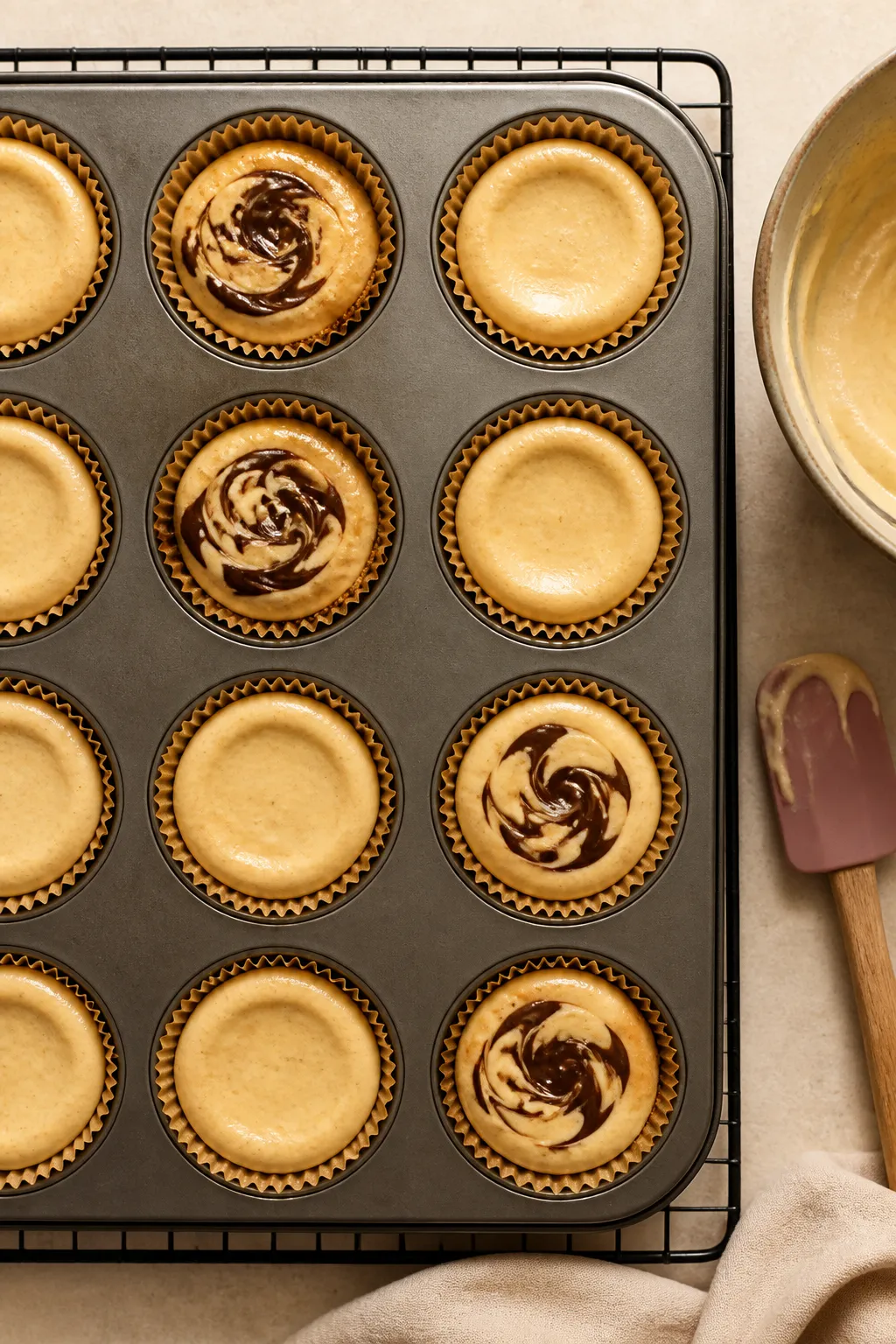
- Chocolate swirl: Melt 2–3 ounces of dark chocolate and swirl a spoonful into each cup before baking.
- PB&J style: Add 1 teaspoon of raspberry or strawberry jam to each cup and marble gently with a toothpick.
- Gluten-free crust: Use almond flour or gluten-free graham crackers. Mix with butter and a pinch of salt.
- No-crust option: Skip the base and bake in silicone liners.
Reduce bake time by 1–2 minutes.
- Banana-peanut: Blend in half a ripe banana and reduce sweetener slightly. Expect softer texture and shorter fridge life.
- Mocha: Add 1–2 teaspoons instant espresso powder and 2 tablespoons cocoa to the filling.
- Salted caramel finish: Drizzle with a light salted caramel sauce and a pinch of flaky salt before serving.
FAQ
Can I use low-fat cottage cheese?
Yes, but the texture will be a bit less creamy. For the best mouthfeel, use 2% or full-fat.
If using low-fat, keep the Greek yogurt at least 2% to balance it.
What if I don’t have a blender?
Need More Easy Dinner Ideas?
Get my FREE 7-Day Easy Dinner Reset and enjoy a full week of healthy dinners without the meal-planning stress.
A food processor works great. In a pinch, use an immersion blender. Whisking by hand won’t fully smooth the curds, so the texture may be slightly grainy.
Can I replace the peanut butter?
Yes.
Almond butter or cashew butter both work. Choose a creamy, no-stir variety for consistent blending and structure.
How do I know when they’re done?
They should be mostly set with a small jiggle in the center. The tops may look matte, not glossy.
If the edges brown deeply or crack, they’re overbaked.
Is there a way to make them sweeter without more sugar?
Add a few drops of liquid stevia or monk fruit sweetener after blending, then pulse to combine. Taste and adjust carefully—these can be potent.
Can I make this as a full cheesecake?
Yes. Press the crust into a 9-inch springform pan, bake 8–10 minutes, add filling, and bake at 300–315°F for 35–45 minutes until just set.
Cool and chill as usual.
Do these taste like cottage cheese?
No. Blending with peanut butter, vanilla, and a touch of lemon smooths out both texture and flavor. The final taste leans peanut-butter-cheesecake, not cottage cheese.
Can I make them without eggs?
You can try 2 tablespoons cornstarch plus 2 tablespoons milk to help set, but the texture will be softer and less classic.
Chill thoroughly for best results.
Why add lemon juice?
It brightens the flavor and mimics the slight tang of traditional cheesecake. You won’t taste “lemon,” just a cleaner finish.
What’s the best topping?
A drizzle of peanut butter and a sprinkle of mini chocolate chips is a crowd-pleaser. Fresh berries or a dusting of cocoa powder also work well.
Wrapping Up
Cottage cheese peanut butter cheesecake cups deliver creamy, rich flavor with a lighter, protein-forward twist.
They’re simple to make, easy to store, and endlessly flexible with toppings and crusts. Bake a batch on Sunday, chill, and treat yourself all week. It’s dessert that fits your life—no fuss, big payoff.
Printable Recipe Card
Want just the essential recipe details without scrolling through the article? Get our printable recipe card with just the ingredients and instructions.
Loved This Recipe?
If you're looking for more simple, healthy dinners your family will actually eat, grab my FREE 7-Day Easy Dinner Reset. You'll get 7 easy dinner recipes, simple grocery lists, and a done-for-you plan that takes the stress out of mealtime.