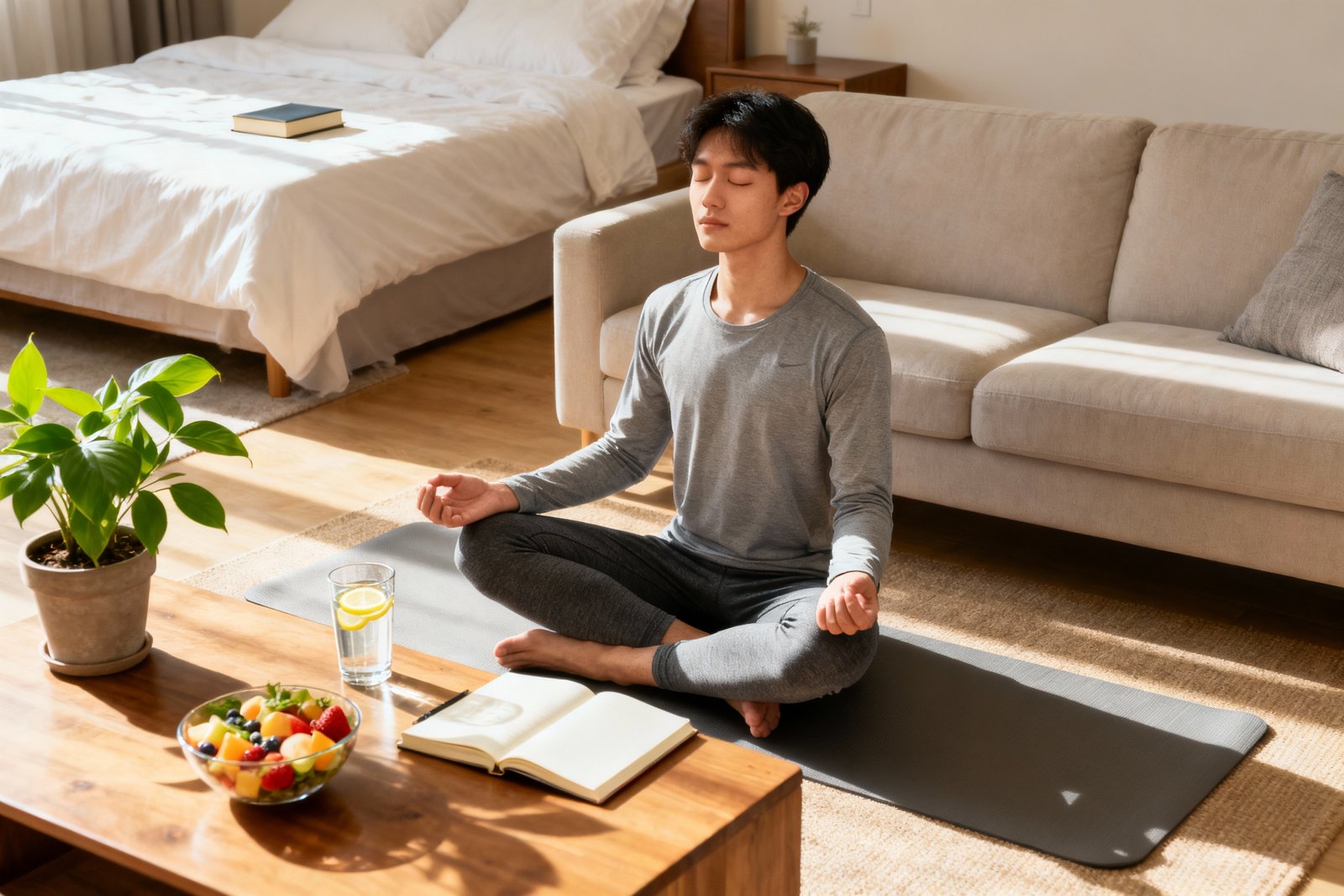
How To Stick To A Healthy Lifestyle
You don’t need a bulletproof will or a monk’s schedule to live healthier. You need a plan that fits your life, not the other way around. Let’s make “healthy” less of a personality and more of a system you can actually stick to.
Never wonder what's for dinner again.
Get 7 healthy, family-friendly dinners complete with recipes, grocery lists, and simple meal plans delivered straight to your inbox.
Ready to stop restarting every Monday?
Define What “Healthy” Means For You
You can’t stick to something vague. “Be healthier” means nothing. Pick 2-3 clear priorities that matter to you right now: better sleep, more energy, strength, or losing 10 pounds without hating your life.
Set outcome and process goals
– Outcome: “Run a 5K in 10 weeks.” – Process: “Run 3x/week for 25 minutes.” The outcome motivates you; the process gets you there. Track the process, not just the outcome. You control the reps, the walks, the bedtime. The scale?
Moody.
Make rules, not moods
Create a few simple rules so decisions feel easy: – “I move my body for 20+ minutes every weekday.” – “I eat protein at every meal.” – “Screens off by 10 p.m., lights out by 10:30.” Rules remove negotiation, and FYI, willpower loves fewer decisions.
Shrink The Friction
Most people don’t fail because they lack motivation. They fail because the healthy option takes too much effort at the worst time of day. Reduce friction until healthy is the default.
Prep like a lazy genius
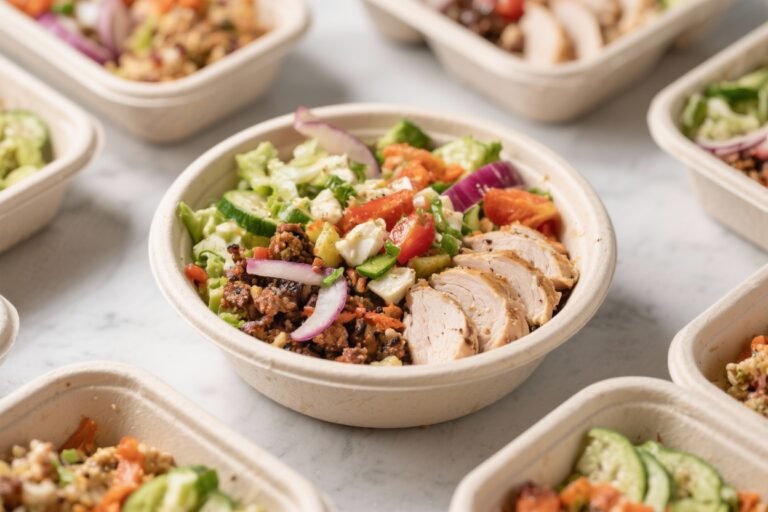
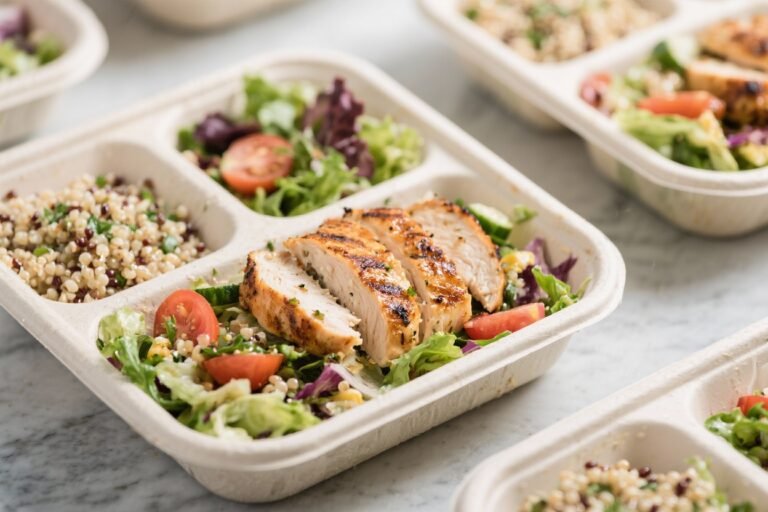
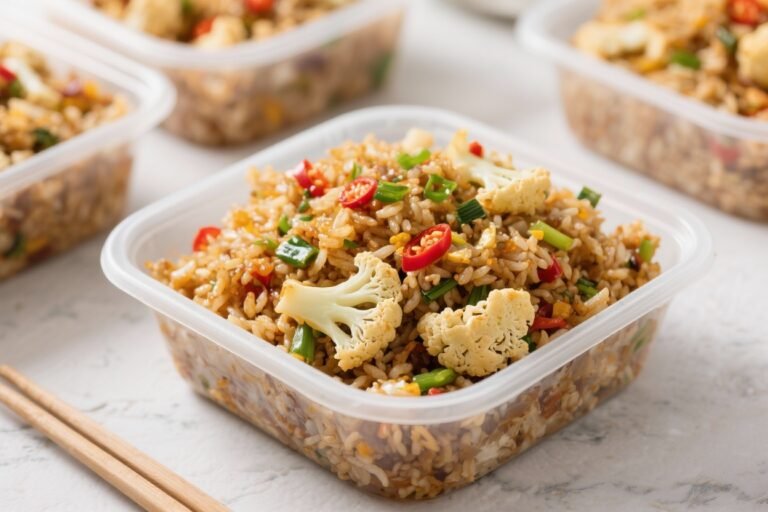
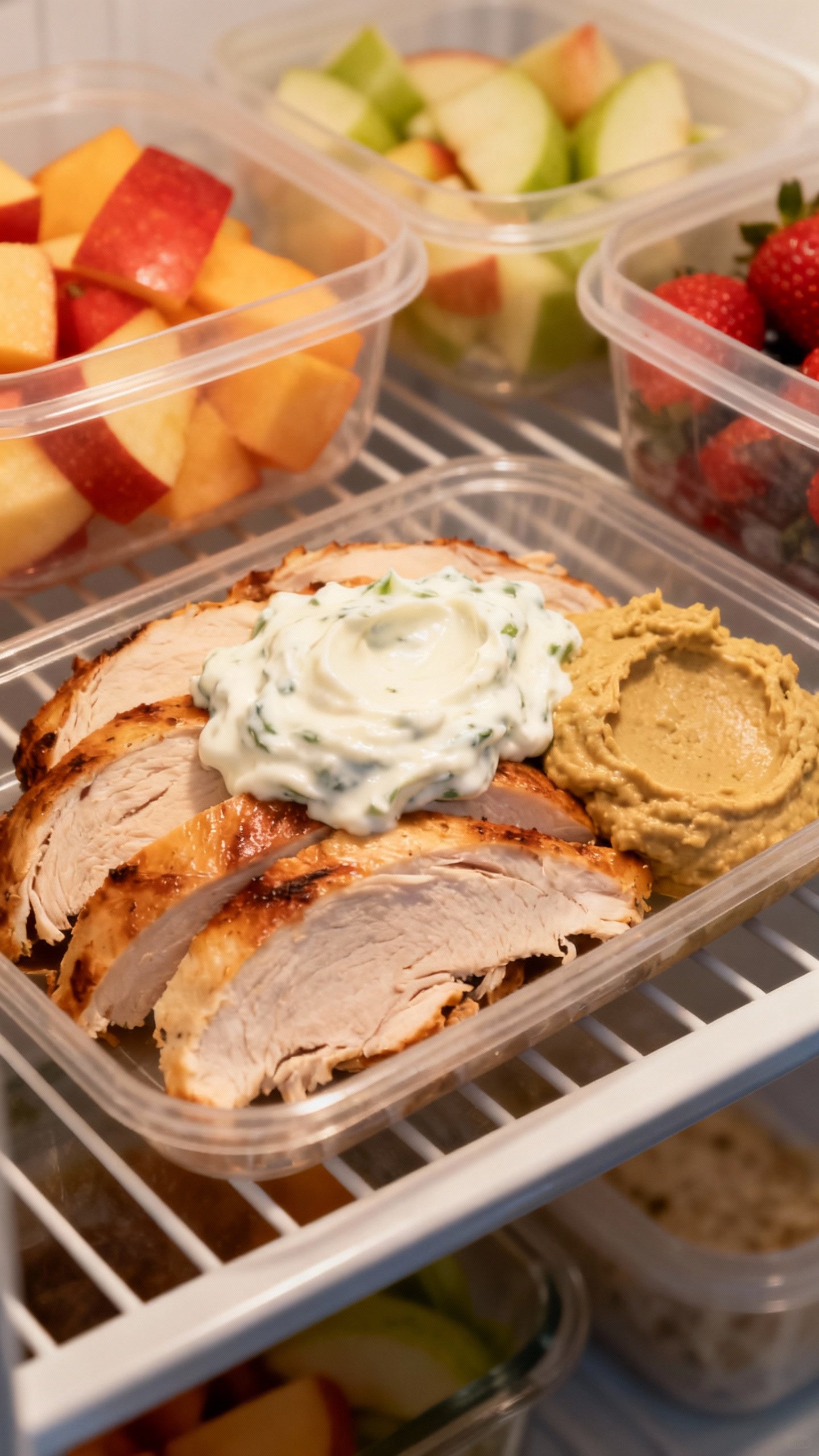
– Chop veggies once; use them all week. – Cook double portions and freeze leftovers. – Keep a “grab-and-go” bin: Greek yogurt, cut fruit, cheese sticks, hummus, roasted chicken. – Put your water bottle where you always see it: desk, car, bag.
Design your environment
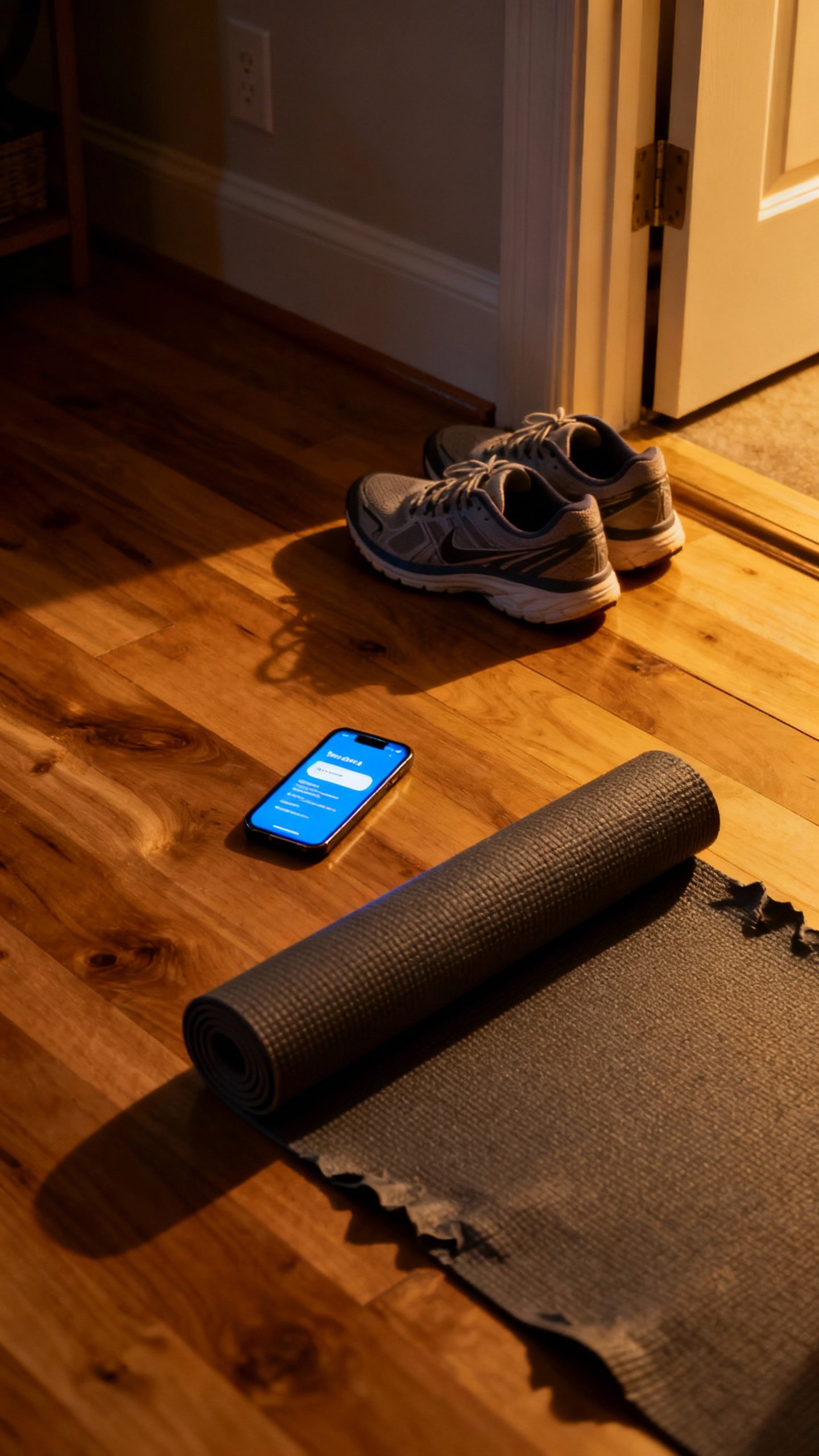
– Put your running shoes by the door. – Keep a yoga mat unrolled. – Keep a bowl of high-protein snacks at eye level; put junk food out of sight (or don’t buy it, radical idea). – Set phone reminders that don’t nag—just nudge.
Make Exercise Stupidly Easy To Start
You don’t need a perfect workout plan. You need a plan you can do on a Tuesday when your boss schedules a surprise 5 p.m. meeting. Lower the bar to something you can always start.
The 10-minute rule
Tell yourself: “I’ll do 10 minutes.
If I want to stop, I stop.” Spoiler: you usually keep going. But if you don’t, you still win because you kept the habit alive.
Pick a minimum viable routine
– 2 full-body strength sessions per week (30–45 minutes) – 2–3 low-intensity movement days (walks, cycling, yoga) – Optional: 1 short interval session (15–20 minutes) Consistency beats intensity. Never miss twice. Life happens; just get back on track the next day.
Eat Like A Grown-Up, Not A Martyr
You don’t need to cut carbs, go keto, or memorize glycemic indexes.
Eat foods that make you feel good, and leave you satisfied. Radical, I know.
Build balanced meals
Think PFF: Protein, Fiber, Fat. – Protein: eggs, chicken, tofu, Greek yogurt, fish, beans – Fiber: veggies, fruit, lentils, whole grains – Fat: olive oil, nuts, avocado, cheese You feel fuller longer, your energy stays stable, and you stop raiding the pantry at 10 p.m.
Use simple portions
– Protein: 1–2 palm-sized servings – Carbs: 1 cupped-hand serving if active, maybe 2 – Fats: 1–2 thumb-sized servings – Veggies: 2 fists (yes, your plate can handle it) No scales needed unless you like them. IMO, less math = more adherence.
Plan for joy foods
You’re human.
Pizza exists. Budget fun foods on purpose so you don’t binge later: – Enjoy the treat mindfully. – Stop when you’re satisfied, not stuffed. – Move on—no guilt, no “I’ll start over Monday.”
Prioritize Sleep Like It Pays Your Bills
Sleep runs the show: hunger, mood, recovery, willpower. If you sleep better, you do everything better. Yes, even that.
Build a wind-down routine
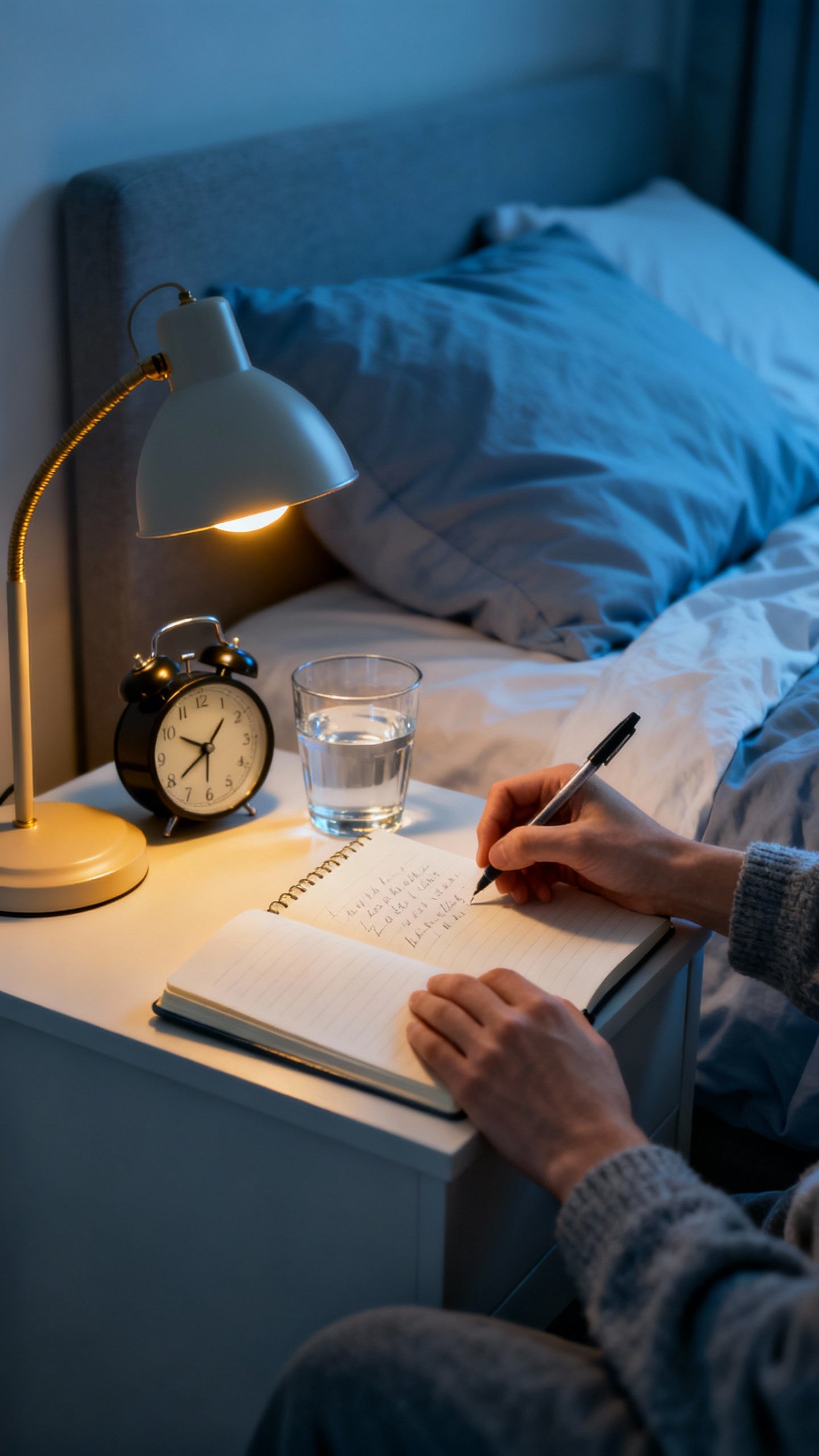
– Same bedtime and wake time, even on weekends (mostly) – Screens off 60 minutes before bed (blue light isn’t a myth) – Dark, cool room (65–68°F) – A boring book, breathwork, or light stretching – If you wake up wired, try a brain dump journal
Drink smarter
– Caffeine: cut after 2 p.m. – Alcohol: keep it moderate and avoid right before bed—it nukes your sleep quality. – Hydration: steady through the day, taper in the evening so you don’t play bathroom ping-pong at 2 a.m.
Build Accountability That Doesn’t Suck
Motivation dips.
Systems hold. Create accountability that feels supportive, not shame-y.
Pick your accountability style
Need More Easy Dinner Ideas?
Get my FREE 7-Day Easy Dinner Reset and enjoy a full week of healthy dinners without the meal-planning stress.
– Social: workout buddy, walking calls, group class – Structural: calendar blocks, habit tracker, coaching – Emotional: sticky note with your “why” on your bathroom mirror – Financial: prepaid sessions or race fees (money can be motivating, FYI)
Track the right things
– Habits: workouts, steps, meals cooked at home, bedtime – Biomarkers you care about: energy, mood, cravings, sleep quality – Results: measurements, performance, progress pics (every 4 weeks) You can’t manage what you don’t measure. But don’t obsess—trendlines matter more than daily noise.
Plan For Real Life (Not Pinterest)
Travel? Kids?
Work chaos? Yep. Make Plan B and Plan C ahead of time so you don’t fling your goals into a volcano when plans shift.
Create backup menus
– At home: 3 fast, healthy meals you can cook in under 15 minutes – On the road: your go-to orders at your usual restaurants – Snacks: protein bar + fruit, jerky + nuts, yogurt + granola
Use the 80/20 principle
Aim for 80% solid choices, 20% fun. Consistency beats perfection.
Perfection is fragile; consistency is durable.
Mindset: Be Kind, Not Soft
You don’t need to bully yourself into health. You need to coach yourself with honesty and compassion.
Expect dips and detours
You will miss workouts. You will overeat sometimes.
That doesn’t “ruin” anything. Ask: “What’s the next best move?” Then do that.
Identity over outcomes
Say, “I’m a person who takes care of my body,” not “I’m trying to lose weight.” When your identity leads, your actions follow. Corny but true.
FAQ
How do I stay motivated when progress is slow?
Motivation follows action.
Start small: 10-minute walks, a quick set of squats, a better breakfast. Track wins you can control—workouts, sleep, water. Celebrate progress that doesn’t depend on the scale: better energy, fewer cravings, improved mood.
Consistency compounds, even when it feels boring.
Can I get healthy without going to the gym?
Absolutely. Walks, home strength sessions with bands or dumbbells, bodyweight circuits, yoga, cycling—these all work. The key is progressive overload: do a little more over time.
Add reps, add sets, slow the tempo, increase difficulty. The best workout is the one you’ll do regularly.
What should I eat if I’m always busy?
Think assembly, not recipes. Rotisserie chicken + salad kit + olive oil.
Greek yogurt + berries + granola. Tuna pouch + whole-grain crackers + cucumber. Frozen veggies + eggs + salsa.
Keep protein-forward, add fiber, and you’re golden. Meal prep once; benefit all week.
How do I handle cravings without blowing my goals?
Eat enough protein and fiber earlier in the day. Cravings often mean you’re under-fueled or stressed.
If you want the thing, have a portion on purpose, enjoy it, and keep moving. Try swaps: chocolate + almonds, popcorn + protein shake. And sleep—sleep deprivation cranks cravings way up.
Do I need supplements?
Supplements can help gaps, not fix a messy foundation.
Useful basics: a high-quality protein powder (convenience), creatine monohydrate (strength and brain perks), vitamin D3 if levels are low, magnesium glycinate for sleep, and a fish oil if you rarely eat fatty fish. Check with a pro if you take meds or have conditions.
How long before I see results?
You’ll often feel better within 1–2 weeks: energy, sleep, digestion. Visible changes can take 4–8 weeks, sometimes longer.
The earlier you focus on habits, not hacks, the sooner results show up—and stick around.
Conclusion
You don’t need a new identity to live healthier. You need clear priorities, low-friction systems, a flexible plan, and a dash of patience. Build tiny wins, stack them daily, and let consistency do the heavy lifting.
IMO, this is the most sustainable “secret” of all—boring, dependable, and wildly effective.
Loved This Recipe?
If you're looking for more simple, healthy dinners your family will actually eat, grab my FREE 7-Day Easy Dinner Reset. You'll get 7 easy dinner recipes, simple grocery lists, and a done-for-you plan that takes the stress out of mealtime.