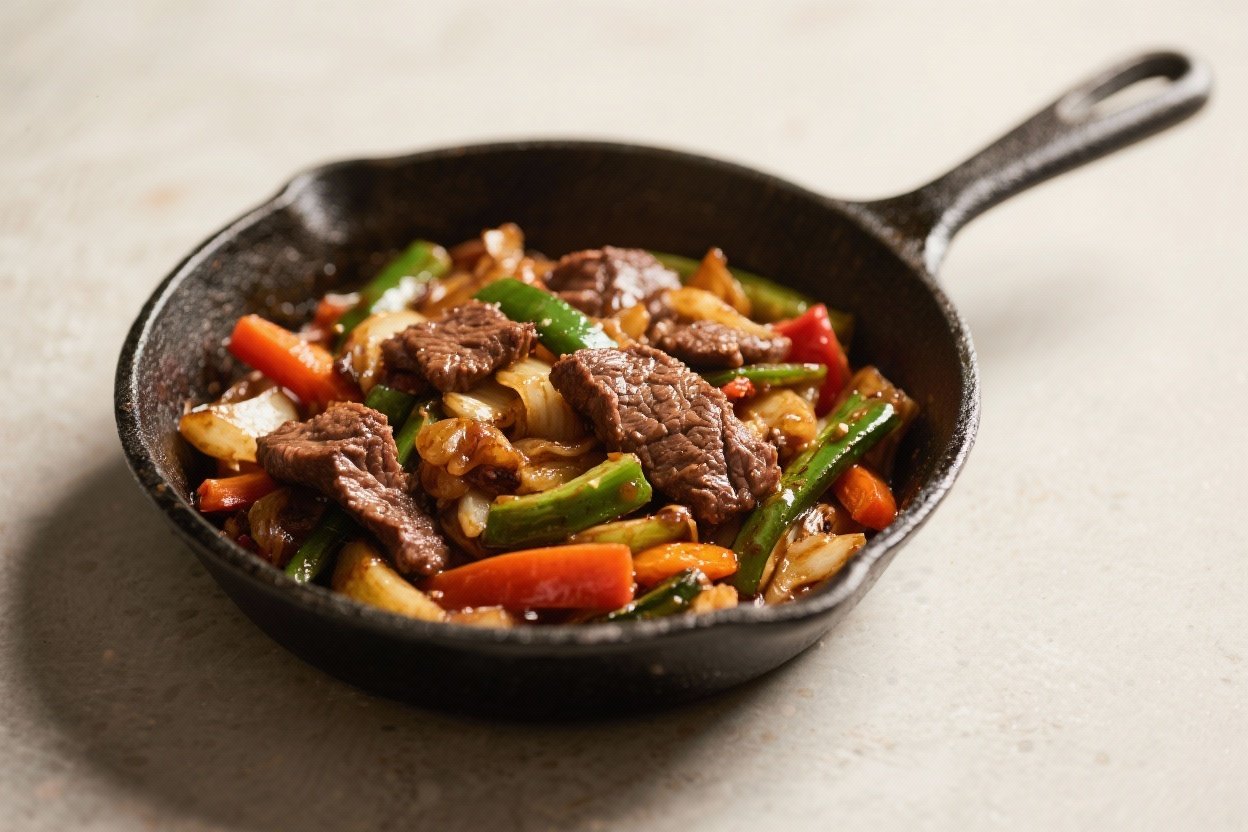
Beef & Veggie Stir-Fry Skillet – A Fast, Flavor-Packed Weeknight Dinner
This Beef & Veggie Stir-Fry Skillet is the kind of dinner you can count on when time is short and hunger is loud. It’s quick, colorful, and full of fresh textures—tender beef, crisp-tender veggies, and a savory sauce that ties everything together. You’ll get big flavor without fuss, and it all happens in one pan.
Never wonder what's for dinner again.
Get 7 healthy, family-friendly dinners complete with recipes, grocery lists, and simple meal plans delivered straight to your inbox.
Serve it over rice, noodles, or cauliflower rice, and you’ve got a complete meal that feels both comforting and fresh.
What Makes This Special
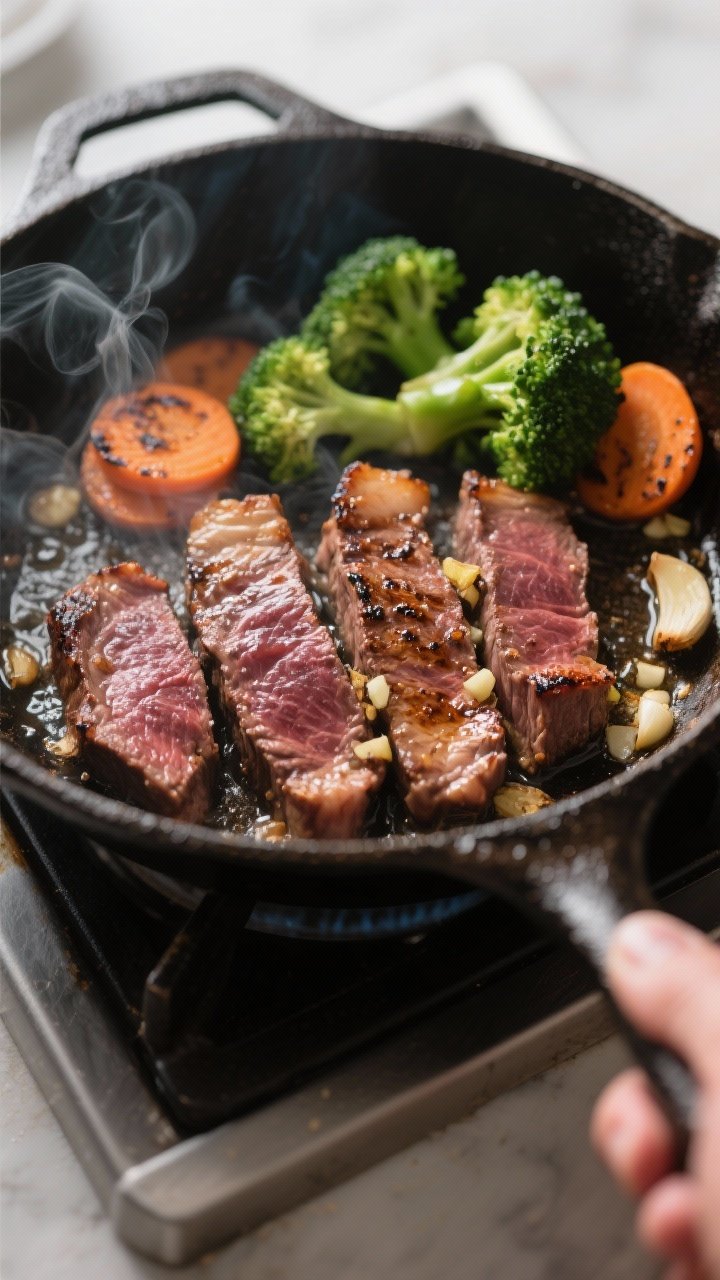
This stir-fry strikes a sweet spot between convenience and quality. You get a balanced mix of protein and vegetables, and the sauce uses pantry staples. The skillet method gives you charred edges and great browning without a wok.
You also have room to customize—use whatever vegetables you have, adjust the heat to your taste, and choose your preferred cut of beef. It’s quick to cook, easy to clean up, and delivers restaurant-level flavor at home.
Shopping List
- Beef: 1 pound flank steak, skirt steak, sirloin, or ribeye, thinly sliced against the grain
- Vegetables: 1 red bell pepper (sliced), 1 cup broccoli florets, 1 medium carrot (thinly sliced), 1 small yellow onion (sliced), 1 cup snap peas or green beans
- Aromatics: 3 cloves garlic (minced), 1 tablespoon fresh ginger (minced)
- Cooking oil: 2–3 tablespoons neutral oil (canola, avocado, or peanut)
- Stir-fry sauce:
- 1/3 cup low-sodium soy sauce or tamari
- 2 tablespoons oyster sauce
- 1 tablespoon rice vinegar
- 1–2 tablespoons honey or brown sugar
- 1–2 teaspoons toasted sesame oil
- 1/4 teaspoon red pepper flakes or 1 teaspoon chili-garlic sauce (optional)
- 1/3 cup water or low-sodium beef broth
- 1 tablespoon cornstarch
- Optional add-ins: sliced mushrooms, baby corn, zucchini, spinach, or bok choy
- Garnishes: sesame seeds, sliced green onions, lime wedges
- To serve: cooked rice, noodles, or cauliflower rice
Step-by-Step Instructions
- Slice the beef thinly. Cut across the grain into thin strips, about 1/4 inch thick. Thinner slices cook quicker and stay tender.
- Whisk the sauce. In a bowl, mix soy sauce, oyster sauce, rice vinegar, honey, sesame oil, red pepper flakes (if using), water or broth, and cornstarch.
Stir until smooth and no lumps remain.
- Prep the veggies. Keep the pieces roughly similar in size so they cook evenly. Have everything ready before you start cooking.
- Heat the skillet hot. Place a large skillet over medium-high heat and add 1 tablespoon of oil. You want the pan shimmering for a good sear.
- Sear the beef in batches. Add half the beef in a single layer.
Cook 1–2 minutes per side until browned but not fully cooked through. Transfer to a plate. Repeat with remaining beef, adding more oil if needed.
Don’t crowd the pan.
- Cook the aromatics. Reduce heat slightly. Add a splash of oil, then the garlic and ginger. Stir for 20–30 seconds until fragrant.
Don’t let them burn.
- Stir-fry the hard veggies. Add broccoli and carrots. Cook 2–3 minutes, stirring often, until they start to soften.
- Add the quick-cooking veggies. Add bell pepper, onion, and snap peas. Stir-fry 2–3 minutes until crisp-tender with a bit of char.
- Return the beef. Add the beef and any juices back to the skillet.
Toss to combine.
- Pour in the sauce. Give the sauce a quick stir (cornstarch settles), then pour it over everything. Cook 1–2 minutes, stirring, until the sauce thickens and glossy coats the beef and veggies.
- Taste and adjust. Add a splash more soy for salt, honey for sweetness, or vinegar for brightness. If it’s too thick, add a tablespoon of water at a time.
- Serve and garnish. Spoon over rice or noodles.
Finish with sesame seeds, green onions, and a squeeze of lime if you like.
Storage Instructions
Let leftovers cool to room temperature, then store in an airtight container in the fridge for up to 4 days. Reheat in a skillet over medium heat with a splash of water to loosen the sauce. You can microwave in short bursts, but the veggies stay crisper on the stovetop.
For freezing, portion into freezer-safe containers and freeze up to 2 months. Thaw overnight in the fridge and reheat gently to avoid overcooking the vegetables.
Why This is Good for You
- Balanced nutrition: You get lean protein from beef, fiber and vitamins from a rainbow of vegetables, and complex carbs if you serve with brown rice or whole-grain noodles.
- Customizable sodium and sugar: Using low-sodium soy sauce and controlling the sweetener keeps the sauce in a healthier range without sacrificing flavor.
- Healthy fats and portion control: A small amount of oil goes a long way. Stir-frying uses less oil than deep-frying and still delivers satisfying texture.
- Quick cooking preserves nutrients: High heat and short cook times help keep veggies crisp and nutrient-dense.
What Not to Do
- Don’t overcrowd the pan. Too much beef at once steams instead of sears.
Work in batches for better browning.
- Don’t skip slicing against the grain. This keeps the beef tender and easy to chew.
- Don’t add the sauce too early. Let the veggies get some color first. The sauce thickens fast, so it belongs near the end.
- Don’t overcook the vegetables. Aim for crisp-tender. Mushy veggies lose texture and appeal.
- Don’t forget to stir the sauce before pouring. Cornstarch settles at the bottom and can clump if you don’t mix it.
Recipe Variations
- Spicy Szechuan-style: Add a teaspoon of chili-garlic paste and a pinch of Szechuan peppercorns to the sauce.
Toss in dried red chilies with the aromatics.
- Teriyaki twist: Swap honey for brown sugar and add 1 tablespoon mirin. Garnish with pineapple chunks and extra green onions.
- Mushroom umami boost: Add sliced shiitakes or creminis with the onions and a splash of fish sauce or extra oyster sauce.
- Low-carb: Serve over cauliflower rice and add more non-starchy veggies like zucchini and bok choy. Use a lighter hand with sweetener.
- Gluten-free: Use tamari instead of soy sauce and ensure your oyster sauce is gluten-free.
- Budget-friendly: Use ground beef instead of sliced steak.
Brown it first, drain excess fat, then proceed with the veggies and sauce.
- Ginger-garlic lovers: Double the aromatics and finish with fresh grated ginger for a bright kick.
FAQ
What’s the best cut of beef for stir-fry?
Flank steak, skirt steak, and sirloin are great because they’re flavorful and tender when sliced thin against the grain. Ribeye works too if you want extra richness. Trim any excess fat and aim for even, thin slices.
Need More Easy Dinner Ideas?
Get my FREE 7-Day Easy Dinner Reset and enjoy a full week of healthy dinners without the meal-planning stress.
Can I make this without oyster sauce?
Yes.
Add an extra tablespoon of soy sauce and a teaspoon of fish sauce if you have it. If you prefer vegetarian, use a mushroom stir-fry sauce or a bit of hoisin instead, though it will be sweeter.
How do I keep the beef tender?
Slice against the grain, keep the heat high, and cook quickly. You can also “velvet” the beef by tossing it with 1 teaspoon cornstarch and 1 teaspoon oil before searing.
Don’t cook the beef all the way through in the first step—finish it in the sauce.
Do I need a wok?
No. A large, heavy skillet works well and gives excellent browning. Just preheat it properly and avoid overcrowding.
How can I make it spicier?
Add more red pepper flakes, a spoonful of chili-garlic sauce, or a drizzle of sriracha at the end.
You can also stir-fry fresh sliced chilies with the aromatics.
What can I use instead of cornstarch?
Use arrowroot or tapioca starch. Start with the same amount, but remove the skillet from direct heat once thickened to prevent the sauce from turning gummy.
Can I meal prep this?
Absolutely. Slice the beef and veggies, whisk the sauce, and store them separately.
Cook fresh in under 15 minutes. If cooking ahead, undercook the veggies slightly so they stay crisp when reheated.
What if my sauce is too salty?
Add a splash of water or unsalted broth, a touch more honey, and a squeeze of lime or rice vinegar. Serving with unsalted rice helps balance it too.
Wrapping Up
This Beef & Veggie Stir-Fry Skillet is a simple, flexible dinner that’s easy to love.
With a handful of fresh ingredients and a quick, glossy sauce, you’ll get a satisfying meal in minutes. Keep the method, swap the veggies, and adjust the heat—make it yours. It’s the kind of recipe that earns a spot in your regular rotation for good reason.
Printable Recipe Card
Want just the essential recipe details without scrolling through the article? Get our printable recipe card with just the ingredients and instructions.
Loved This Recipe?
If you're looking for more simple, healthy dinners your family will actually eat, grab my FREE 7-Day Easy Dinner Reset. You'll get 7 easy dinner recipes, simple grocery lists, and a done-for-you plan that takes the stress out of mealtime.