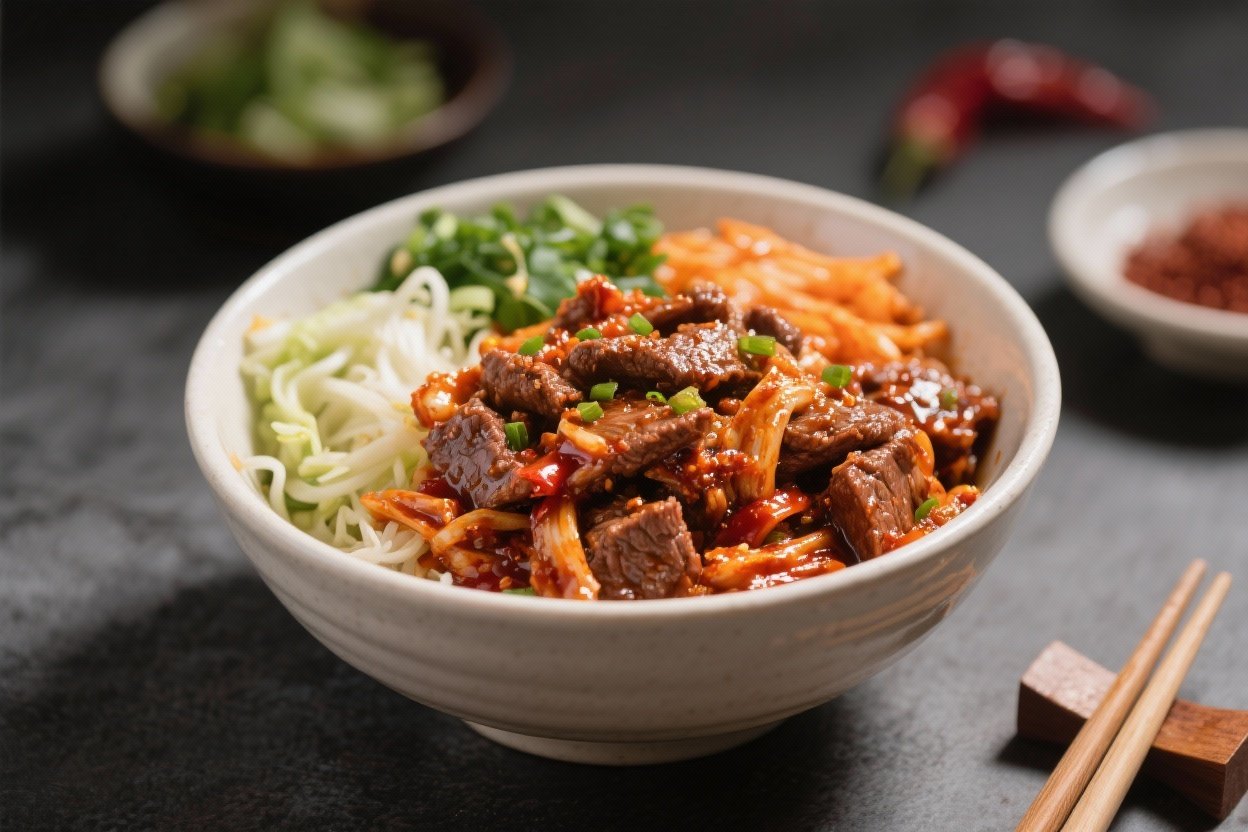
Spicy Korean Beef Bowl – Fast, Flavorful, and Weeknight-Friendly
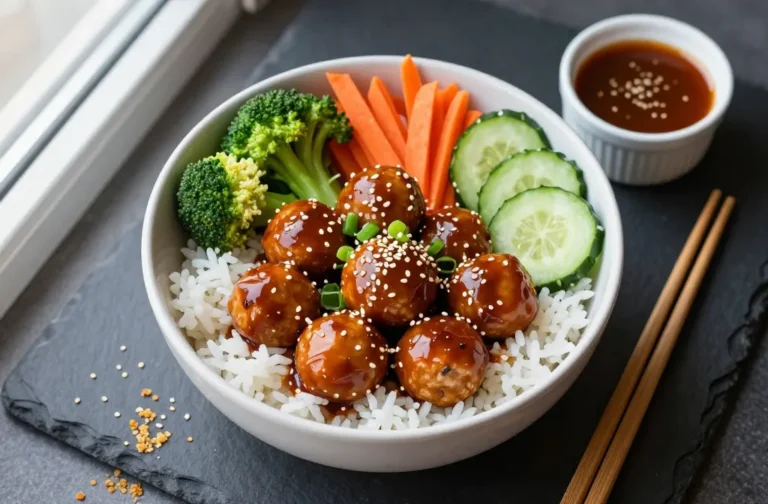
If you want big flavor with minimal effort, a Spicy Korean Beef Bowl is your weeknight hero. It’s savory, a little sweet, and just the right kind of spicy. Think tender beef, glossy sauce, warm jasmine rice, and crisp toppings that keep each bite interesting.
Never wonder what's for dinner again.
Get 7 healthy, family-friendly dinners complete with recipes, grocery lists, and simple meal plans delivered straight to your inbox.
You’ll get restaurant-level taste without a stack of dirty dishes. Best part? It comes together in about 25 minutes.
Why This Recipe Works
This bowl balances heat, sweetness, and umami.
Gochujang adds depth and a slow-building spice that feels satisfying, not harsh. Soy sauce and brown sugar create a sticky, glossy glaze that clings to the beef. Fresh ginger and garlic brighten everything so it never tastes heavy.
Quick cooking over high heat keeps the beef juicy and the vegetables crisp.
Shopping List
- Ground beef (85–90% lean), 1 pound
- Jasmine or short-grain rice, 2 cups cooked
- Gochujang (Korean chili paste), 2–3 tablespoons
- Soy sauce (regular or low-sodium), 3 tablespoons
- Brown sugar, 1–2 tablespoons
- Rice vinegar, 1 tablespoon
- Sesame oil, 1 tablespoon
- Garlic, 3–4 cloves, minced
- Fresh ginger, 1 tablespoon, grated
- Green onions, 4–5, thinly sliced
- Carrot, 1 large, julienned or shredded
- Cucumber, 1 small, thinly sliced
- Kimchi (optional but great), 1 cup
- Toasted sesame seeds, 1 tablespoon
- Neutral oil (canola or avocado), 1 tablespoon
- Red pepper flakes or gochugaru (optional), to taste
- Fried eggs (optional topping), 1 per bowl
- Salt and black pepper, to taste
Step-by-Step Instructions
- Cook the rice. Rinse your rice until the water runs clear. Cook according to package directions. Keep warm and fluffy.
Rice is the base that catches all the sauce.
- Prep your aromatics and toppings. Mince the garlic, grate the ginger, and slice the green onions. Shred the carrot and slice the cucumber. Have kimchi, sesame seeds, and eggs ready if using.
- Make the sauce. In a small bowl, whisk together gochujang, soy sauce, brown sugar, rice vinegar, and sesame oil.
Taste and adjust. For more heat, add a pinch of red pepper flakes.
- Brown the beef. Heat neutral oil in a large skillet over medium-high. Add ground beef, breaking it into small pieces.
Season lightly with salt and pepper. Cook until browned with some crispy bits, about 5–7 minutes. Drain excess fat if needed.
- Add aromatics. Push the beef to one side.
Add garlic and ginger to the open space. Stir until fragrant, about 30 seconds. Mix everything together.
- Glaze with sauce. Pour in the sauce and toss to coat.
Let it bubble for 1–2 minutes until it thickens and clings to the meat. Stir in most of the green onions, reserving some for garnish.
- Optional egg. In a separate pan, fry eggs sunny-side up or over-easy in a little oil. The runny yolk makes a silky sauce when mixed into the bowl.
- Assemble bowls. Add a scoop of warm rice to each bowl.
Top with spicy beef, carrot, cucumber, and kimchi. Sprinkle with sesame seeds and remaining green onions. Add the egg if using.
- Finish and serve. Drizzle a few drops of sesame oil or a dash of soy sauce if you like.
Serve hot and enjoy the mix of textures.
Keeping It Fresh
Leftovers keep well for 3–4 days in the fridge. Store rice and beef separately from the fresh toppings to keep textures crisp. Reheat the beef and rice gently in the microwave or a skillet with a splash of water to loosen the sauce.
Slice new cucumber and add fresh green onions right before serving. If freezing, freeze just the cooked beef for up to 2 months; thaw overnight and reheat on the stovetop.
Why This is Good for You
This bowl offers a solid balance of protein, carbs, and fats. Beef provides iron, zinc, and B vitamins for energy and focus.
Ginger and garlic bring antioxidants and may support immunity. Fermented kimchi adds probiotics that support gut health. If you choose leaner beef and use low-sodium soy sauce, you can keep saturated fat and sodium in check while still getting bold flavor.
What Not to Do
- Don’t skip the aromatics. Garlic and ginger are the backbone of the flavor.
Without them, the sauce falls flat.
- Don’t overcrowd the pan. If the beef steams instead of browns, you lose that savory caramelization. Use a large skillet and medium-high heat.
- Don’t drown it in sauce. You want a glossy glaze, not soup. Reduce until thick and shiny.
- Don’t add fresh veggies too early. Cucumber and carrot should stay crisp.
Add them at the end.
- Don’t forget to taste. Adjust salt, sweetness, and heat to your preference before serving.
Alternatives
- Protein swaps: Ground turkey, chicken, or crumbled extra-firm tofu all work. With tofu, press well and pan-sear for color before adding sauce.
- Grain options: Swap rice for quinoa, brown rice, or cauliflower rice for a lighter bowl.
- No gochujang: Use a mix of sriracha (for heat), miso (for umami), and a bit of tomato paste (for body). It’s not the same, but it’s close.
- Vegetable add-ins: Sautéed mushrooms, spinach, shredded cabbage, or snap peas add volume and nutrients.
- Low-sugar: Reduce brown sugar to 1 teaspoon and add a splash more vinegar to keep balance.
- Gluten-free: Use tamari or coconut aminos instead of soy sauce.
Check labels on gochujang, as some brands contain wheat.
- Dairy-free: This recipe is naturally dairy-free unless you add an egg, which you can skip.
FAQ
How spicy is this bowl?
Need More Easy Dinner Ideas?
Get my FREE 7-Day Easy Dinner Reset and enjoy a full week of healthy dinners without the meal-planning stress.
It’s moderately spicy with a warm, lingering heat from gochujang. You can make it milder by using less gochujang and skipping red pepper flakes. Add more gochujang or a dash of gochugaru for extra kick.
Can I make this ahead?
Yes.
Cook the beef and rice up to 3 days in advance. Reheat and add fresh toppings right before serving so the vegetables stay crisp.
What cut of beef works best if not using ground?
Thinly sliced sirloin, flank, or ribeye works well. Freeze the meat for 20 minutes to firm it up, then slice thin against the grain and cook quickly over high heat.
Is gochujang necessary?
It’s the signature flavor, but you can use a mix of chili paste and miso to mimic the sweet-spicy depth.
Look for gochujang in the Asian aisle or at Korean markets; it lasts a long time in the fridge.
How do I keep the beef from getting greasy?
Choose 85–90% lean beef and drain excess fat after browning. If needed, blot the pan with a paper towel before adding the sauce, leaving a little fat for flavor.
What’s the best rice to use?
Jasmine or short-grain white rice is ideal. They’re slightly sticky and hold the toppings well.
If you prefer whole grains, brown rice is a good swap.
Can I make it vegetarian?
Absolutely. Use crumbled extra-firm tofu or tempeh. Season it well, sear until browned, then add the sauce and finish as directed.
How do I scale this for a crowd?
Double or triple the recipe and cook the beef in batches to avoid steaming.
Keep the sauce ready and combine everything in a large skillet at the end to heat through.
Wrapping Up
A Spicy Korean Beef Bowl delivers comfort and excitement in a single dish. It’s quick, flexible, and easy to tailor to your taste and pantry. Once you make it, you’ll keep the sauce formula in your back pocket for busy nights.
Keep it simple, keep it hot, and enjoy every saucy, crunchy bite.
Loved This Recipe?
If you're looking for more simple, healthy dinners your family will actually eat, grab my FREE 7-Day Easy Dinner Reset. You'll get 7 easy dinner recipes, simple grocery lists, and a done-for-you plan that takes the stress out of mealtime.