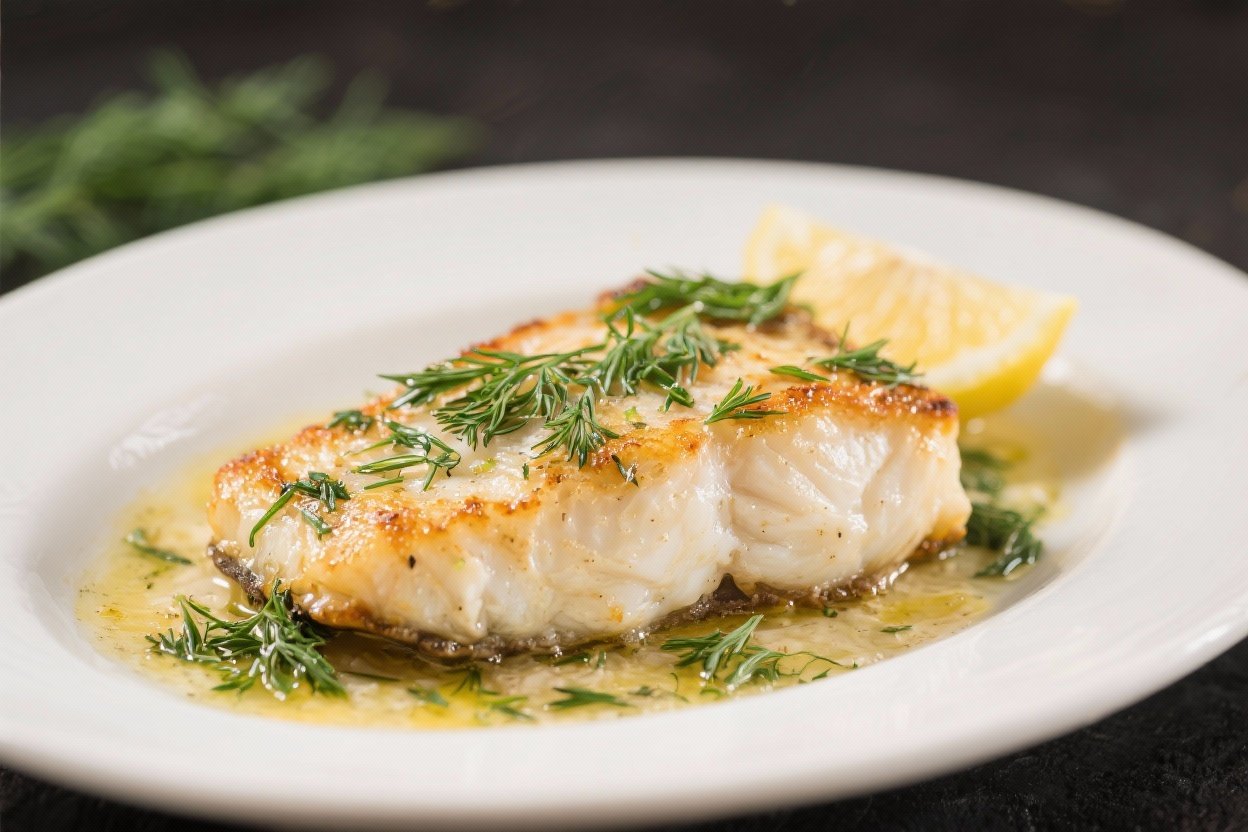
Baked Cod With Lemon & Dill – Bright, Simple, and Weeknight-Friendly
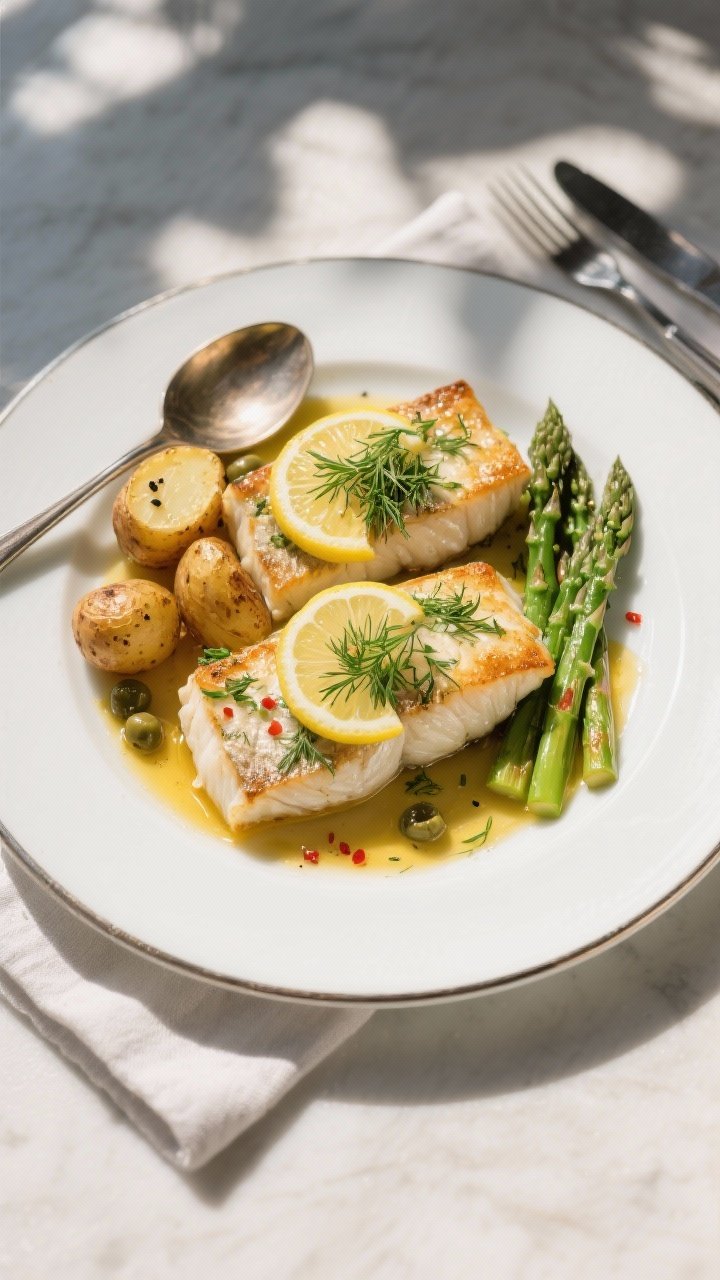
Cod is the kind of fish that just makes dinner easy. It’s mild, flaky, and happy to take on bold, fresh flavors. Here, lemon and dill do the heavy lifting, giving you a clean, zesty finish that tastes like sunshine.
Never wonder what's for dinner again.
Get 7 healthy, family-friendly dinners complete with recipes, grocery lists, and simple meal plans delivered straight to your inbox.
Everything bakes together in one pan, so cleanup is minimal and stress stays low. Whether you’re cooking for two or feeding a family, this dish lands in that sweet spot: simple enough for a Tuesday, special enough for company.
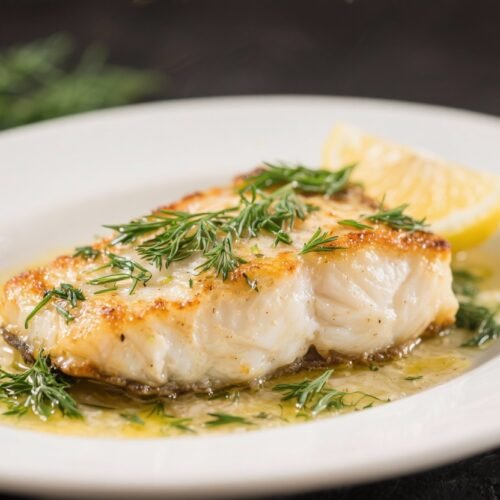
Baked Cod With Lemon & Dill – Bright, Simple, and Weeknight-Friendly
Ingredients
- Cod fillets (1.5 to 2 pounds, skinless if possible, cut into 4 pieces)
- Lemons (2, for juice and slices)
- Fresh dill (a small bunch, about 1/4 cup chopped)
- Garlic (2–3 cloves, minced)
- Olive oil (2–3 tablespoons)
- Butter (2 tablespoons, optional but recommended)
- Salt and black pepper
- Paprika (optional, for color and warmth)
- Red pepper flakes (optional, for a hint of heat)
- Capers (1–2 tablespoons, optional for briny pop)
Instructions
- Heat the oven: Set to 400°F (200°C). Line a baking dish with parchment or lightly oil it to prevent sticking.
- Prep the cod: Pat fillets dry with paper towels. Dry fish browns better and releases less water as it bakes.
- Season generously: Sprinkle both sides with salt and black pepper. Add a light dusting of paprika if using.
- Make the lemon-dill mixture: In a small bowl, combine 2 tablespoons olive oil, juice of 1 lemon, minced garlic, and half the chopped dill. Whisk together. Taste and adjust salt if needed.
- Assemble in the dish: Place cod in a single layer. Spoon the lemon-dill mixture over the top. Dot with small pieces of butter for extra richness. Scatter capers if using. Lay thin lemon slices over the fillets.
- Bake: Cook for 10–14 minutes, depending on thickness. Cod is done when it flakes easily with a fork and looks opaque throughout. Aim for an internal temperature of 130–135°F (54–57°C) for moist, tender fish; it will rise a few degrees off heat.
- Finish with herbs: Sprinkle the remaining dill over the hot fish. Add a final squeeze of lemon if you like it extra bright.
- Serve: Spoon the pan juices over the fillets. Pair with roasted potatoes, steamed green beans, asparagus, or a simple salad.
Why This Recipe Works

- Mild fish, bold flavor: Cod’s neutral taste lets lemon, dill, and a touch of garlic shine without overpowering the fish.
- Moist and flaky: A quick bake at a moderate heat keeps the fillets tender, not dry.
- Balanced acidity: Fresh lemon juice wakes up the dish while olive oil rounds the edges, creating a bright, smooth finish.
- Minimal prep: No marinating needed. A simple seasoning and into the oven it goes.
- Versatility: Works with frozen cod (thawed), other white fish, or even as a base for a sheet-pan meal with veggies.
Shopping List
- Cod fillets (1.5 to 2 pounds, skinless if possible, cut into 4 pieces)
- Lemons (2, for juice and slices)
- Fresh dill (a small bunch, about 1/4 cup chopped)
- Garlic (2–3 cloves, minced)
- Olive oil (2–3 tablespoons)
- Butter (2 tablespoons, optional but recommended)
- Salt and black pepper
- Paprika (optional, for color and warmth)
- Red pepper flakes (optional, for a hint of heat)
- Capers (1–2 tablespoons, optional for briny pop)
Instructions
- Heat the oven: Set to 400°F (200°C).
Line a baking dish with parchment or lightly oil it to prevent sticking.
- Prep the cod: Pat fillets dry with paper towels. Dry fish browns better and releases less water as it bakes.
- Season generously: Sprinkle both sides with salt and black pepper. Add a light dusting of paprika if using.
- Make the lemon-dill mixture: In a small bowl, combine 2 tablespoons olive oil, juice of 1 lemon, minced garlic, and half the chopped dill.
Whisk together. Taste and adjust salt if needed.
- Assemble in the dish: Place cod in a single layer. Spoon the lemon-dill mixture over the top.
Dot with small pieces of butter for extra richness. Scatter capers if using. Lay thin lemon slices over the fillets.
- Bake: Cook for 10–14 minutes, depending on thickness.
Cod is done when it flakes easily with a fork and looks opaque throughout. Aim for an internal temperature of 130–135°F (54–57°C) for moist, tender fish; it will rise a few degrees off heat.
- Finish with herbs: Sprinkle the remaining dill over the hot fish. Add a final squeeze of lemon if you like it extra bright.
- Serve: Spoon the pan juices over the fillets.
Pair with roasted potatoes, steamed green beans, asparagus, or a simple salad.
Keeping It Fresh
Fresh cod should smell clean and faintly briny, not fishy. Look for firm, translucent flesh without excessive moisture in the package. If you’re using frozen fillets, thaw them in the fridge overnight or in a sealed bag under cold running water.
Once cooked, store leftovers in a sealed container in the fridge for up to 2 days.
Reheat gently at 300°F (150°C) for 8–10 minutes or in a covered pan over low heat with a splash of water or broth. Avoid microwaving on high—it can dry the fish out fast.
Why This is Good for You
Cod is a lean, high-protein fish with minimal saturated fat. It delivers iodine for thyroid function and vitamin B12 for energy and nerve health.
The olive oil adds heart-healthy monounsaturated fats, while lemon brings vitamin C and helps brighten flavor without extra sodium.
Dill and garlic contribute antioxidants and fresh, herbaceous notes, encouraging you to rely less on heavy sauces. The result is a light yet satisfying meal that fits into many eating styles—from Mediterranean to low-carb.
Common Mistakes to Avoid
- Overcooking the fish: Cod turns dry quickly. Start checking at 10 minutes and pull it as soon as it flakes.
- Skipping the pat-dry step: Excess surface moisture steams the fish instead of baking it nicely.
- Not salting enough: Cod needs sufficient seasoning to bring out its delicate flavor.
Salt both sides before baking.
- Using old lemons or dried dill: The bright flavor depends on fresh lemon and fresh dill. If dill isn’t available, use parsley or chives instead of dried dill.
- Crowding the pan: Give the fillets a bit of space so heat circulates and the sauce reduces slightly.
Alternatives
Need More Easy Dinner Ideas?
Get my FREE 7-Day Easy Dinner Reset and enjoy a full week of healthy dinners without the meal-planning stress.
- Different fish: This approach works with haddock, pollock, halibut, or tilapia. Adjust cooking time for thickness.
- Herb swap: Try parsley, tarragon, chives, or a mix.
Tarragon adds a soft anise note that pairs well with lemon.
- Citrus twist: Use lime or a mix of lemon and orange for a rounder sweetness. Add zest for extra aromatic punch.
- Dairy-free: Skip butter and increase olive oil slightly. The result stays light and flavorful.
- Veggie add-ins: Layer the pan with thin-sliced zucchini, cherry tomatoes, or asparagus tossed with olive oil, salt, and pepper.
Roast them for 5–7 minutes first, then add the fish on top to finish.
- Pan-seared option: Sear cod in a hot skillet with oil for 2–3 minutes per side, then spoon on a quick lemon-dill butter off heat.
FAQ
How do I know when cod is fully cooked?
It should flake easily with a fork and look opaque throughout. If you have a thermometer, aim for 130–135°F (54–57°C) in the thickest part. Pull it as soon as it hits temp; residual heat will finish the job.
Can I use frozen cod?
Yes, just thaw it completely and pat it dry before seasoning.
Frozen cod can release more water, so drying it well helps prevent sogginess.
What if I don’t like dill?
Use parsley, chives, or a combination. You’ll still get fresh, green flavor without the distinctive dill note.
Is it okay to make this ahead?
Fish is best cooked right before serving. You can prep the lemon-dill mixture earlier in the day and keep it in the fridge.
Season and bake the fish just before dinner.
How can I keep the cod from sticking?
Lightly oil the baking dish or line it with parchment. Also, pat the fish dry so it doesn’t release too much liquid, which can create stickiness.
Can I make it spicier?
Absolutely. Add red pepper flakes to the lemon-dill mixture or sprinkle Aleppo pepper on top for a warm, gentle heat.
What should I serve on the side?
Great options include roasted baby potatoes, sautéed spinach, garlic rice, or a crisp salad with cucumber and feta.
Keep sides simple to let the lemon and dill shine.
Wrapping Up
Baked Cod with Lemon & Dill is what weeknight cooking should feel like—fresh, unfussy, and reliably delicious. With a handful of ingredients and a short bake time, you get flaky fish, bright citrus, and just enough richness to satisfy. Keep this one in your rotation for nights when you want real food without the fuss.
And don’t forget: a squeeze of lemon at the end makes everything taste even better.
Printable Recipe Card
Want just the essential recipe details without scrolling through the article? Get our printable recipe card with just the ingredients and instructions.
Loved This Recipe?
If you're looking for more simple, healthy dinners your family will actually eat, grab my FREE 7-Day Easy Dinner Reset. You'll get 7 easy dinner recipes, simple grocery lists, and a done-for-you plan that takes the stress out of mealtime.