Caprese Salad with Balsamic Glaze That Wows Effortlessly
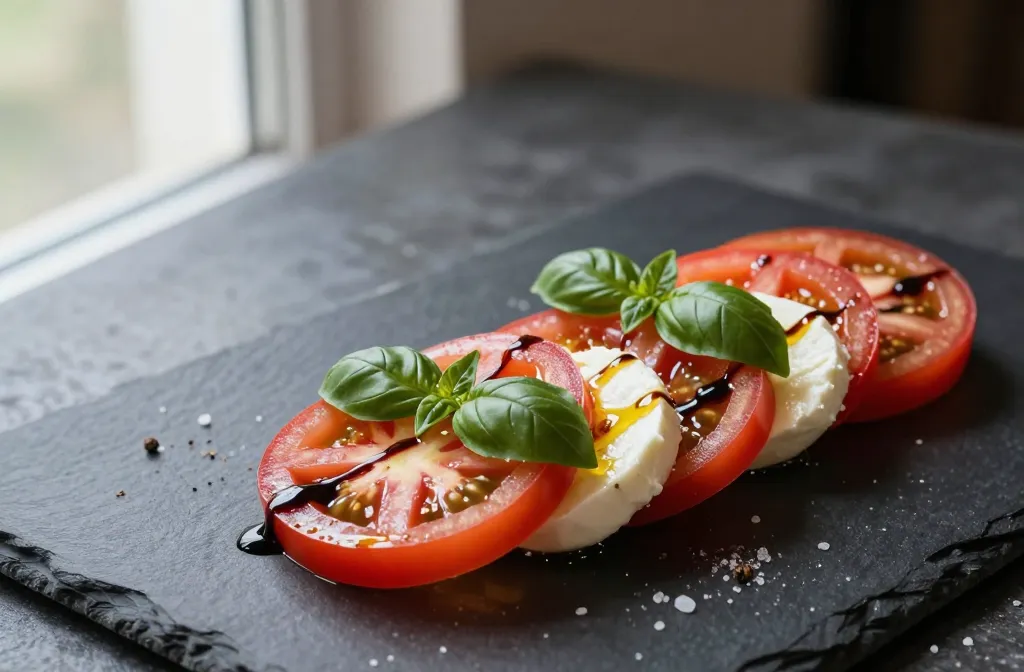
Caprese salad doesn’t need a grand introduction, so let’s not pretend it does. It’s juicy tomatoes, creamy mozzarella, fragrant basil, and a glossy balsamic glaze that makes everything sing. You plate it, drizzle it, and suddenly you look like the kind of person who has opinions about olive oil (you should). Ready to elevate a classic with zero stress and maximum flavor?
Why Caprese Works (And Why the Glaze Matters)
Caprese hits that sweet spot of simple ingredients doing the heavy lifting. You’ve got acidity from tomato, richness from mozzarella, and peppery freshness from basil. Then the balsamic glaze swoops in like a plot twist—sweet, tangy, and thick enough to cling to every bite.
The glaze also adds texture and polish. It turns a humble plate of slices into something that feels intentional. FYI: it also makes people think you cooked, which is hilarious and delightful.
Overeating is a pattern. This helps you fix that problem. A quick reset for cravings, snacking, and “I’ll start tomorrow” moments.
Built for busy home cooks who want real-life structure. Simple steps that fit meal prep, family dinners, and late-night snack attacks.
Ingredients That Actually Matter
Let’s not overcomplicate this. You need great ingredients, not a 30-step process. Here’s what to grab:
- Tomatoes: Ripe, in-season, and heavy for their size. Heirlooms if you’re fancy; good vine-ripened if you’re not.
- Fresh mozzarella: The kind packed in liquid. Burrata if you want to blow minds.
- Fresh basil: Whole leaves. Tear gently for drama.
- Extra-virgin olive oil: Fruity and peppery. If it smells like a green meadow, you’re winning.
- Sea salt and black pepper: Flaky salt works best; fresh-cracked pepper only, please.
- Balsamic glaze: Store-bought or homemade (more on that in a sec).
What Makes a Good Balsamic
You don’t need a $50 bottle, but don’t use the dusty one from your last apartment either. Look for:
- Grape must as the first ingredient
- Aged varieties for depth
- No unnecessary sugar if you plan to reduce it anyway
IMO, a mid-range balsamic reduced into a glaze beats most budget store-bought glazes.
How to Make a Balsamic Glaze That Doesn’t Burn
Homemade glaze tastes cleaner and lets you control the sweetness. Also, it makes your kitchen smell like a tiny Italian bistro.
- Pour 1 cup balsamic vinegar into a small saucepan.
- Optional: Add 1–2 teaspoons honey or brown sugar for a softer sweetness.
- Bring to a gentle simmer over medium heat. Stir occasionally.
- Reduce heat to low and simmer 10–15 minutes until it coats the back of a spoon.
- Remove from heat; it will thicken more as it cools. Aim for syrupy, not sludge.
Pro tip: If it turns bitter, you went too hot or too long. Keep it gentle—think cozy bubble, not aggressive boil.
Shortcuts That Don’t Suck
No time? Buy a quality glaze. Look for a short ingredient list and skip anything that tastes like candy. Some brands hit the balance nicely without leaning syrupy.
Assembling a Caprese That Looks Restaurant-Level
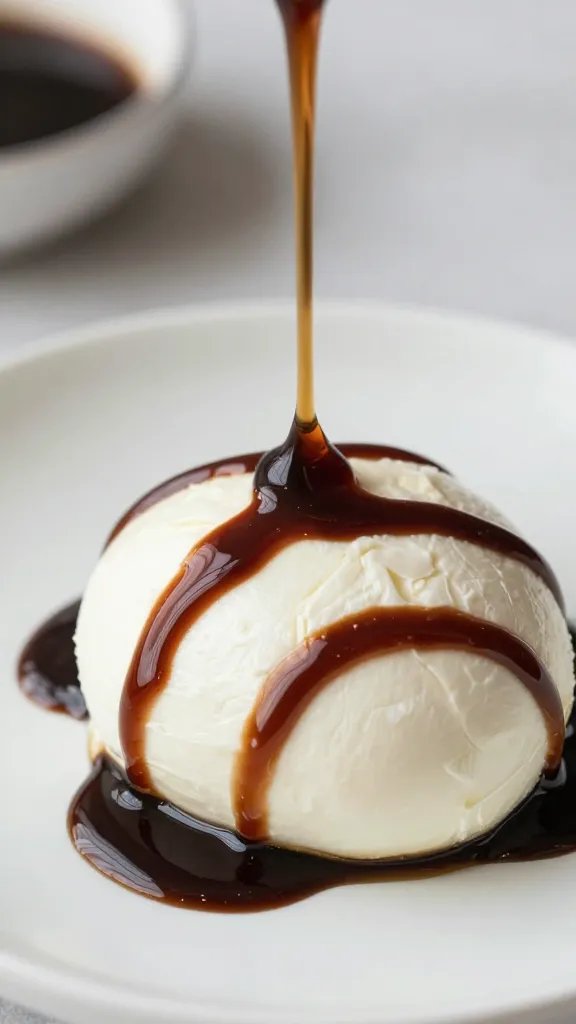
You can stack it, fan it, or freestyle it. Just give it some negative space and let the colors pop.
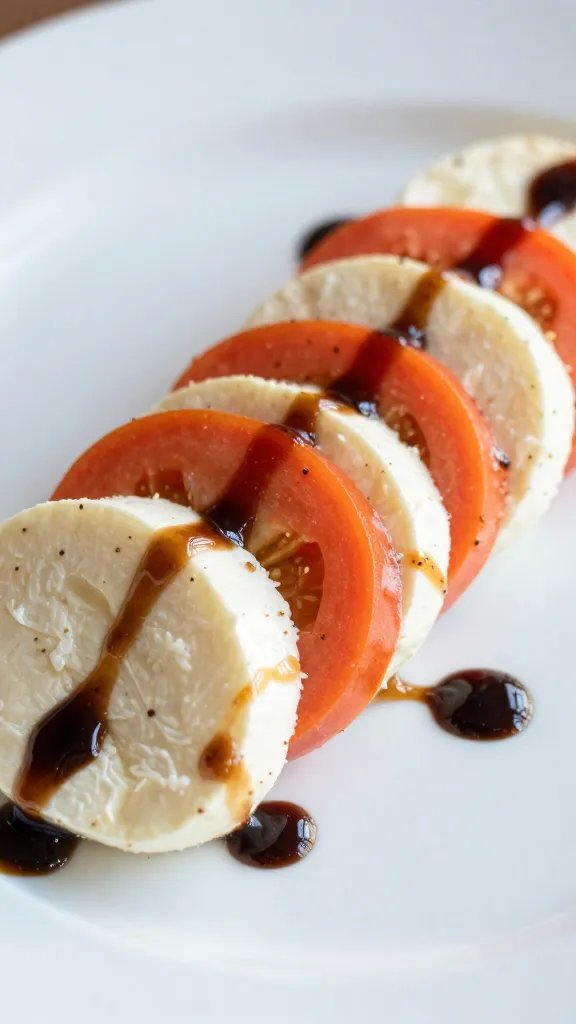
- Slice tomatoes and mozzarella into 1/4-inch rounds.
- Alternate tomato and mozzarella on a platter; tuck basil leaves between slices.
- Drizzle olive oil generously.
- Splash or zig-zag the balsamic glaze. Don’t drown it—use just enough to shine.
- Finish with flaky salt and fresh-cracked pepper.
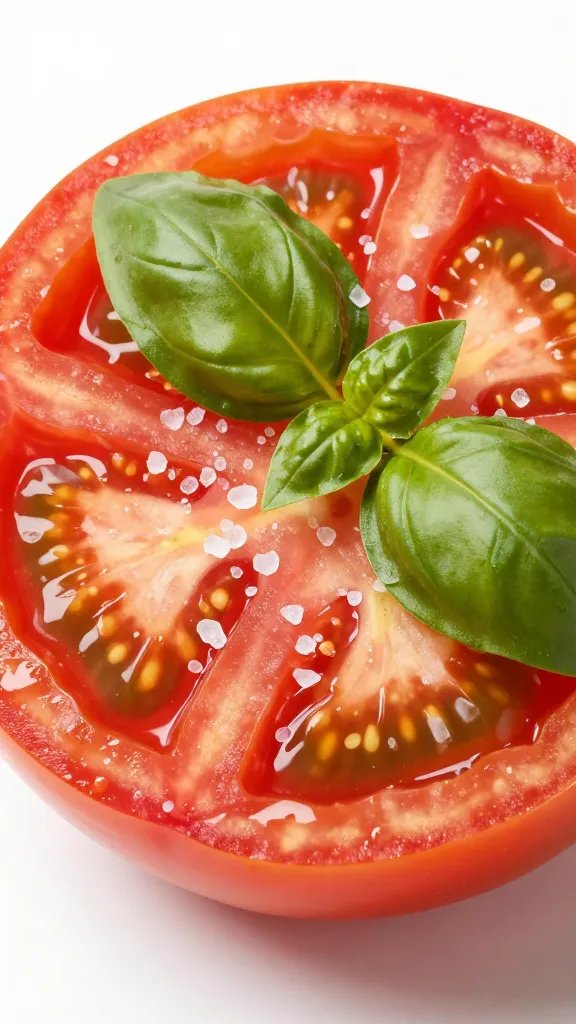
Golden rule: Season the tomatoes directly. Salt coaxes out their juice and makes the whole dish sing. Pepper goes last for aroma.
Serving Temperature Matters
Cold mozzarella tastes bland. Let it sit at room temp for 20–30 minutes before serving. Tomatoes too—chilled tomatoes lose flavor. Warm(ish) ingredients equal a better salad, FYI.
Variations That Keep Things Interesting
You can respect tradition and still have fun. Here are twists that keep the spirit while adding personality.
- Stone fruit Caprese: Swap some tomatoes for ripe peaches or nectarines. Sweet + salty = yes.
- Roasted cherry tomato Caprese: Roast tomatoes with olive oil and thyme at 400°F until blistered. Add to fresh mozzarella for contrast.
- Caprese skewers: Cherry tomatoes, mini mozz, basil, and a drizzle of glaze. Instant party food.
- Burrata upgrade: Use burrata instead of mozzarella. Add crushed pistachios for crunch. Extra, but worth it.
- Herb riff: Add mint or chives with basil for a brighter profile.
- Crunch factor: Toasted pine nuts or a few garlicky breadcrumbs add texture without hijacking the vibe.
When Tomatoes Aren’t in Season
Go with small cherry or grape tomatoes—they usually taste better off-season. Or roast them, as mentioned. A meh tomato needs help; a roast fixes a lot of sins, IMO.
Pairings That Make It a Meal
Caprese can star or play a strong supporting role. Serve it with:
- Crusty bread: To catch the juices and glaze. Bread is essential, not optional.
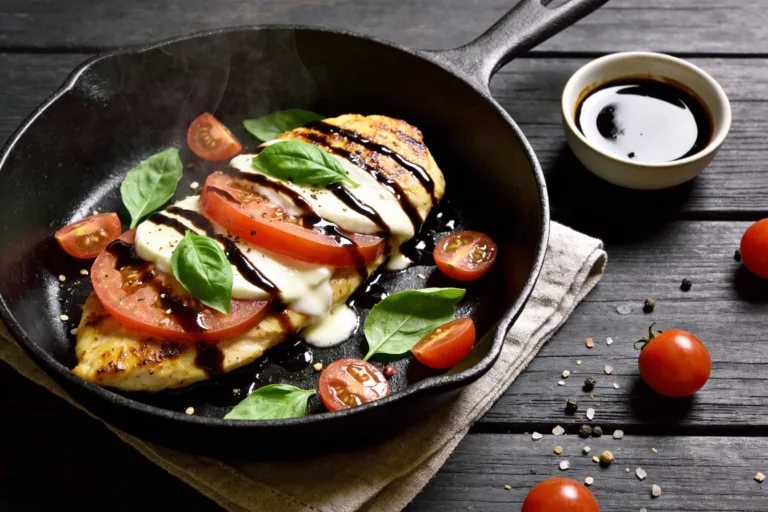
- Grilled chicken or steak: The acidity from the salad cuts through richness.
- Pasta al limone: Light, lemony noodles love Caprese on the side.
- Wine: A crisp Sauvignon Blanc, a light Pinot Noir, or a dry rosé. Nothing too oaky.
Bonus move: Use leftover Caprese in a sandwich with prosciutto. Toasted sourdough, a smear of pesto, life upgraded.
Common Mistakes (And How to Avoid Them)
Let’s save you from sadness. These are the usual suspects:
- Using cold ingredients: Bring tomatoes and cheese to room temp.
- Watery mozzarella: Pat it dry so your plate doesn’t flood.
- Over-reducing glaze: Stop early; it thickens as it cools.
- Under-seasoning: Salt the tomatoes and finish with flaky salt.
- Bad olive oil: If it tastes flat, your salad will too.
FAQ
Can I make Caprese salad ahead of time?
You can prep components, but assemble right before serving. Slice tomatoes and mozzarella up to 2 hours ahead, keep them covered at room temp, and make the glaze. Add basil, oil, salt, pepper, and glaze at the last minute so nothing wilts or waters out.
What’s the difference between balsamic vinegar and balsamic glaze?
Balsamic vinegar is thin and tangy; glaze is balsamic that’s been reduced until syrupy, sometimes with a touch of sweetener. The glaze clings to the salad and adds a richer, slightly sweet note. Both taste great, but glaze looks prettier and stays put.
Do I need to peel tomatoes?
Nope. The skins add structure and color. If you’re using thick-skinned or very large tomatoes, you can slice thinner or mix in some heirlooms for a softer bite. Save peeling for sauces.
What’s the best mozzarella for Caprese?
Fresh mozzarella packed in brine wins every time. If you like extra creaminess, use burrata. Avoid low-moisture mozzarella (the pizza kind); it tastes fine melted, but here it feels rubbery.
Can I use dried basil?
Hard no. Dried basil doesn’t bring the fresh, peppery fragrance this salad needs. If you can’t get fresh basil, swap in a few mint leaves and a drizzle of pesto to cheat the flavor profile.
Is store-bought glaze okay?
Yes, as long as it isn’t cloyingly sweet. Taste a drop—if it reminds you of dessert sauce, skip it or cut it with a splash of straight balsamic to balance it out.
Conclusion
Caprese with balsamic glaze nails that “I barely tried yet I’m a genius” energy. It’s fresh, fast, and wildly satisfying when you use solid ingredients and a light hand. Keep it simple, season well, and let the glaze do the flexing. Dinner hero status unlocked.