Chicken Piccata With Garlic Butter Sauce – Bright, Silky, and Weeknight-Friendly
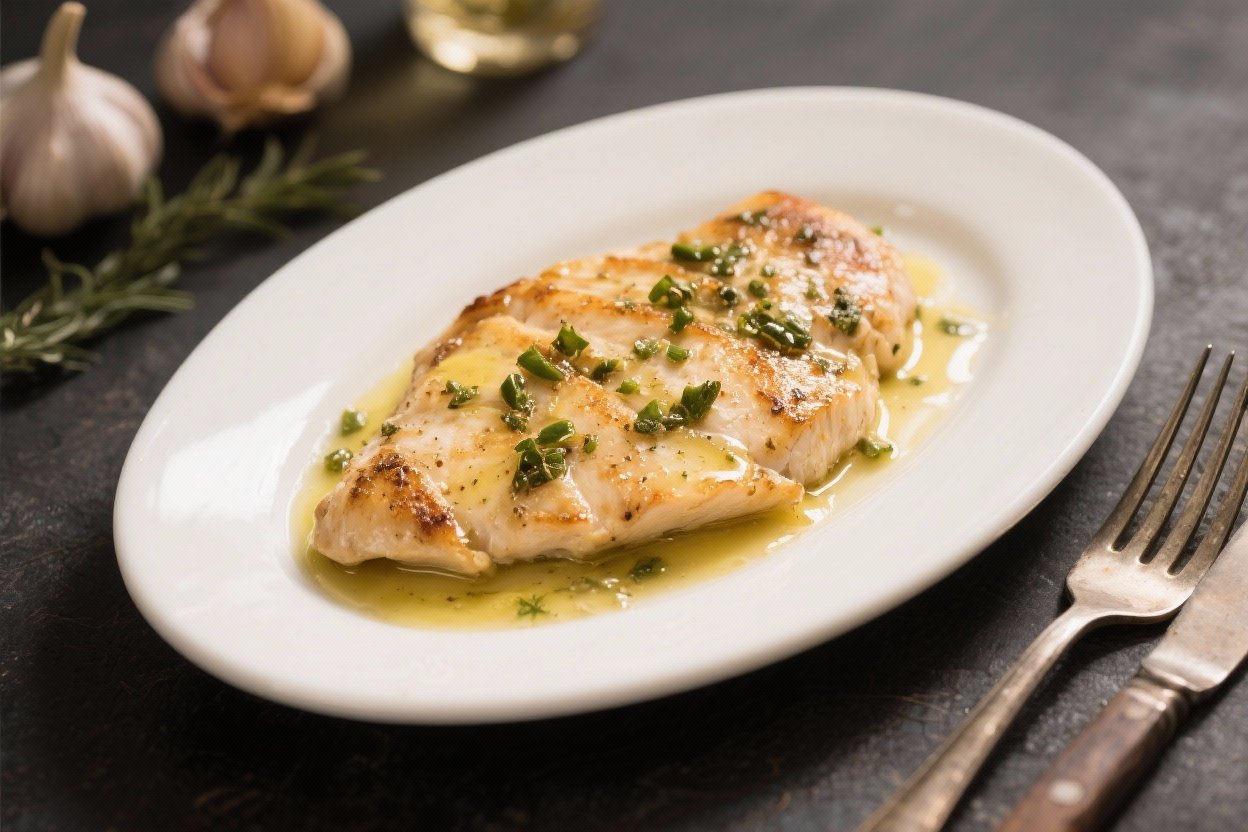
Chicken piccata is one of those dishes that tastes like a restaurant favorite but comes together in a busy weeknight kitchen. Tender chicken cutlets, a tangy lemon-caper pan sauce, and a finish of rich garlic butter make each bite lively and comforting. The sauce is silky, the chicken is juicy, and the whole thing cooks in one skillet.
If you like big flavor from simple ingredients, this is the kind of recipe you’ll make again and again. It’s quick, it’s reliable, and it always feels a little special.
Overeating is a pattern. This helps you fix that problem. A quick reset for cravings, snacking, and “I’ll start tomorrow” moments.
Built for busy home cooks who want real-life structure. Simple steps that fit meal prep, family dinners, and late-night snack attacks.
Why This Recipe Works
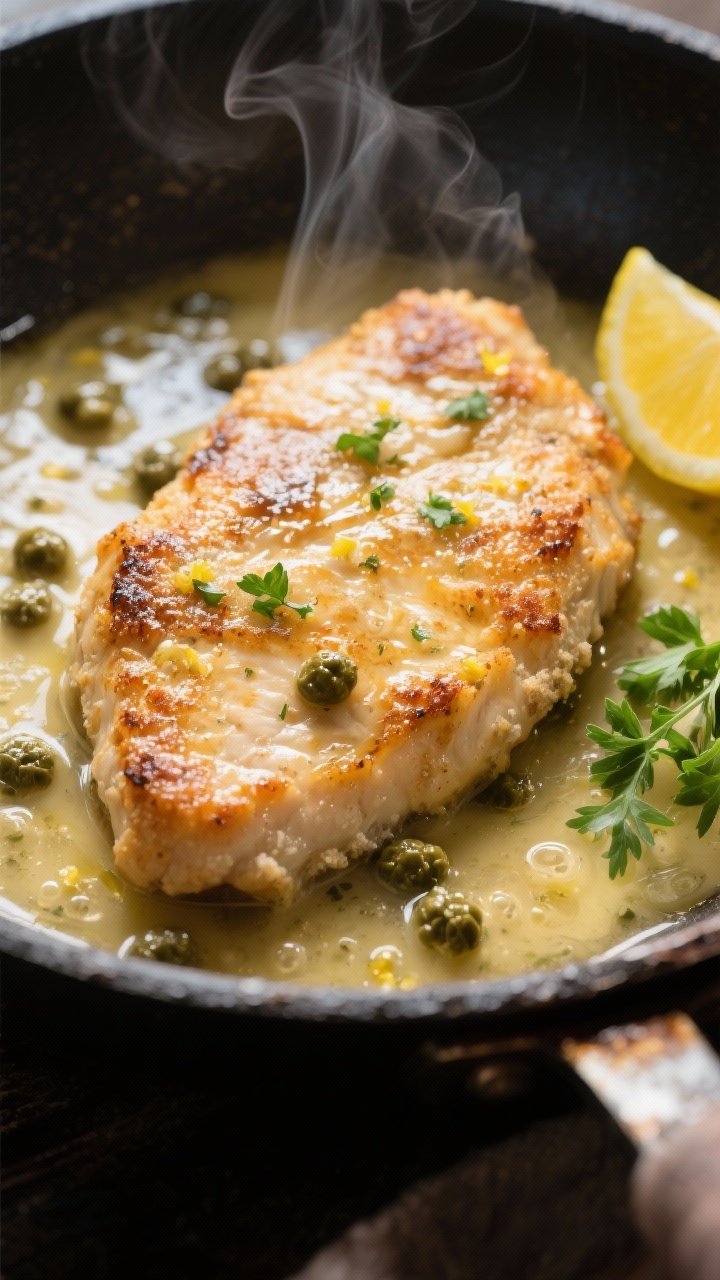
This version leans on a few smart techniques. Thin chicken cutlets cook fast and stay juicy, so you get a golden crust without drying out the meat.
A light dusting of flour helps the chicken brown and gives the sauce body without turning it thick or heavy. Lemon juice and capers bring brightness, while chicken stock stretches the sauce and adds savory depth. A swirl of garlic butter at the end ties it all together, giving you a glossy finish and round, balanced flavor.
Ingredients
- 4 thin chicken cutlets (about 1 to 1.25 pounds total), or 2 chicken breasts sliced horizontally
- Kosher salt and freshly ground black pepper
- 1/2 cup all-purpose flour, for dredging
- 2–3 tablespoons olive oil
- 3 tablespoons unsalted butter, divided
- 3–4 garlic cloves, minced
- 1/2 cup dry white wine (optional; substitute more stock if you prefer)
- 3/4 cup low-sodium chicken stock
- 1 large lemon (zest and 3–4 tablespoons juice)
- 2 tablespoons capers, drained
- Fresh parsley, chopped (about 2 tablespoons)
- Lemon slices (optional, for garnish)
Step-by-Step Instructions
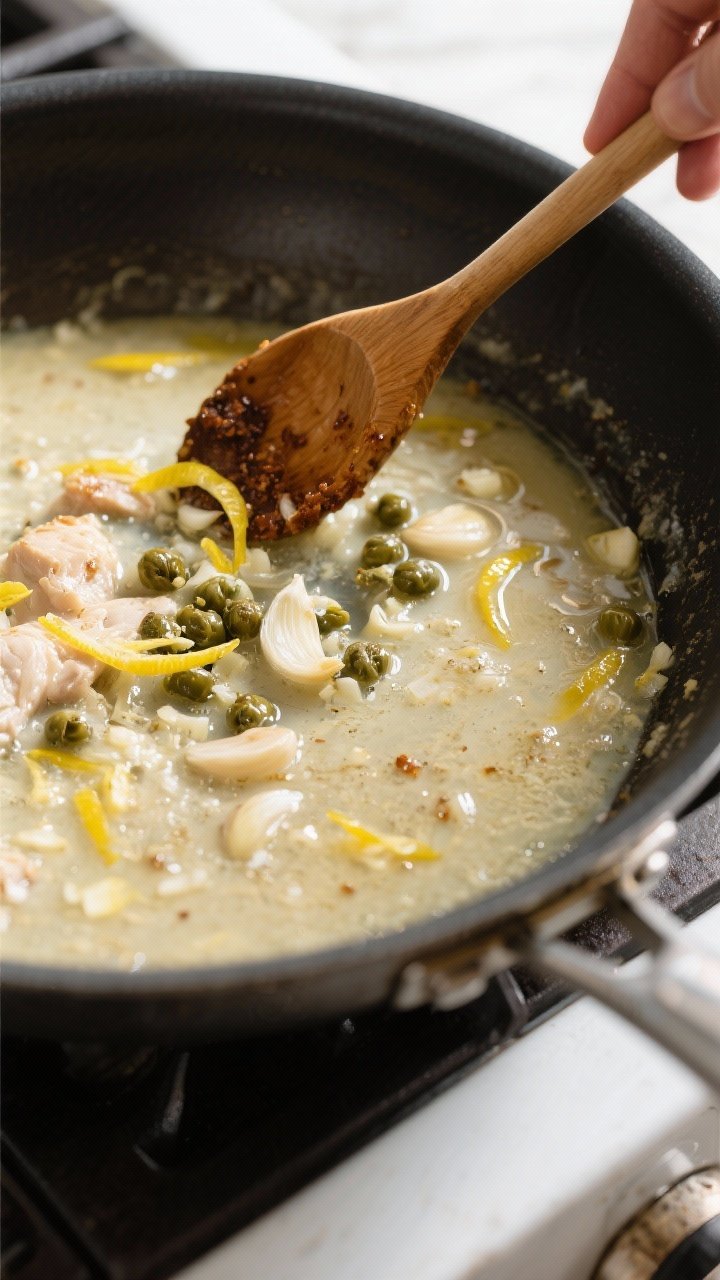
- Prep the chicken. Pat the cutlets dry.
Season both sides with salt and pepper. Place the flour in a shallow dish and lightly dredge each cutlet, shaking off excess. A thin, even coat is key.
- Brown the cutlets. Heat 2 tablespoons of olive oil and 1 tablespoon of butter in a large skillet over medium-high heat. When hot and shimmering, add the chicken in a single layer.
Cook 2–3 minutes per side until golden and just cooked through. Transfer to a plate and tent loosely with foil. If needed, add a splash more oil between batches.
- Sauté the garlic. Reduce heat to medium.
Add 1 tablespoon butter and the minced garlic. Cook 30–45 seconds, stirring, until fragrant. Do not brown the garlic—it should smell nutty, not bitter.
- Deglaze. Pour in the white wine (if using). Scrape up the browned bits from the pan with a wooden spoon.
Let it simmer 1–2 minutes to reduce by about half and cook off the alcohol.
- Build the sauce. Stir in the chicken stock, lemon zest, and 2–3 tablespoons lemon juice to start. Add the capers. Bring to a lively simmer and cook 3–4 minutes, until slightly reduced and glossy.
Taste and adjust acidity with more lemon juice as needed.
- Finish with butter. Turn heat to low and swirl in the final 1 tablespoon of butter until the sauce looks silky. Do not boil after adding the butter or the sauce can break.
- Return the chicken. Add the cutlets and any juices back to the pan. Spoon sauce over the top and warm for 1–2 minutes. Sprinkle with chopped parsley and garnish with lemon slices if you like.
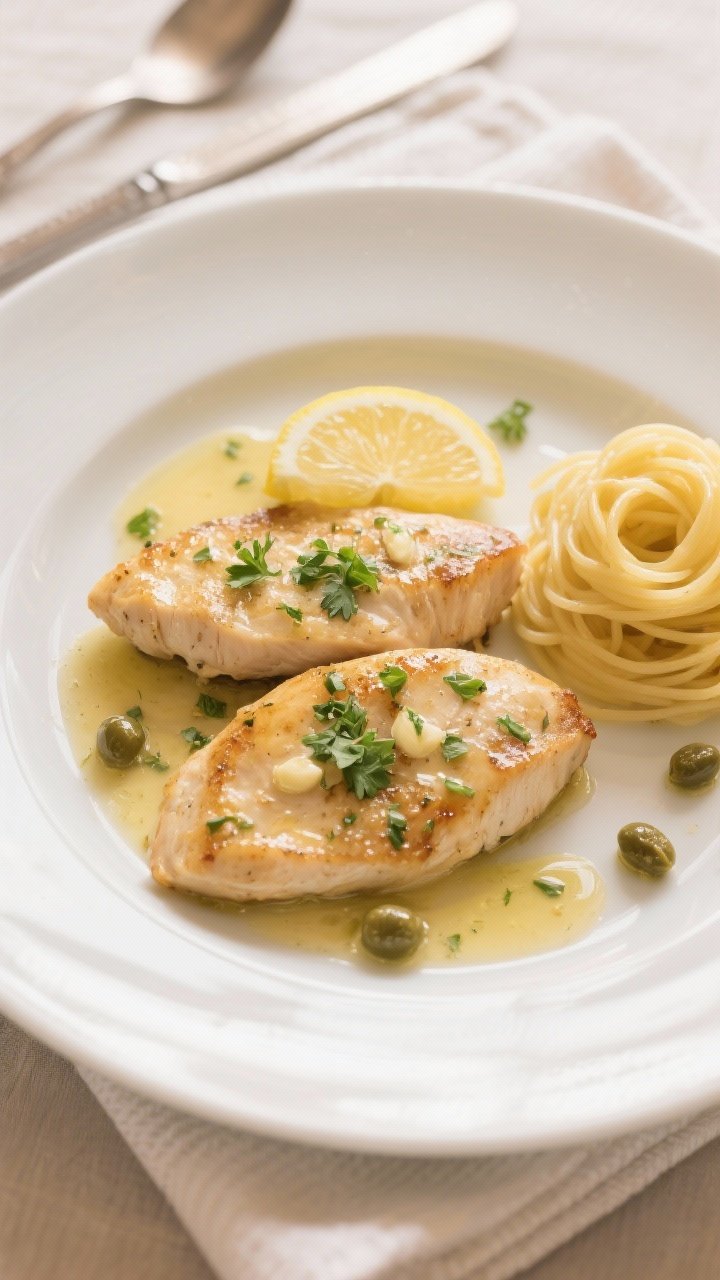
- Serve. Plate the chicken with extra sauce.
Try it with buttered pasta, mashed potatoes, roasted asparagus, or a crisp green salad.
How to Store
- Refrigerate: Cool completely, then store chicken and sauce together in an airtight container for up to 3 days.
- Reheat: Warm gently in a skillet over low heat, adding a splash of stock or water to loosen the sauce. Avoid boiling to keep the sauce emulsified and the chicken tender.
- Freeze: Not ideal due to the butter emulsification, but possible. Freeze up to 2 months.
Thaw overnight in the fridge and reheat gently with a bit of stock and a small knob of butter to restore texture.
Benefits of This Recipe
- Fast and reliable: Thin cutlets cook quickly, so dinner hits the table in about 25–30 minutes.
- Balanced flavor: Bright lemon and briny capers cut through the richness of butter for a clean, lively finish.
- One-pan cleanup: Everything builds in the same skillet, which means fewer dishes.
- Flexible pairing: Pairs well with pasta, rice, vegetables, or a simple salad, so you can match it to what you have on hand.
- Restaurant-quality at home: The sauce feels special without extra steps or hard-to-find ingredients.

Pitfalls to Watch Out For
- Overcooking the chicken: Thin cutlets go from perfect to dry quickly. Aim for 160–165°F internal temperature and pull them off the heat promptly.
- Burning the garlic: Turn the heat down before adding garlic and stir constantly. Bitter garlic will dominate the dish.
- Breaking the sauce: Whisk in butter off the boil.
If the pan is too hot, the emulsion can split and look greasy.
- Too tart or too salty: Balance lemon gradually and taste as you go. Capers are salty, so use low-sodium stock and control your seasoning.
- Skipping the fond: Those browned bits on the pan equal flavor. Scrape them up when deglazing for depth.
Alternatives
- No wine: Replace with more chicken stock and an extra teaspoon of lemon juice.
You’ll keep the brightness without alcohol.
- Gluten-free: Use a gluten-free all-purpose flour blend or fine rice flour for dredging. It will still brown nicely.
- Dairy-free: Swap butter for a high-quality vegan butter or olive oil. The flavor will be lighter but still delicious.
- Protein swap: Try thin pork cutlets or turkey cutlets.
Cook times will be similar; watch doneness closely.
- Herb twist: Add a few thyme sprigs or a pinch of oregano with the garlic. Finish with extra parsley or chives for freshness.
- Extra silky sauce: Whisk 1 teaspoon cold butter per serving at the very end (a classic “monte au beurre”) for extra sheen.
FAQ
Can I make this ahead?
You can brown the chicken and make the sauce a few hours in advance, then reheat gently and finish with a small knob of butter before serving. For best texture, store chicken and sauce together and reheat slowly.
What can I use instead of capers?
Chopped green olives or a small amount of minced pickled pepperoncini deliver a similar briny note.
If you omit entirely, add a pinch more salt and an extra squeeze of lemon for balance.
Is the wine necessary?
No. It adds subtle complexity, but chicken stock and lemon juice alone make a bright, flavorful sauce. If skipping wine, consider a teaspoon of white wine vinegar or extra lemon to boost acidity.
How do I keep the chicken juicy?
Use even, thin cutlets, don’t overcook, and let the chicken rest briefly after browning.
Returning it to the sauce for just a minute warms it through without drying it out.
What sides go best with chicken piccata?
Butter or olive-oil tossed pasta, garlic mashed potatoes, steamed green beans, roasted asparagus, sautéed spinach, or a simple arugula salad are all great matches for the lemony sauce.
Can I thicken the sauce more?
If you want a slightly thicker finish, simmer a minute longer to reduce, or whisk in 1/2 teaspoon cornstarch mixed with 1 tablespoon cold stock. Add slowly and simmer just until glossy.
How do I make it less tangy?
Use less lemon juice and rely more on stock. You can also stir in an extra teaspoon of butter at the end to soften the edges of the acidity.
Wrapping Up
Chicken Piccata with Garlic Butter Sauce brings together bright lemon, briny capers, and a silky finish in a quick, dependable recipe.
It’s friendly to weeknights but polished enough for company, and it pairs easily with whatever you’re serving. Keep the steps simple, mind the heat, and taste as you go. You’ll get juicy chicken and a glossy, balanced sauce every time.
Printable Recipe Card
Want just the essential recipe details without scrolling through the article? Get our printable recipe card with just the ingredients and instructions.