Classic Ciabatta Bread That Crackles and Glows Up
Ciabatta doesn’t whisper; it crackles. One bite and you get that shattering crust, then a tender, custardy interior that soaks up olive oil like it was born for it. You don’t need a fancy oven or a century-old starter either—just patience, a messy counter, and flour in your hair. Let’s turn a shaggy dough into the loaf that basically invented the modern sandwich glow-up.
What Makes Ciabatta… Ciabatta?
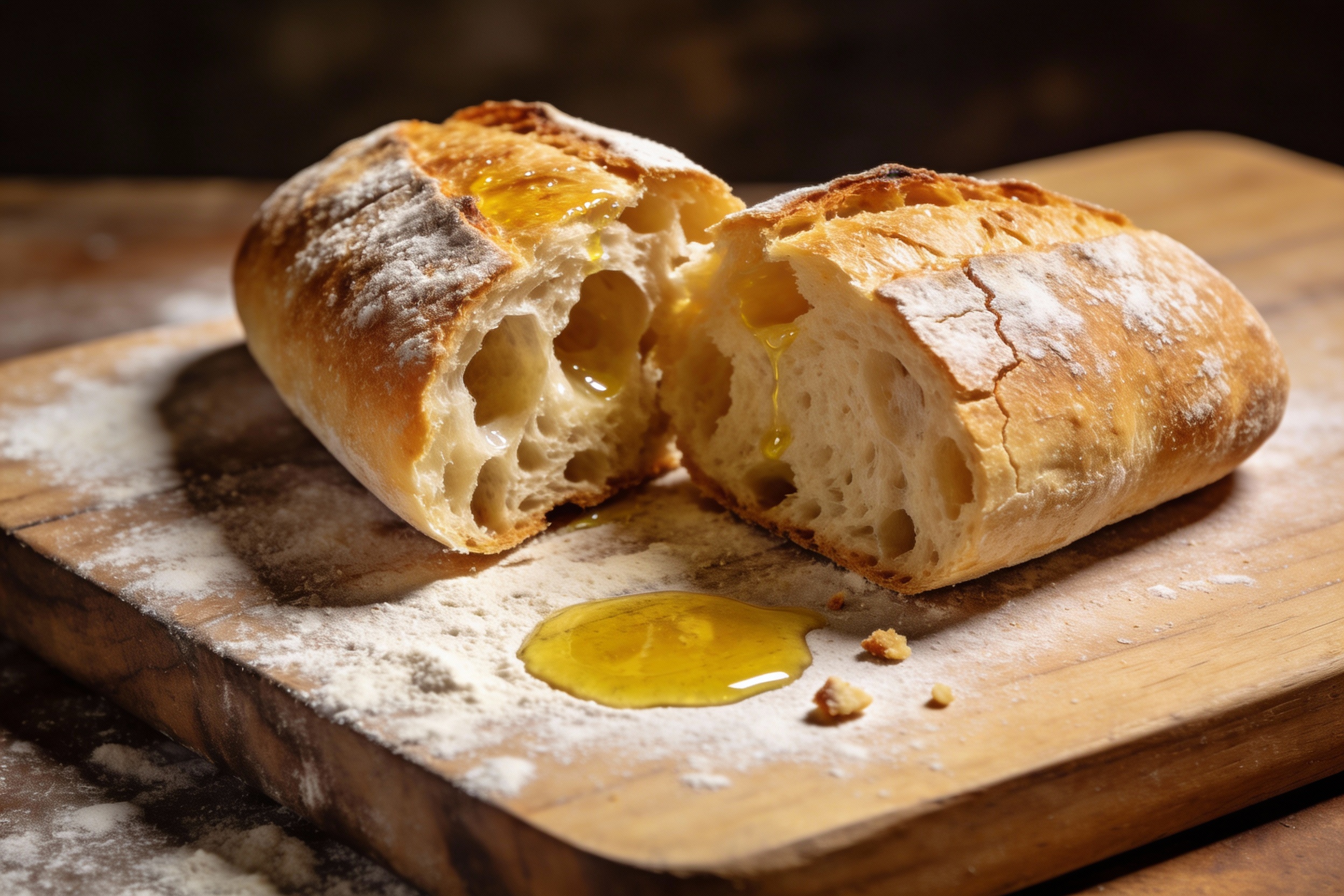
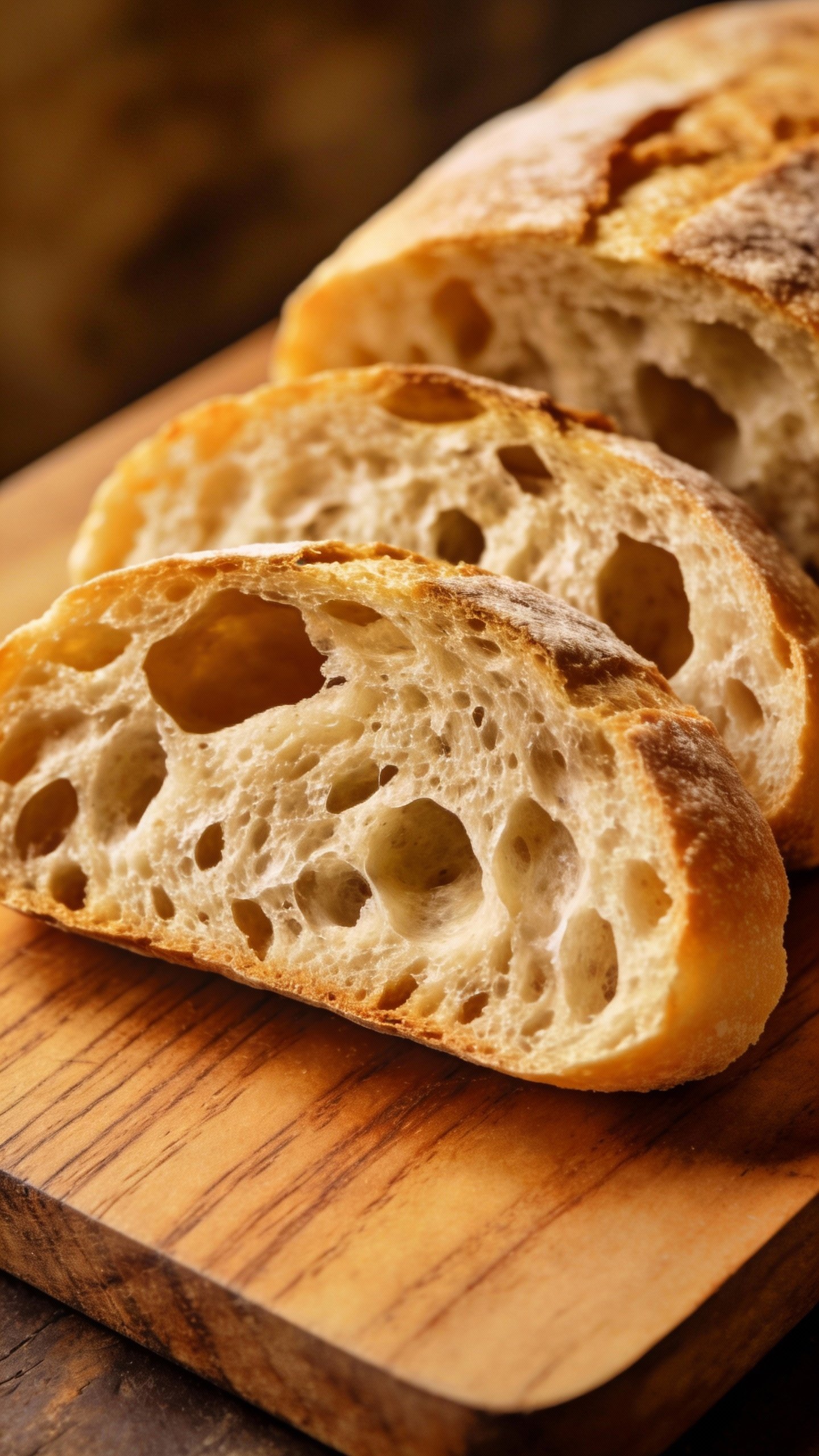
Ciabatta means “slipper” in Italian, which tracks: the loaf looks flat, rustic, and a little floppy. But the real signature? Big, irregular holes and a thin, crackly crust. The dough stays very wet, which feels wrong until it comes out of the oven and you suddenly believe in magic.
Flavor-wise, classic ciabatta has a gentle tang and a hint of sweetness from long fermentation. You’ll taste wheat, not a bunch of extras. Keep it simple. Flour, water, salt, yeast. That’s the squad.
Overeating is a pattern. This helps you fix that problem. A quick reset for cravings, snacking, and “I’ll start tomorrow” moments.
Built for busy home cooks who want real-life structure. Simple steps that fit meal prep, family dinners, and late-night snack attacks.
The Secret Sauce: Hydration and Time
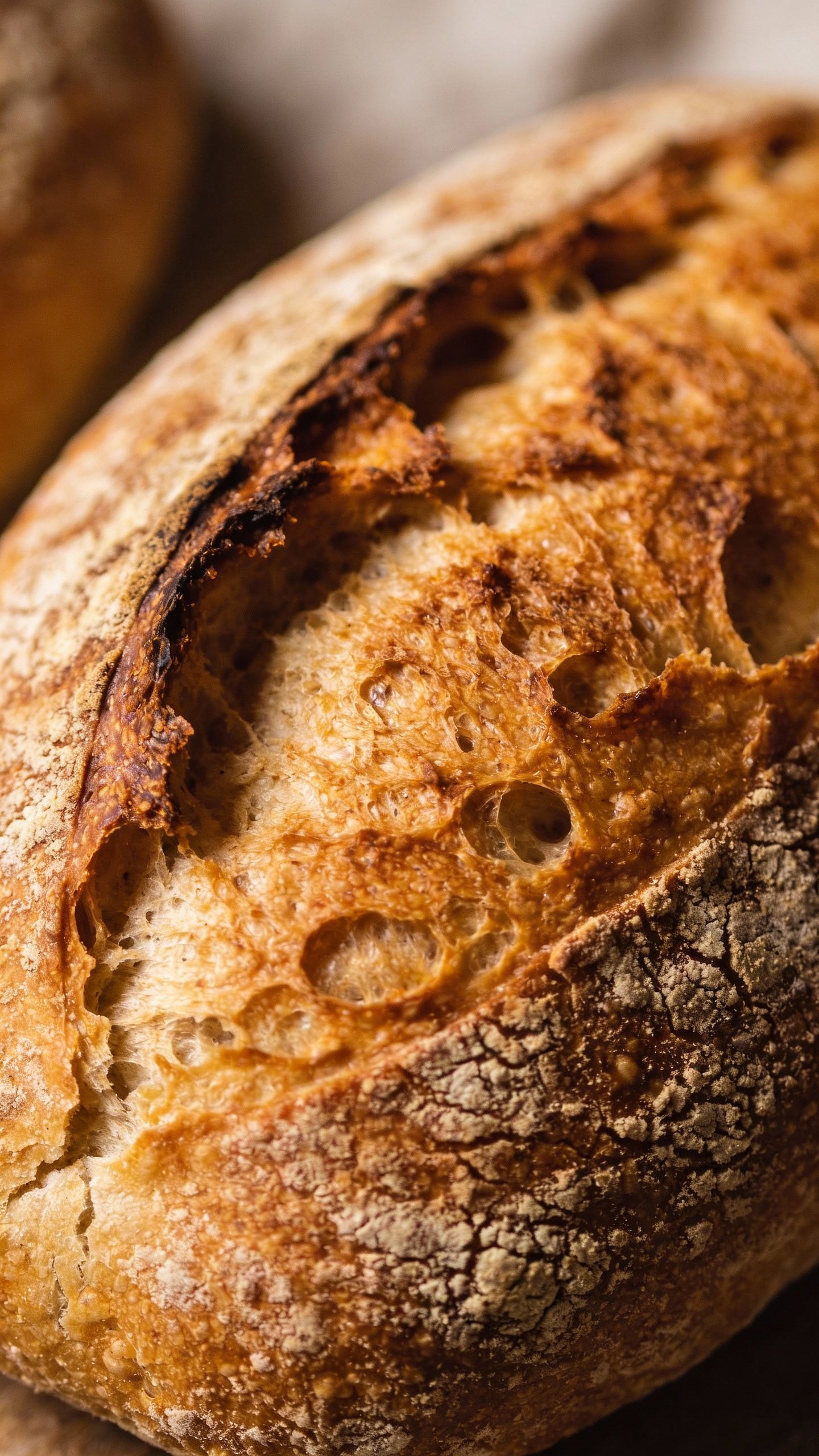
Ciabatta dough swims. You’ll doubt yourself. Embrace it. High hydration (often 75–85%) makes gluten stretchy and creates those cavernous holes.
But hydration alone won’t deliver. Time matters more than muscle. Use long fermentation and gentle folds. You’ll build strength without beating the dough into submission.
Key Variables You Control
- Hydration: More water = bigger holes, but trickier handling. Start around 78% and adjust.
- Fermentation time: Longer, cooler bulk rise = deeper flavor. Aim for dough that doubles slowly and looks bubbly.
- Handling: Minimal kneading, lots of stretching and folding. Rough treatment = deflated loaf.
- Heat and steam: Hot oven (475–500°F / 245–260°C) with steam in the first 10–15 minutes for that crisp crust.
Ingredients and Gear (No Fancy Toys Required)
You can make excellent ciabatta with a bowl and your hands. If you own a mixer, great, but it’s optional.
Ingredients
- Strong bread flour: 500 g (about 4 cups)
- Water: 390–415 g (78–83% hydration)
- Instant yeast: 2–3 g (about 3/4 to 1 tsp)
- Salt: 10 g (about 1 3/4 tsp)
- Olive oil (optional): 1 tbsp for flavor and handling
Useful Gear
- Large bowl or stand mixer
- Bench scraper (your new best friend)
- Plastic wrap or a damp towel
- Parchment and a baking sheet or pizza stone
- Spray bottle for steam (or a preheated pan for hot water)
The Method: Relax, Fold, Bake
This is the chill bread. You set it up, check in occasionally, then let the oven finish the job. IMO, once you master this flow, you’ll bake ciabatta on autopilot.
1) Mix and Autolyse
- Whisk flour and 95% of the water until no dry flour remains. Rest 20–30 minutes. This hydrates the flour and makes everything smoother.
- Sprinkle in yeast and salt. Add remaining water and mix until sticky and uniform. A few minutes of mixing by hand works. Expect goo.
2) Bulk Fermentation with Folds
- Cover and rest 30 minutes.
- Do a set of stretch and folds: wet your hand, grab one edge, stretch up, fold over. Rotate bowl, repeat 4 times.
- Rest 30 minutes, then repeat. Do 3–4 total sets over 2 hours.
- Let dough rise until it’s jiggly, airy, and roughly doubled. Total time: 2.5–4 hours, depending on room temp.
3) Pre-shape and Bench Rest
- Flour the counter generously. Tip the dough out gently—don’t punch it down.
- Coax it into a loose rectangle. Fold like a letter once if it spreads too much.
- Rest 20–30 minutes. The dough relaxes and strengthens slightly. FYI: don’t overwork it.
4) Final Shape
- Cut into two or three equal rectangles with a bench scraper.
- Flour your hands. Lift each piece from the ends to elongate slightly. Don’t degas the bubbles.
- Place on parchment. Dust with flour. Cover lightly and proof 30–45 minutes, until puffy and wobbly.
5) Bake Hot with Steam
- Preheat to 475–500°F (245–260°C) with a stone or inverted baking sheet inside.
- Slide parchment with loaves onto the hot surface.
- Steam the oven: spritz walls or pour a cup of hot water into a preheated pan. Close fast.
- Bake 12 minutes with steam, then vent and bake 10–12 more until deep golden and light for its size.
- Cool completely. I know. But the crumb sets, and the crust stays crisp.
Flavor Tweaks Without Ruining the Vibe
You want classic ciabatta, not a spice cake. Still, a few tweaks can nudge flavor without breaking tradition.
- Biga (overnight pre-ferment): Mix 150 g flour, 100 g water, a pinch of yeast. Ferment overnight. Add to main dough for richer taste and better structure.
- Olive oil: 1–2 tbsp for a slightly tender crumb and subtle fruitiness. Not required, but lovely.
- Flour blend: Swap 10–15% of flour for whole wheat for nuttiness. Hydration may need a bump.
- Long cold proof: After shaping on parchment, refrigerate 8–12 hours. Bake from cold. Huge flavor, great blisters.
When to Add Oil
If you choose oil, add it after autolyse with the salt and remaining water. It integrates more cleanly and won’t block hydration early.

Troubleshooting: Real Talk
Bread humbles everyone. Here’s how to fix the usual chaos.
- Flat, dense loaf? Underproofed or not enough steam. Let dough rise longer next time, and really steam the oven.
- Tears on the surface? Gluten too tight or handled roughly. Add one more fold during bulk, and be gentler at shaping.
- No big holes? Dough too dry or overhandled. Increase hydration a bit and avoid pressing during shaping.
- Gummy crumb? Underbaked or sliced hot. Bake to deep gold and cool fully. Painful, but necessary.
- Spreads too much? Weak gluten or overproofed. Add an extra fold, shorten final proof, or use a slightly lower hydration (drop 10–15 g water).
Serving Ideas That Slap
Ciabatta shines fresh, but it ages like a champ with a toaster or grill.
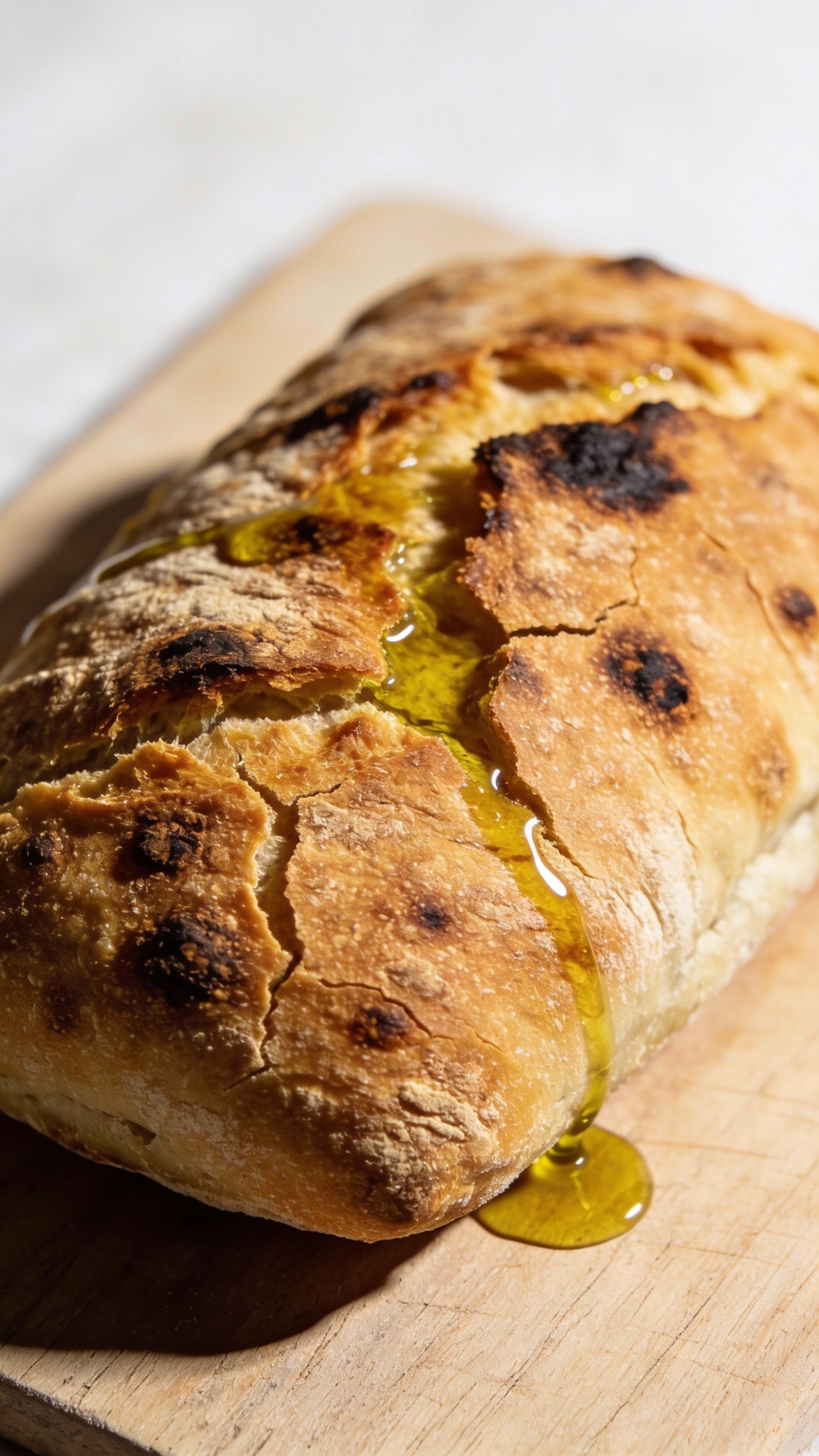
- Classic dunk: Olive oil, balsamic, flaky salt, cracked pepper. Simple wins.
- Panini heaven: Prosciutto, mozzarella, basil, tomato. Press until oozy.
- Breakfast hero: Toasted, topped with soft scrambled eggs and chives.
- Bruschetta vibes: Char slices, rub with garlic, pile on tomatoes and basil.
- Soup sidekick: Minestrone or tomato soup will thank you.
Storage Tips
- Same day: keep cut side down on a board, uncovered, for crust crispness.
- Next day: paper bag or loose wrap. Refresh in the oven at 350°F (175°C) for 5–8 minutes.
- Freeze: slice, wrap well, and toast from frozen. Zero regrets.
FAQ
Do I need a stand mixer for ciabatta?
Nope. You can mix by hand easily because the dough relies on time and folds, not heavy kneading. A mixer helps with cleanup tolerance, not quality.
Why does my ciabatta lack big holes?
You probably used lower hydration or overhandled the dough during shaping. Try adding more water, doing gentle folds, and resisting the urge to press or tighten the loaf.
How do I make ciabatta with sourdough?
Swap yeast for 100 g active starter and reduce water slightly to compensate. Expect a longer bulk ferment (4–6 hours or more). Flavor gets tangier and the crust can blister beautifully.
What’s the ideal internal temperature when done?
Shoot for 205–210°F (96–99°C). The loaf should feel light for its size and sound hollow when tapped on the bottom. If in doubt, give it a couple more minutes.
Can I bake it on a sheet pan instead of a stone?
Yes. Preheat the sheet pan to mimic a stone’s initial heat boost. Use parchment so the loaves don’t stick, and still steam the oven for a crisp crust.
Is olive oil traditional in ciabatta?
Some versions include a bit of oil; others skip it. Both count as classic IMO. Oil softens the crumb a touch and adds flavor, but you’ll still get great holes without it.
Conclusion
Classic ciabatta rewards patience, not perfection. You mix a wet, unruly dough, give it time, fold it a few times, and then let a hot oven work its magic. The result? A shattery crust, a wildly open crumb, and a loaf that turns everything it touches into a better meal. Flour your counter, trust the process, and bring the slipper to the table.