Classic Margherita Pizza That Steals the Whole Party
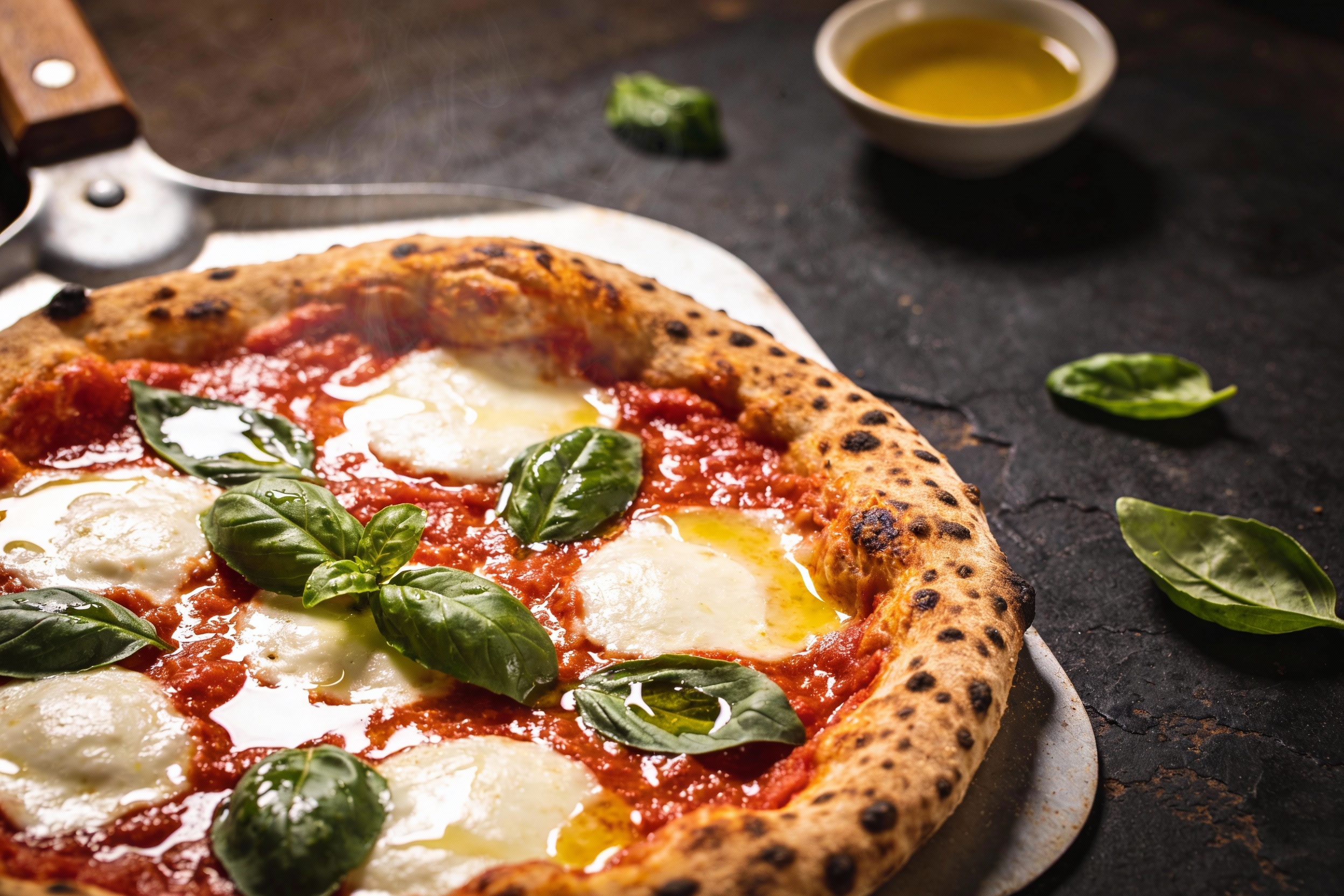
The classic Margherita pizza doesn’t need to show off. It rocks up with tomatoes, mozzarella, basil, and olive oil—and somehow steals the whole party. No gimmicks, no truffle drizzle, no “secret” sauce. Just pure, balanced flavors that hit like your favorite song on a road trip.
Why Margherita Feels Like Coming Home
The Margherita gets its power from simplicity. You taste each ingredient, and each one pulls its weight. When you nail the balance, you get a pizza that tastes clean, bright, and downright addictive.
Could you add toppings? Sure. Should you? Not here. Margherita is a lesson in restraint, and IMO, that’s its magic.
Overeating is a pattern. This helps you fix that problem. A quick reset for cravings, snacking, and “I’ll start tomorrow” moments.
Built for busy home cooks who want real-life structure. Simple steps that fit meal prep, family dinners, and late-night snack attacks.
The Origin Story (And Why It Still Matters)
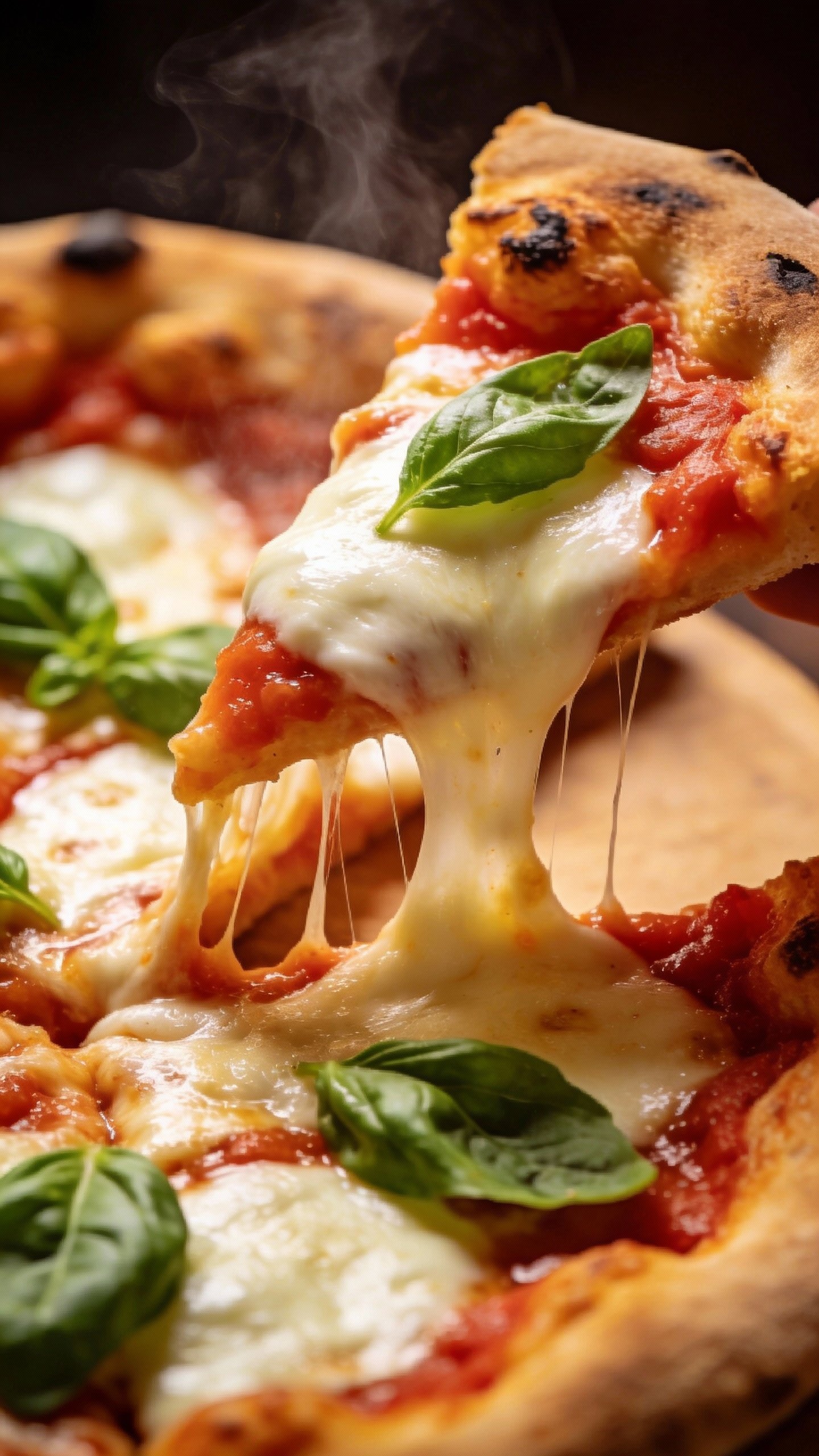
Legend time: Naples, late 1800s. A pizzaiolo made a pie with the colors of the Italian flag—red tomato, white mozzarella, green basil—for Queen Margherita. Boom: instant classic.
Is the story romanticized? Probably. Does it taste amazing either way? Absolutely. The takeaway: this pizza celebrates good ingredients above all else.
Ingredients: The Non-Negotiables
Small list, huge impact. Think quality over quantity.
- Tomatoes: San Marzano or other high-quality canned plum tomatoes. Bright, slightly sweet, low acidity. No sugar needed.
- Mozzarella: Fresh mozzarella (fior di latte) for classic vibes. Buffalo mozzarella (mozzarella di bufala) if you want extra tang and richness.
- Basil: Fresh leaves only. Tear, don’t chop. We’re not making confetti.
- Olive oil: Extra virgin, fruity and peppery. You taste it, so make it count.
- Salt: Fine sea salt for dough and sauce. It wakes everything up.
- Dough: High-protein flour, water, salt, and yeast. That’s it. No garlic powder. No herbs. Resist the chaos.
What About Sauce?
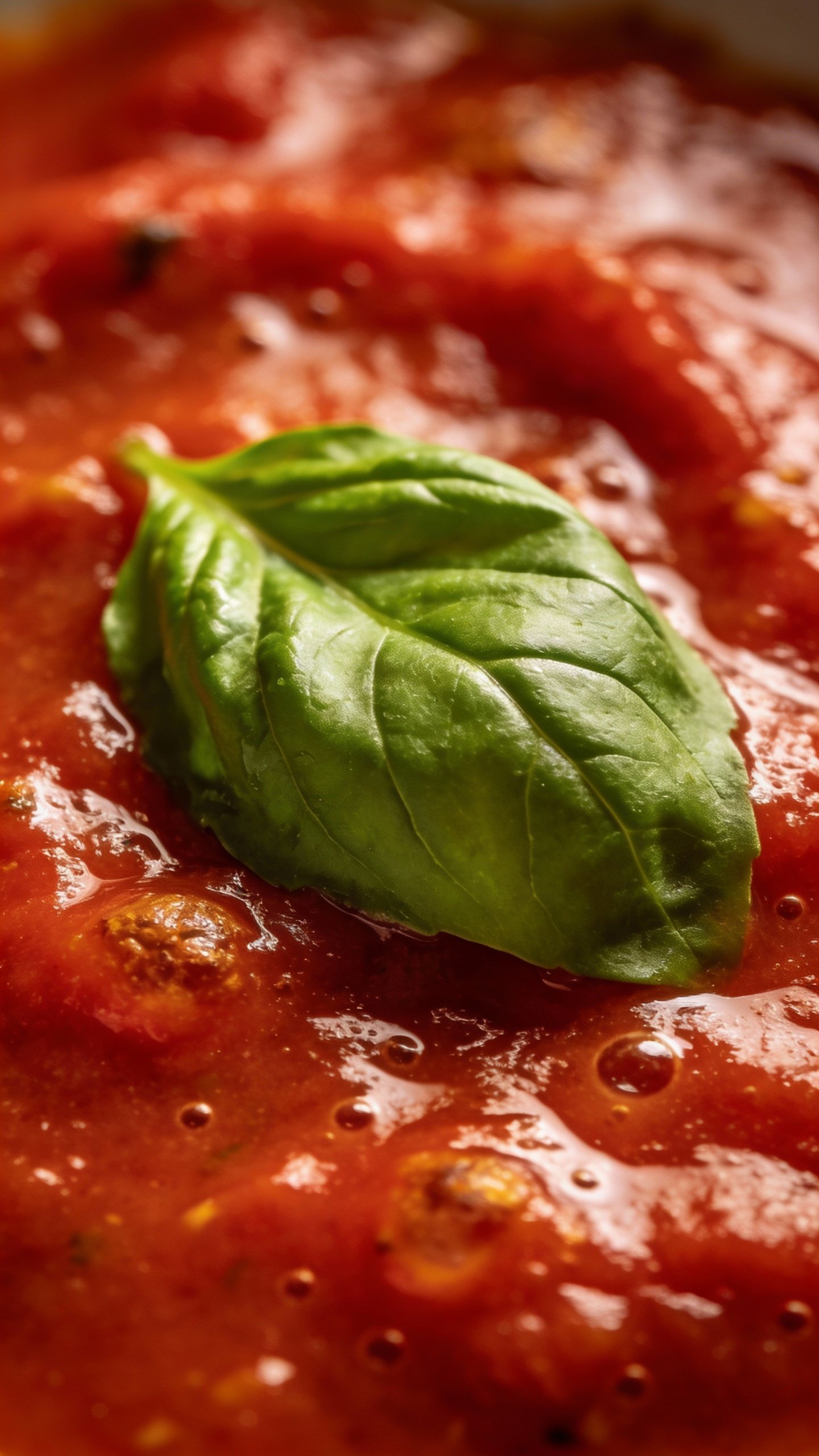
Keep it raw for a true Neapolitan style. Crush canned tomatoes by hand, stir in a pinch of salt, and maybe a tiny splash of olive oil. That’s the sauce. Don’t cook it first. The oven will handle that part.
Dough 101: The Foundation You Can’t Fake
A great crust makes a Margherita sing. Floppy middle, puffy leopard-spotted edge, blistered bubbles—yeah, we want that.
- Flour: Use 00 flour if you can. It gives you supple dough and beautiful char.
- Hydration: Aim for 60–65% water. Enough to stay tender, not so sticky you cry.
- Yeast: A tiny amount goes a long way, especially with slow fermentation.
- Salt: 2.5–3% of flour weight. It strengthens gluten and adds flavor.
Simple Dough Formula
For two 10–12 inch pies:
- 300 g 00 flour
- 190 g water (room temp)
- 6 g fine sea salt
- 0.5 g instant yeast (about 1/6 tsp)
Mix until shaggy, rest 20 minutes, then knead until smooth. Bulk ferment 1–2 hours at room temp, then cold ferment 12–48 hours in the fridge. Warm to room temp before shaping. FYI, that cold rest builds flavor without any effort from you—best kitchen life hack ever.
Shaping, Topping, Baking: Where the Magic Happens
This is where you turn good dough into a pizza that lives rent-free in your head.
- Shape: Flour the counter. Press the dough into a disc, push air to the edges, then stretch with backs of hands. Avoid rolling pins. Keep that edge puffy.
- Sauce: Spread a thin layer—just enough to coat. You want the dough to shine through in spots.
- Cheese: Tear fresh mozzarella into small pieces and pat dry on a paper towel. Scatter lightly and evenly.
- Basil + oil: Add a few basil leaves and a drizzle of olive oil before baking. Add a couple more leaves after for aroma.
- Bake: As hot as your oven goes. Stone or steel preheated for at least 45 minutes. On broil, even better. 2–8 minutes depending on heat.
Home Oven Tips
- Pizza steel > stone for faster browning. If you have both, stack the stone on a rack above the steel to trap heat.
- Use the broiler for top char. Bake on the steel, then broil the top for 30–60 seconds.
- If using a pan, par-bake the crust for 2 minutes before saucing to avoid sogginess.
Balance: The Secret Sauce (That Isn’t Sauce)
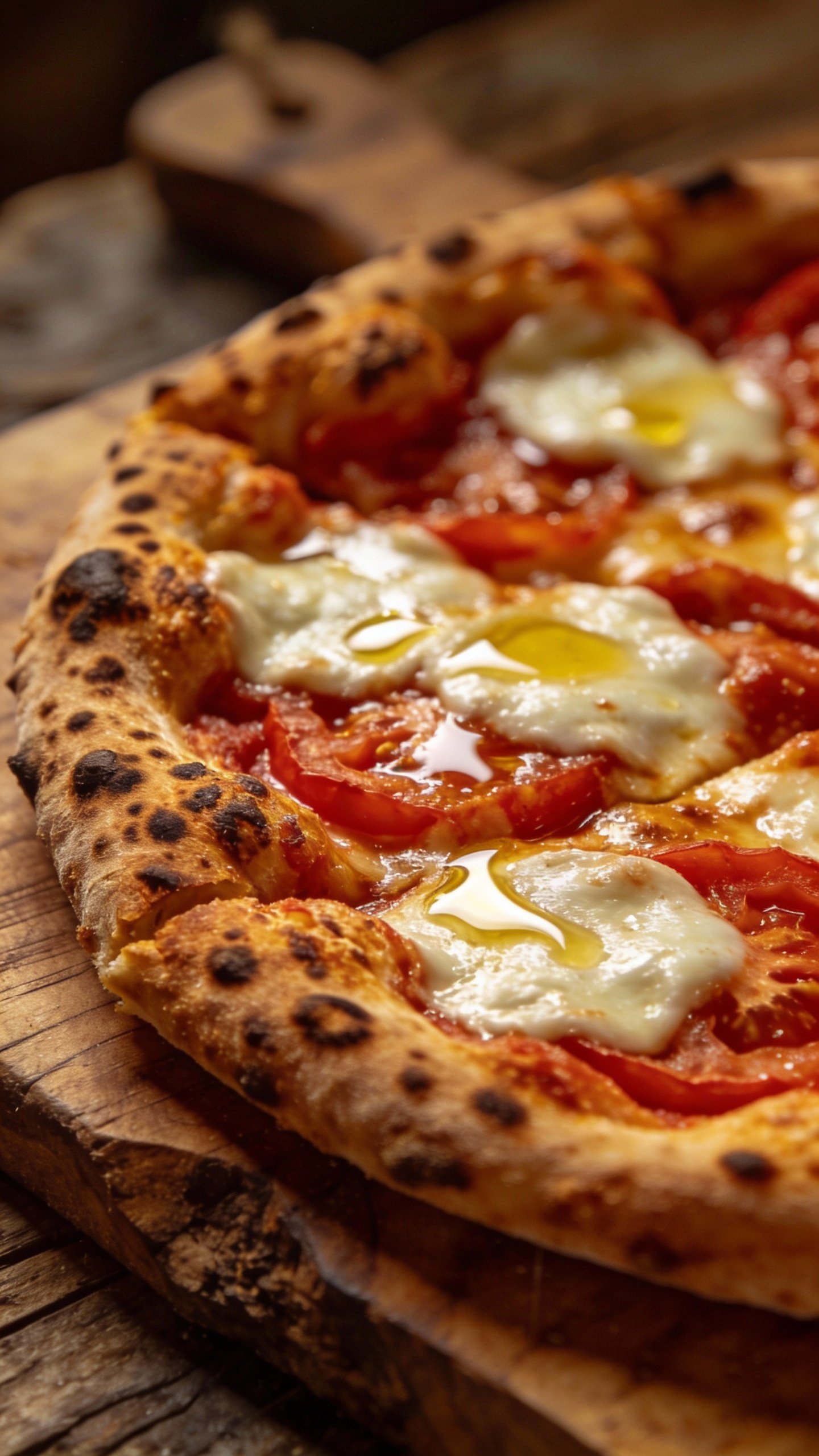
You want harmony, not a topping turf war. Here’s the ratio sweet spot IMO:
- Sauce: 60–80 g for a 10–12 inch pie
- Cheese: 80–100 g fresh mozzarella
- Oil: 1–2 teaspoons, drizzled
- Basil: 6–8 leaves total (some before, some after)
Too much sauce turns the middle into soup. Too much cheese floods the crust. Keep it light and you’ll taste the wheat, the tomato brightness, and the basil perfume all at once.
Finishing Touches That Matter
- Salt at the end: A tiny pinch of flaky salt after baking makes flavors pop.
- Olive oil: Another whisper-thin drizzle for aroma.
- Basil refresh: Add a leaf or two post-bake so you actually smell the basil, not just its ghost.
Common Mistakes (And Easy Fixes)
We all go rogue sometimes. Here’s how to course-correct:
- Wet center: Dry your mozzarella and use less sauce. Preheat longer. Higher heat solves most issues.
- Tough crust: Too much flour during shaping or overworking the dough. Let it rest if it resists stretching.
- Bland flavor: Under-salted dough or low-quality tomatoes. Upgrade your ingredients and thank yourself later.
- Pale bottom: Preheat the steel/stone longer or move the rack lower. Broiler tag team for the top.
Variations Without Betraying Tradition
You can tweak respectfully. We’re not putting pineapple here, relax.
- Margherita Extra: Use buffalo mozzarella and add grated Parmigiano right after baking.
- Garlic-kissed: Rub a cut garlic clove lightly over the dough before saucing for a whisper of garlic.
- Spicy edge: A few drops of Calabrian chili oil post-bake. Not a firestorm—just a warm hum.
- Tomato upgrade: Blend a couple of fresh cherry tomatoes into the canned sauce in summer for pop.
Pairing Ideas
– Drink: A crisp Italian lager, a light Chianti, or sparkling water with lemon. Keep it refreshing.
– Side: Simple arugula salad with lemon and olive oil. Salt, pepper, done.
FAQ
Do I need 00 flour, or can I use all-purpose?
You can use all-purpose and still get great results. 00 flour gives you a silkier dough and better browning at high heat, but all-purpose works, especially if you keep hydration around 60% and don’t overwork it. The key is proper fermentation and hot baking.
Can I use pre-shredded mozzarella?
You can, but it won’t taste the same. Pre-shredded cheese usually contains anti-caking agents that mess with melt and texture. Fresh mozzarella gives you that creamy pull and clean flavor—pat it dry first for best results.
My crust doesn’t puff. What am I doing wrong?
Two likely culprits: dough not proofed enough or oven not hot enough. Let your dough warm to room temperature before shaping, and preheat your stone/steel for at least 45 minutes. Also, don’t degas the rim while shaping—keep that edge airy.
Should I cook the sauce first?
Not for a traditional Margherita. A raw sauce of crushed tomatoes and salt keeps the flavor bright and fresh after baking. Cooked sauce belongs to thicker, longer-baked styles like New York or Sicilian.
How do I stop the pizza from sticking to the peel?
Lightly flour or use a bit of semolina on the peel, work quickly, and give the peel a gentle shake before launching to check for movement. If it sticks, lift the edge and toss a little flour underneath. Also, top the dough right before launching—don’t let it sit.
Can I make the dough same-day?
Yes, but flavor improves with time. For same-day, use a bit more yeast (about 1–1.5 g for the formula above), rise until doubled, then ball and rest 30–60 minutes. It’ll work, but an overnight cold ferment tastes noticeably better, FYI.
Conclusion
A great Margherita pizza keeps you honest. You can’t hide behind toppings or tricks—just good dough, vibrant tomatoes, milky mozzarella, peppery oil, and fresh basil. When those five hit their stride together, you get fireworks with zero fuss. Make one, taste the balance, and try not to smirk when everyone asks for the recipe. IMO, that’s the good kind of humblebrag.