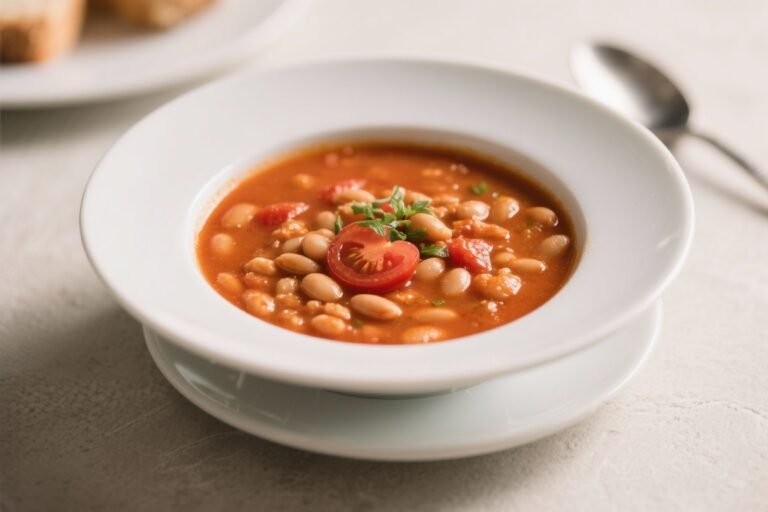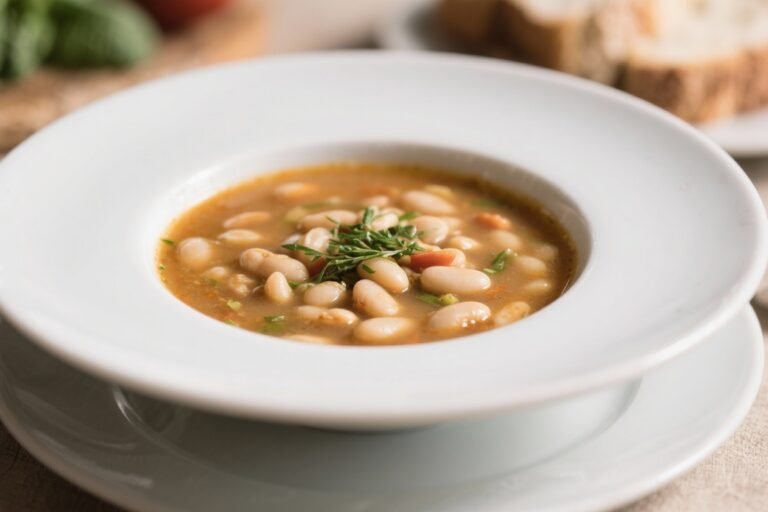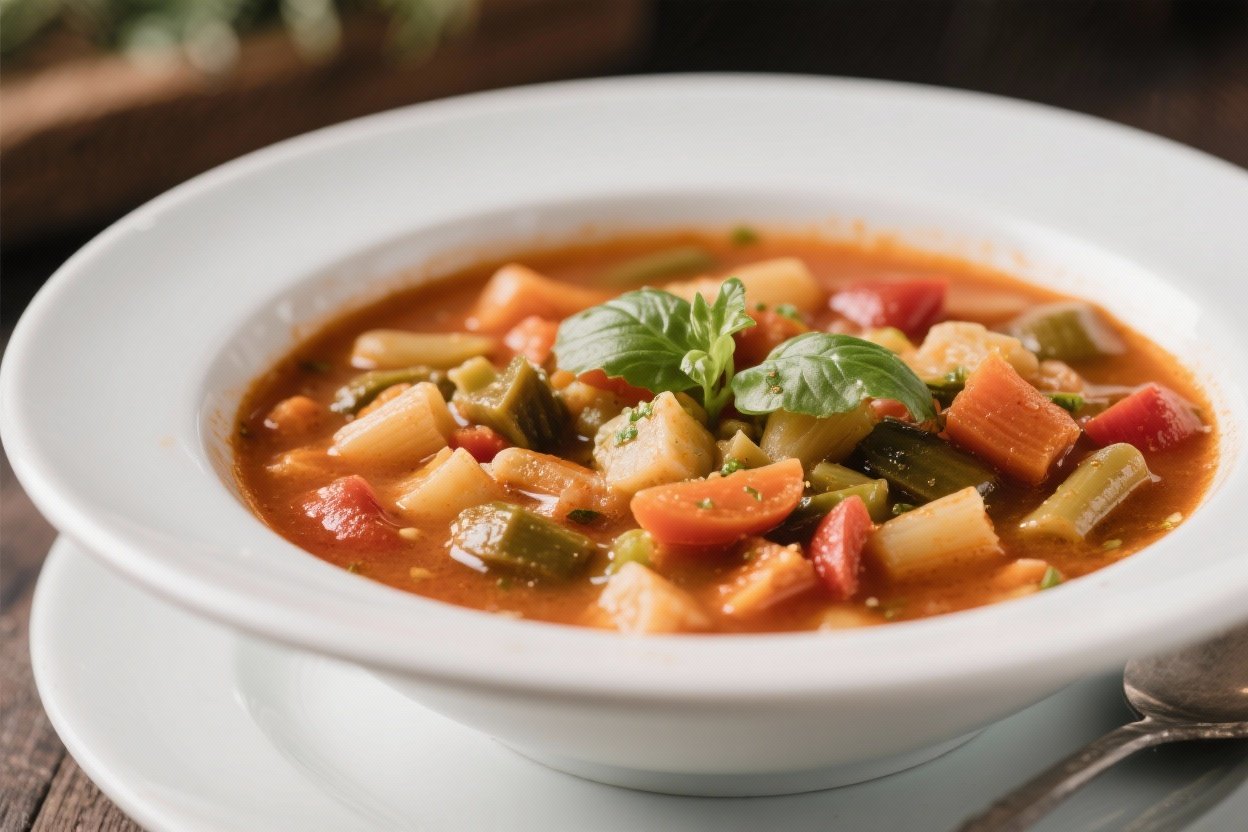
Classic Minestrone Soup – Hearty, Comforting, and Full of Vegetables
Minestrone is the kind of soup that feels like a warm welcome. It’s cozy, colorful, and incredibly satisfying without being heavy. Every spoonful brings a mix of vegetables, beans, and pasta in a rich tomato broth.
This version keeps the spirit of the Italian classic while staying simple and weeknight-friendly. If you love a soup that tastes even better the next day, this one belongs in your regular rotation.
Classic Minestrone Soup - Hearty, Comforting, and Full of Vegetables
Ingredients
- Olive oil
- Yellow onion (1 medium)
- Carrots (2 medium)
- Celery (2 stalks)
- Garlic (3–4 cloves)
- Tomato paste (2 tablespoons)
- Crushed or diced tomatoes (1 can, 28 ounces)
- Vegetable or chicken broth (6 cups)
- Bay leaf (1)
- Dried oregano (1 teaspoon)
- Dried thyme (1/2 teaspoon)
- Red pepper flakes (pinch, optional)
- Potato (1 medium, Yukon gold or russet), peeled and diced
- Zucchini (1 medium), diced
- Green beans (1 cup), trimmed and cut into 1-inch pieces
- Cannellini or kidney beans (1 can, 15 ounces), drained and rinsed
- Small pasta (3/4 cup), such as ditalini, elbow, or small shells
- Parmesan rind (optional, 1 piece)
- Fresh spinach or kale (2 cups), chopped
- Fresh parsley or basil (small handful), chopped
- Salt and black pepper
- Lemon (1, for finishing)
- Grated Parmesan (for serving)
Instructions
- Prep the vegetables. Dice the onion, carrots, and celery into small, even pieces. Mince the garlic. Cut the potato, zucchini, and green beans as noted. Rinse and drain the canned beans.
- Sweat the aromatics. In a large pot, warm 2 tablespoons of olive oil over medium heat. Add onion, carrot, and celery with a pinch of salt. Cook, stirring often, until soft and slightly golden, about 8–10 minutes. Add the garlic and cook 30 seconds more.
- Build the base. Stir in tomato paste and cook for 1 minute to caramelize it slightly. Add canned tomatoes with their juices, broth, bay leaf, oregano, thyme, and red pepper flakes if using. If you have a Parmesan rind, add it now.
- Simmer the hearty vegetables. Add the diced potato and green beans. Bring to a gentle boil, then reduce to a simmer. Cook uncovered for 12–15 minutes, until the potatoes are just tender.
- Add beans and zucchini. Stir in the cannellini or kidney beans and the zucchini. Simmer another 5–7 minutes. Taste and adjust with salt and pepper.
- Cook the pasta separately. In a small pot, cook the pasta in salted water until just shy of al dente. Drain. This prevents the soup from turning starchy and keeps leftovers from becoming mushy.
- Finish the soup. Remove the bay leaf and Parmesan rind. Stir in the chopped spinach or kale and cook until wilted, 1–2 minutes. Add a squeeze of lemon for brightness and a drizzle of olive oil.
- Combine and serve. Add a scoop of pasta to each bowl and ladle the soup over it. Top with grated Parmesan and chopped parsley or basil. Add black pepper to taste.
Overeating is a pattern. This helps you fix that problem. A quick reset for cravings, snacking, and “I’ll start tomorrow” moments.
Built for busy home cooks who want real-life structure. Simple steps that fit meal prep, family dinners, and late-night snack attacks.
Why This Recipe Works
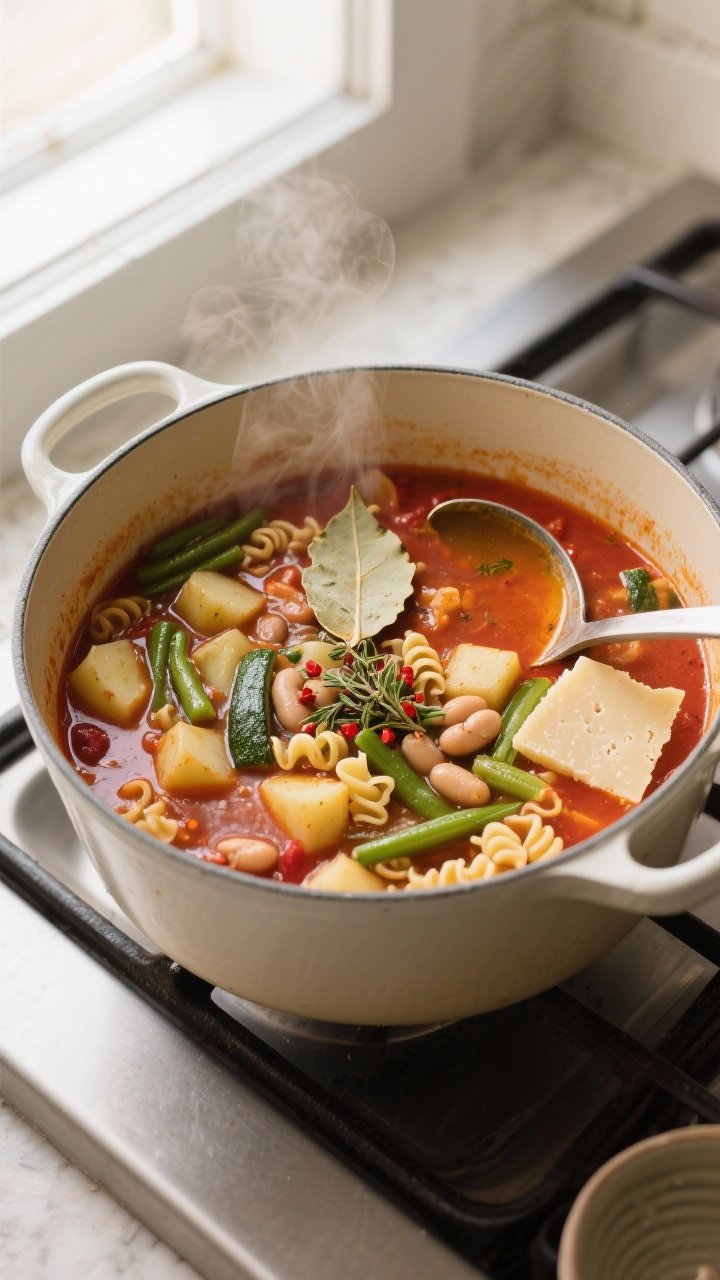
This soup relies on a foundation of aromatic vegetables—onion, carrot, celery, and garlic—slowly sautéed to build flavor. Canned tomatoes and vegetable or chicken broth create a savory base that’s bright but balanced.
Beans add protein and creaminess, while small pasta gives the soup body and satisfying texture. A Parmesan rind (optional but amazing) deepens the flavor without extra effort. Finished with fresh herbs and olive oil, it tastes homemade and vibrant, even with pantry staples.
Shopping List
- Olive oil
- Yellow onion (1 medium)
- Carrots (2 medium)
- Celery (2 stalks)
- Garlic (3–4 cloves)
- Tomato paste (2 tablespoons)
- Crushed or diced tomatoes (1 can, 28 ounces)
- Vegetable or chicken broth (6 cups)
- Bay leaf (1)
- Dried oregano (1 teaspoon)
- Dried thyme (1/2 teaspoon)
- Red pepper flakes (pinch, optional)
- Potato (1 medium, Yukon gold or russet), peeled and diced
- Zucchini (1 medium), diced
- Green beans (1 cup), trimmed and cut into 1-inch pieces
- Cannellini or kidney beans (1 can, 15 ounces), drained and rinsed
- Small pasta (3/4 cup), such as ditalini, elbow, or small shells
- Parmesan rind (optional, 1 piece)
- Fresh spinach or kale (2 cups), chopped
- Fresh parsley or basil (small handful), chopped
- Salt and black pepper
- Lemon (1, for finishing)
- Grated Parmesan (for serving)
Step-by-Step Instructions
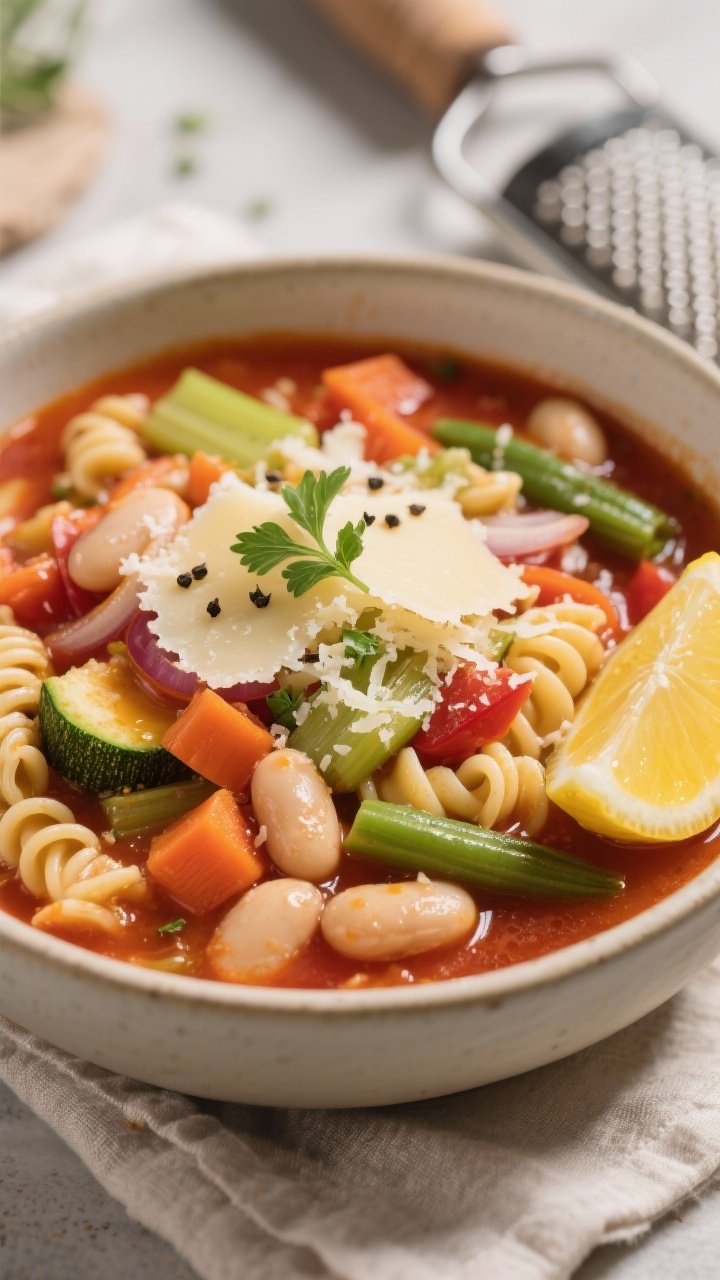
- Prep the vegetables. Dice the onion, carrots, and celery into small, even pieces.
Mince the garlic. Cut the potato, zucchini, and green beans as noted. Rinse and drain the canned beans.
- Sweat the aromatics. In a large pot, warm 2 tablespoons of olive oil over medium heat.
Add onion, carrot, and celery with a pinch of salt. Cook, stirring often, until soft and slightly golden, about 8–10 minutes. Add the garlic and cook 30 seconds more.
- Build the base. Stir in tomato paste and cook for 1 minute to caramelize it slightly.
Add canned tomatoes with their juices, broth, bay leaf, oregano, thyme, and red pepper flakes if using. If you have a Parmesan rind, add it now.
- Simmer the hearty vegetables. Add the diced potato and green beans. Bring to a gentle boil, then reduce to a simmer.
Cook uncovered for 12–15 minutes, until the potatoes are just tender.
- Add beans and zucchini. Stir in the cannellini or kidney beans and the zucchini. Simmer another 5–7 minutes. Taste and adjust with salt and pepper.
- Cook the pasta separately. In a small pot, cook the pasta in salted water until just shy of al dente.
Drain. This prevents the soup from turning starchy and keeps leftovers from becoming mushy.
- Finish the soup. Remove the bay leaf and Parmesan rind. Stir in the chopped spinach or kale and cook until wilted, 1–2 minutes.
Add a squeeze of lemon for brightness and a drizzle of olive oil.
- Combine and serve. Add a scoop of pasta to each bowl and ladle the soup over it. Top with grated Parmesan and chopped parsley or basil. Add black pepper to taste.
Keeping It Fresh
Store the soup and pasta separately to keep the texture right.
The soup will keep in the fridge for up to 4 days in a sealed container. Reheat gently on the stove, adding a splash of water or broth if it thickens. For freezing, omit the pasta and leafy greens, freeze up to 3 months, then add fresh greens and cooked pasta when reheating.
Health Benefits
- Fiber-rich: Beans, vegetables, and whole-grain pasta (if using) support digestion and steady energy.
- Plant-forward: Plenty of vegetables provide vitamins A, C, and K, plus minerals like potassium and iron.
- Balanced meal: Beans supply protein, while olive oil offers heart-healthy fats.
- Lower sodium potential: By choosing low-sodium broth and rinsing canned beans, you can control salt levels.
- Antioxidants: Tomatoes and herbs deliver lycopene and polyphenols that support overall wellness.
Pitfalls to Watch Out For
- Overcooking the vegetables: Add tender vegetables later so they don’t turn mushy.
Potatoes and green beans need more time; zucchini and greens need less.
- Boiling too hard: A rolling boil can break down beans and make the soup cloudy. Keep it at a gentle simmer.
- Adding pasta to the pot: It’s convenient, but the pasta will soak up broth and soften too much, especially in leftovers.
- Skipping acidity: A small squeeze of lemon or splash of vinegar brightens the whole soup. Don’t skip it.
- Under-seasoning: Taste in stages.
Salt early to draw out moisture from aromatics, then adjust at the end.
Recipe Variations
- Seasonal swap: Use what’s fresh—swap zucchini for butternut squash in fall, or add peas and asparagus in spring.
- Meaty minestrone: Brown pancetta or Italian sausage with the aromatics for added depth. Skim any excess fat before adding liquids.
- Gluten-free: Use gluten-free pasta or cooked brown rice. Keep the pasta separate for best texture.
- Extra greens: Stir in chopped chard or cabbage.
They hold up well and add texture.
- Herb-forward: Finish with pesto instead of chopped herbs for a burst of basil and garlic flavor.
- Spicy kick: Add more red pepper flakes or a pinch of Calabrian chili paste for heat.
- Creamy twist: Mash a small portion of the beans and stir them back in to create a slightly thicker, creamier broth.
FAQ
Can I make this soup ahead?
Yes. In fact, it tastes even better the next day. Store the pasta separately and combine when serving to keep the texture perfect.
What if I don’t have a Parmesan rind?
No problem.
The soup will still be delicious. Add an extra tablespoon of tomato paste and finish with more grated Parmesan to round out the flavor.
Which beans are best?
Cannellini and kidney beans are classic, but chickpeas also work. Use what you have, and rinse them well to remove excess sodium and starch.
Can I use fresh tomatoes?
Yes, but you’ll need to cook them longer to concentrate the flavor.
Peel and chop about 2 pounds of ripe tomatoes and simmer until they break down and taste sweet.
How do I thicken the soup a bit?
Lightly mash some of the beans in the pot or simmer a few extra minutes uncovered. Avoid adding flour; it muddies the flavor.
Is chicken broth okay for a vegetarian version?
Use vegetable broth to keep it fully vegetarian. A good, flavorful veggie broth makes a big difference in taste.
What pasta shape works best?
Small shapes like ditalini, elbow, or small shells fit nicely on a spoon and distribute evenly in each bite.
Can I make it in a slow cooker?
Yes, but sauté the aromatics and tomato paste first for depth.
Add pasta and greens near the end to avoid overcooking.
How can I reduce the sodium?
Choose low-sodium broth and tomatoes, rinse canned beans, and season in layers. Add acid and herbs to boost flavor without extra salt.
What can I use instead of potato?
Butternut squash, turnips, or more beans work well. Aim for pieces the same size as the other vegetables for even cooking.
Final Thoughts
Classic minestrone soup is a flexible, forgiving recipe that rewards you with big flavor from simple ingredients.
It’s perfect for using up vegetables and making hearty meals ahead. Keep the pasta separate, finish with fresh herbs and lemon, and you’ll have a bowl that tastes bright and comforting every time. Make a big pot and enjoy it all week—you’ll be glad you did.
Printable Recipe Card
Want just the essential recipe details without scrolling through the article? Get our printable recipe card with just the ingredients and instructions.