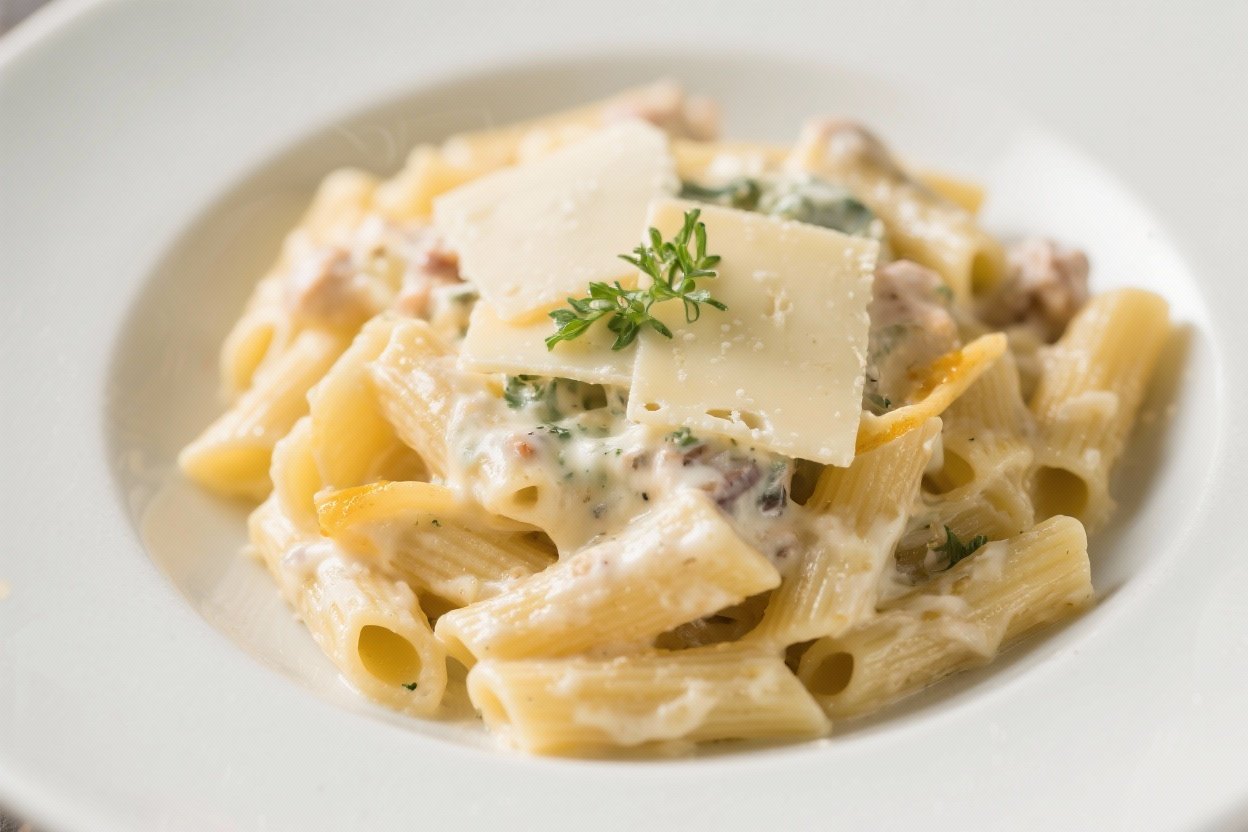
Creamy Four Cheese Pasta That Breaks the Internet (And Your Willpower)
If “comfort” had a flavor, this would be it. Creamy Four Cheese Pasta is the cheat code for bad days, hungry guests, and nights when cooking needs to feel like a victory lap. Silky sauce, melty cheese, and pasta that hugs every curve—this is the bowl that makes you forget takeout exists.
No chef whites required, no drama, just big flavors and a bigger payoff. Ready to make something so good you’ll side-eye restaurant pasta forever?
Overeating is a pattern. This helps you fix that problem. A quick reset for cravings, snacking, and “I’ll start tomorrow” moments.
Built for busy home cooks who want real-life structure. Simple steps that fit meal prep, family dinners, and late-night snack attacks.
What Makes This Recipe Awesome

This delivers the holy trinity: quick, indulgent, and absolutely foolproof. The sauce is luxuriously smooth thanks to a simple base that turns four cheeses into liquid velvet.
You get balanced flavor—salty, nutty, tangy, and buttery—without any one cheese taking over. It clings to pasta like destiny, and the finish is brightened with a whisper of lemon zest and pepper to keep the richness in check. Oh, and it’s weeknight-friendly.
We’re talking 20–25 minutes, tops.
What You’ll Need (Ingredients)
- 12 oz (340 g) pasta (rigatoni, cavatappi, shells, or fettuccine—choose one with nooks/ridges)
- 2 tablespoons unsalted butter
- 1 tablespoon olive oil
- 3 cloves garlic, finely minced
- 1 1/4 cups heavy cream (or half-and-half for lighter texture)
- 1/2 cup whole milk
- 1/2 cup freshly grated Parmesan
- 1/2 cup freshly grated Pecorino Romano
- 3/4 cup shredded low-moisture mozzarella
- 1/2 cup soft cheese (gorgonzola dolce, fontina, or mascarpone—pick your vibe)
- 1 teaspoon Dijon mustard (optional, for depth)
- 1/2 teaspoon lemon zest
- Pinch of nutmeg (optional, but lovely)
- Salt and freshly cracked black pepper, to taste
- 1/2 cup reserved pasta water (you won’t need it all)
- Fresh parsley or chives, chopped, for garnish
How to Make It – Instructions
- Boil the pasta. Bring a large pot of well-salted water to a rolling boil. Cook pasta until just shy of al dente. Scoop out 1 cup of pasta water, then drain.
- Start the sauce base. In a wide skillet over medium heat, add butter and olive oil.
When butter foams, stir in garlic and cook 30–45 seconds until fragrant (don’t let it brown).
- Add cream and milk. Pour in heavy cream and milk. Add Dijon and nutmeg if using. Simmer gently for 2–3 minutes to warm through and slightly thicken.
Keep it shy of a boil.
- Lower the heat and add cheeses gradually. Reduce heat to low. Add Parmesan and Pecorino in small handfuls, whisking until smooth. Follow with mozzarella, then your soft cheese.
If it tightens up, loosen with a splash of pasta water.
- Season with intent. Add lemon zest and a few grinds of black pepper. Taste before salting—your cheeses are already salty. Adjust to your liking.
- Marry the pasta and sauce. Add drained pasta to the skillet.
Toss and stir until every piece is coated and the sauce looks glossy. Use more pasta water as needed for a silky finish that clings without pooling.
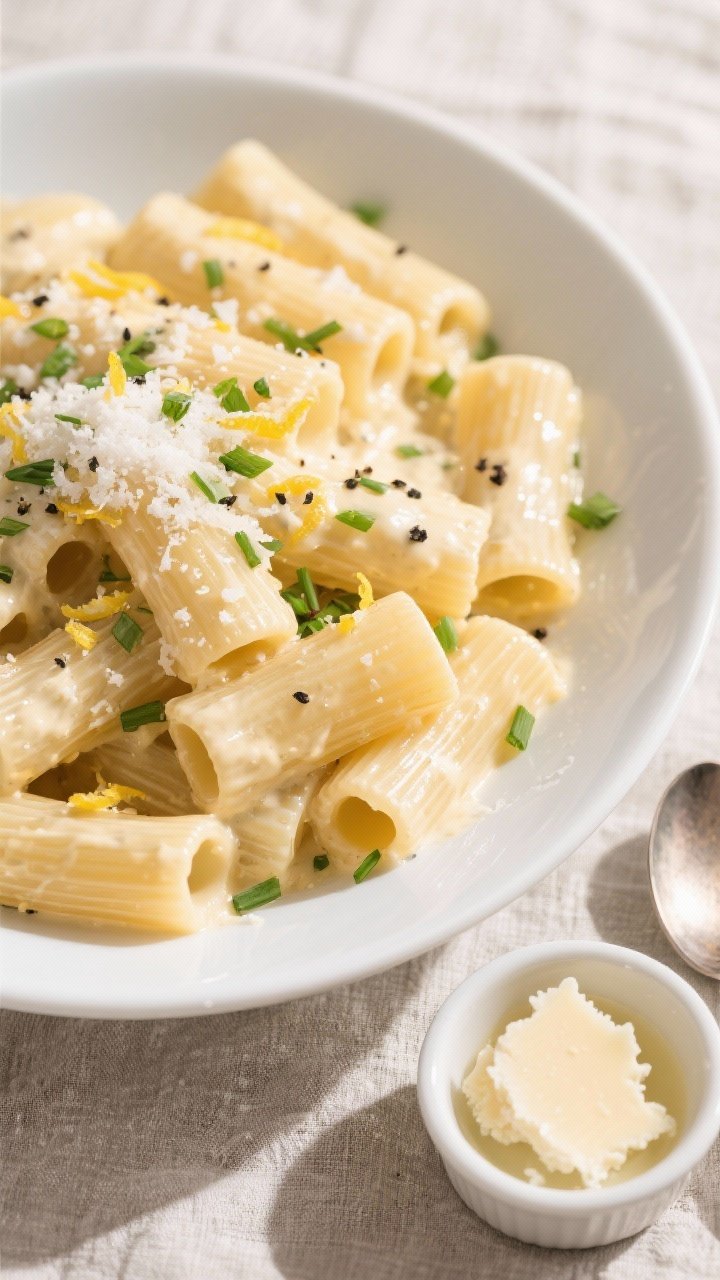
- Finish and serve. Kill the heat. Rest 1 minute to thicken slightly.
Top with more Pecorino or Parm, a sprinkle of herbs, and extra pepper. Serve immediately, with smug satisfaction.
Preservation Guide
- Refrigerator: Store leftover pasta in an airtight container for up to 3 days. Add a splash of milk or water before reheating.
- Reheating: Warm gently on the stovetop over low heat with a bit of liquid, stirring until creamy again.
Microwave works in short bursts, stirring between intervals.
- Freezer: Not ideal; dairy sauces can split. If you must, freeze in portions up to 1 month, then reheat low and slow with extra cream. Manage your expectations.
- Make-ahead tip: Grate and portion cheeses in advance.
The sauce itself is best made fresh to preserve silkiness.
Why This is Good for You
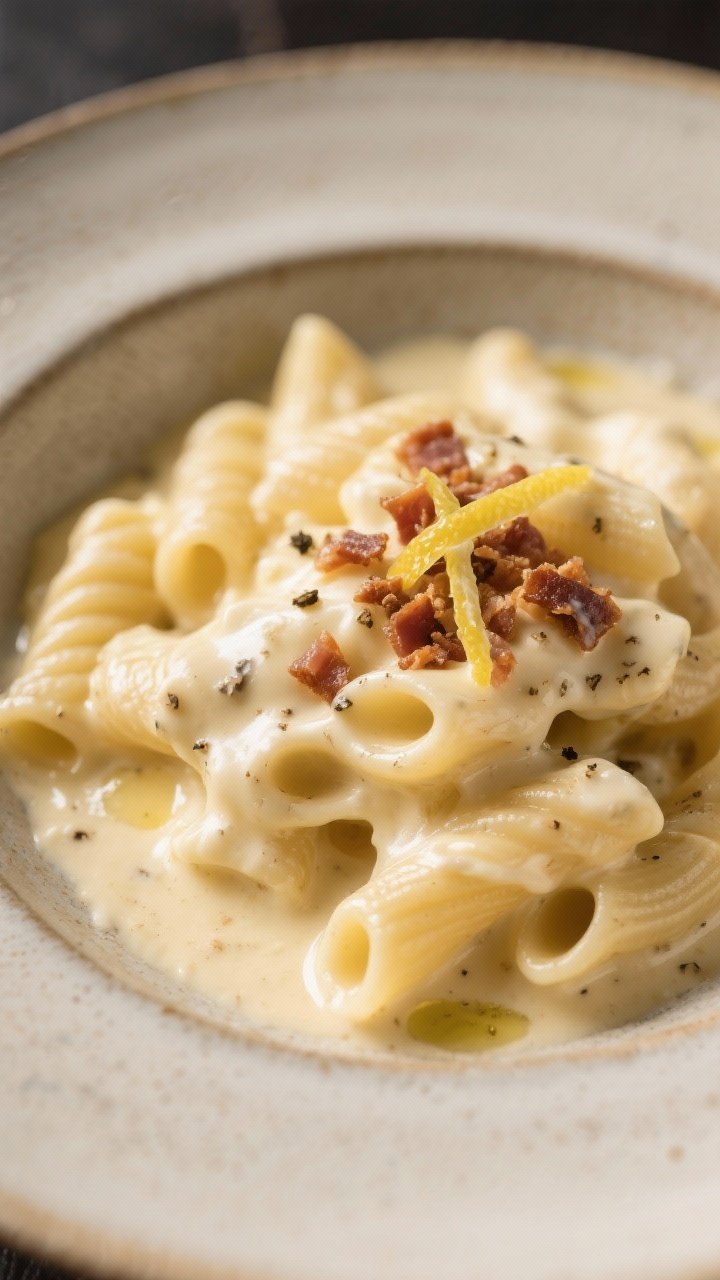
No, it’s not kale. But it’s good for your soul, your mood, and your dinner table reputation. Protein and calcium from the cheeses help with satiety and bone health, while carbs fuel energy after a long day. Balance the richness with a crisp salad or roast veggies and you’ve got an actually sensible meal.
IMO, food that delivers joy has a place in any balanced diet.
Don’t Make These Errors
- Using pre-shredded cheese. It’s coated with anti-caking agents that sabotage meltability. Grate your own—worth it.
- Overheating the sauce. Boiling = grainy, broken sauce. Keep it low and gentle.
- Adding all the cheese at once. Dumping guarantees clumps.
Add gradually, whisk constantly.
- Skipping pasta water. That starchy liquid is your emulsifier. It makes the sauce cling and shine.
- Under-salting pasta water. Your only chance to season the pasta itself. It should taste like the sea.
- Letting pasta sit. This dish is best immediately.
The sauce tightens as it cools—move with purpose.
Recipe Variations
- Truffle Luxe: Add a drizzle of white truffle oil or a spoon of truffle paste at the end. Skip if you’re using bold blue cheese—too many divas on one stage.
- Smoky Situation: Swap mozzarella for smoked scamorza or provolone. Add crisp pancetta or bacon crumbs for crunch.
- Green Dream: Fold in wilted spinach, peas, or blistered broccoli florets.
You’ll feel virtuous. Kind of.
- Spice Route: Stir in Calabrian chili paste or red pepper flakes for a slow burn that cuts the richness.
- Gluten-Free: Use a sturdy GF pasta (corn/rice blend). Reserve extra pasta water; GF pasta releases different starch.
- Lighter Touch: Use half-and-half, sub mascarpone for blue cheese, and add extra lemon zest and herbs to brighten.
- Blue Cheese Bold: Choose gorgonzola dolce for a gentle tang or a sharper blue for more punch.
Start with less; taste and build.
FAQ
What’s the best pasta shape for Creamy Four Cheese Pasta?
Short, ridged shapes like rigatoni, cavatappi, or shells are ideal because they trap sauce in every nook. Fettuccine works too if you’re chasing that silky, twirlable vibe.
Can I swap any of the cheeses?
Yes—aim for balance: a salty hard cheese (Parmesan/Pecorino), a melty stretcher (mozzarella/fontina), something creamy (mascarpone/cream cheese), and a tangy option (gorgonzola/goat). Keep the total quantity roughly the same.
How do I prevent the sauce from becoming grainy?
Low heat, gradual cheese addition, and constant whisking.
Also, avoid pre-shredded cheese and never let the dairy boil. If it tightens, whisk in warm pasta water to smooth it out.
Is there a way to make it without heavy cream?
You can use half-and-half plus a bit more mozzarella or mascarpone to restore body. It won’t be quite as rich, but it’ll still be luxe.
Can I add protein?
Absolutely.
Rotisserie chicken, seared shrimp, or crispy pancetta play beautifully. Add at the end so the sauce remains silky and the meat doesn’t overcook.
What wines pair well?
A crisp Pinot Grigio, unoaked Chardonnay, or a light red like Pinot Noir. The goal is acidity to slice through the richness, not another blanket of butter.
Why is my sauce too thick?
Cheese seized or the heat was too high.
Thin it gradually with warm pasta water, whisking until glossy. Don’t panic—this fix works 9/10 times, FYI.
Can I make it spicy?
Yes—add red pepper flakes with the garlic or swirl in Calabrian chili paste at the end for controlled heat.
Final Thoughts
Creamy Four Cheese Pasta is the dinner equivalent of a standing ovation: simple ingredients, outrageously satisfying results. Master the low heat, grate your cheese like you mean it, and use that pasta water like a pro.
In 25 minutes, you’ll have a showstopper that tastes like you spent hours fussing. Serve it hot, accept the compliments, and try not to lick the bowl—at least not in front of company.
Printable Recipe Card
Want just the essential recipe details without scrolling through the article? Get our printable recipe card with just the ingredients and instructions.