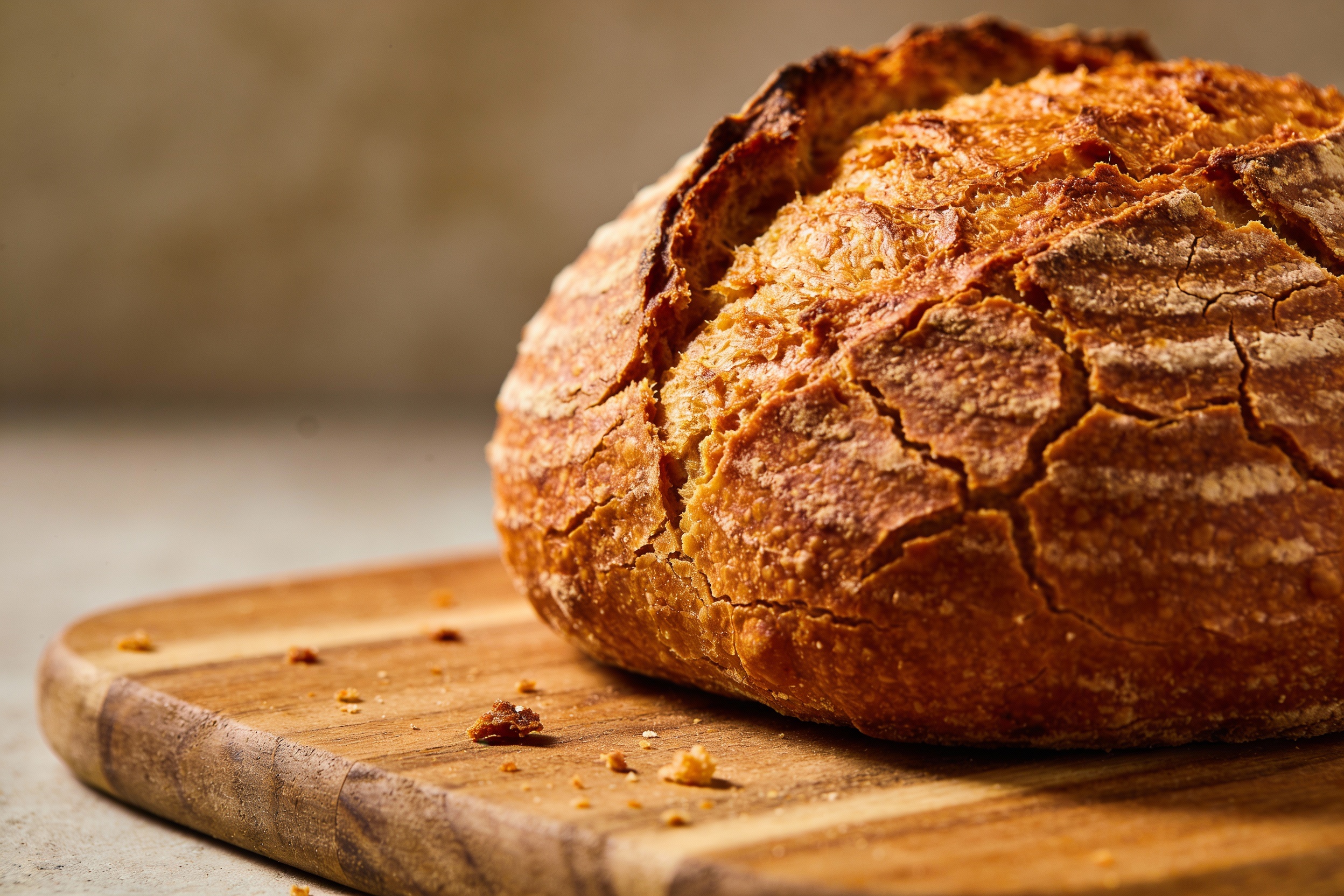
Crusty Keto Artisan Bread (No Yeast)
Your toast cravings called, and they’re tired of almond-flour bricks. Let’s fix that. This crusty keto artisan bread skips yeast, skips the drama, and still gives you that crackly exterior with a tender, bready middle. No kneading marathons. No rising times that feel like geological eras. Just honest-to-goodness bread you can slice, toast, and dunk.
Why No-Yeast Keto Bread Actually Works
You don’t need yeast to get lift or flavor. You just need the right combo of low-carb flours, moisture, and a smart leavening duo. We lean on baking powder and a touch of apple cider vinegar to create that rise on demand.
Most keto breads flop because they use only almond flour. That makes them dense and crumbly. We fix that with a blend of almond flour, psyllium husk, and egg whites. The psyllium adds structure and chew, the egg whites bring lift, and the almond flour keeps things rich without carbs spiking.
Overeating is a pattern. This helps you fix that problem. A quick reset for cravings, snacking, and “I’ll start tomorrow” moments.
Built for busy home cooks who want real-life structure. Simple steps that fit meal prep, family dinners, and late-night snack attacks.
The Texture You’re Chasing
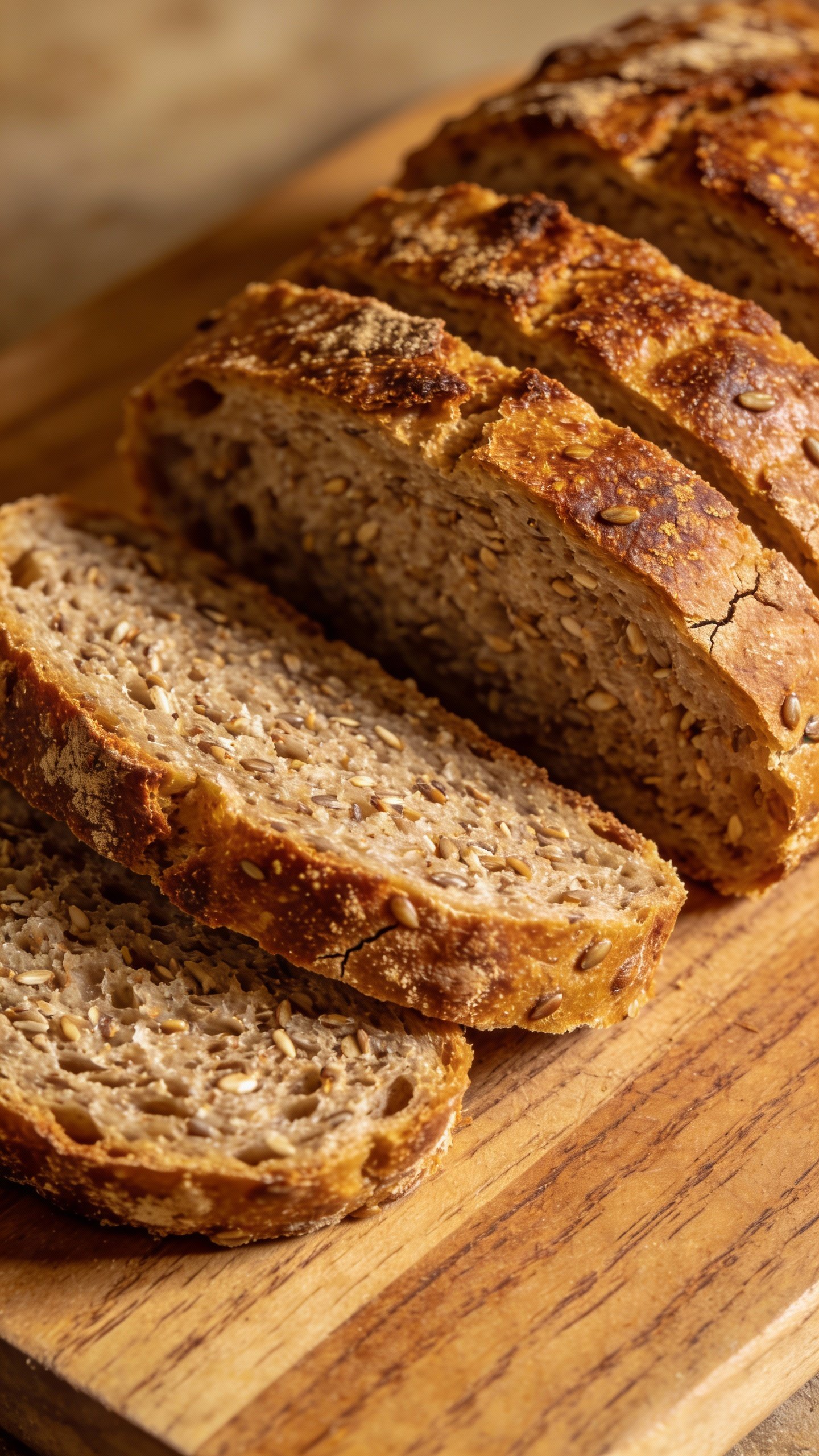
Let’s define “artisan” here. You want:
- Crust: Deeply browned and crackly when you tap it.
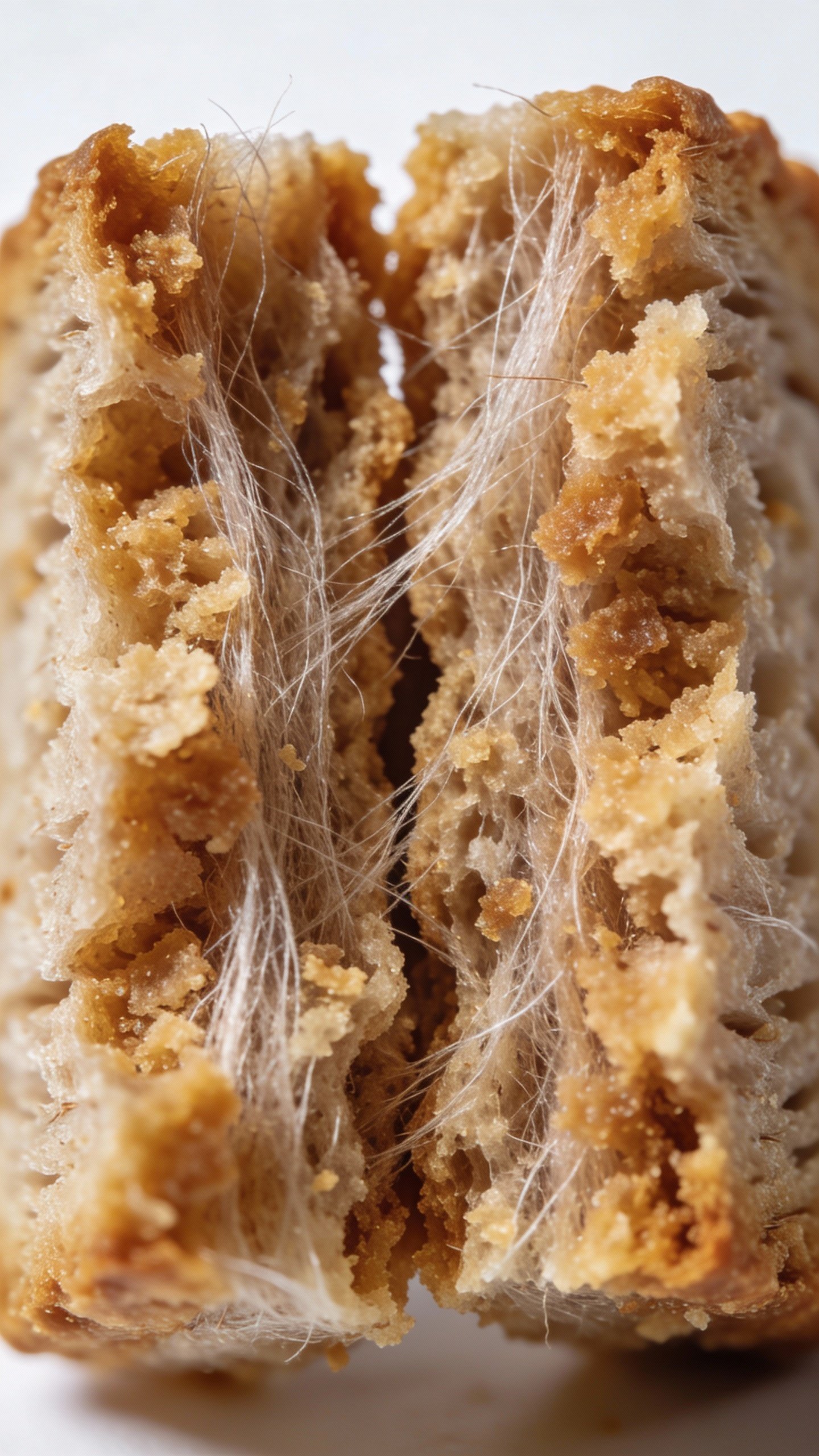
- Crumb: Tight but slightly open—think sandwich-worthy, not cakey.
- Flavor: Toasty, slightly nutty, with a hint of tang.
Sound good? We’ll get there. The trick is a hot start, a little steam, and the right hydration for low-carb flours.
Ingredients That Pull Their Weight
Keep it simple. Everything here earns its spot.
- Almond flour (super-fine): The base. Avoid coarse meal or your crumb goes gritty.
- Psyllium husk powder: Gives bread-like chew and helps trap moisture. Use a powder, not whole husks.
- Egg whites: Lift without heaviness. Carton egg whites work fine.
- Baking powder: The main leavener.
- Apple cider vinegar: Reacts with baking powder for a better rise and adds mild tang.
- Warm water: Hydrates psyllium and helps the dough “set.”
- Olive oil or melted butter: Tenderizes and adds flavor.
- Salt: Don’t skimp. Bread without salt tastes like sadness.
- Optional flavor boosts: Garlic powder, onion powder, sesame seeds, everything seasoning, rosemary.
Suggested Measurements (1 Medium Loaf)
- 2 cups super-fine blanched almond flour (about 200 g)
- 5 tablespoons psyllium husk powder (about 35 g)
- 1 tablespoon baking powder
- 1 teaspoon fine sea salt
- 4 large egg whites (about 120 g) or 1/2 cup carton egg whites
- 1 tablespoon apple cider vinegar
- 1 tablespoon olive oil or melted butter
- 1 cup warm water (240 ml), plus 1–2 tablespoons if dough feels stiff
Net carbs: About 2–3 g per slice if you cut 12 slices, IMO the sweet spot for mindfulness and munching.
Step-by-Step: From Bowl to Crusty Bliss
No mixer required, but a spatula and a little confidence help.
- Preheat like you mean it: 425°F (220°C). Put a cast iron skillet or baking sheet on the middle rack to preheat. Place a small metal pan on the bottom rack for steam.
- Mix dry: Whisk almond flour, psyllium powder, baking powder, and salt in a large bowl.
- Mix wet: In a separate bowl, whisk egg whites, vinegar, olive oil, and warm water.
- Combine: Pour wet into dry. Stir fast until it thickens. Psyllium activates within 30–60 seconds. If the dough looks crumbly, add 1–2 tablespoons warm water. You want a soft, pliable dough, not batter.
- Shape: Dust hands with a tiny bit of almond flour. Form a round boule or an oval batard. Score the top with a sharp knife—one long slash or a cross. Scoring helps expansion and improves crust.
- Steam setup: Carefully pour 1/2 cup hot water into the bottom pan to create steam (FYI, it hisses). Work quickly.
- Bake hot: Transfer the loaf onto the preheated skillet or sheet. Bake 20 minutes.
- Finish lower and dry: Reduce to 375°F (190°C). Bake another 25–35 minutes until deeply browned and the bottom sounds hollow when tapped. Internal temp: about 205–210°F (96–99°C).
- Cool completely: Wait at least 45 minutes before slicing. The crumb sets as it cools. Cutting early = gummy sadness.
Shaping and Scoring Tips
- Wet hands lightly: Stops sticking without loading on extra flour.
- Keep it tight: Tuck edges under to create surface tension. That helps the rise.
- Score decisively: A deep 1/2-inch slash works better than timid scratches.
Get That Signature Crust
Crust is all about heat and moisture control. We fake a bakery deck oven with steam at the start and a hot surface under the loaf.
- Preheated surface: A hot skillet gives instant spring and better browning.
- Steam early, dry late: Steam keeps the crust flexible, so the loaf can expand. Lower heat later to dry it out.
- Finish in the oven off: For extra crunch, turn the oven off, crack the door, and let the loaf sit 5–10 minutes.
What If You Don’t Have Cast Iron?
Use a preheated heavy baking sheet. Or bake in a preheated Dutch oven with the lid on for 20 minutes, then uncovered to finish. No Dutch? Still works, just keep the steam pan.
Flavor Variations Worth Trying
This base plays well with add-ins. Go wild, but keep things dry so the dough holds shape.
- Everything loaf: Sprinkle the top with everything seasoning after brushing with a little water.
- Rosemary garlic: 1 teaspoon garlic powder + 2 teaspoons minced fresh rosemary.
- Seeded crust: Roll the shaped dough in sesame, poppy, or sunflower seeds.
- Cheddar-jalapeño: 1/2 cup finely shredded sharp cheddar + 1 tablespoon minced jalapeño, patted dry.
IMO the seeded version toasts like a dream and makes egg sandwiches elite.
Serving, Storing, and Toasting
You did the work—now keep it stellar.
- Slice after cooling: Use a serrated knife and gentle sawing to avoid compressing the crumb.
- Store: Wrap loosely in parchment, then place in a bread box or paper bag at room temp for 24 hours. After that, refrigerate up to 5 days.
- Freeze: Slice first, then freeze with parchment between slices. Toast straight from frozen.
- Toast tips: Keto bread loves heat. Toast on a medium-high setting for maximum crunch and aroma.
Best Ways to Eat It
- Avocado smash with chili flakes and a lemon squeeze
- Open-faced tuna melt (broiler until bubbly)
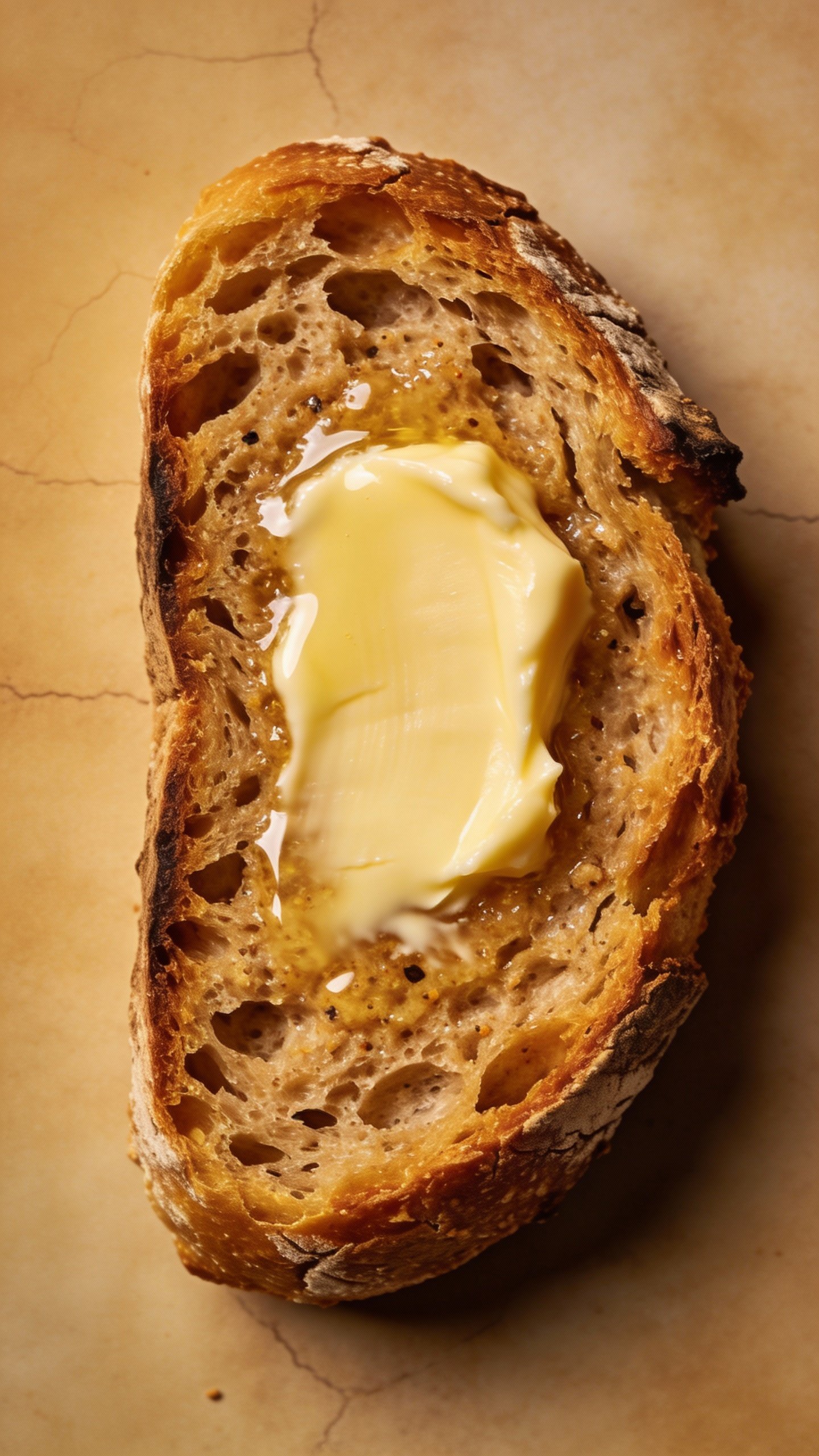
- Butter + flaky salt, classic and undefeated
- French toast with cinnamon and a keto-friendly syrup
Troubleshooting: The Bread Clinic
Let’s fix the usual suspects so your loaf wins every time.
- Loaf looks purple or gray: That’s psyllium brand variability. Use a high-quality powder labeled blond or light. It won’t affect taste, just aesthetics.
- Gummy center: You sliced too early or underbaked. Bake until 205–210°F internal, then cool fully.
- Dense and squat: Dough was too dry or you skipped the hot surface. Add 1–2 tablespoons warm water next time and preheat your pan.
- Bitter taste: Old baking powder or too much. Use aluminum-free, fresh baking powder.
- Crumbly slices: Not enough psyllium or you used coarse almond meal. Stick to powder psyllium and super-fine almond flour.
FAQ
Can I use whole eggs instead of just egg whites?
You can, but the yolks add fat and weight, which reduces lift. If you swap, expect a slightly denser loaf and a richer flavor. For maximum rise, egg whites win.
Is there a substitute for almond flour?
Coconut flour doesn’t sub 1:1—totally different beast. If you must go nut-free, try 1/2 cup coconut flour plus 2–3 extra tablespoons water, and expect a different texture. FYI, results vary a lot.
Do I really need the vinegar?
Yes. The vinegar reacts with baking powder to create extra lift and adds subtle tang that reads “bread.” You can use lemon juice in a pinch.
What’s the best way to get big holes in the crumb?
Keto breads rarely get giant open holes like sourdough, because low-carb flours lack gluten. You can loosen the crumb slightly by keeping the dough a touch wetter and baking on a very hot surface. Still, manage expectations.
Can I make rolls instead of a loaf?
Absolutely. Divide into 6–8 pieces, shape into tight balls, score, and bake at 400°F (205°C) for 20–25 minutes, then 10–15 minutes at 350°F (175°C). Rolls brown faster, so keep an eye on them.
How do I add sourdough-style flavor without yeast?
Mix 2 tablespoons plain unsweetened yogurt into the wet ingredients and reduce the water slightly. It adds gentle tang and aroma. It’s not true sourdough, but your taste buds won’t complain.
Conclusion
Crusty, sliceable keto bread without yeast isn’t a myth—it’s a smart formula. You blend the right low-carb flours, add a quick-rise duo, and give it heat and steam like a pro. The result? A golden boule that slices clean, toasts beautifully, and behaves like real bread. IMO, once you master this, store-bought keto loaves start to taste like packing foam. Bake it, slice it, brag a little. You earned it.