Keto Sourdough Bread
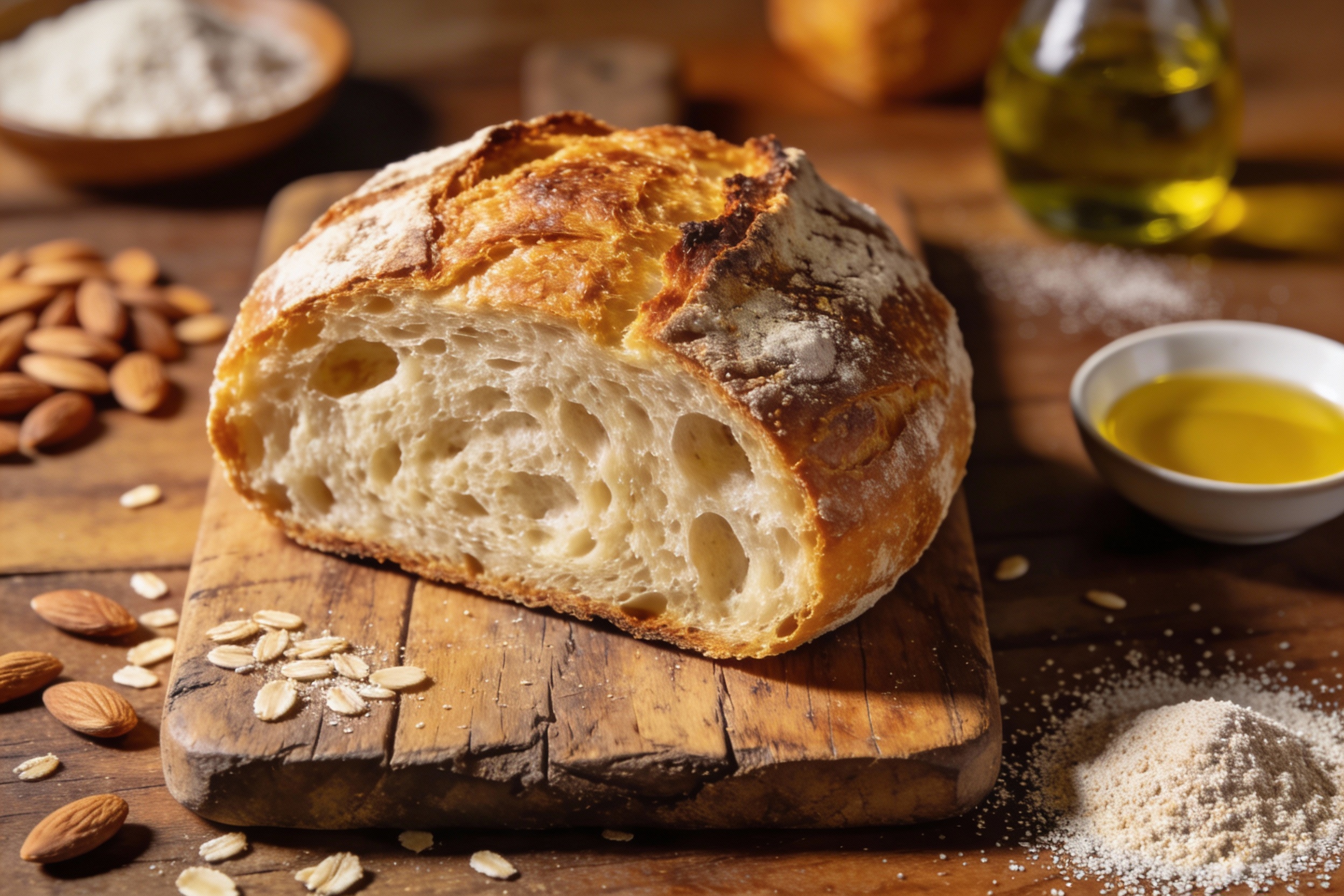
If you’ve ever stared longingly at a crusty sourdough loaf while swearing allegiance to keto, welcome to the club. Bread cravings don’t care about macros, and honestly, they hit hardest when you’re behaving. The good news? You can absolutely have that tangy, chewy fix without torpedoing ketosis. Let’s talk keto sourdough bread—what it is, how to nail it, and how to avoid a dense, eggy disaster.
Wait, Keto and Sourdough… Together?
Traditional sourdough sings thanks to wheat flour and wild yeast, which spells carbs. Keto sourdough flips the script. We swap high-carb flours with low-carb stand-ins and tweak fermentation so you still get that signature tang and chew. No, it won’t taste exactly like a San Francisco boule—but when you get it right, it checks every box: sliceable, toasty, tangy, and butter-ready.
Overeating is a pattern. This helps you fix that problem. A quick reset for cravings, snacking, and “I’ll start tomorrow” moments.
Built for busy home cooks who want real-life structure. Simple steps that fit meal prep, family dinners, and late-night snack attacks.
The Secret Sauce: Ingredients That Actually Work
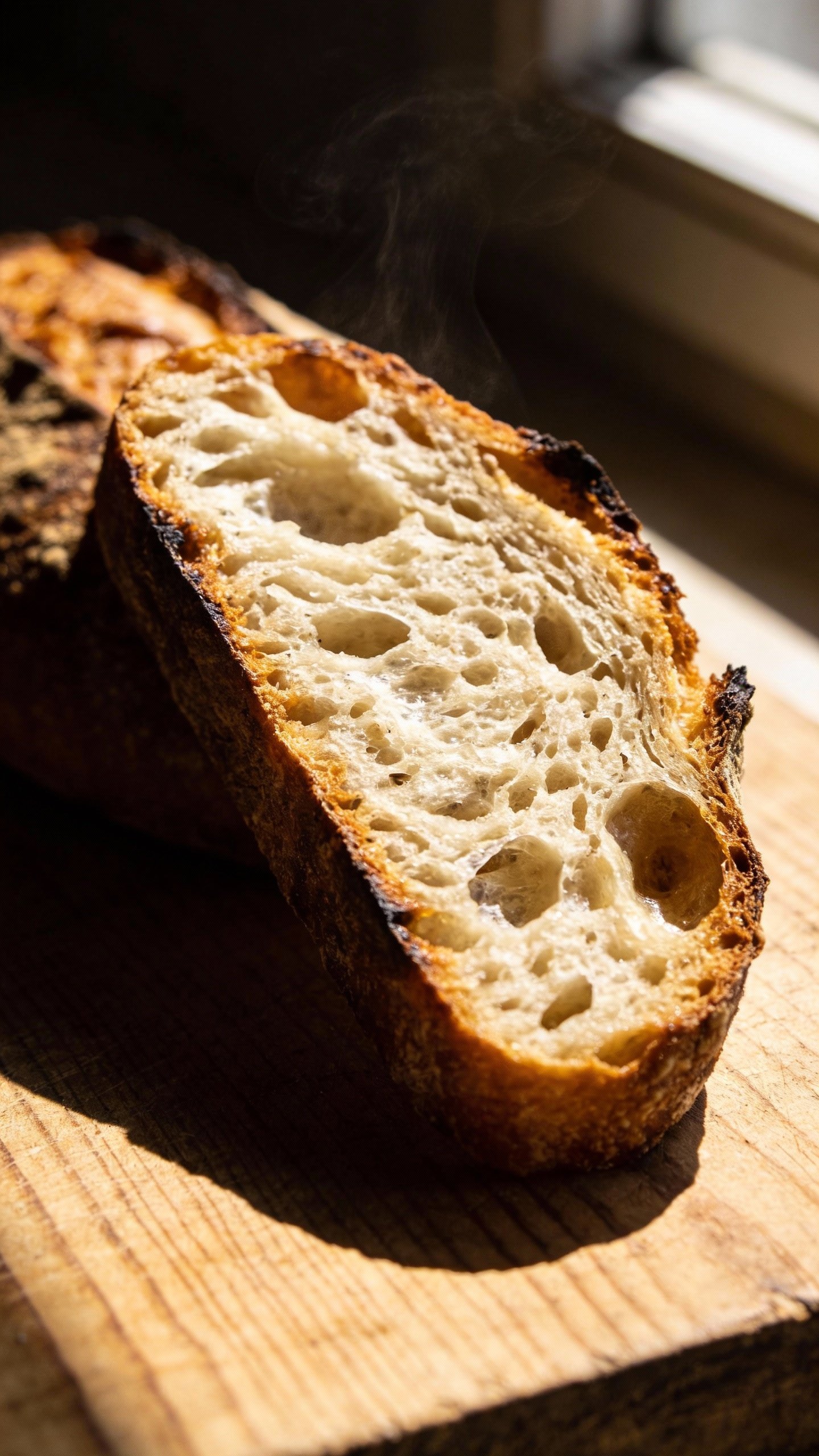
You can’t just dump almond flour into a recipe and pray. Keto sourdough needs a balanced mix so it rises, holds together, and doesn’t crumble like sad cake.
- Base flours: Almond flour for body, coconut flour for dryness control, and a bit of golden flaxseed meal for structure.
- Binders: Psyllium husk powder gives that bread-like chew. Don’t skip it unless you enjoy disappointment.
- Leavening: A keto-friendly sourdough starter (more on that next) plus a boost from baking powder.
- Liquids: Warm water and a splash of apple cider vinegar to nudge fermentation and tang.
- Fats: Olive oil or melted butter for tenderness and flavor.
- Optional: A bit of allulose or erythritol to help browning without spiking carbs.
Macro Snapshot (per slice, depends on loaf size)
- Net carbs: 2–4g
- Protein: 4–6g
- Fat: 8–12g
FYI, your exact numbers depend on your specific ingredients and slice thickness. Measure once, calculate twice.
But How Do You Make a Keto Sourdough Starter?
Traditional starters feast on wheat. We need one that thrives on low-carb substrates. You have two legit pathways:
Option A: Hybrid Starter (IMO the easiest)
You maintain a very small wheat-based starter for flavor and inoculation, then use only a spoonful to jump-start a keto sponge that feeds on resistant starch and fiber. The gluten exposure stays minimal in the final loaf, but not zero—important for those with celiac, so heads up.
- Keep 30g of a regular starter in the fridge.
- Before baking, mix 1 tbsp starter with 60g warm water, 20g psyllium husk, and 10g flax meal. Let it bubble 4–8 hours.
- Use that sponge in your dough.
Option B: Fully Gluten-Free, Low-Carb Starter
This takes patience but works.
- Day 1: Mix 40g water, 20g fine-ground flax, 10g psyllium, and a pinch of inulin or allulose.
- Days 2–7: Feed daily with 20g water + 10g flax + 5g psyllium + a pinch of inulin. Keep warm (75–78°F).
- You want a slightly bubbly, tangy, thick paste. It won’t rise like wheat starter, but it should smell pleasantly sour.
Pro tip: A tiny pinch of active dry yeast on Day 3 can help kickstart things, though purists will clutch pearls. Your call.
Step-by-Step: A Reliable Keto Sourdough Loaf
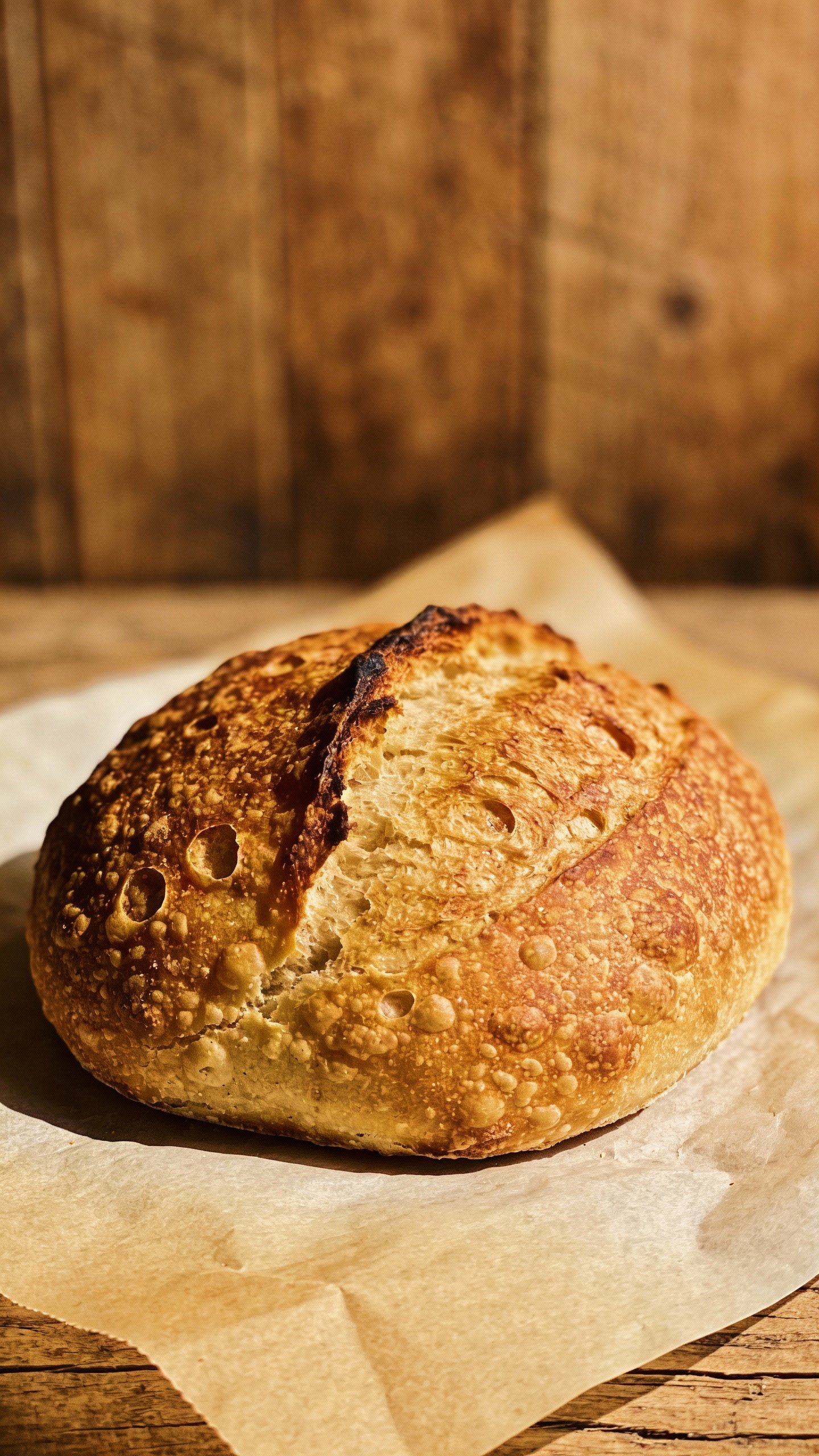
This method gives you a legit sliceable loaf with a nice crust and moist crumb. No brick vibe.
Ingredients
- 200g almond flour
- 20g coconut flour
- 25g golden flaxseed meal
- 18g psyllium husk powder (finely ground)
- 10g baking powder
- 8g fine sea salt
- 180–220g warm water (start lower, add as needed)
- 80g active keto sourdough starter or sponge
- 20g olive oil or melted butter
- 10g apple cider vinegar
- Optional: 10g allulose for better browning
Method
- Activate the starter: Make sure it smells tangy, with light bubbles. If it’s sleepy, give it a warm spot for an hour.
- Mix dry ingredients: Whisk almond flour, coconut flour, flax, psyllium, baking powder, salt, and allulose.
- Add wet ingredients: Stir in starter, 180g water, oil, and vinegar. Mix well. If it looks dry or crumbly, add water 10g at a time until the dough feels like thick, scoopable clay.
- Rest (autolyse-ish): Let the dough sit 10–15 minutes so psyllium hydrates. It will firm up.
- Shape: Wet your hands, then form a tight oval or round. Place in a parchment-lined small loaf pan or on a parchment sheet.
- Proof: Cover and let it rise slightly for 45–90 minutes in a warm spot. Don’t expect a huge lift—look for a gentle puff and surface stretching.
- Score and bake: Preheat oven to 375°F (190°C). Score the top with a sharp knife. Bake 45–55 minutes until deep golden and firm.
- Finish: Turn off oven, crack door, and let it sit 10 minutes. Cool completely before slicing. Yes, completely. Warm slicing = gummy crumbs.
Texture check: You want a tight, even crumb without big tunnels. If it’s wet inside, bake longer or slice thinner and toast.
Flavor and Texture Tweaks
Want more tang or chew? You’ve got options.
- More sour: Let the shaped loaf chill in the fridge 6–12 hours before baking. Bake straight from cold.
- More chew: Increase psyllium by 2g and decrease almond flour by 10g.
- Nutty depth: Toast the flax meal lightly in a dry pan, cool, then add.
- Seeded version: Fold in 2 tbsp mixed seeds (sesame, pumpkin, sunflower) after the rest period.
- Softer crumb: Swap half the oil for 40g Greek yogurt.
Avoid These Common Pitfalls
- Gummy center: Underbaked loaf or sliced too soon. Bake longer and cool fully.
- Eggy taste: Notice no eggs? Exactly. Keto bread often leans eggy—this one doesn’t need them.
- Grey color: Old psyllium. Use fresh, finely ground psyllium for a cleaner crumb.
- No rise at all: Starter not active, or dough too wet. Tighten hydration and give it warmth.
Why Bother With “Sourdough” On Keto?
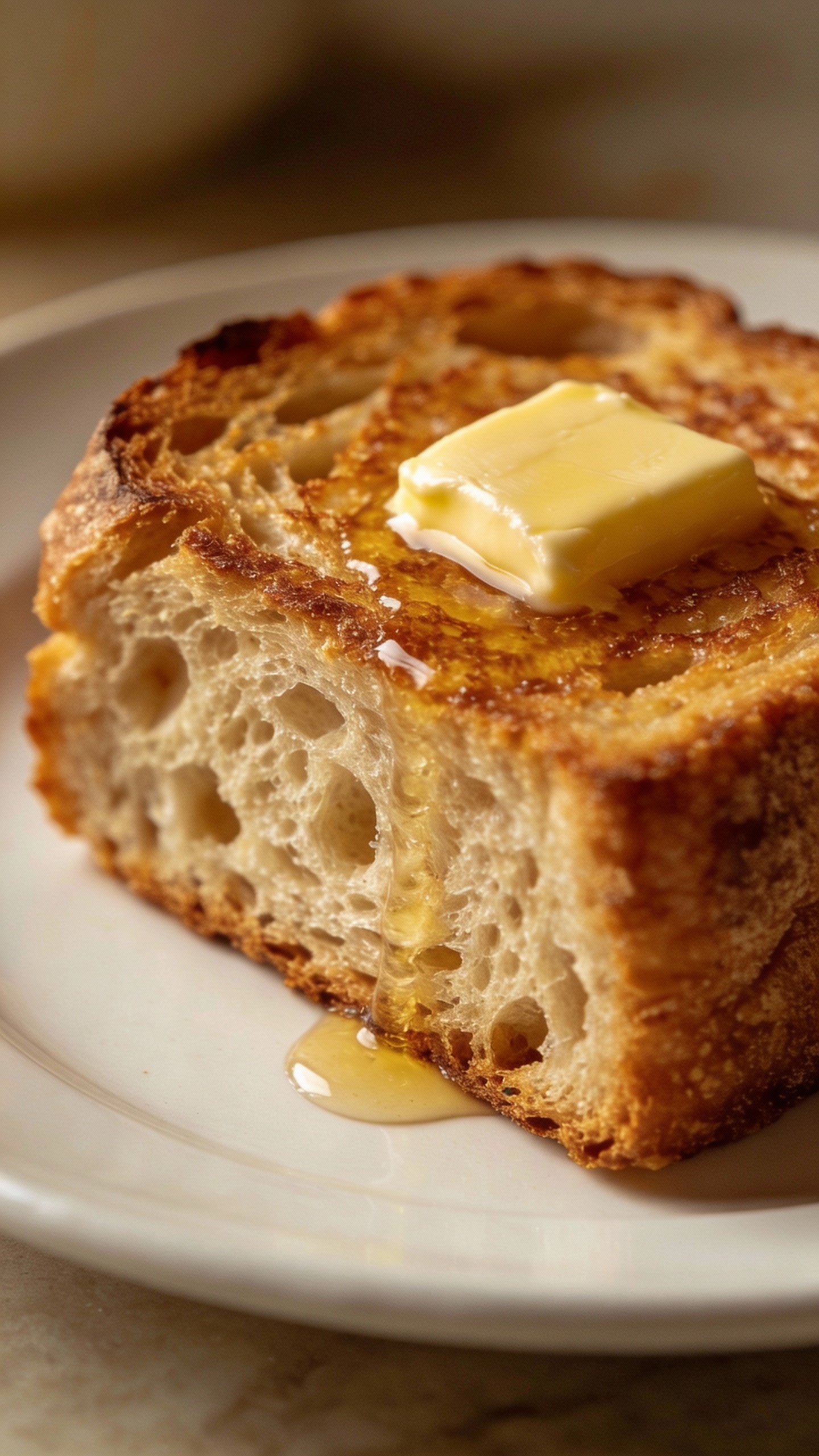
Short answer: flavor and digestibility. The fermentation byproducts add complexity you just won’t get from plain baking powder breads. You also create organic acids that help with keeping quality and may slightly reduce the effective carbs from certain fibers. Is it magic? No. Is it delicious and more “real bread”-like? Absolutely.
Storage and Serving
- Storage: Wrap and keep at room temp 24 hours, then refrigerate up to 5 days. Freeze slices up to 2 months.
- Best served: Toasted. Crisp edges + tang = chef’s kiss.
- Toppings: Butter and flaky salt, avocado with lemon, tuna salad, grilled cheese (yes, it works!), or a runny fried egg.
Advanced: Building a Better Starter Culture
If you love tinkering, try this simple culture boost.
Prebiotic Feed Blend
Mix 3 parts fine flax, 1 part psyllium, and a tiny pinch of inulin or chicory fiber. Feed your starter with this blend and warm water. Keep it thick—like peanut butter. Refresh 1–2 times before baking for brighter acidity. IMO, this gives more pronounced tang and predictably active bubbles.
Temperature Control
- Cool (68–70°F): Milder flavor, slower activity.
- Warm (75–78°F): Brighter tang, faster proof.
- Too hot (>82°F): Funky flavors and slack dough. Back off.
FAQ
Is keto sourdough bread gluten-free?
If you use the fully gluten-free starter (Option B) and gluten-free ingredients, yes. If you use the hybrid starter with a tiny bit of wheat, then no—traces remain. Celiac friends should stick to the fully GF route.
Can I use only almond flour?
You can, but you’ll get a crumbly loaf with less chew. Coconut flour and psyllium balance moisture and structure. Think of them as the squad that keeps your loaf from falling apart.
How do I know my starter is active enough?
It should smell pleasantly sour and show small bubbles or slight expansion after feeding. If it’s flat and bland, give it another feeding and some warmth. When in doubt, add a smidge more baking powder to the dough as insurance.
Why does my loaf turn purple or gray?
That’s usually psyllium oxidation or a reaction with certain baking powders. Use fresh, high-quality psyllium and aluminum-free baking powder. Also, avoid overmixing.
Can I bake this in a Dutch oven?
Yes, but it’s not required. Preheat the Dutch oven, place the shaped loaf on parchment, cover, and bake 30 minutes covered + 15–20 uncovered for color. It traps steam and gives a nicer crust, which we like.
What’s the best way to slice without crumbling?
Cool completely, then use a sharp serrated knife. Slice gently with a sawing motion. If it still crumbles, toast it slightly first—works like a charm.
Conclusion
Keto sourdough bread isn’t a unicorn—it’s totally doable with the right flours, a cooperative starter, and a little patience. You’ll get real tang, real chew, and slices that stand up to butter like champs. Tweak the hydration, keep your psyllium fresh, and don’t rush the cool-down. IMO, once you taste a good keto sourdough grilled cheese, you won’t miss the wheat stuff.