Korean Beef Meal Prep Bowl – Fast, Flavorful, and Perfect for Busy Weeks
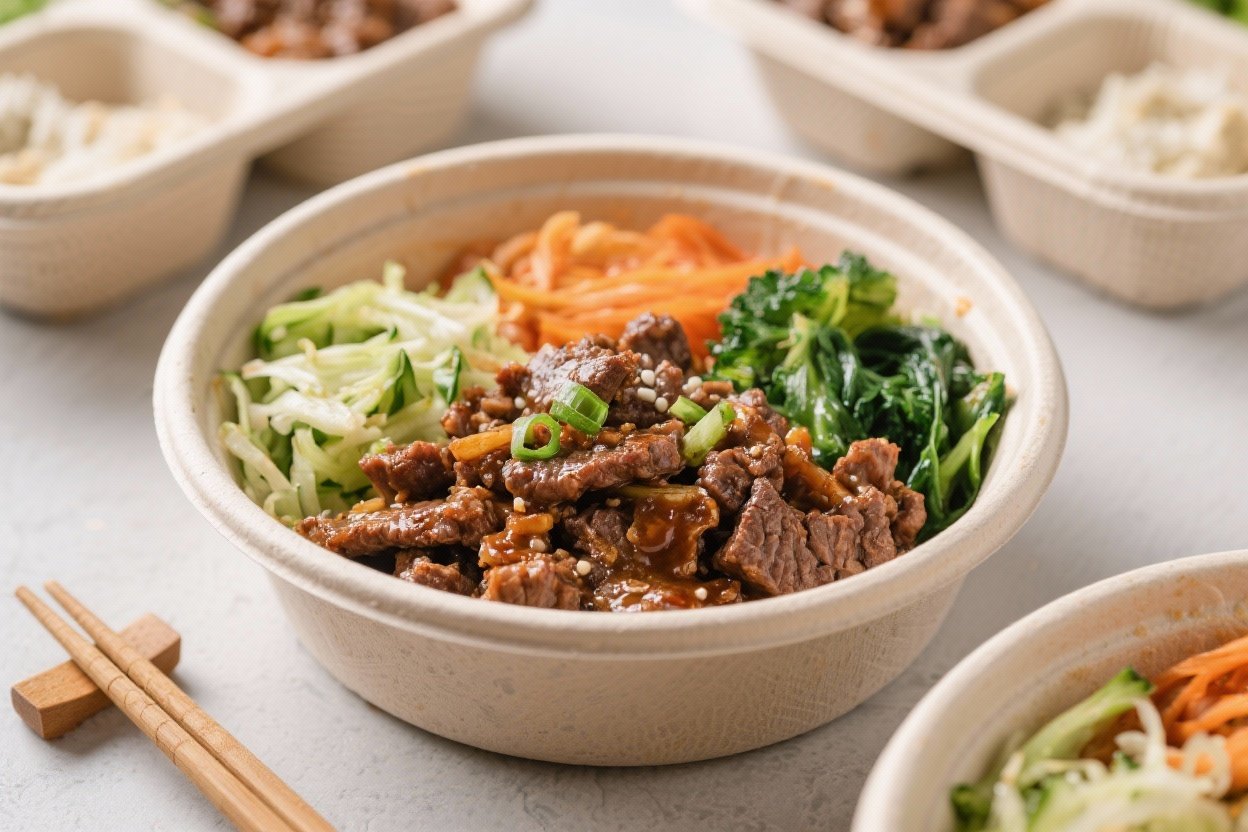
A Korean Beef Meal Prep Bowl is the kind of recipe that makes weeknights and work lunches feel easy. You get bold flavor, quick cook time, and a balanced meal all in one container. It’s savory, a little sweet, and full of texture from crisp veggies and fluffy rice.
If you’re new to meal prep, this is a great place to start because it’s forgiving and flexible. If you’re a pro, it’ll slide right into your rotation with almost no effort.
Overeating is a pattern. This helps you fix that problem. A quick reset for cravings, snacking, and “I’ll start tomorrow” moments.
Built for busy home cooks who want real-life structure. Simple steps that fit meal prep, family dinners, and late-night snack attacks.
What Makes This Recipe So Good

- Fast and doable: The beef cooks in under 10 minutes, and the sauce is made from pantry staples.
- Balanced bowl: Protein, carbs, and veggies make it filling without being heavy.
- Meal-prep friendly: Holds up well in the fridge for several days and reheats beautifully.
- Customizable: Swap the rice, change the veggies, or adjust the heat to your taste.
- Big flavor: Soy, garlic, ginger, and sesame bring that classic Korean-inspired taste with minimal work.
Shopping List
- Ground beef (85–93% lean), about 1 to 1.5 pounds
- Cooked rice (white jasmine, sushi rice, or brown rice), 4 cups cooked
- Low-sodium soy sauce or tamari, 1/3 cup
- Brown sugar or honey, 2–3 tablespoons
- Rice vinegar, 1 tablespoon
- Gochujang (Korean chili paste) or red pepper flakes, 1–2 tablespoons gochujang or 1 teaspoon flakes
- Sesame oil, 1 tablespoon
- Garlic, 4–5 cloves, minced
- Fresh ginger, 1 tablespoon, grated
- Green onions, 4–5, sliced
- Veggies for the bowl: shredded carrots, cucumber, steamed broccoli, or sautéed bell peppers
- Kimchi (optional but great), 1 cup
- Sesame seeds, for garnish
- Neutral oil (avocado or canola), 1 tablespoon
- Eggs for topping (optional), 4 soft-boiled or fried
- Salt and pepper, to taste
Instructions
- Cook the rice: Make 4 cups of cooked rice using your preferred variety. Fluff and let it cool slightly so it doesn’t steam up your containers.
- Mix the sauce: In a small bowl, whisk soy sauce, brown sugar, rice vinegar, sesame oil, and gochujang.
Adjust the sweetness and spice to your taste.
- Prep the aromatics: Mince garlic and grate ginger. Slice green onions, keeping some for garnish.
- Cook the beef: Heat a skillet over medium-high. Add neutral oil, then the ground beef.
Season with a pinch of salt and pepper. Break it up and cook until browned with crisp edges, about 6–8 minutes. Drain excess fat if needed.
- Add aromatics: Stir in garlic and ginger.
Cook until fragrant, about 30–60 seconds.
- Sauce it up: Pour the sauce over the beef. Stir and let it simmer for 2–3 minutes until glossy and thickened slightly. Fold in most of the green onions.
- Prep the veggies: Steam broccoli until just tender, slice cucumbers, and shred carrots.
You can also sauté bell peppers with a splash of soy if you like.
- Optional eggs: Soft-boil (6–7 minutes) or pan-fry eggs for an extra protein boost.
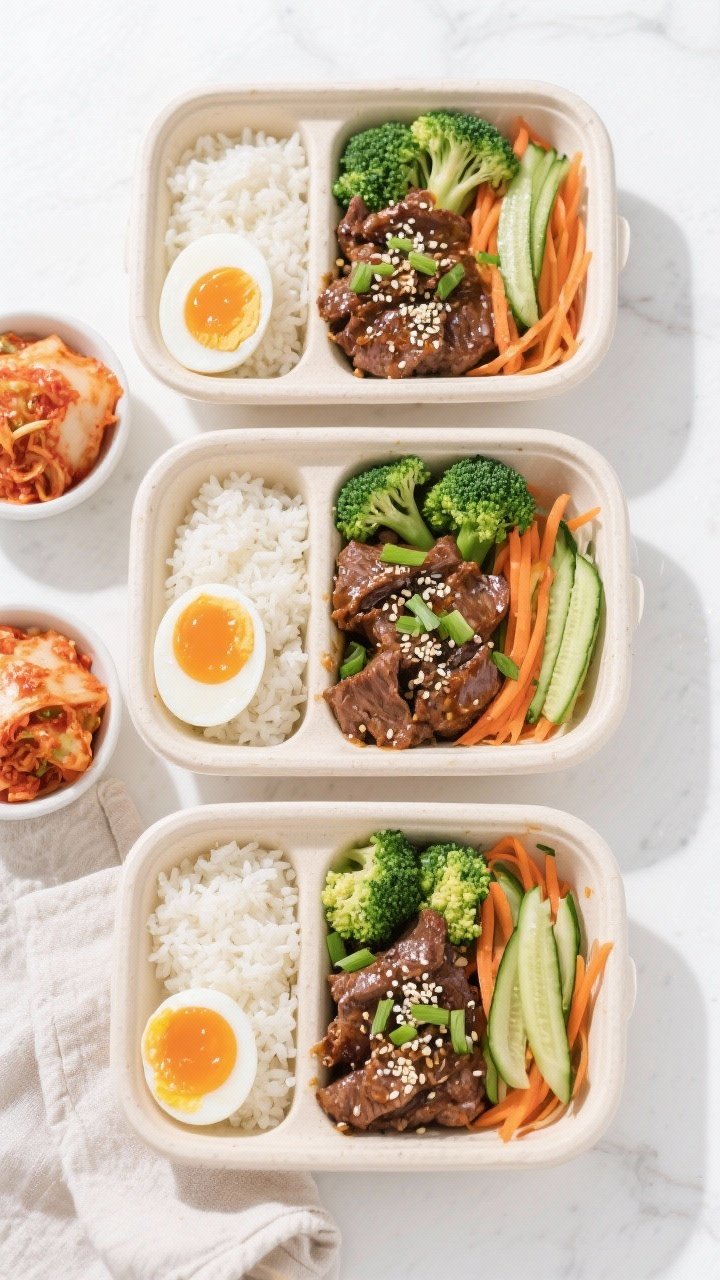
- Assemble bowls: Divide rice into 4 meal-prep containers. Top with Korean-style beef, veggies, and kimchi. Sprinkle with sesame seeds and the remaining green onions.
Add eggs if using.
- Cool and store: Let everything cool for 15–20 minutes before sealing the containers to avoid condensation.
How to Store
- Refrigerator: Store assembled bowls in airtight containers for up to 4 days. Keep kimchi separate if you prefer it cold and crunchy.
- Freezer: You can freeze the beef and rice (without fresh veggies or eggs) for up to 2 months. Thaw overnight and add fresh toppings when reheating.
- Reheating: Microwave on medium heat for 1–2 minutes, stir, then heat for another 30–60 seconds until hot.
Add a splash of water to the rice to keep it soft.

Health Benefits
- Protein-rich: Ground beef provides iron, B vitamins, and high-quality protein, which supports muscle repair and steady energy.
- Fiber from veggies and rice: Brown rice and vegetables add fiber for digestion and satiety. Even with white rice, the veggies keep the bowl balanced.
- Healthy fats: Sesame oil contains unsaturated fats and adds flavor, so you can keep overall oil use modest.
- Fermented boost: Kimchi offers probiotics that support gut health. If heat-sensitive, add it after reheating.
- Customizable sodium and sugar: Using low-sodium soy sauce and adjusting the sweetener lets you control the nutrition without losing flavor.
Common Mistakes to Avoid
- Overcrowding the pan: Too much beef in a small skillet steams instead of browns.
Cook in batches if needed.
- Skipping aromatics: Garlic and ginger are key to the flavor. Don’t leave them out or burn them—add after browning the meat.
- Adding sauce too early: Let the beef brown first. Browning builds flavor and texture that the sauce can cling to.
- Using hot rice in containers: Sealing hot food traps steam and makes rice soggy.
Cool slightly before packing.
- Overcooking veggies: Keep them crisp-tender so they reheat well and don’t turn mushy.
Variations You Can Try
- Low-carb: Swap rice for cauliflower rice and use a little less sweetener in the sauce.
- Ground turkey or chicken: Use the same sauce. Add a teaspoon of oil to prevent lean meat from drying out.
- Bulgogi-inspired: Use thinly sliced beef instead of ground. Marinate it in the sauce for 30 minutes, then sear quickly.
- Vegetarian: Replace beef with crumbled firm tofu or tempeh.
Press tofu well and crisp it before adding sauce.
- Extra veggies: Add sautéed mushrooms or spinach for more volume and nutrients.
- Spice level: Increase or reduce gochujang to control heat. A drizzle of gochujang mayo on top adds creamy heat.
- Different grains: Try quinoa or farro for a heartier base.
FAQ
Can I make this recipe gluten-free?
Yes. Use tamari or a gluten-free soy sauce and verify your gochujang is labeled gluten-free.
Serve with rice or another gluten-free grain.
Is gochujang necessary?
It adds depth and a signature sweet heat, but you can substitute with red pepper flakes and a little extra honey. The flavor will differ but still be delicious.
How do I prevent the beef from drying out?
Don’t overcook it after adding the sauce. Use beef that isn’t too lean, or add a teaspoon of oil if using very lean meat.
What’s the best rice for meal prep?
Jasmine or medium-grain white rice reheats well and stays fluffy.
Brown rice is great for fiber and holds up nicely too.
Can I add the egg ahead of time?
Yes, but cook it slightly under your ideal doneness. Soft-boiled eggs keep for up to 4 days peeled. Fried eggs are best added the day you eat.
How spicy is this recipe?
Mild to medium, depending on your gochujang.
Start small and add more to taste.
Can I make it lower in sugar?
Reduce the brown sugar to 1 tablespoon or use a sugar alternative you like. Balance the saltiness with a touch more rice vinegar if needed.
Wrapping Up
A Korean Beef Meal Prep Bowl delivers big flavor with minimal effort. It’s fast, flexible, and built for the fridge, which makes weekday eating a lot less stressful.
Keep the ingredients on hand, tweak the spice and sweetness to your liking, and you’ll have a reliable, satisfying lunch or dinner ready whenever you are.
Printable Recipe Card
Want just the essential recipe details without scrolling through the article? Get our printable recipe card with just the ingredients and instructions.