Lemon Dill Salmon and Asparagus Meal Prep Recipes (Under 400 Calories): The 20-Minute Power Lunch You’ll Actually Crave
You don’t need a private chef or a miracle supplement to eat clean, feel light, and stay full. You need one pan, 20 minutes, and a flavor combo that slaps: lemon, dill, and perfectly roasted salmon. This is the kind of meal prep that makes you look forward to Monday lunch instead of “forgetting” it in the fridge.
It’s simple, macro-friendly, and tastes like a fancy bistro without the tip. Want healthy to feel easy? Start here.
Overeating is a pattern. This helps you fix that problem. A quick reset for cravings, snacking, and “I’ll start tomorrow” moments.
Built for busy home cooks who want real-life structure. Simple steps that fit meal prep, family dinners, and late-night snack attacks.
What Makes This Special
This recipe hits the sweet spot: high-protein, low-calorie, and big on flavor.
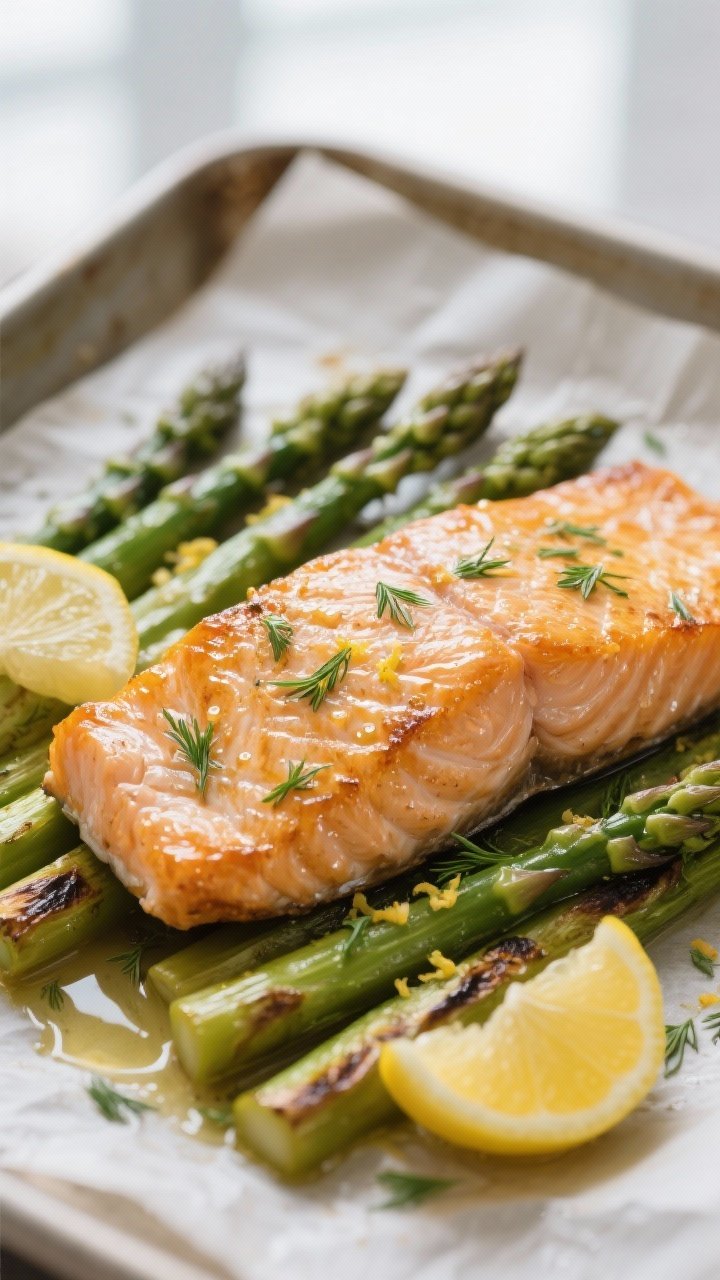
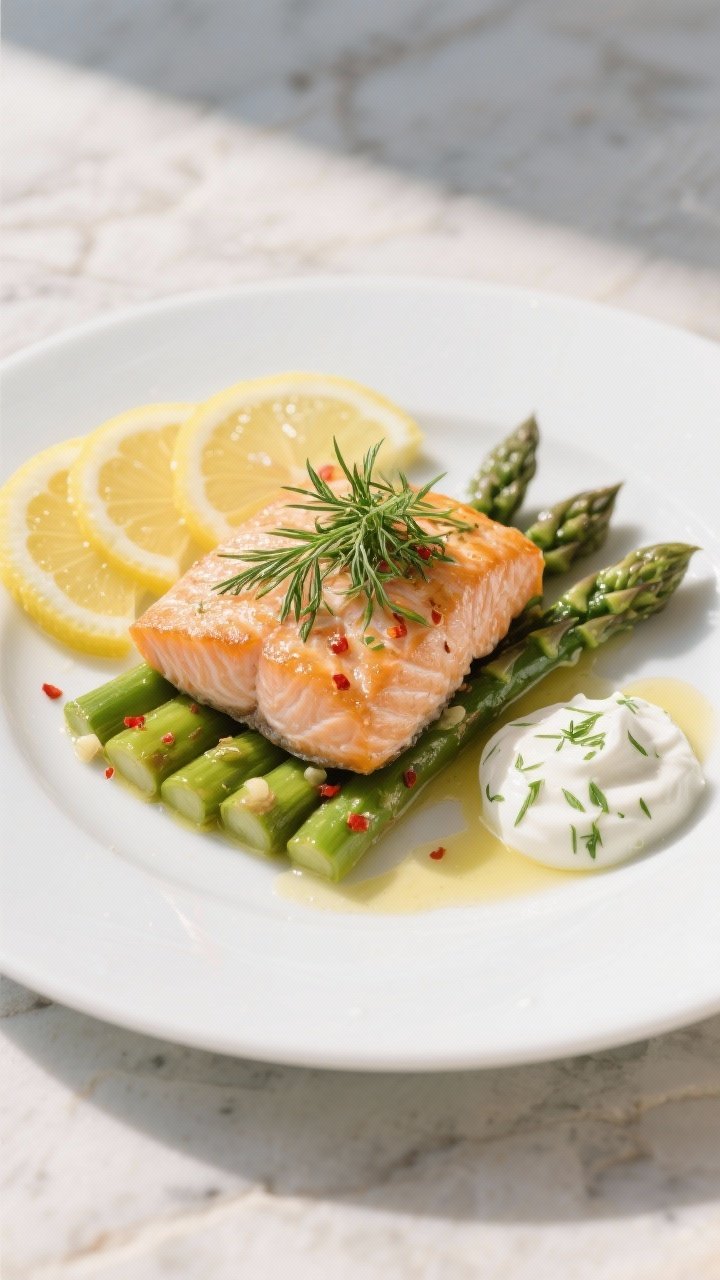
Bright lemon and fresh dill cut through the richness of salmon, while tender asparagus keeps things crisp and clean. It’s designed for consistency—minimal ingredients, minimal steps, maximum repeatability. And yes, it clocks in under 400 calories per serving, so you can save your calories for dessert (or coffee… no judgment).
Plus, everything roasts on one sheet pan.
Translation: less time cleaning, more time doing literally anything else. It’s forgiving, scalable for meal prep, and easy to customize if you’re feeling fancy.
What Goes Into This Recipe – Ingredients
- Salmon fillets: 4 x 4-ounce skin-on fillets
- Asparagus: 1.5 pounds, trimmed
- Lemon: 1 zested and juiced, plus extra slices for garnish (optional)
- Fresh dill: 2 tablespoons finely chopped (or 2 teaspoons dried)
- Olive oil: 2 tablespoons total
- Garlic: 2 cloves, minced (or 1/2 teaspoon garlic powder)
- Dijon mustard: 1 teaspoon (optional, for extra tang)
- Salt: 1 teaspoon, divided
- Black pepper: 1/2 teaspoon, divided
- Red pepper flakes: Pinch (optional)
- Cooked quinoa or cauliflower rice: Optional base, 1/2 cup per meal prep container if desired
- Lemon wedges: Optional for reheating day
Per serving (salmon + asparagus only): Approximately 360–390 calories, 32–35g protein, 20–22g fat, 7–10g net carbs. Add 1/2 cup cooked quinoa if you want more carbs (adds ~100 calories).
Instructions
- Preheat and prep: Heat oven to 425°F (220°C).
Line a large sheet pan with parchment for easy cleanup.
- Trim asparagus: Snap off woody ends. Toss asparagus with 1 tablespoon olive oil, half the salt and pepper, and half the lemon zest. Spread in a single layer on the pan.
- Make the lemon-dill rub: In a small bowl, mix remaining 1 tablespoon olive oil, lemon juice, remaining lemon zest, dill, garlic, Dijon, remaining salt and pepper, and red pepper flakes.
- Season salmon: Pat fillets dry.
Place skin-side down on the sheet pan, nestling them among the asparagus. Spoon the lemon-dill mixture over the salmon, spreading evenly.
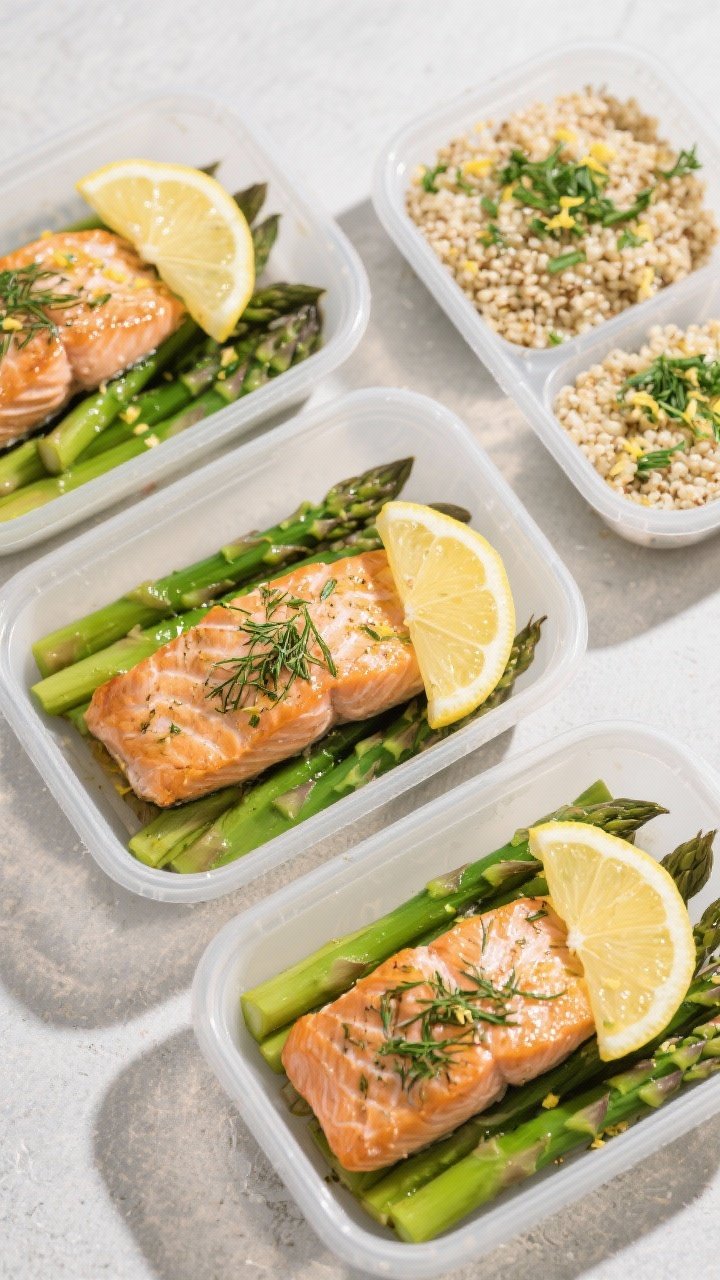
- Roast: Bake 10–12 minutes for medium doneness, depending on thickness. Asparagus should be crisp-tender and lightly charred at the tips.
- Rest and finish: Let salmon rest 3 minutes.
Add extra dill or lemon slices if you’re feeling chef-y.
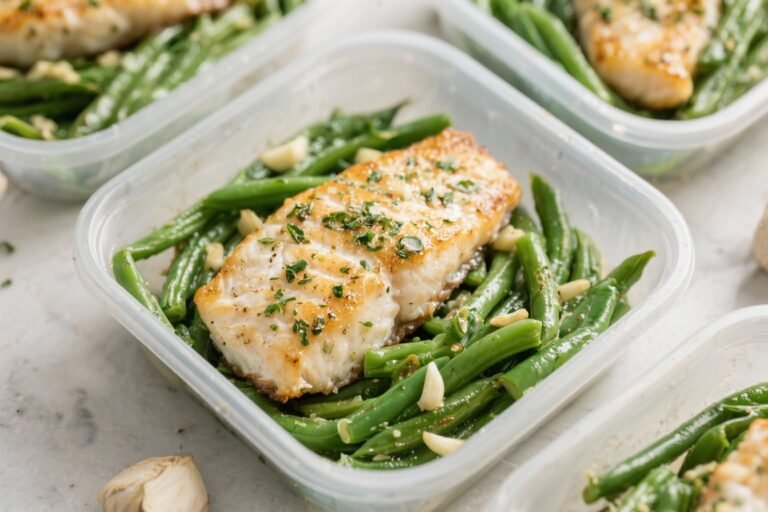
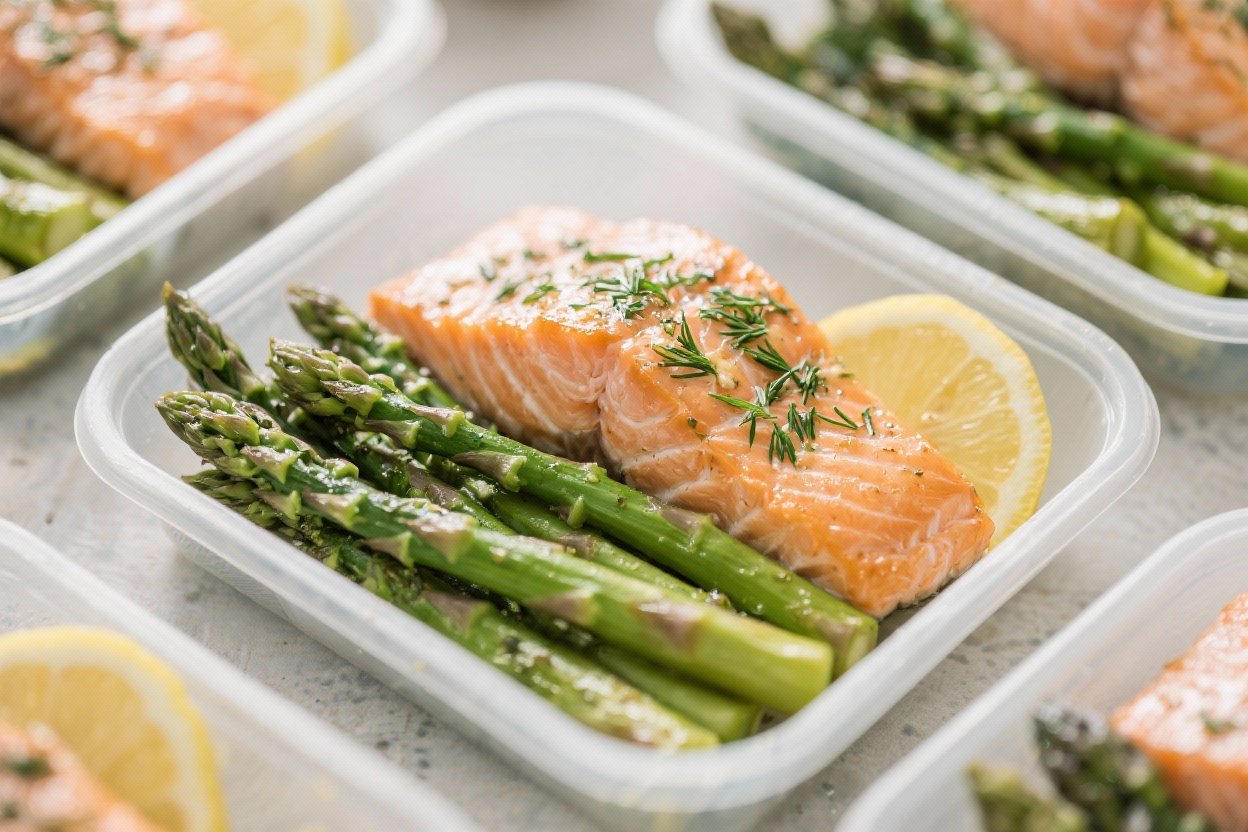
- Portion for meal prep: Divide salmon and asparagus into 4 containers. Add 1/2 cup cooked quinoa or cauliflower rice if using. Cool completely before sealing.
Keeping It Fresh
- Storage: Refrigerate in airtight containers up to 3–4 days.
- Reheating: Microwave 60–90 seconds at 50–70% power to avoid overcooking the salmon.
Or reheat in a covered skillet on low heat for 3–4 minutes.
- Moisture control: If adding quinoa, keep it in a separate compartment or on the bottom so the salmon stays flaky.
- Finishing touch: Add a fresh squeeze of lemon after reheating to revive brightness. Tiny step, big payoff.
- Freezing: Not ideal for asparagus texture; if you must freeze, skip the asparagus and add a fresh veg later.
What’s Great About This
- Under 400 calories with high protein: The macro profile supports fat loss without sacrificing flavor.
- One-pan efficiency: Less mess, less stress, more consistency.
- Fast cook time: From fridge to fork in about 20 minutes. Your future self says thanks.
- Fresh, clean flavors: Lemon and dill make it bright and satisfying without heavy sauces.
- Flexible base: Works with quinoa, cauliflower rice, or just extra veg.
Pitfalls to Watch Out For
- Overcooking the salmon: It goes from juicy to “why is it chalky?” fast.
Pull at 125–130°F internal for medium and let carryover heat finish.
- Asparagus thickness: Thin spears cook faster; if yours are extra skinny, toss them in after the salmon has been roasting for 3–4 minutes.
- Watery reheats: Don’t pack containers while food is steaming hot—condensation will make everything soggy.
- Too much lemon juice: Acid is great, soup is not. Stick to the amounts so the salmon roasts, not poaches.
- Skipping the pat-dry: Wet salmon won’t sear or roast nicely. Paper towels are your friend.
Recipe Variations
- Herb swap: Use parsley, chives, or tarragon if you’re out of dill.
Dried herbs work—just reduce to 2 teaspoons.
- Spice it up: Add 1 teaspoon smoked paprika or 1/2 teaspoon cumin for a warmer flavor profile.
- Citrus twist: Orange zest + lemon juice = slightly sweeter, still fresh. Lime works too for a sharper edge.
- Veg swap: Broccolini, green beans, or zucchini coins roast well at the same temp. Just adjust time a minute or two.
- Protein flip: Try trout or cod (reduce cook time by 2–3 minutes for thinner fillets).
FYI, chicken works but needs 18–20 minutes total; add asparagus halfway.
- Dairy finish: Add a teaspoon of Greek yogurt mixed with lemon and dill on top after reheating—creamy without heavy calories.
FAQ
How do I know when the salmon is done without a thermometer?
Gently press the thickest part with a fork; it should flake easily but still look moist and slightly translucent in the center. If it’s dry and chalky, you’ve gone too far. Err on the side of under by a minute—carryover heat finishes the job.
Can I make this on the stovetop?
Yes.
Sear salmon skin-side down in a skillet with a little oil for 4–5 minutes, flip for 1–2 minutes, then spoon on the lemon-dill mixture off heat. Sauté asparagus separately with salt, pepper, and lemon zest until crisp-tender (5–7 minutes).
Is this recipe keto or low-carb?
Without quinoa, absolutely. It’s low-carb, high-protein, and high in healthy fats.
Add cauliflower rice if you want volume without carbs.
What kind of salmon works best?
Skin-on fillets (Atlantic or responsibly sourced farmed for consistency; wild sockeye works but cooks faster and can be leaner). Aim for 1-inch thickness for even cooking.
Can I meal prep this for the whole week?
It tastes best within 3–4 days. If you want five days, cook a second batch midweek or freeze extra salmon separately and add fresh veg later.
Quality over martyrdom, IMO.
How do I keep the asparagus from getting soggy?
Roast at high heat with space between spears, avoid overcrowding, and let everything cool before sealing containers. Reheat gently, not on full nuclear power.
What sides go well if I want more calories?
Quinoa, couscous, roasted baby potatoes, or a swipe of hummus are stellar. A tablespoon of olive tapenade or a sprinkle of feta also levels it up fast.
Can I use frozen salmon?
Yes—thaw fully in the fridge overnight and pat dry before seasoning.
Excess moisture is the enemy of good texture and browning.
The Bottom Line
This Lemon Dill Salmon and Asparagus meal prep is the rare combo of fast, flavorful, and under 400 calories—no compromises. It’s a legit system: one pan, clean ingredients, big taste, and macro-friendly stats. Make a batch on Sunday, eat better all week, and skip the “sad desk salad” era entirely.
Your future lunches called—they’re upgraded.
Printable Recipe Card
Want just the essential recipe details without scrolling through the article? Get our printable recipe card with just the ingredients and instructions.