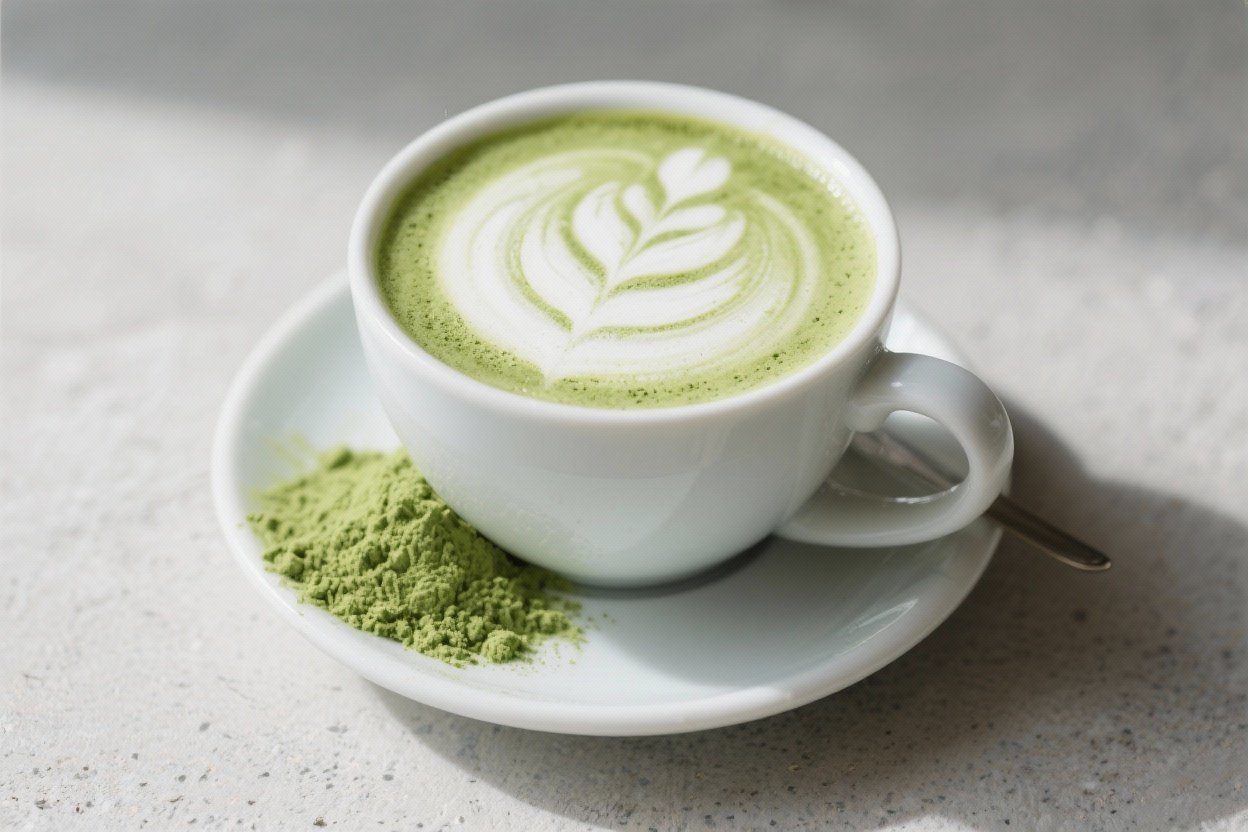
Matcha Green Tea Protein Powder Latte: The Energizing, Lean-Gains Latte You’ll Actually Crave
Imagine a latte that hits like your first win of the day: clean energy, big flavor, and a protein punch that keeps you full until lunch. That’s this Matcha Green Tea Protein Powder Latte. It’s silky, slightly sweet, and tastes like a spa day for your brain—without the $18 price tag.
You get smooth caffeine, steady focus, and a legit 20–30 grams of protein in one cup. It’s the kind of upgrade that makes your morning feel like a power move.
Overeating is a pattern. This helps you fix that problem. A quick reset for cravings, snacking, and “I’ll start tomorrow” moments.
Built for busy home cooks who want real-life structure. Simple steps that fit meal prep, family dinners, and late-night snack attacks.
What Makes This Recipe Awesome
- Balanced energy: Matcha gives you caffeine plus L-theanine, meaning focus without the jitters. This is productivity in a mug.
- High-protein twist: Protein powder turns a basic latte into a satisfying, muscle-friendly meal or snack.
- Restaurant-level texture: Creamy, frothy, and smooth—no chalky vibes if you do it right.
- Fast and flexible: Ready in 5 minutes with pantry basics.
Hot or iced, dairy or dairy-free, sweet or unsweet—your rules.
- Budget-friendly: Costs a fraction of a cafe drink and… spoiler: tastes better.
Ingredients Breakdown
- 1–1.5 teaspoons ceremonial or premium culinary matcha powder: Ceremonial is smoother and less bitter; culinary is stronger and more affordable.
- 8–10 ounces milk of choice: Oat for creaminess, almond for lightness, dairy for classic cafe foam, or soy for extra protein.
- 1 scoop vanilla or unflavored protein powder (20–30g protein): Whey blends easiest; pea or soy for plant-based. Choose something that mixes well.
- 2–4 ounces hot water (175°F/80°C): Not boiling—keeps matcha sweet and bright.
- Sweetener to taste: Maple syrup, honey, agave, stevia, or a date. Optional, but delicious.
- Pinch of sea salt: Tiny, but boosts flavor and tames bitterness.
- Optional boosts: 1/4 teaspoon vanilla extract, 1/4 teaspoon cinnamon, collagen, or MCT oil for extra creaminess.
- Ice (for iced version): Obviously.
Instructions
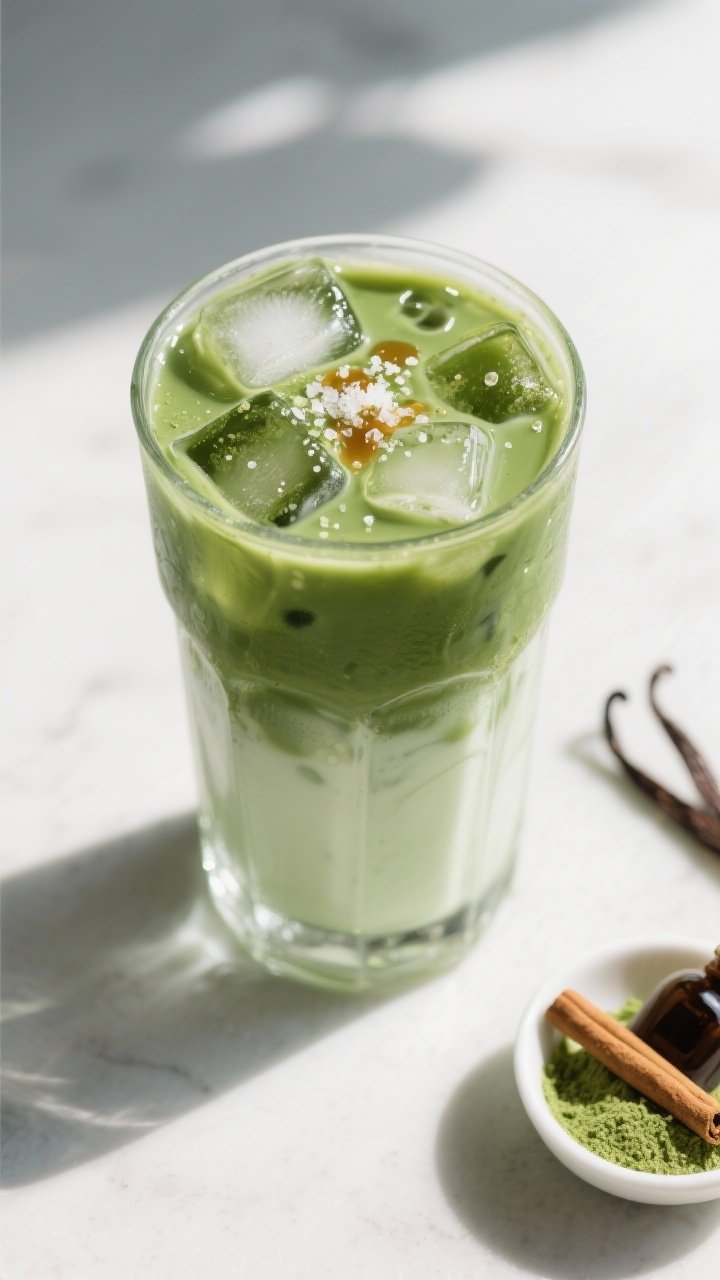
- Heat your water smart: Bring water to about 175°F/80°C.
If you don’t have a thermometer, heat until steaming but not bubbling.
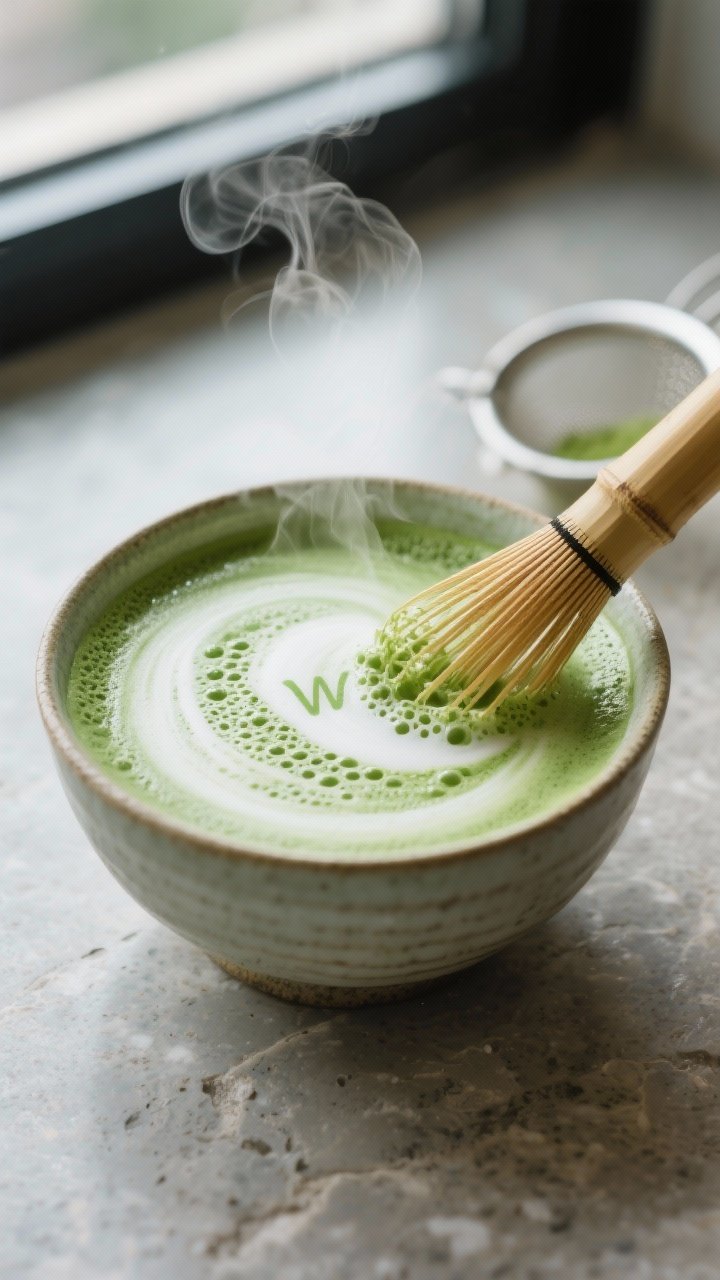
- Sift the matcha: Use a small sieve over a bowl or mug to avoid clumps. This is the difference between silky and gritty—don’t skip.
- Whisk to a froth: Add hot water to the sifted matcha and whisk in a “W” motion for 20–30 seconds until tiny bubbles form. A handheld frother or traditional bamboo whisk both work.
- Warm or froth the milk: Heat milk gently on the stove or microwave until hot but not boiling.
Froth if you like foam. For iced, keep the milk cold.
- Blend the protein: In a separate cup, mix protein powder with 2–3 ounces of the milk until smooth. A shaker bottle or small blender prevents clumps. Pro tip: Whey dissolves easiest; plant proteins often need extra blending.
- Combine and sweeten: Pour the matcha into your serving mug, add the protein-milk mixture, then top with remaining milk.
Stir well. Sweeten to taste and add a tiny pinch of salt.
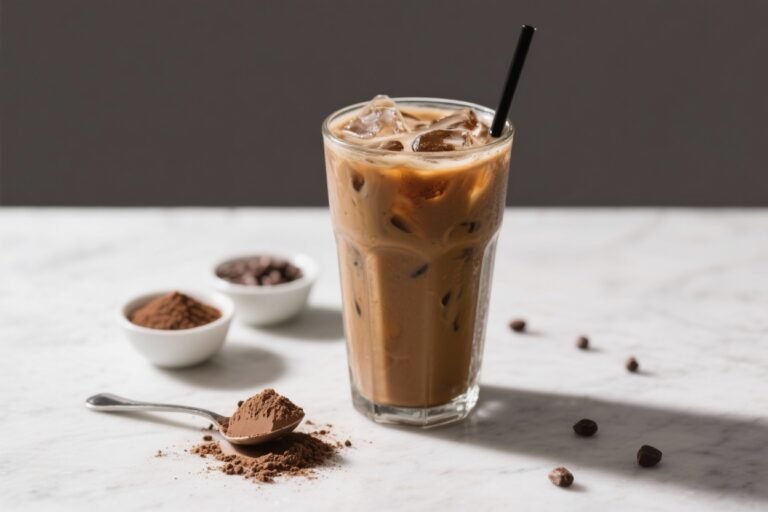
- For iced: Fill a glass with ice, add the whisked matcha, then the protein-milk mixture, and stir. Top with more milk as needed.
- Taste and tweak: Too strong?
Add milk. Too light? Add more matcha next time.
You’re in charge.
Keeping It Fresh
- Make-ahead: Whisk matcha with water and store in the fridge for up to 2 days. Shake before using.
- Protein timing: Add protein just before drinking for best texture. Pre-mixed protein can thicken or separate.
- Storage: If you must store a finished latte, keep it chilled in a sealed bottle for up to 24 hours.
Shake vigorously before sipping.
- Prevent bitterness: Keep matcha in an airtight container, away from light and heat. Use within 60–90 days for peak flavor.
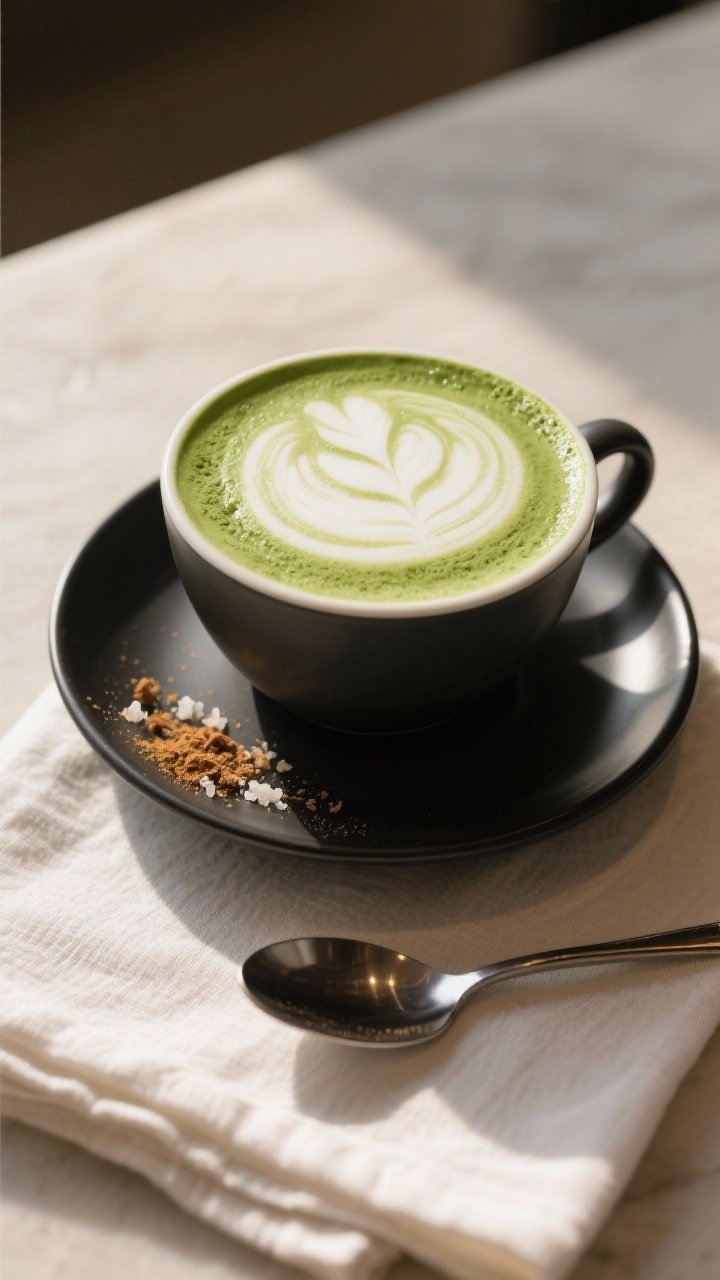
Benefits of This Recipe
- Steady focus, fewer crashes: Matcha’s L-theanine smooths out caffeine, so you get alert without the chaos.
- Protein for satiety and muscle support: A 20–30g hit helps with recovery, appetite control, and hitting daily protein targets. FYI, this makes a great pre- or post-workout drink.
- Lower sugar than cafe drinks: You control the sweetness.
No mystery syrup here.
- Antioxidant boost: Matcha is rich in catechins like EGCG—associated with metabolic and cellular health.
- Dairy-free friendly: Plant milks and vegan protein make it easy to keep it lactose-free.
Common Mistakes to Avoid
- Boiling water on matcha: This scorches the tea and turns it bitter. Keep it around 175°F.
- Skipping the sift: Clumps ruin the texture. Sift for a smooth latte—two seconds well spent.
- Dumping protein straight into hot liquid: Hello, lumps.
Pre-mix with a bit of milk or use a blender.
- Using chalky protein powder: Not all powders are equal. If it tastes like drywall, switch brands. IMO, whey isolate or a smooth pea/soy blend works best.
- Too much sweetener: Matcha shines when it’s slightly sweet, not dessert-level sugary.
Recipe Variations
- Iced Vanilla Cream: Cold brew the matcha (whisk with cold water), add vanilla extract, pour over ice with oat milk and vanilla whey.
- Coconut Matcha Shake: Blend matcha, coconut milk, ice, and unflavored whey.
Add a touch of honey and a pinch of salt. Thick and tropical.
- Mocha-Matcha Fusion: Add 1 teaspoon cocoa powder and a splash of chocolate protein. It shouldn’t work, but it does.
- Collagen Glow Latte: Use unflavored collagen instead of protein powder for a lighter body and joint/skin support.
- Spiced Chai Matcha: Add cinnamon, cardamom, and a dash of ginger.
It’s cozy with a green-tea twist.
- High-Protein Soy: Use soy milk plus pea or soy protein for a fully plant-based, protein-dense cup.
FAQ
Can I use a regular whisk or spoon instead of a bamboo whisk?
Yes. A handheld milk frother works best for convenience, but a small whisk will do. Just whisk vigorously in a zig-zag motion to create micro-foam and break up clumps.
What kind of protein powder is best?
Whey isolate blends ultra-smooth and light.
For plant-based, look for pea or soy proteins with fine texture and minimal grit. Unflavored or vanilla are safest flavor-wise.
Is matcha stronger than coffee?
Not in total caffeine per cup, typically. But matcha’s combo of caffeine and L-theanine delivers a steadier, calmer focus.
Less crash = more productivity.
Can I make it sugar-free?
Absolutely. Use stevia, monk fruit, or keep it unsweetened. If you want body without sugar, add a splash more milk and a pinch of salt to round flavors.
Why is my matcha bitter?
Usually overheated water, low-quality matcha, or too much powder.
Use premium matcha, 175°F water, and start with 1 teaspoon per serving.
Can I prep this for the gym?
Yes. Mix matcha and water ahead, store chilled, then add milk and protein right before your workout. Shake hard.
It’s a clean pre- or post-lift boost.
How do I avoid clumps with plant protein?
Blend the protein with a small amount of milk first, then add to the latte. A shaker bottle with a whisk ball or a 10-second blitz in a blender fixes everything.
Wrapping Up
This Matcha Green Tea Protein Powder Latte turns your daily caffeine into a smart, high-protein ritual. It’s fast, customizable, and tastes like you stole a barista.
Smooth energy, real satiety, zero nonsense. Try it hot for cozy mornings or iced for a crisp afternoon push—and tweak the sweetness, milk, and protein until it’s your signature. Because when your morning starts strong, the rest of the day tends to fall in line.
Printable Recipe Card
Want just the essential recipe details without scrolling through the article? Get our printable recipe card with just the ingredients and instructions.