Pasta Primavera with Fresh Veggies That Taste Like Spring
You know that pasta dish that tastes like sunshine and makes you feel smugly healthy? That’s Pasta Primavera. It’s fast, colorful, and ridiculously customizable. Keep it simple or go extra with a silky sauce and a mountain of veggies. Either way, you’ll finish the bowl and immediately plan the next one.
What Exactly Is Pasta Primavera?
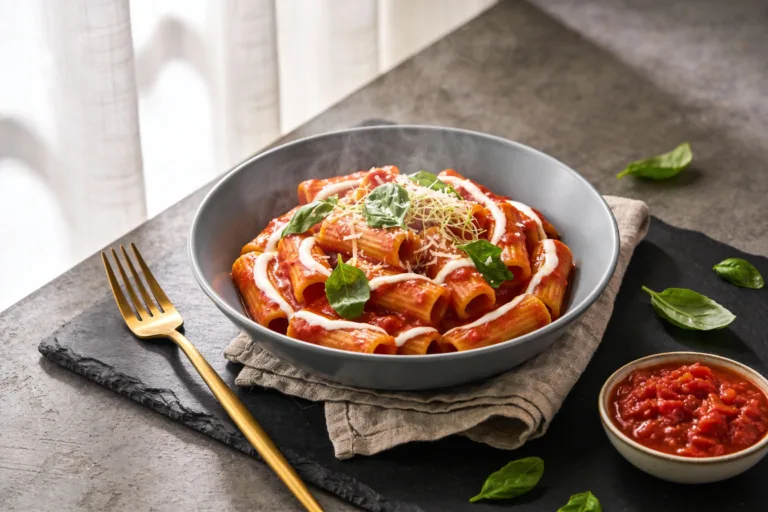
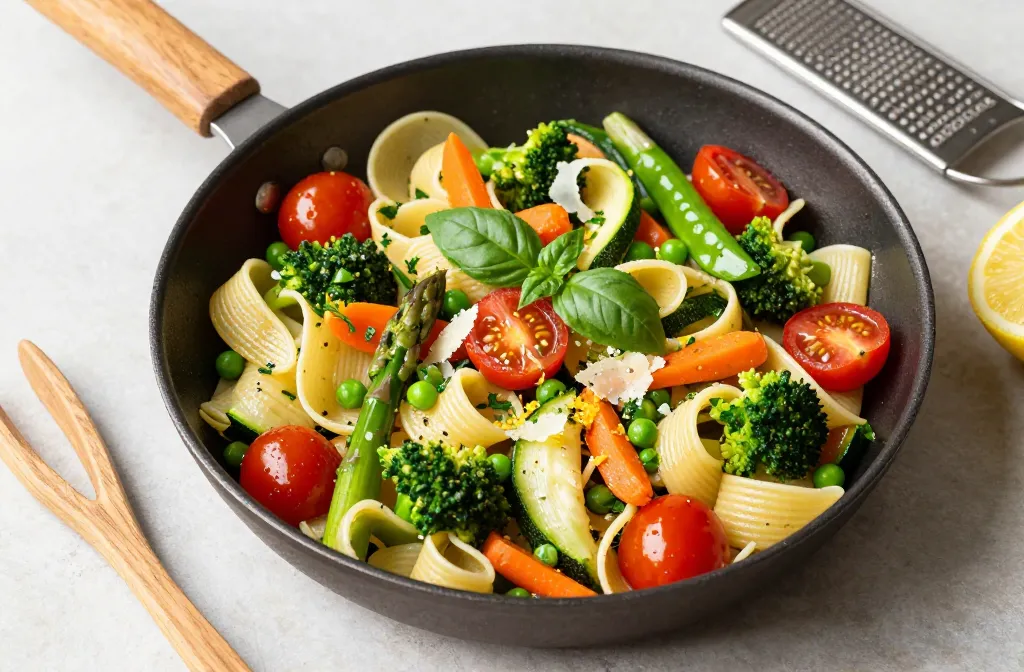
Pasta Primavera is basically a pasta party for vegetables. It’s not Italian-Italian; it’s an Italian-American classic that screams “spring” with every bite. Think tender pasta tossed with a rainbow of sautéed veggies, herbs, and a light sauce that lets everything shine.
You can make it creamy, lemony, garlicky, or all of the above. Primavera means “spring,” but you can use whatever’s fresh and affordable. No gatekeeping here—if it tastes good, it belongs.
Overeating is a pattern. This helps you fix that problem. A quick reset for cravings, snacking, and “I’ll start tomorrow” moments.
Built for busy home cooks who want real-life structure. Simple steps that fit meal prep, family dinners, and late-night snack attacks.
The Veggie Lineup: Choose Your Fighters
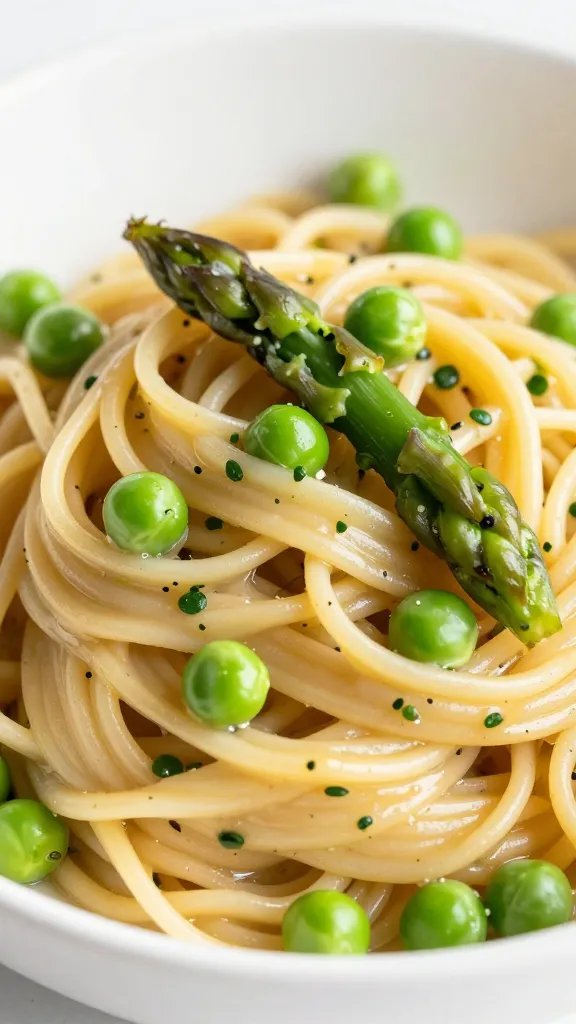
You want color, texture, and a mix of sweet and snappy. Use what you have, but these work like a charm:
- Green squad: asparagus, peas, broccoli, zucchini, spinach, snap peas
- Color pop: cherry tomatoes, bell peppers, carrots
- Aromatics: garlic, shallots, scallions
- Fresh finishers: basil, parsley, lemon zest, Parmesan
Pro tip: Match cook times
Slice harder veggies thinner (carrots, broccoli stems) so everything finishes together. Soft stuff (spinach, tomatoes) goes in at the end. You want crisp-tender, not hospital cafeteria mush.
Pasta Choices That Won’t Let You Down
You need shapes that hold sauce and veggies without flopping around like a noodle noodle (looking at you, angel hair). Choose:
- Short shapes: penne, rigatoni, orecchiette (great grip for sauce and veg)
- Long shapes: linguine or fettuccine (classic feel, elegant twirl)
- Whole wheat or gluten-free: go for it—just watch timing and texture
Cook to al dente, period. Save a cup of pasta water like it’s liquid gold—because it is. That starchy water brings everything together without drowning it in cream.
Sauces: Light, Creamy, or Somewhere in Between
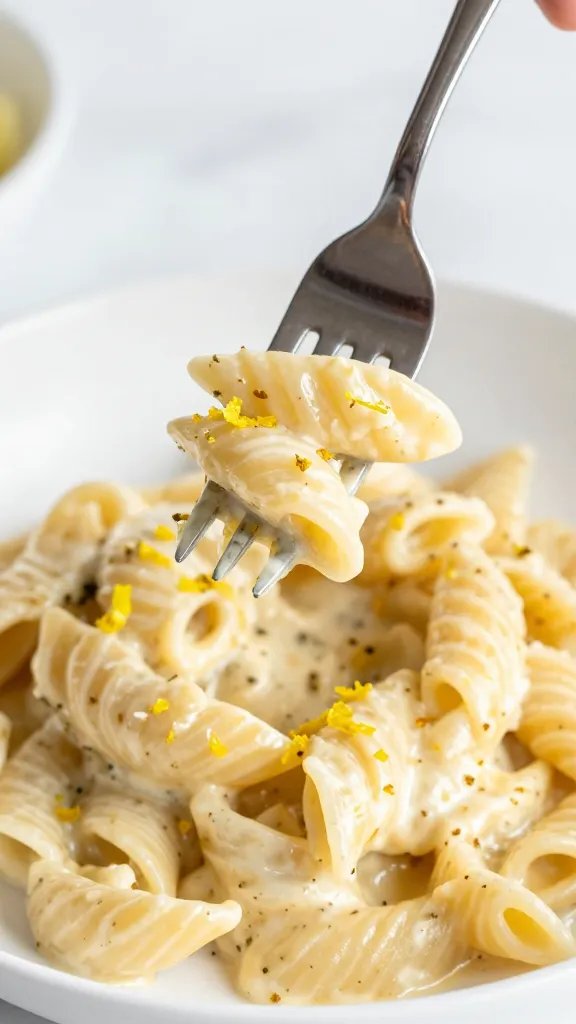
You have options, and none of them involve a jar. IMO, choose based on your mood and what’s in the fridge.
Option 1: Olive oil + lemon
- Good olive oil
- Garlic
- Lemon zest and juice
- Red pepper flakes
- Pasta water and Parmesan
Bright, clean, and low effort. Great when your veggies taste amazing on their own.
Option 2: Light cream
- Butter + garlic + shallot
- Heavy cream or half-and-half
- Parmesan
- Pasta water to loosen
Silky but not heavy. It’s giving “fancy weeknight,” FYI.
Option 3: Herb pesto
- Basil pesto (store-bought works)
- Lemon juice to brighten
- Extra pasta water to thin
When you want maximum green energy with minimal effort.
The Game Plan: Step-by-Step
This is the no-stress flow you’ll use on repeat. Timing matters, but you’ve got this.
- Prep your veg. Cut everything into bite-size pieces. Keep piles separate based on cook time: hard (carrots, broccoli), medium (zucchini, peppers), soft (peas, spinach, tomatoes).
- Boil pasta. Salt your water generously. Cook to al dente and save 1 cup of pasta water before draining.
- Sauté aromatics. In a big skillet, warm olive oil or butter. Add garlic and shallot until fragrant.
- Cook the veg in stages. Start with hard veg, then medium, then soft. Season with salt and pepper as you go. Keep everything crisp-tender.
- Build the sauce. Choose your route: lemony oil, light cream, or pesto. Add a splash of pasta water for gloss.
- Toss with pasta. Add the drained pasta to the skillet. Toss with Parmesan and herbs. Adjust with more pasta water until everything hugs the pasta nicely.
- Finish strong. Lemon zest, fresh basil, and a drizzle of olive oil. Taste and tweak salt, pepper, heat.
Seasoning cheat sheet
- Salt as you go—veg needs it.
- Acid wakes it up: lemon juice or a splash of white wine.
- Heat helps: red pepper flakes or a pinch of Calabrian chili.
Make It Yours: Variations You’ll Actually Use
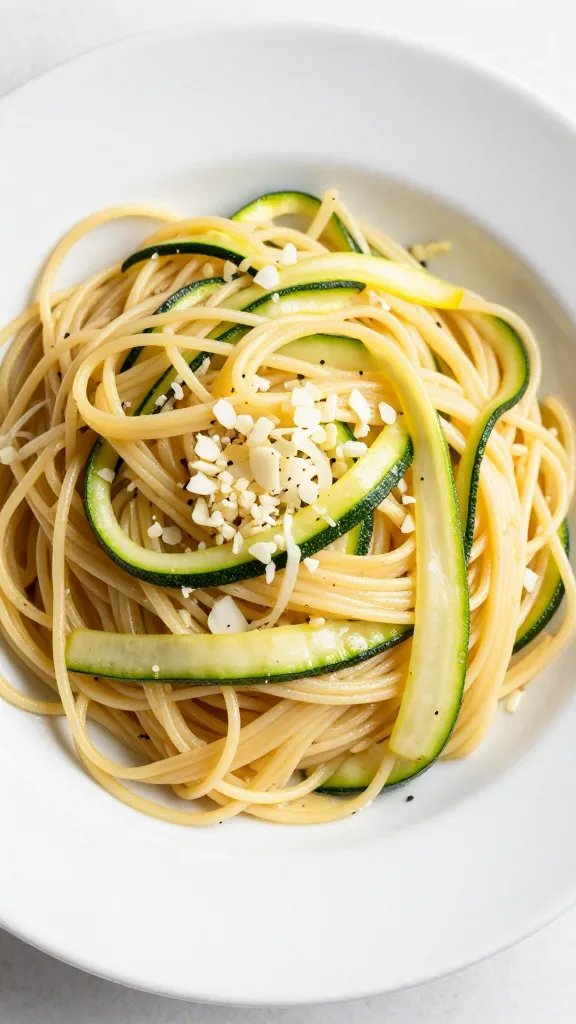
You can riff on this endlessly. Here are combos that never miss:
- Spring classic: asparagus, peas, lemon, mint, Parmesan
- Late summer: zucchini, cherry tomatoes, corn, basil, ricotta dollops
- Green machine: broccoli, spinach, pesto, toasted pine nuts
- Smoky twist: roasted peppers, mushrooms, chili flakes, pecorino
- Creamy dream: light cream sauce, peas, mushrooms, tarragon
Protein add-ins (if you want them)
- Grilled chicken or shrimp for easy wins
- Chickpeas or white beans for a plant-based lift
- Crispy prosciutto or pancetta for salty crunch
FYI: If you add protein, season it well and cook it separately so it doesn’t steam your veggies into sadness.
Texture and Flavor Boosters
You can take a good Primavera and make it restaurant-level with a few small moves:
- Toasted crumbs: Breadcrumbs crisped in olive oil with garlic and lemon zest. Sprinkle on top like fairy dust.
- Herb confetti: Basil, parsley, chives—use more than you think.
- Citrus pop: Lemon zest at the end for brightness.
- Cheese strategy: Finely grated Parmesan melts in; shaved pieces go on top for drama.
- Roasted veg option: Roast broccoli or tomatoes at 425°F/220°C for deeper flavor, then toss in.
Timing, Storage, and Reheating
Pasta Primavera tastes best right after you toss it. That said, leftovers still slap with a little care.
If you’re prepping ahead
- Chop veg and store separately.
- Blanch hard veg (like broccoli) for 1 minute in boiling water, then chill. It keeps color and bite.
- Make sauce bases (pesto or cream components) in advance.
Storing leftovers
- Keep in an airtight container for up to 3 days.
- Add a splash of water or broth before reheating.
- Reheat gently on the stove—microwave works too, but stir halfway to avoid hot-cold sadness.
IMO: Pasta water cubes (frozen in an ice tray) make next-day reheating way better. Nerdy? Yes. Worth it? Also yes.
FAQ
Can I make Pasta Primavera vegan?
Totally. Use olive oil instead of butter, skip cream, and lean on lemon, garlic, and herbs. Swap Parmesan for a vegan parm or a sprinkle of nutritional yeast. Add toasted nuts for richness.
What if I only have frozen vegetables?
Go for it. Sauté them straight from frozen in a hot pan so they steam off quickly and don’t get soggy. Finish with lots of fresh lemon and herbs to brighten the flavors.
How do I avoid watery sauce?
Dry your veg well and cook off excess moisture over medium-high heat. Add pasta water a little at a time while tossing. If you use tomatoes, add them at the end so they warm through without breaking down completely.
Is cream necessary?
Nope. A glossy sauce of olive oil, Parmesan, and pasta water tastes rich without dairy overload. If you want creaminess without cream, stir in a spoon of ricotta off the heat.
What herbs work best?
Basil is the MVP, with parsley as a solid co-star. Chives, mint, or tarragon add fun twists depending on your veg lineup. Use a mix for layers of flavor.
Can I serve this cold?
Yes—Pasta Primavera doubles as a top-tier pasta salad. Dress it with extra lemon and olive oil, add more fresh herbs, and maybe a handful of arugula. Taste and re-season right before serving.
Conclusion
Pasta Primavera hits that sweet spot between “I want something fresh” and “I want pasta right now.” It’s weeknight-easy, dinner-party-pretty, and flexible enough to handle your crisper drawer chaos. Keep it simple, keep it bright, and don’t forget the lemon zest—future you will be very pleased.