Quick & Easy Korean Ground Beef Bowl: The 20-Minute Weeknight Hack You’ll Cook on Repeat
You know those nights when your brain says “takeout” but your wallet screams “please don’t”? This bowl is the truce. It’s fast, savory-sweet, and hits like your favorite Korean BBQ—without the grill, the smoke, or the price tag.
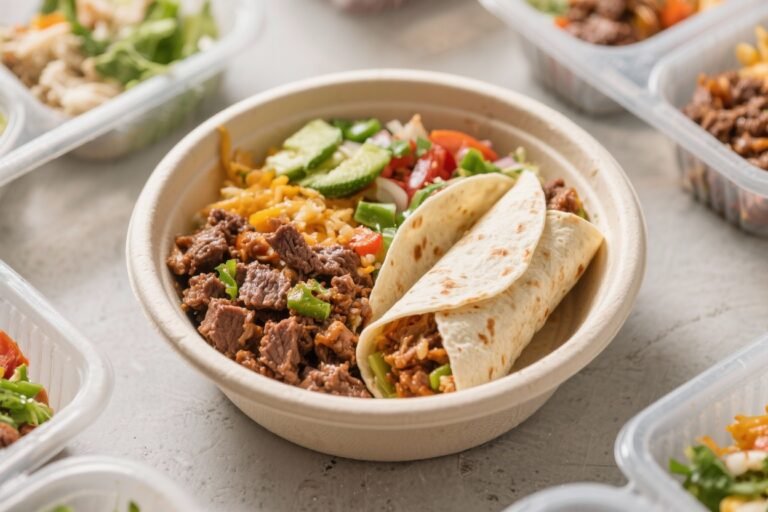
In 20 minutes flat, you’ll have juicy, caramelized beef, sticky rice, and fresh crunch that feels like a flex. One pan, everyday ingredients, ridiculous flavor. No culinary degree required—just a pan and a pulse.
Overeating is a pattern. This helps you fix that problem. A quick reset for cravings, snacking, and “I’ll start tomorrow” moments.
Built for busy home cooks who want real-life structure. Simple steps that fit meal prep, family dinners, and late-night snack attacks.
Why You’ll Love This Recipe
- Ridiculously fast: From stove to bowl in about 20 minutes.
That’s faster than delivery driver limbo.
- Big flavor, minimal effort: Sweet, salty, garlicky, and a little spicy—balanced like a pro-level sauce.
- Budget-friendly: Ground beef + pantry staples = impressive without splurging.
- Customizable: Swap proteins, switch grains, adjust heat—make it your own.
- Meal-prep friendly: Reheats like a champ for lunches that don’t taste like regret.
Ingredients Breakdown
- Ground beef (1 lb / 450 g, 85–90% lean): Enough fat to brown and stay juicy. Leaner works, just don’t overcook.
- Soy sauce (1/4 cup): The salty umami backbone. Use low-sodium if you want more control.
- Brown sugar (2–3 tbsp): Adds that signature Korean BBQ sweetness and helps with caramelization.
Honey or maple also works.
- Sesame oil (1–2 tsp): Nutty finish for authenticity. Don’t cook it too hot; it’s a finisher, not a fry oil.
- Garlic (4 cloves, minced): Non-negotiable flavor bomb. Jarred works, fresh is better.
- Ginger (1 tbsp, grated): Bright, warm bite.
Powder works in a pinch (1 tsp).
- Gochujang (1–2 tbsp): Fermented chili paste for heat and depth. Sriracha works if you must, but gochujang is the move.
- Rice vinegar (1 tbsp): A little tang to keep the sauce from being too sweet.
- Red pepper flakes (1/4–1/2 tsp): Optional kick. Adjust for vibes.
- Green onions (4, thinly sliced): Fresh bite and color, both in the pan and on top.
- Cooked rice (3–4 cups): White jasmine or short-grain rice is ideal.
Cauliflower rice or quinoa if you’re remixing.
- Veg add-ins: Shredded carrots, cucumbers, steamed broccoli, or quick kimchi—for crunch and balance.
- Sesame seeds (1 tbsp): For texture and a tiny flex on presentation.
- Neutral oil (1 tsp): Only if your beef is very lean; helps with browning.
How to Make It – Instructions
- Prep your base: Get rice hot and ready. Cold rice + hot beef = meh. Warm rice = happy bowl.
- Mix the sauce: In a small bowl, whisk soy sauce, brown sugar, gochujang, rice vinegar, and a drizzle of sesame oil.
Stir until smooth.
- Heat the pan: Large skillet on medium-high. Add a touch of oil if your beef is lean.
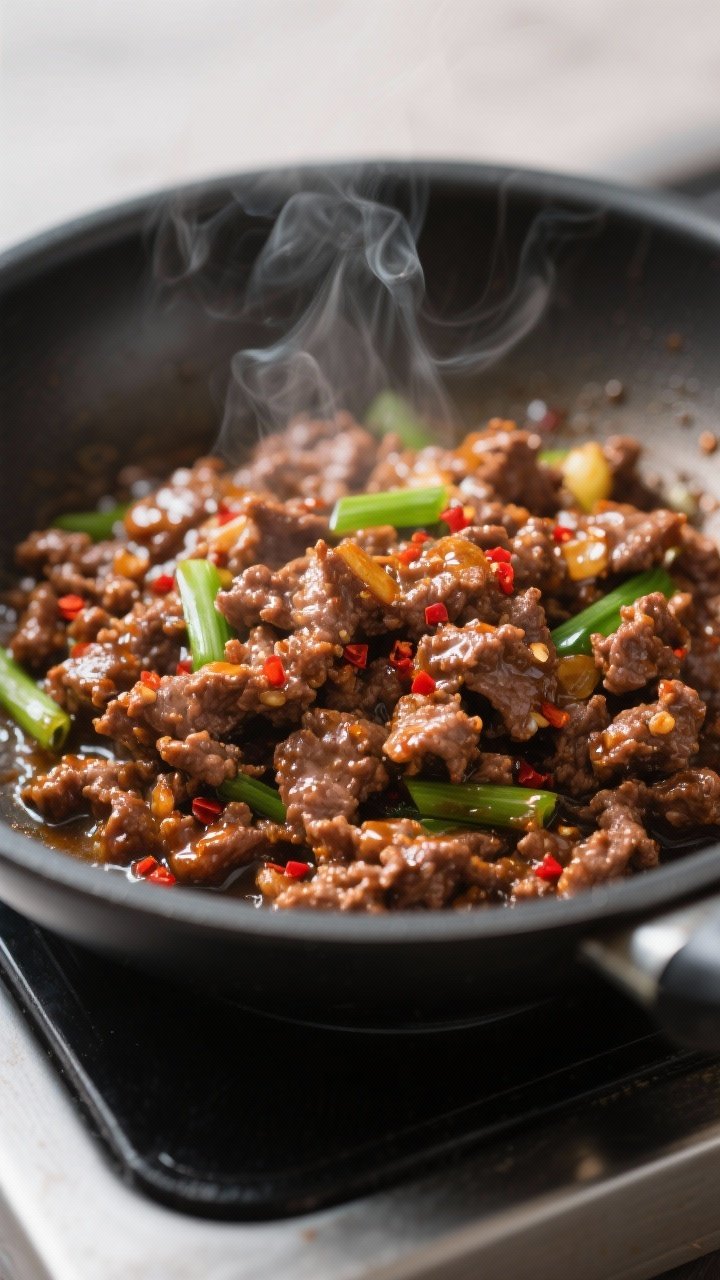
- Brown the beef: Add ground beef, break it up, and let it sear. Don’t stir constantly; let it get crispy edges.
Cook 4–6 minutes.
- Add aromatics: Stir in garlic and ginger. Cook 30–60 seconds until fragrant. If the pan is dry, you’re doing it right.
- Sauce it up: Pour in the sauce.
Toss to coat. Let it bubble and reduce 1–2 minutes until glossy and slightly sticky.
- Finish with green onions: Stir in half the green onions and a sprinkle of red pepper flakes. Cut heat.
Add the rest of the sesame oil to finish.
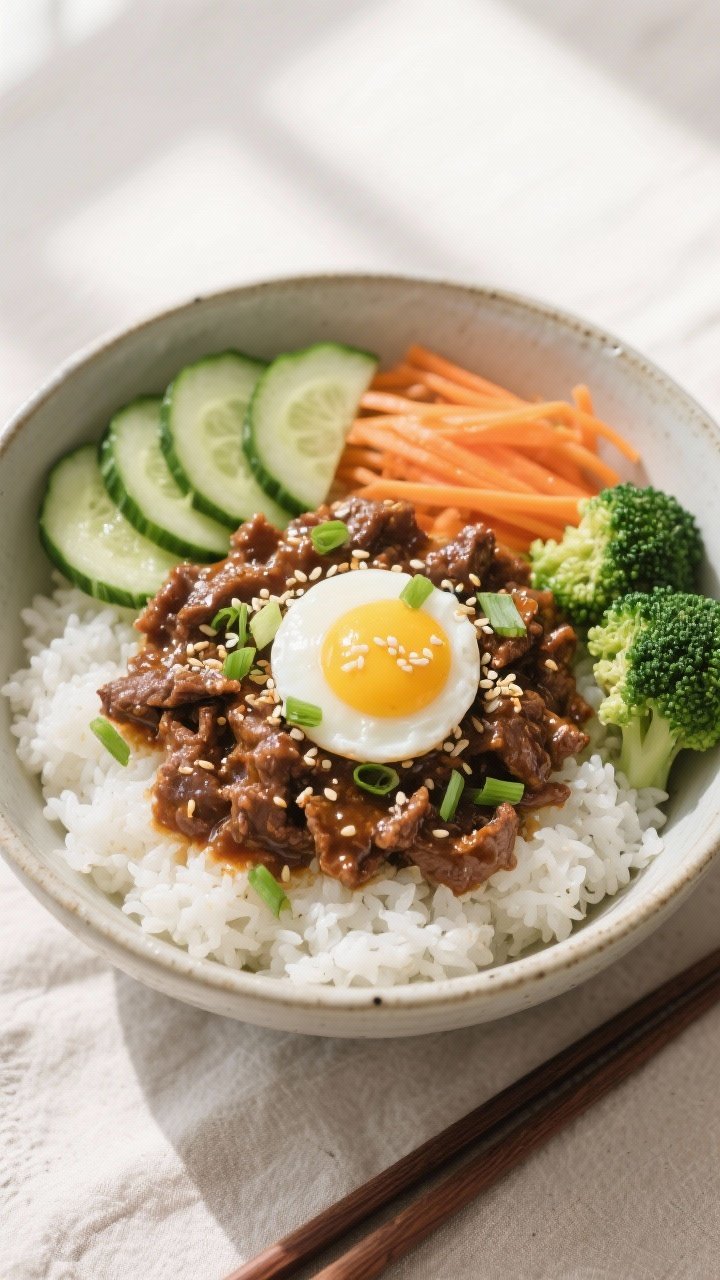
- Assemble bowls: Rice on the bottom, beef on top. Add cucumbers, carrots, steamed broccoli, kimchi—whatever crunch you’ve got. Finish with sesame seeds and remaining green onions.
- Optional extras: Fry an egg sunny-side up and slide it on top.
You’ll thank me later.
Keeping It Fresh
- Fridge: Store beef separately from rice and veg for 3–4 days in airtight containers. Keeps texture better.
- Reheating: Skillet over medium with a splash of water to loosen sauce, or microwave in short bursts. Don’t nuke it into leather.
- Freezer: Beef freezes well for up to 2 months.
Freeze flat in a zip bag for quick thawing.
- Fresh crunch: Add cucumbers, green onions, and sesame seeds after reheating so they don’t wilt.

What’s Great About This
- High reward, low complexity: You’ll feel like a flavor wizard with barely any steps.
- Pantry-driven: Soy, sugar, garlic, ginger—basic staples, big results.
- Macro-friendly: Easy to balance with extra veg or leaner meat, IMO.
- Scalable: Double the beef, same effort. Feed a crew without chaos.

Avoid These Mistakes
- Overcrowding the pan: Steamed beef is sad beef. Use a big skillet or cook in two batches.
- Skipping the sear: Those crispy bits carry flavor.
Let the beef sit before stirring.
- Adding sesame oil too early: It loses aroma if cooked hard. Finish with it.
- Too-sweet sauce: Balance with rice vinegar or extra soy. Taste before you commit.
- Cold rice base: Warm rice absorbs sauce and feels legit.
Cold rice = bland and clumpy.
Alternatives
- Protein swaps: Ground turkey, chicken, or pork. For tofu, press it, crumble, and crisp before saucing.
- No gochujang? Mix 2 tsp sriracha + 1 tsp ketchup + pinch of chili flakes. Not the same, but close enough in a pinch.
- Lower carbs: Use cauliflower rice or shredded cabbage stir-fried with a splash of soy.
- Gluten-free: Use tamari or coconut aminos.
If using coconut aminos, reduce sugar by 1 tbsp (it’s sweeter).
- Extra veg: Add bell peppers, mushrooms, or snap peas to the pan after browning beef. Quick sauté, then sauce.
- Spice level: Remove red pepper flakes for mild, or double gochujang for heat heads.
FAQ
Is this an authentic Korean recipe?
This is an accessible, Korean-inspired weeknight dish. It borrows flavor cues from bulgogi (soy, sugar, garlic, ginger, sesame) but uses ground beef for speed and simplicity.
If you want traditional, go for sliced ribeye and a longer marinade.
Can I make it ahead?
Yes. Cook the beef and store it separately from rice and fresh toppings. Reheat beef gently, then assemble bowls fresh so the textures stay sharp and vibrant.
What rice works best?
Short-grain or jasmine rice gives that sticky, satisfying base that holds saucy beef well.
Brown rice is great too; just cook it properly so it’s tender, not tooth-breaking.
How do I make it less sweet?
Cut the brown sugar to 1–1.5 tbsp and increase rice vinegar by 1–2 tsp. You can also add a splash of water to thin the sauce so it coats without being syrupy.
Can I add an egg?
Please do. A sunny-side-up or jammy soft-boiled egg adds richness and turns this into a certified comfort bowl.
FYI, a runny yolk is basically sauce 2.0.
What if I don’t have fresh ginger?
Use 1 tsp ground ginger or skip it entirely and add a touch more garlic. The flavor will shift slightly but still slap.
How do I scale this for a crowd?
Double everything and cook the beef in two batches so it browns properly. Combine with sauce in a larger pot at the end, then set up a rice-and-toppings bar.
Easy win.
My Take
This is the kind of recipe that respects your time and still makes you feel like you cooked something special. The sauce is the hero—balanced, bold, and friendly to tweaks depending on your mood. I like mine with extra gochujang, quick-pickled cucumbers, and a fried egg to finish.
It’s comfort food that doesn’t knock you into a food coma. Make it once, and it’ll be in your weeknight rotation faster than your group chat can pick a restaurant.
Printable Recipe Card
Want just the essential recipe details without scrolling through the article? Get our printable recipe card with just the ingredients and instructions.