Scandalously Easy Rosemary Focaccia Bread You’Ll Crave
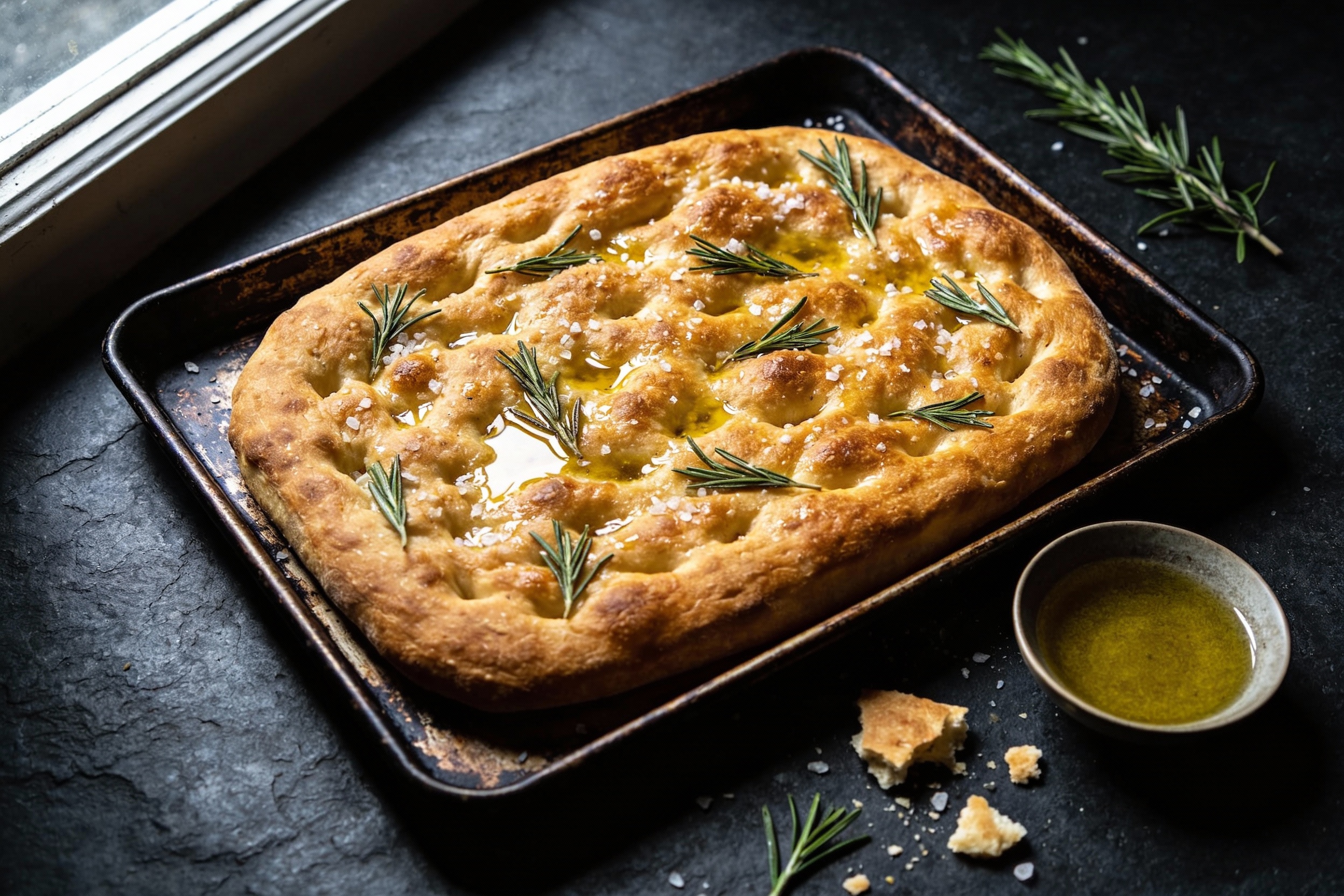
Bread that crackles when you tear it. Olive oil that shimmers like liquid gold. Rosemary scent that basically high-fives your nose. That’s rosemary focaccia, and it’s scandalously easy for how impressive it tastes. If you’ve ever wanted bread that says “I’m fancy” without making you cry over sourdough starters, this is your move.
Why Focaccia Feels Like a Cheat Code
Focaccia gives you bakery-level vibes with minimal fuss. You don’t need special tools, a secret lineage of Italian grandmothers, or a thermometer collection. The dough stays soft, sticky, and forgiving. It rewards patience and good olive oil, not perfectionism.
And rosemary? It teams up with olive oil to create that piney, savory aroma you catch from across the room. Pair it with soup, stack it in a sandwich, or just eat it shamelessly over the sink. I won’t judge.
Overeating is a pattern. This helps you fix that problem. A quick reset for cravings, snacking, and “I’ll start tomorrow” moments.
Built for busy home cooks who want real-life structure. Simple steps that fit meal prep, family dinners, and late-night snack attacks.
The Essentials: Ingredients That Matter
Let’s keep this tight. You probably own most of these already. The magic comes from quality and timing.
- Flour: Use bread flour for a chewier crumb. All-purpose works fine too, just a little softer.
- Yeast: Instant yeast makes life easy. Active dry works; just bloom it in warm water first.
- Water: Lukewarm, not hot. Think “baby bath,” not “lava.”
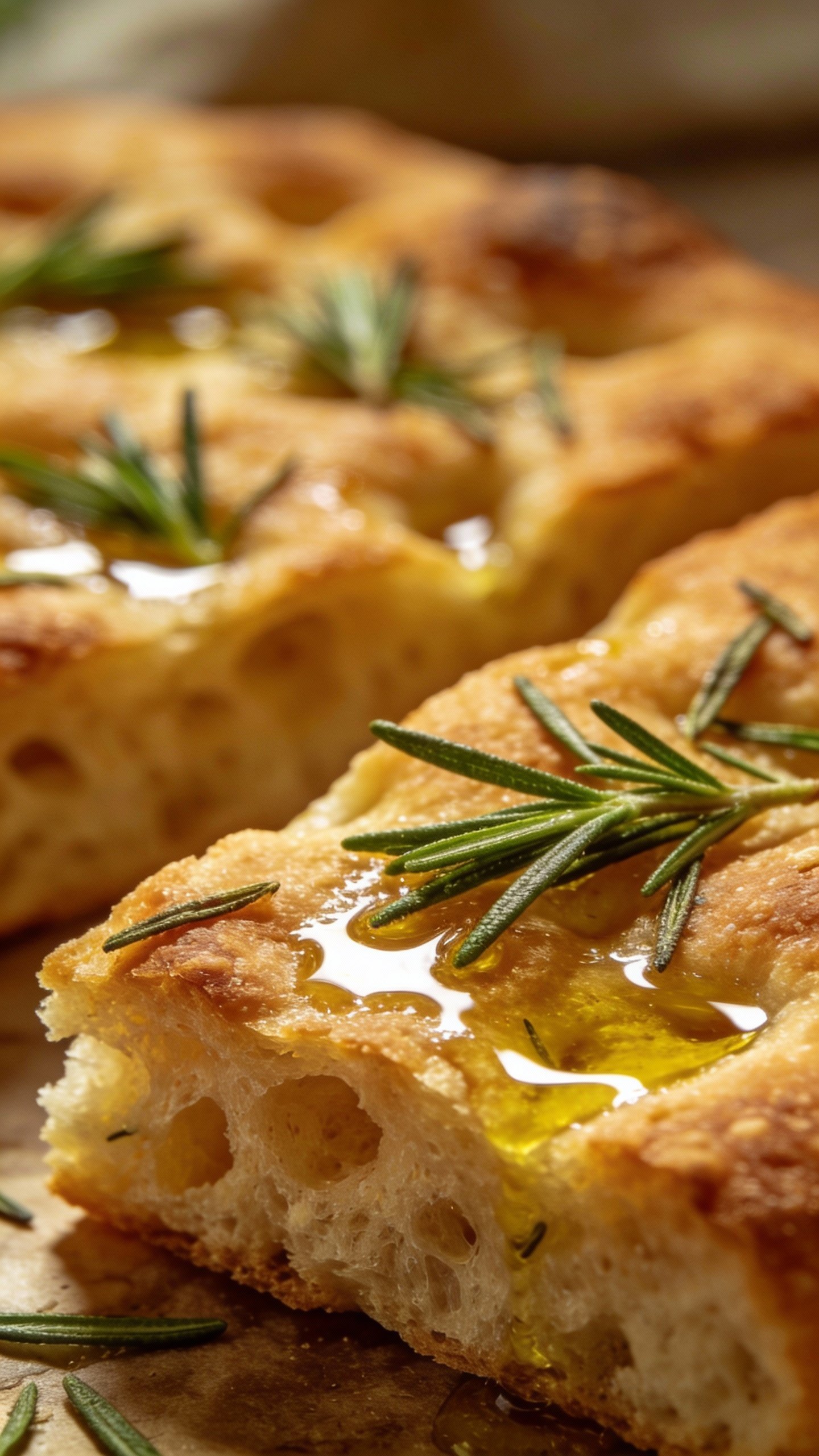
- Olive oil: Splurge a bit. Good extra-virgin oil turns decent focaccia into amazing focaccia.
- Salt: Fine salt in the dough, flaky salt on top. You want crunch and sparkle.
- Rosemary: Fresh if you can swing it. Dried works in a pinch; use less.
Optional Flavor Boosters
- Garlic: Thin slices pressed into the dough or infused in the oil.
- Honey or sugar: A teaspoon helps browning and yeast activity.
- Chili flakes: For a subtle kick that plays nice with rosemary.
- Lemon zest: Brings brightness without stealing the show.
Mixing and Rising: The Lazy Baker’s Dream
Here’s the play-by-play. No kneading marathons. No stress.
- Combine: Mix flour, salt, and instant yeast. Add warm water and a glug of olive oil. Stir until a shaggy, sticky dough forms. It should look messy. That’s good.
- Rest: Cover the bowl and let it rise until doubled. At room temp, this takes 1–2 hours. In the fridge, go overnight for deeper flavor, IMO the move if you plan ahead.
- Oil and transfer: Generously oil a sheet pan or cast-iron skillet. This gives you that signature fried-edge situation. Tip the dough in.
- Stretch: With oiled fingers, gently stretch and nudge the dough toward the edges. If it resists, let it rest 10 minutes, then try again.
The Dimples: Not Just For Looks
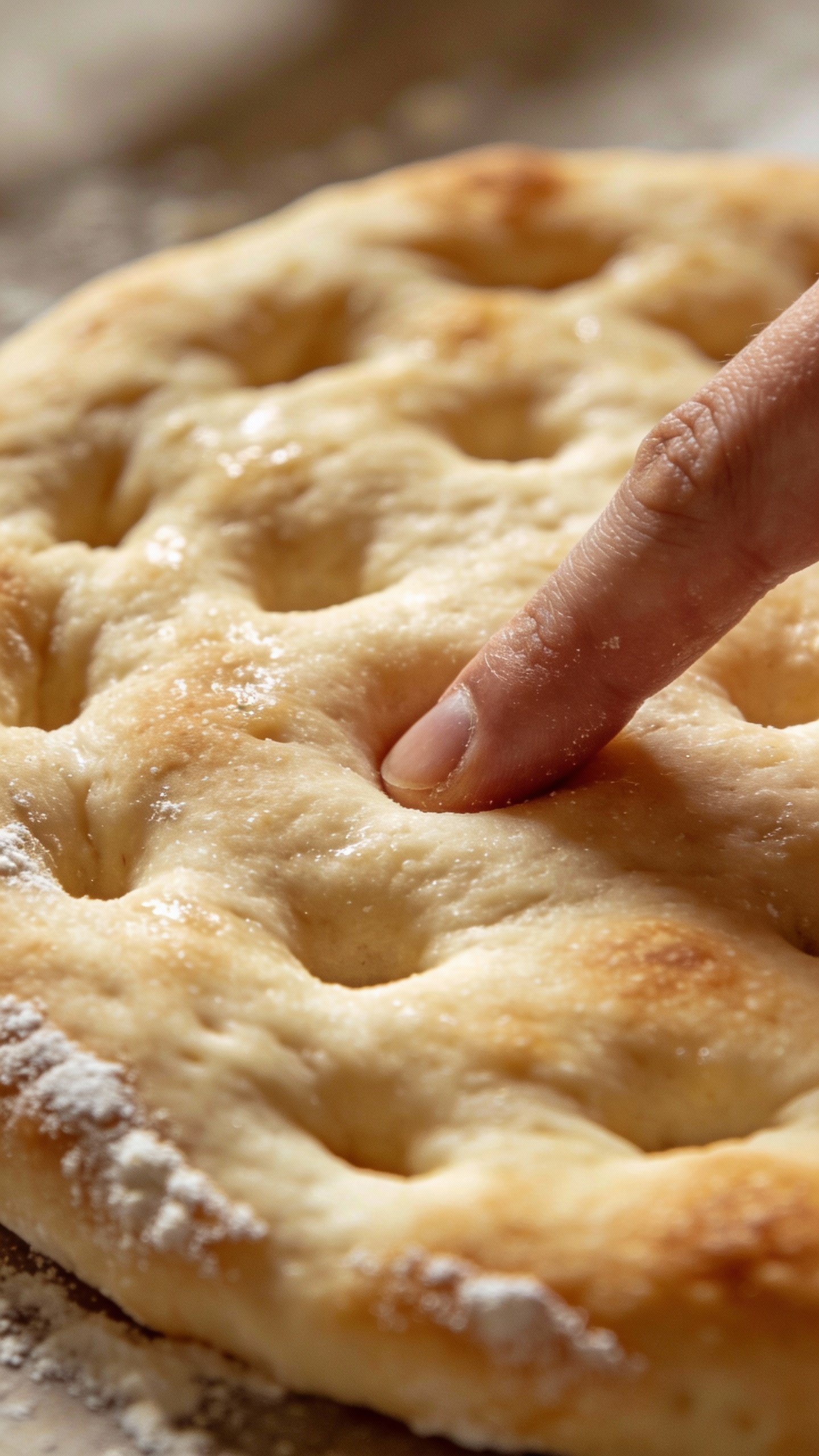
Press your fingertips into the dough like you’re poking bubble wrap. You want deep, even dimples to trap oil and steam. Drizzle generous olive oil all over, add rosemary, and sprinkle flaky salt. The dough drinks it up and thanks you with flavor.
Rosemary: How Much Is Too Much?
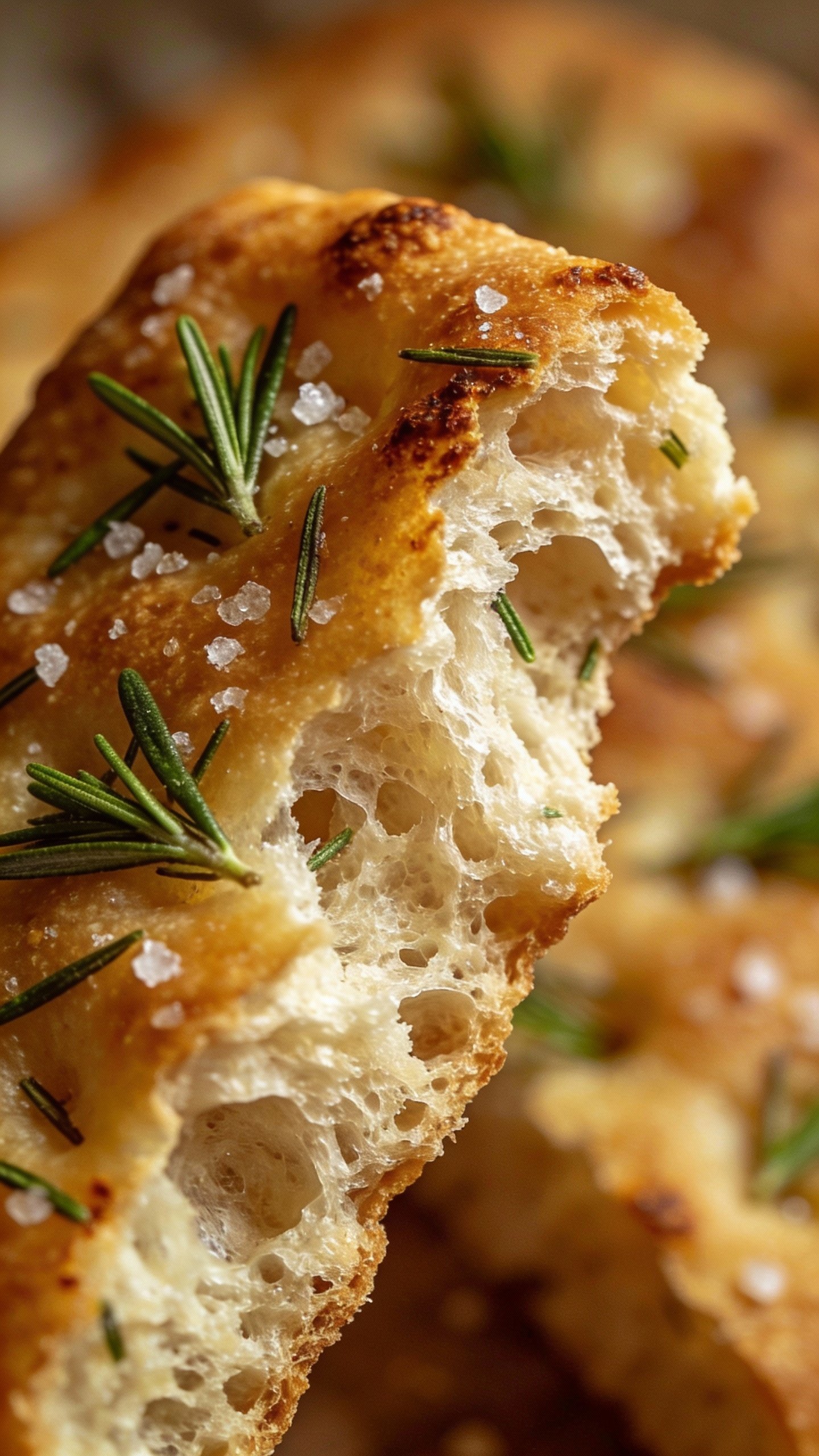
Fresh rosemary packs a punch. You want balance, not a pine forest.
- Amount: About 2–3 teaspoons of finely chopped fresh rosemary. More if you like it bold; less if your rosemary smells like a Christmas tree farm.
- Timing: Press some into the dough before baking so it sticks. Scatter a little more right after baking for a fresh aroma hit.
- Pro tip: Lightly bruising the rosemary between your fingers releases oils. Tiny step, big payoff.
Garlic-Rosemary Oil
Warm a few tablespoons of olive oil with sliced garlic and a pinch of rosemary until fragrant (don’t brown it). Strain and drizzle. You get all the flavor without bitter burnt bits. FYI, this also tastes ridiculous on roasted potatoes.
Baking: When to Pull It
Your oven becomes your bestie here. You want heat and air circulation.
- Temperature: Bake at 220–230°C (425–450°F). Preheat fully. Hot oven, happy bread.
- Time: 20–25 minutes in a sheet pan, 18–22 in a cast iron. Look for deep golden brown on top and edges.
- Finish: Brush with a little more olive oil while it’s hot. Add a pinch more flaky salt and a whisper of fresh rosemary.
Texture Goals
You want a crisp exterior and a pillowy, open crumb. If it looks pale, give it a few more minutes. Pale focaccia tastes fine, but golden focaccia tastes like victory.

Serving Ideas That Go Beyond “Just Bread”
Focaccia works with almost anything. But let’s get specific.
- Dipping platter: Olive oil + balsamic + cracked pepper + a pinch of salt. Simple and perfect.
- Sandwich hero: Slice horizontally and stuff with mozzarella, roasted peppers, and prosciutto.
- Soup sidekick: Tomato soup, minestrone, or any creamy situation. The dunking potential is elite.
- Breakfast: Toasted focaccia + soft scrambled eggs + chives. Add smoked salmon if you’re feeling fancy.
- Pizza-ish: Top leftovers with ricotta, roasted tomatoes, and a drizzle of hot honey. Bake until warm.
Wine Pairing, If You’re Into That
Try a crisp white like Vermentino or a light red like Pinot Noir. The rosemary loves herbal, bright notes. Also, prosecco with salty bread? Not mad at it.
Make-Ahead, Freeze, Reheat: Zero Waste, All Joy
Bread leftovers shouldn’t feel like homework. Here’s how to keep the magic alive.
- Overnight rise: Mix the dough the day before and chill it. You’ll get better flavor and a calmer bake day. IMO, best method.
- Freeze baked focaccia: Cool completely, slice, wrap tightly, and freeze up to a month.
- Reheat: Bake at 180°C/350°F for 8–10 minutes. For slices, toast directly from frozen.
- Refresh day-old bread: Sprinkle with water, wrap in foil, and warm in the oven. Steam revives the crumb.
Common Mistakes (And How To Dodge Them)
No shame. Everyone overcomplicates bread at first. Keep these in mind:
- Too little oil: Don’t skimp. The oil fries the crust and carries flavor.
- Underproofing: If it doesn’t puff up a bit in the pan, wait. Dough needs time to relax and rise.
- Burning herbs: Press rosemary into the dough and add more after baking if needed. Charred herbs taste bitter.
- Cutting too soon: Let it rest 10 minutes. The crumb sets, and slicing gets cleaner. Yes, waiting is hard. I believe in you.
- Using cold pans: A preheated sheet pan or cast iron gives a crisp bottom. Optional, but clutch.
FAQ
Can I use dried rosemary?
Yes, but use less. Dried rosemary tastes more concentrated and can feel twiggy. Crush it between your fingers and use about half the amount of fresh. Add a bit at the end for fragrance if you like.
What if my dough feels too sticky?
Sticky dough makes airy focaccia. Oil your hands and the pan instead of adding more flour. If it’s unmanageable, chill the dough for 15–20 minutes. Cold dough behaves better without sacrificing hydration.
Do I need a stand mixer?
Nope. A bowl, a spoon, and your hands work beautifully. The long rest and high hydration build gluten without heavy kneading. A few folds during the first rise help, but they’re optional.
How do I get bigger air pockets?
Hydration, gentle handling, and a thorough rise. Use a wetter dough, avoid deflating it aggressively, and give it time in the pan. Also, bake hot. Steam trapped in those dimples does a lot of the lifting.
Can I add other toppings?
Absolutely. Think olives, cherry tomatoes, thinly sliced red onion, or parmesan. Just don’t overload the dough or it won’t rise evenly. Keep toppings small and press them in lightly.
Why does my focaccia taste bland?
Two culprits: weak olive oil and shy salt. Use good extra-virgin oil and finish with flaky salt. A small drizzle of oil after baking also helps carry flavor to the surface.
Conclusion
Rosemary focaccia punches way above its effort level. You mix, you wait, you dimple, you bake, and suddenly your kitchen smells like a tiny Italian bakery. Keep the oil generous, the salt assertive, and the bake bold. Then tear off a piece and try not to eat the whole pan. FYI, no one succeeds at that last part.