Seafood Linguine in White Wine Sauce Weeknight Magic
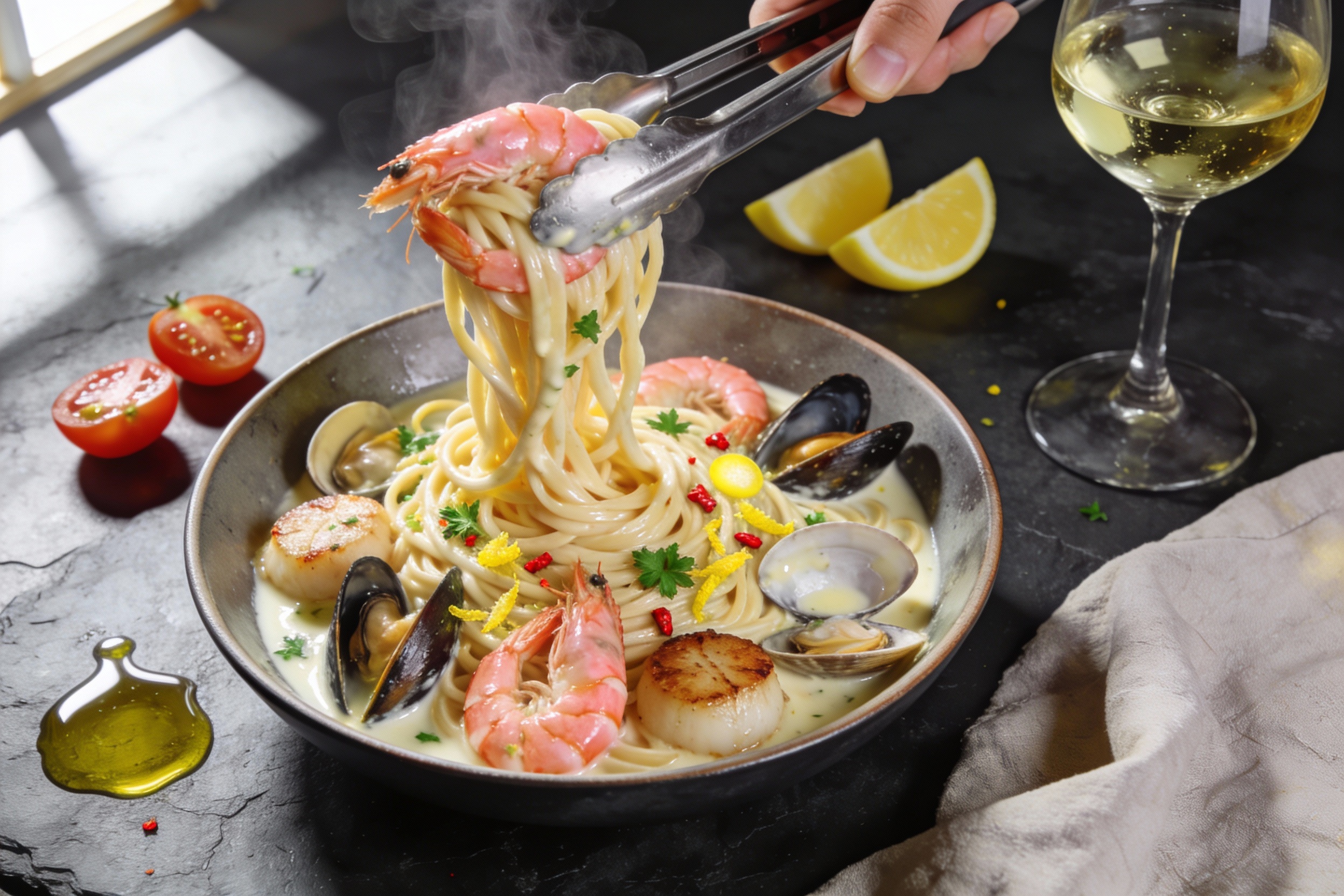
Seafood linguine in white wine sauce tastes like a vacation you can cook. It’s silky, briny, and just indulgent enough to feel special without needing a reservation. You can pull it off on a Tuesday, serve it on a Saturday, and brag about it all week. And yes, you’ll look like you tried way harder than you did.
Why This Dish Wins Every Time
You get a perfect mash-up of textures and flavors: tender strands of pasta, sweet shrimp, juicy clams or mussels, and a sauce that whispers “I’m fancy” but actually takes 15 minutes. The white wine cuts through the richness with bright acidity, and the garlic-butter thing? It never fails.
Also, seafood cooks fast. That means dinner hits the table faster than your group chat decides where to eat. FYI: you don’t need a chef’s jacket—just a skillet, some confidence, and decent wine.
Overeating is a pattern. This helps you fix that problem. A quick reset for cravings, snacking, and “I’ll start tomorrow” moments.
Built for busy home cooks who want real-life structure. Simple steps that fit meal prep, family dinners, and late-night snack attacks.
The Cast: What You Need (and What You Don’t)
Core ingredients
- Linguine (or spaghetti if that’s what you’ve got)
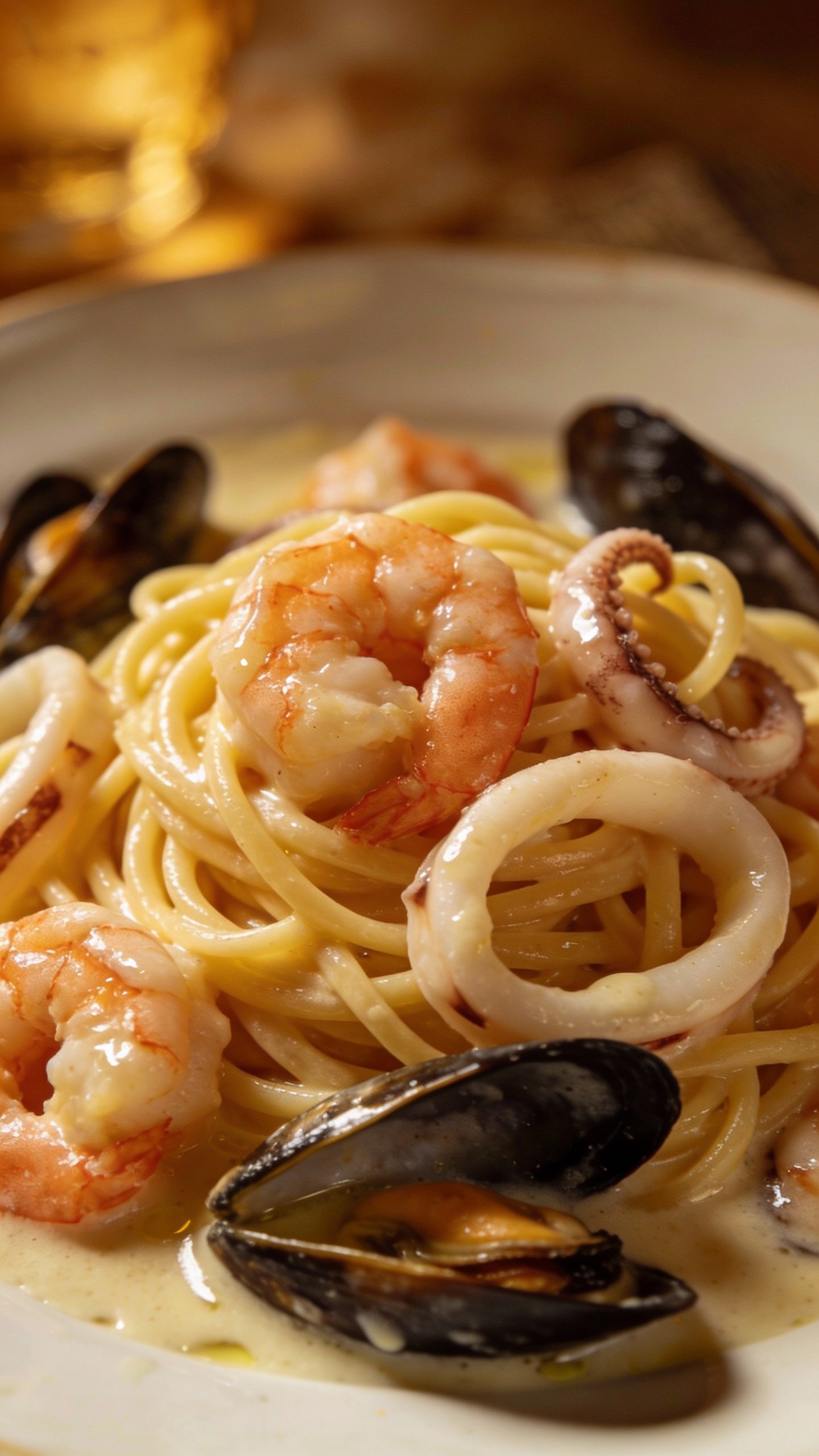
- Mixed seafood: shrimp, scallops, mussels, clams, or calamari
- Dry white wine (Sauvignon Blanc, Pinot Grigio, or any crisp, dry bottle)
- Garlic, shallot, red pepper flakes
- Butter and good olive oil
- Fresh parsley and lemon
- Sea salt and black pepper
Optional but clutch
- Cherry tomatoes for sweetness and color
- Fish stock or clam juice for extra depth
- Capers for a briny pop
- Grated lemon zest for zing
Skip these
- Heavy cream—this sauce shines because it’s light and glossy
- Sweet wines—they mute the seafood and can taste weird
The Game Plan: Fast, Hot, and Saucy
We keep it simple and smart. Salt your pasta water like the ocean. Build flavor in the pan. Let the wine reduce. Bring it together like a pro.
- Boil the linguine in well-salted water until just shy of al dente. Scoop out a cup of pasta water before draining.
- Heat olive oil in a large skillet. Add shallot and garlic. Cook 1–2 minutes until fragrant. Add red pepper flakes for heat.
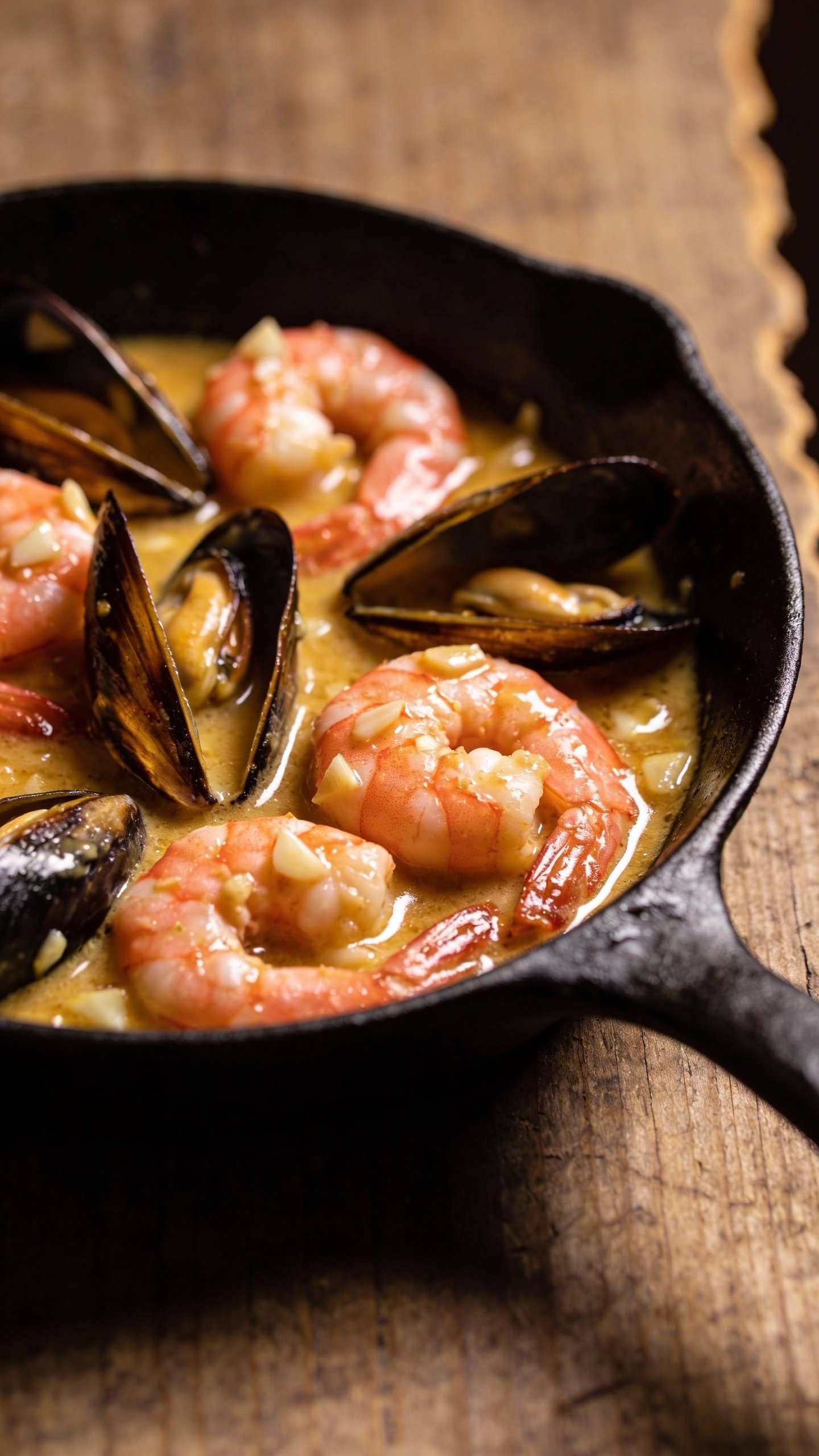
- Add the seafood. Cook shrimp and scallops until just opaque; steam mussels or clams with a splash of wine and a lid until they open. Remove any that stay closed.
- Pour in the white wine. Let it bubble and reduce by about half. Add a splash of fish stock or pasta water if you want more sauce.
- Whisk in a knob of butter to emulsify the sauce. Season with salt, pepper, and lemon juice.
- Toss in the linguine. Add a bit of pasta water if it needs loosening. Finish with parsley, lemon zest, and a drizzle of olive oil.
Pro tip: Keep the heat lively but not scorching. Overcook the seafood and it goes from “luxurious” to “eraser.”
Timing the Seafood Like a Boss
Not all seafood plays by the same rules. Stagger the cooking:
- Shrimp: 2–3 minutes total
- Scallops: 2 minutes per side (for larger ones)
- Mussels/Clams: 4–6 minutes covered until they open
- Calamari: 60–90 seconds max or it toughens
Cook them separately if that’s easier, then reunite everyone in the sauce.
Choosing the Right Wine (Without Overthinking It)
Use a dry, crisp white that you’d actually drink. Sauvignon Blanc keeps things bright, Pinot Grigio stays neutral and clean, and Albariño gives a lovely saline vibe. Avoid anything oaky or sweet. IMO, if it smells like vanilla and butter, it belongs with roast chicken, not clams.
How Much Wine?
About 1/2 to 3/4 cup for a 4-serving pan. Reduce it until the boozy smell calms down and the liquid tastes like “lemony ocean.” If the sauce feels sharp, add another pat of butter and a splash of pasta water to round it out.
Texture Is Everything
You want a glossy sauce that clings to the linguine, not a watery puddle. The magic combo:
- Starchy pasta water to help the emulsion
- Butter to round flavors and add silkiness
- Reduce the wine to concentrate, not drown
If your sauce looks thin, simmer it for a minute after tossing with pasta. If it looks tight, loosen with a spoonful of pasta water and toss again.
Salt Smart
Seafood brings its own salinity, so taste after the shellfish open and after reduction. Add lemon and pepper first; salt last. Over-salt here and you’ll drink three glasses of water before dessert.

Customizing Your Bowl
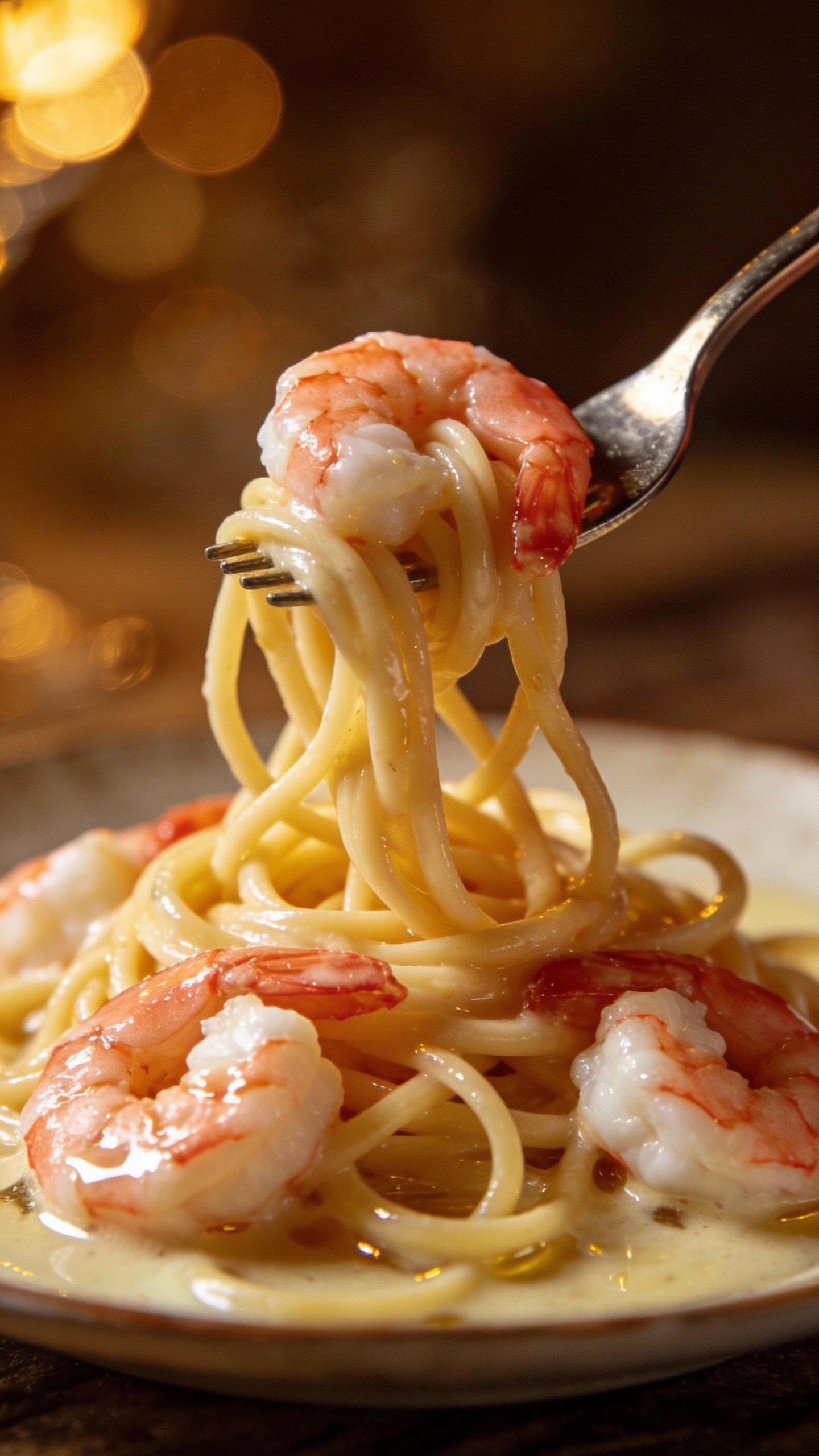
Make it your own without breaking the dish.
- Spicy version: Extra red pepper flakes, maybe a pinch of Calabrian chili paste.
- Herby twist: Add basil and chives with the parsley.
- Tomato-kissed: Halved cherry tomatoes go in with the garlic for sweetness and color.
- Briny boost: A teaspoon of capers or a splash of clam juice.
- Gluten-free: Use GF linguine; watch the cook time and toss gently.
- Dairy-free: Skip butter; emulsify with olive oil and a knob of vegan butter if you like. Still delicious.
Serving Tips That Make You Look Extra
Plate warm bowls if you can. Twirl the linguine, then nestle the seafood on top so everyone sees the goods. Finish with:
- Lemon zest for brightness
- Parsley for freshness
- Good olive oil for aroma
And bread. You want bread. Not just to eat—also to flex on any leftover sauce.
What to Drink With It
Serve the wine you cooked with (smart and thrifty). Crisp whites shine, but a dry rosé works too. If you need bubbles, Prosecco plays nice. Red? Go super light and chilled (think Gamay), but white still wins here.
Common Mistakes (And How to Dodge Them)
- Overcooking seafood: Pull it early; carryover heat finishes the job.
- Boiling the sauce after adding butter: That breaks the emulsion. Keep it at a lively simmer or gentle toss.
- Forgetting pasta water: That liquid saves sauces and marriages. Keep a cup nearby.
- Using sweet or oaky wine: It clashes. Choose dry and clean.
- Adding cheese: Controversial with seafood. If you must, go micro-grate of Pecorino, but honestly, let the ocean speak.
FAQ
Can I use frozen seafood?
Absolutely. Thaw it in the fridge overnight or under cold running water. Pat it very dry before cooking so it sears instead of steams. Frozen can be high quality, and IMO it beats “fresh” seafood that traveled for days.
What if I don’t want to cook with wine?
Use fish stock or clam juice with a splash of lemon juice and a tiny bit of white wine vinegar. You’ll still get brightness and depth. Just reduce it well and finish with butter for that silky texture.
How do I keep mussels and clams clean?
Rinse them under cold water and scrub the shells. Pull off any beards on mussels. Discard cracked shells and any that stay open when you tap them. After cooking, toss any that don’t open.
Can I make it ahead?
You can prep the components (clean seafood, chop aromatics) ahead, but cook the pasta and sauce right before serving. Seafood overcooks when reheated, and the sauce thickens as it sits. This is a “cook and eat now” situation.
What pasta shape works best?
Linguine holds the sauce without overpowering the delicate seafood. Spaghetti works, and fettuccine is fine if you like a wider noodle. Short shapes feel clunky here, IMO.
How do I fix a too-acidic sauce?
Whisk in another small pat of butter and a splash of pasta water. Add a touch more salt and a grind of pepper. The fat smooths the edges and the starch helps it cling.
Conclusion
Seafood linguine in white wine sauce hits that sweet spot between simple and stunning. You build a quick pan sauce, you treat the seafood gently, and you let bright wine and lemon do the heavy lifting. Keep it hot, keep it glossy, and don’t forget the bread. Dinner hero status: unlocked.