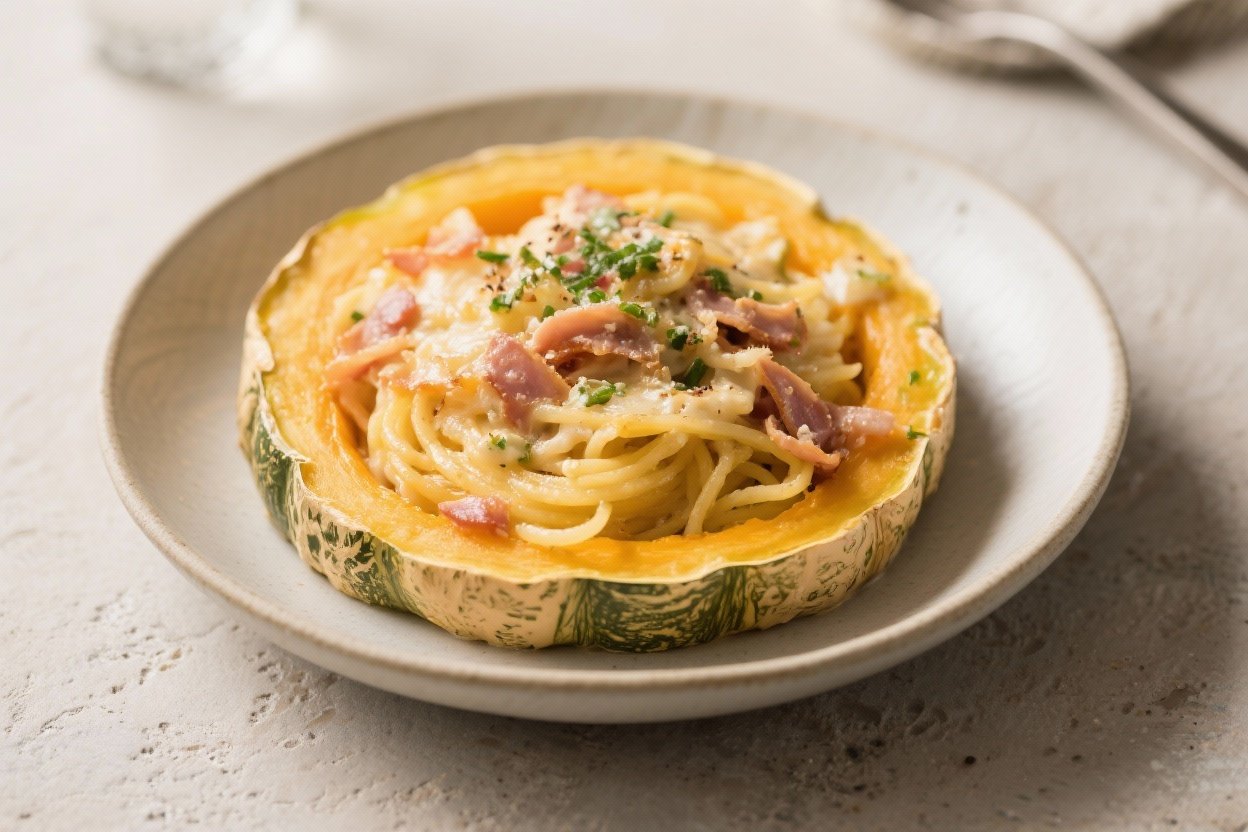
Spaghetti Squash Carbonara – A Cozy, Lighter Take on a Classic
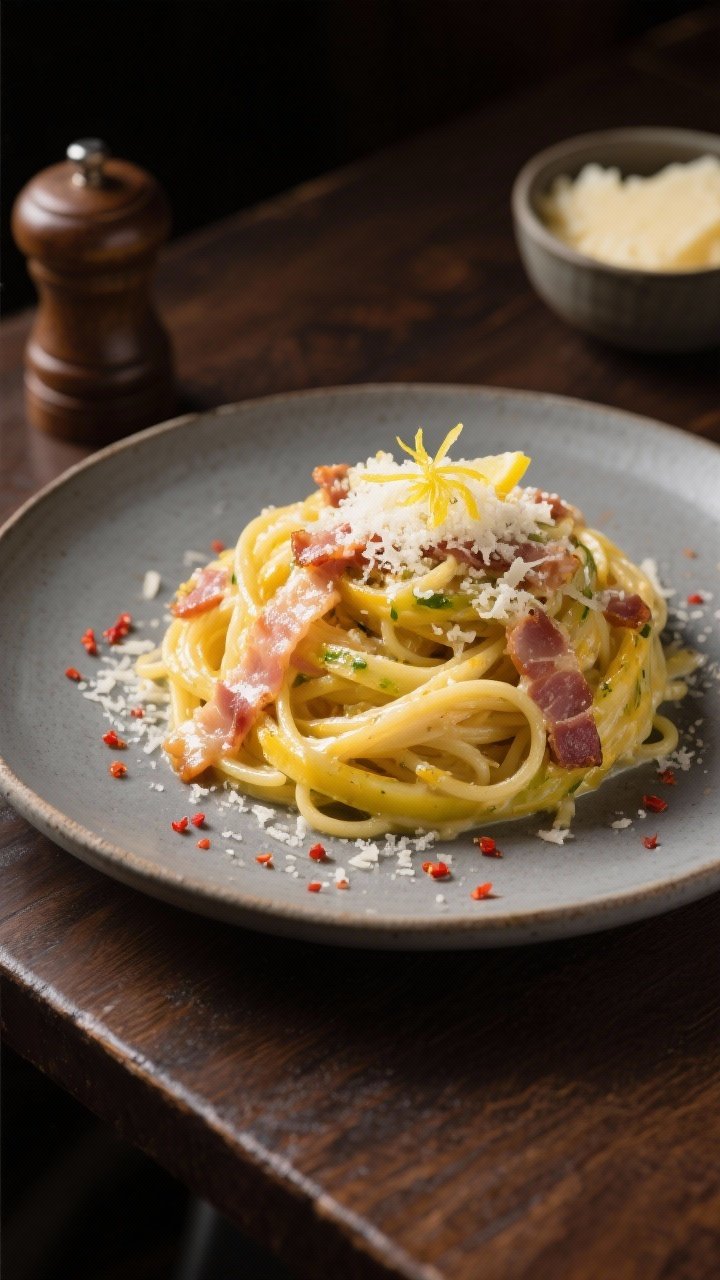
Spaghetti squash carbonara brings the comfort of a creamy, bacon-studded pasta without the heavy feeling after. It’s familiar, cozy, and surprisingly quick once you get the hang of cooking the squash. The sauce stays silky using egg and cheese—no cream needed—so it tastes indulgent while still feeling light.
If you love carbonara but want more veggies in your meals, this is a satisfying way to do it. It’s great for weeknights, date night at home, or meal prep.
Overeating is a pattern. This helps you fix that problem. A quick reset for cravings, snacking, and “I’ll start tomorrow” moments.
Built for busy home cooks who want real-life structure. Simple steps that fit meal prep, family dinners, and late-night snack attacks.
What Makes This Special
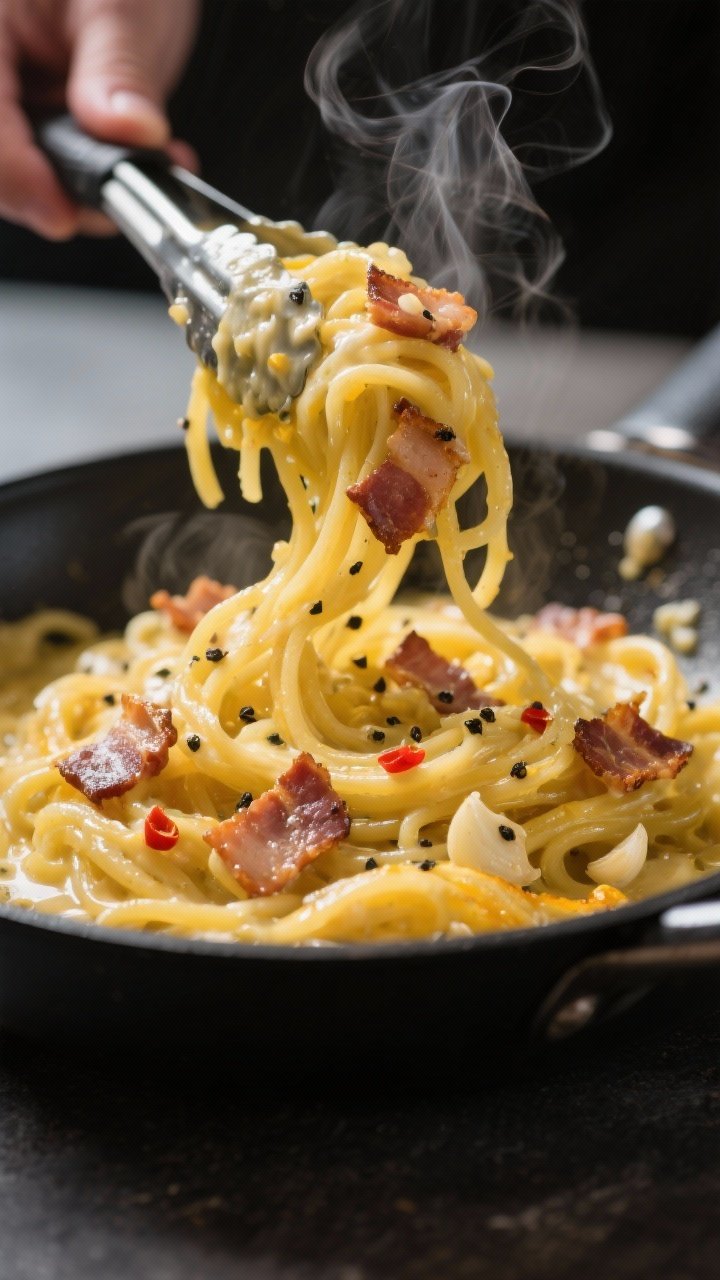
- All the carbonara flavor, fewer carbs: You get the peppery, salty, cheesy goodness without a pound of pasta.
- Silky, not heavy: The egg-and-cheese sauce clings to the squash strands for a glossy finish.
- Flexible: Pancetta or guanciale is traditional, but bacon or turkey bacon works when that’s what you have.
- Meal-prep friendly: Cook the squash ahead and finish the sauce right before serving.
- Comfort food with vegetables: It’s both cozy and fresh, which is a rare find.
Ingredients
- 1 medium spaghetti squash (about 2.5–3 pounds)
- 2 teaspoons olive oil
- 6 ounces pancetta, guanciale, or thick-cut bacon, diced
- 2 large eggs
- 1 large egg yolk
- 1 cup finely grated Parmesan or Pecorino Romano (or a mix), plus more for serving
- 2 cloves garlic, finely minced
- 1 teaspoon freshly ground black pepper, plus more to taste
- Salt, to taste (you may need very little, depending on the meat and cheese)
- Optional: pinch of red pepper flakes
- Optional garnish: chopped fresh parsley or chives
How to Make It
- Preheat the oven: Set it to 400°F (200°C). Line a baking sheet with parchment for easy cleanup.
- Prep the squash: Halve the spaghetti squash lengthwise and scoop out the seeds.
Drizzle the cut sides with olive oil and season with a little salt and pepper.
- Roast: Place the squash cut side down on the baking sheet. Roast for 35–45 minutes, until the skin gives when pressed and the strands pull apart easily with a fork. The strands should be tender but not mushy.
- Cool and shred: Let the squash cool just enough to handle.
Use a fork to scrape out long strands into a large bowl. Keep them warm. If the squash released a lot of moisture, blot gently with paper towels.
- Crisp the pancetta: In a large skillet over medium heat, cook the pancetta until browned and crispy, 6–8 minutes.
Use a slotted spoon to transfer it to a plate, leaving the rendered fat in the pan.
- Sauté the garlic: Lower the heat slightly. Add the garlic to the pan and cook for 30–45 seconds, just until fragrant. Don’t let it brown.
- Make the egg mixture: In a bowl, whisk together the eggs, yolk, cheese, and black pepper until smooth.
The mixture will be thick—this is good.
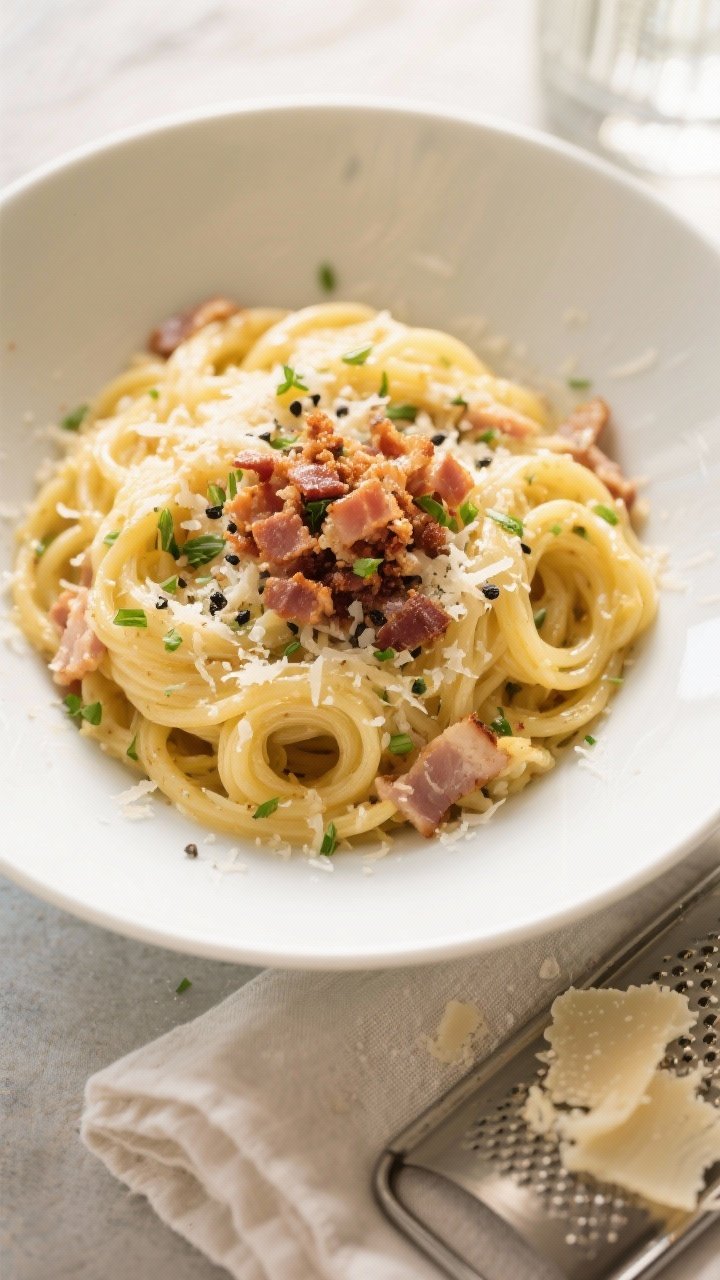
- Combine and temper: Turn off the skillet heat and add the warm squash strands and crispy pancetta to the pan, tossing to coat with the rendered fat and garlic. Wait 30 seconds so the pan isn’t scorching hot. Pour in the egg-cheese mixture while tossing constantly with tongs to create a silky sauce.
If it seems too thick, add a splash of warm water.
- Adjust seasoning: Taste and add more pepper or a pinch of salt if needed. If you like heat, add red pepper flakes.
- Serve immediately: Top with extra cheese and parsley or chives. Carbonara is best hot and glossy.
Storage Instructions
- Refrigerator: Store leftovers in an airtight container for up to 3 days.
The texture will soften but still tastes great.
- Reheating: Warm gently over low heat on the stove with a splash of water to loosen the sauce. Stir frequently and avoid overheating, which can scramble the eggs. The microwave works in short 20–30 second bursts, stirring between intervals.
- Freezing: Not recommended.
The squash can turn watery and the sauce may separate.
Why This is Good for You
- More vegetables, same comfort: Spaghetti squash is lower in calories and carbs than pasta while still giving that twirlable feel.
- Protein and healthy fats: Eggs and pancetta add protein and satiety, making this a complete meal.
- Naturally gluten-free: Great for anyone avoiding wheat without sacrificing flavor.
- Nutrient boost: Spaghetti squash brings fiber, vitamin C, and B vitamins to the table.
Common Mistakes to Avoid
- Overcooking the squash: Mushy strands won’t hold the sauce. Roast until just tender and still a bit snappy.
- Adding eggs to a hot pan: If the pan is too hot, you’ll get scrambled eggs. Turn off the heat and toss constantly.
- Skipping the cheese quality: Pre-shredded cheese can be dry and clumpy.
Finely grate fresh Parmesan or Pecorino for a smooth sauce.
- Under-seasoning: Black pepper is key in carbonara. Taste and adjust at the end.
- Letting the squash sit in liquid: If the squash is watery, blot it or briefly return it to the hot pan to steam off excess moisture before adding the egg mixture.
Recipe Variations
- Mushroom Carbonara: Sauté sliced cremini or shiitake mushrooms with the garlic for a savory twist.
- Greens Upgrade: Add a handful of baby spinach or chopped kale in the pan before the squash; wilt it for 1–2 minutes.
- Turkey Bacon or Prosciutto: Use these if you prefer a lighter or different flavor profile. Adjust salt accordingly.
- Lemon-Pepper: Add 1 teaspoon lemon zest at the end for brightness without changing the classic base.
- Dairy Mix: Use half Pecorino Romano and half Parmesan for a sharper bite.
- Heat Lovers: Stir in Calabrian chili paste or red pepper flakes.
- Extra Creamy (no cream): Whisk in 1 tablespoon mascarpone or a splash of warm chicken broth to the egg mixture before adding.
FAQ
Can I cook the spaghetti squash in the microwave?
Yes.
Pierce the squash several times with a knife, microwave 4–5 minutes to soften, then halve, seed, and microwave cut side down in a dish with a little water for 8–12 more minutes. The oven gives better flavor, but the microwave is faster.
What’s the best cheese for carbonara?
Pecorino Romano is traditional and sharp; Parmesan is nuttier and slightly milder. A 50/50 blend offers balance and a smooth melt.
How do I prevent the eggs from scrambling?
Remove the pan from heat, add the egg mixture while tossing quickly, and use warm—not scorching hot—ingredients.
If needed, add a splash of warm water to loosen and lower the temperature.
Can I make this vegetarian?
Yes. Skip the pancetta and sauté mushrooms in olive oil or butter with the garlic. Add a pinch of smoked paprika for a hint of “bacon” aroma, and season well.
Is cream ever used in carbonara?
Traditional carbonara relies on eggs, cheese, and rendered fat for creaminess—no cream.
If you prefer a richer texture, a tiny spoon of mascarpone can mimic that feel without turning it into Alfredo.
What if my squash is watery?
After shredding, spread the strands on a towel and blot. You can also return them to the hot pan for 1–2 minutes to evaporate moisture before adding the egg mixture.
Can I use whole eggs only?
You can, but including an extra yolk adds body and that classic glossy finish. If you use only whole eggs, reduce the heat even more and toss well to avoid curdling.
How many servings does this make?
A medium squash serves 3–4 as a main dish, depending on appetite and added sides.
In Conclusion
Spaghetti Squash Carbonara brings classic Italian comfort into a lighter, weeknight-friendly format.
You still get the creamy, peppery sauce and crisp bites of pancetta, just with a generous base of tender squash strands. Keep the pan off the heat when you add the eggs, use good cheese, and season with confidence. It’s simple, satisfying, and a smart way to put more vegetables at the center of the plate.
Printable Recipe Card
Want just the essential recipe details without scrolling through the article? Get our printable recipe card with just the ingredients and instructions.