The Ultimate Beginner’s Guide To Meal Planning
You’re busy, you’re hungry, and the Uber Eats app keeps winking at you. Meal planning breaks that cycle. You’ll save money, cut decision fatigue, and actually look forward to dinner.
Give me a few minutes and I’ll show you a simple, zero-fuss way to plan your meals without turning your Sunday into a cooking marathon.
Overeating is a pattern. This helps you fix that problem. A quick reset for cravings, snacking, and “I’ll start tomorrow” moments.
Built for busy home cooks who want real-life structure. Simple steps that fit meal prep, family dinners, and late-night snack attacks.
Why Meal Planning Works (Even If You Hate Planning)
Meal planning isn’t about rigid schedules or sad Tupperware. It’s about fewer choices, smarter shopping, and less 6 p.m. chaos. You still get flexibility—you just do the thinking once, not every night.
You’ll eat better by accident. When you plan, you naturally include more veggies, protein, and balanced meals. And yes, it saves real money. Impulse takeout and random grocery runs drain your budget faster than you think.
Set Your Ground Rules
Before you dive in, pick a few rules so your plan doesn’t implode by Wednesday.
- Decide your planning window: 3–4 days works for beginners.
A full week is great once you’re comfortable.
- Pick your anchor meals: Breakfast and lunch can stay simple and repeatable. Put your creativity into dinner.
- Note your constraints: Allergies, picky eaters, gym nights, late work calls—plan around them, not against them.
- Choose your effort level: Are we doing 20-minute meals or slow-cooker magic? Be honest with your energy.
My “Good Enough” Rule
Aim for meals that are nutritious, quick, and tasty.
You only need two out of three most days. Perfection makes you quit. Good enough keeps you consistent.
Build Your Meal Map
You don’t need fancy templates.
A notes app or scrap paper totally works. Map your meals for the next 3–7 days and keep it flexible.
- Pick 2–3 dinner types you love: Tacos, bowls, pasta, stir-fries, sheet-pan meals. Rotate them weekly.
- Plan “theme nights” lightly: Taco Tuesday, Pasta Friday, Leftover Thursday.
It reduces decision fatigue.
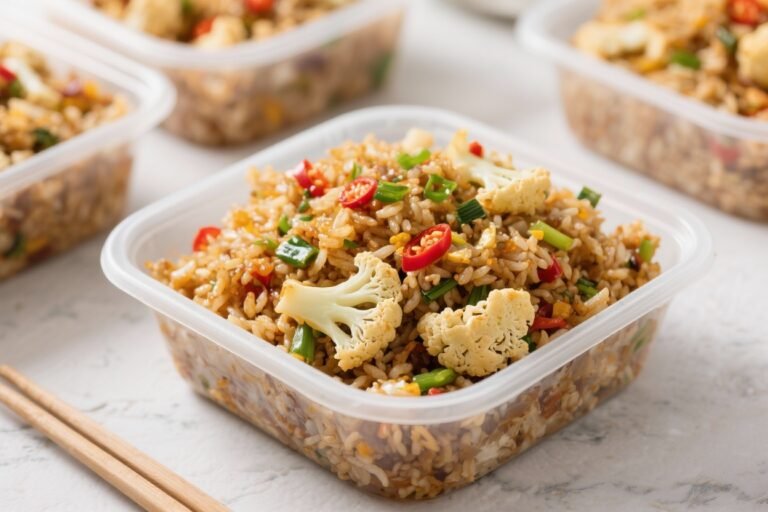
- Batch components, not entire meals: Cook a pot of grains, roast a tray of veggies, prep a protein. Assemble different meals from the same base.
Plug-and-Play Dinner Ideas
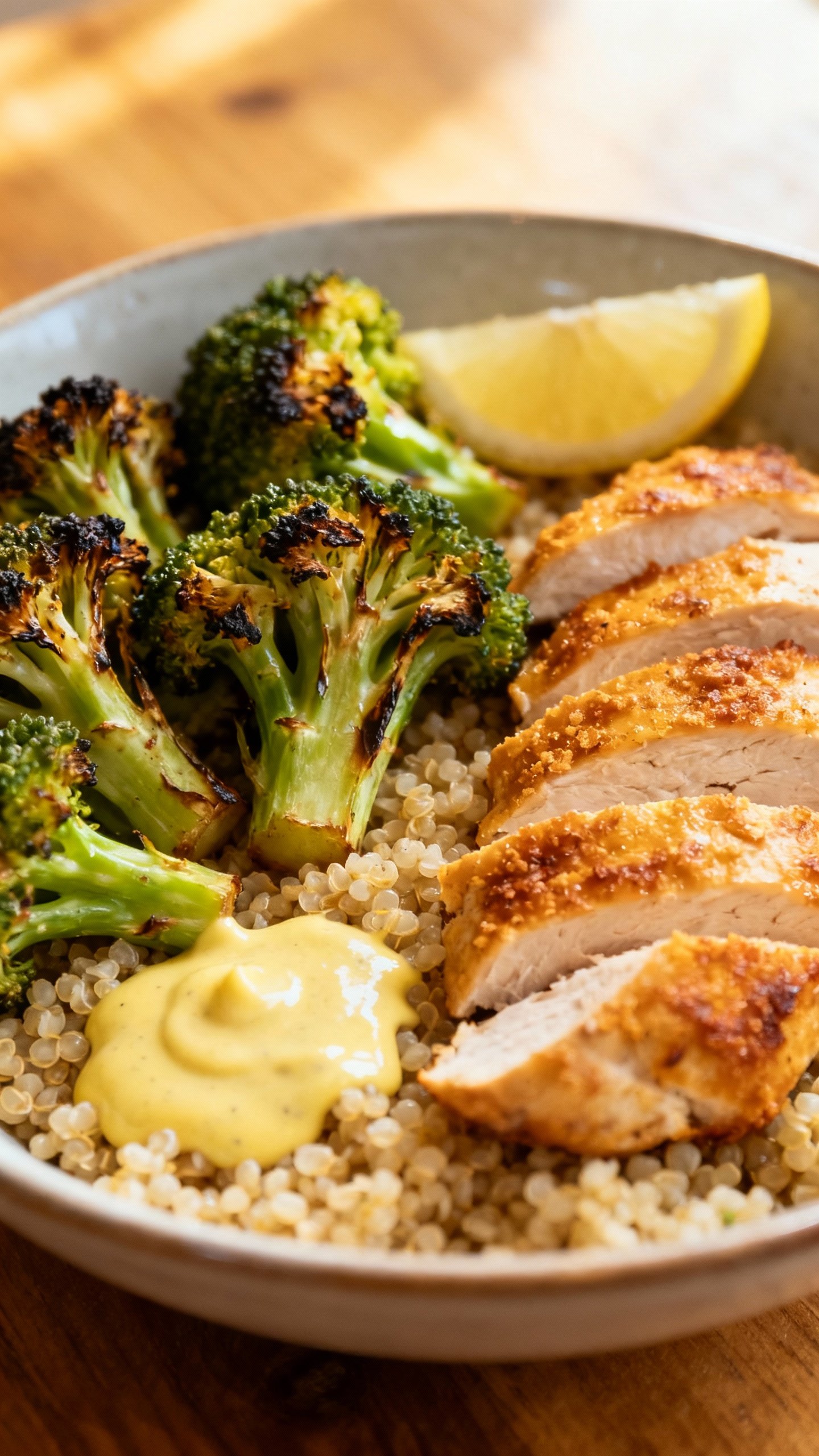
- Protein + Veg + Carb Bowl: Chicken or tofu, roasted broccoli, quinoa, sauce (yogurt tahini or store-bought).
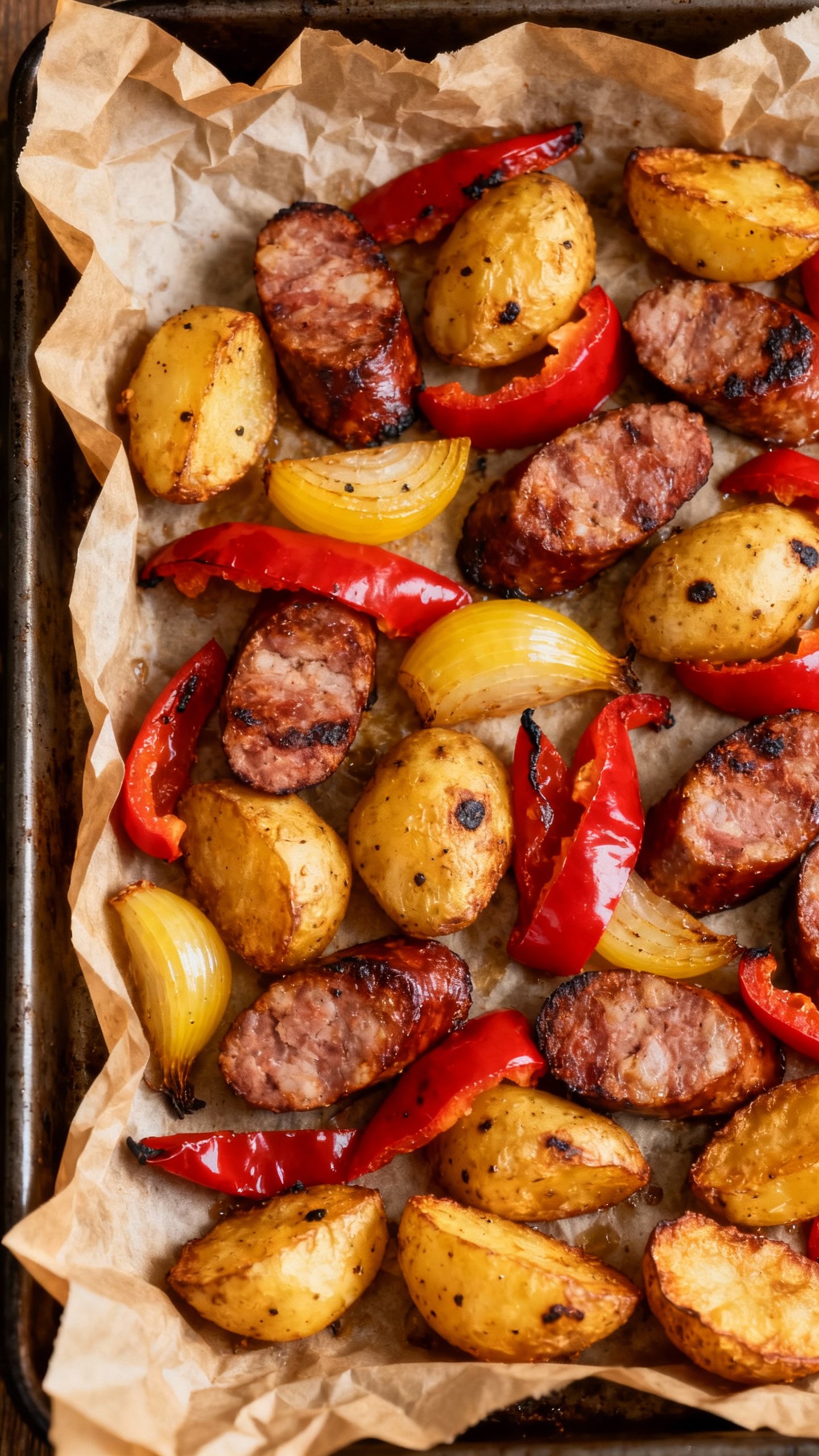
- Sheet-Pan Special: Sausage, peppers, onions, potatoes. One pan, minimal dishes, chef’s kiss.
- 5-Ingredient Pasta: Pasta, olive oil, garlic, cherry tomatoes, parmesan.
Add spinach if you feel fancy.
- Stir-Fry: Frozen veggies, protein, soy sauce + ginger + honey. Serve over rice. Done.
Make a Smart Grocery List (Your Wallet Will Love You)
A good list stops random purchases and helps you cook what you planned.
Shocking, I know.
- Shop your kitchen first: Check your pantry, fridge, and freezer. Build meals around what you already own.
- Group by store section: Produce, dairy, protein, pantry, frozen. You’ll shop faster and forget less.
- Buy flexible base ingredients: Rice, pasta, tortillas, eggs, frozen veggies, canned beans, broth, sauces.
- Choose one sauce per week: Pesto, salsa, gochujang, curry paste.
It keeps meals interesting with zero extra effort.
Budget-Friendly Staples
- Protein: Canned tuna, rotisserie chicken, tofu, beans, eggs, frozen chicken thighs.
- Carbs: Rice, tortillas, couscous, potatoes, oats.
- Veggies: Frozen mixed veg, onions, carrots, cabbage, broccoli, salad greens.
- Flavor boosters: Garlic, lemon, soy sauce, chili flakes, tahini, miso, parmesan.
Prep Without Burnout
You don’t need a five-hour Sunday cook-a-thon. Small prep sessions win every time.
- Do a 45-minute power prep: Cook one grain, one protein, chop a few veggies, make one sauce. That’s enough.
- Use your oven’s real estate: Roast two trays at once—sweet potatoes on one, broccoli on the other.
- Lean on convenience: Pre-chopped onions, bagged salad, microwavable rice.
FYI, shortcuts are not cheating.
- Store smart: Keep sauces and proteins separate so things don’t get soggy. Assemble when you eat.
Minimal-Prep Breakfasts
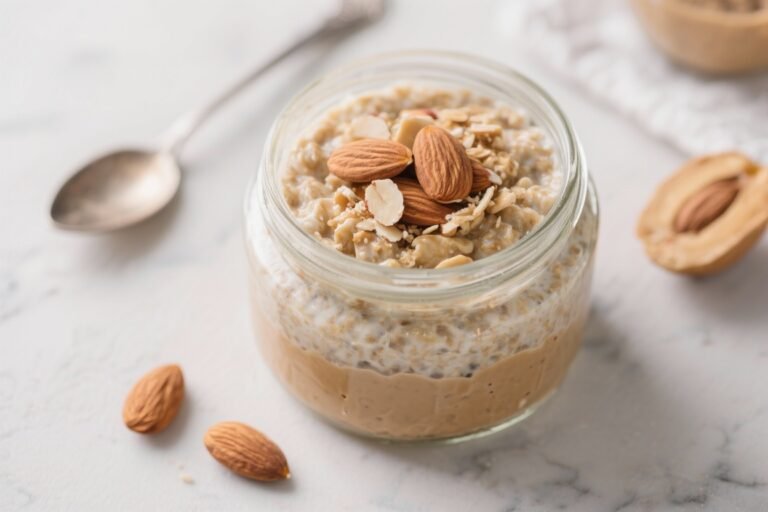
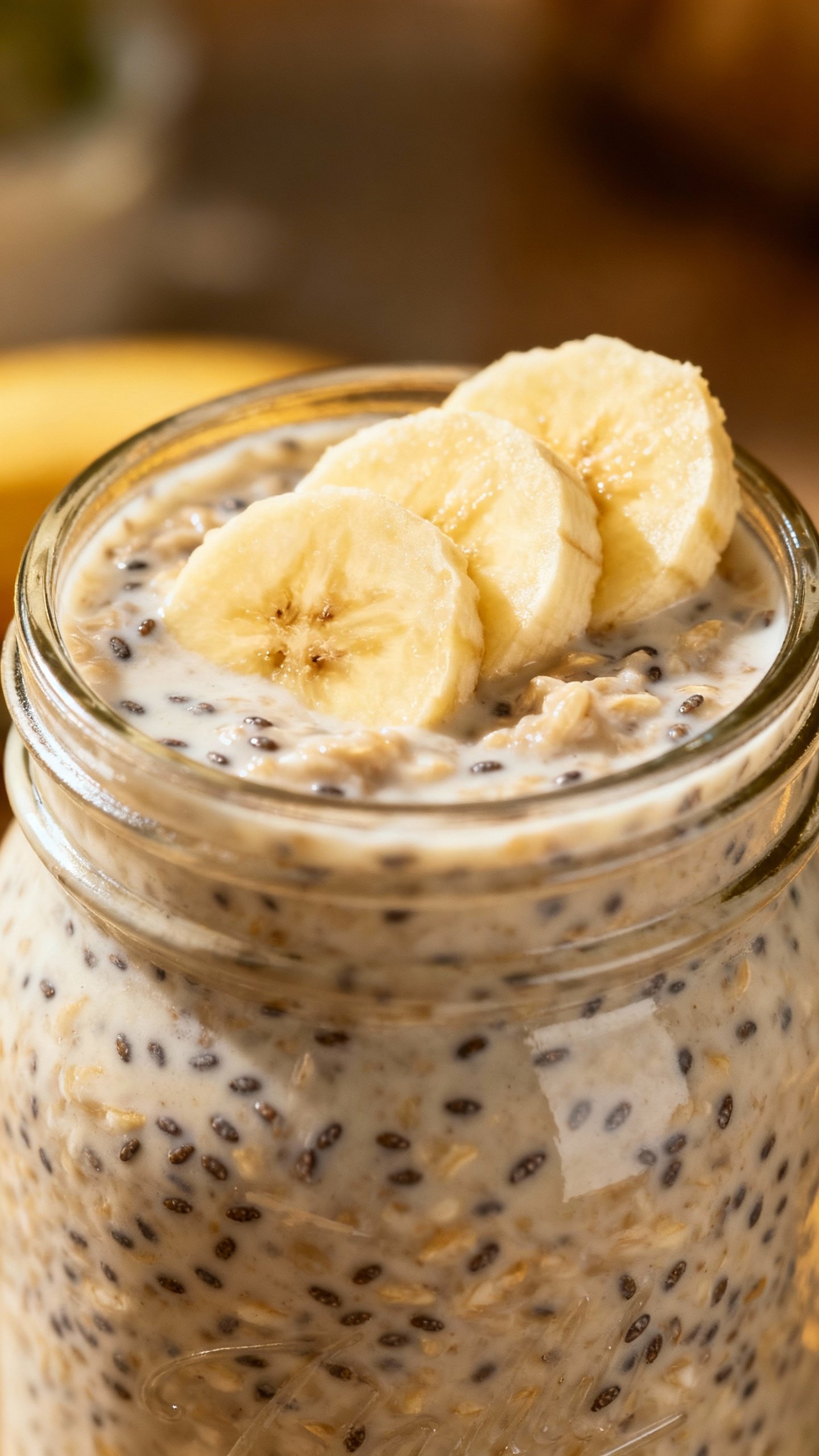
- Overnight oats: Oats + milk + chia + fruit. Add peanut butter if you’re fun.
- Egg muffins: Eggs + chopped veg + cheese baked in a muffin tin.
Freezer-friendly.
- Yogurt bowls: Greek yogurt + berries + granola + honey. Zero cooking. Bless.
Keep It Flexible (Life Happens)
Plans change.
That’s fine. Build in wiggle room so you don’t bail.
- Schedule one “catch-all” night: Leftovers, pantry pasta, or omelets. Clears the fridge and your conscience.
- Choose freezer-friendly meals: Chili, soup, burritos, meatballs.
If plans change, you don’t waste food.
- Include a wildcard: One meal you can skip or swap if a friend texts “tacos?” at 5 p.m. IMO, say yes.
How to Pivot Fast
If a recipe needs a fancy ingredient you forgot, swap. No shallots?
Use onions. No kale? Use spinach. Substitutions are not failures—they’re how real people cook.
Simple Portioning and Nutrition (No Math Degree Required)
You don’t need a spreadsheet.
Think in visuals and rough servings.
- Protein: Aim for a palm-sized portion per meal (or two for higher appetite).
- Veggies: Fill half your plate with colorful stuff. Frozen counts. Canned counts.
We’re not elitists.
- Carbs: A cupped-hand portion works for most. Adjust based on activity.
- Fats: A thumb or two of oils, nuts, or cheese adds flavor and satiety.
Balance Across the Day
You don’t need every meal to be perfect. Think daily balance: if lunch was light, make dinner heartier. If breakfast was a pastry (no judgment), add protein at lunch.
Easy.
Common Mistakes (And Quick Fixes)
- Overplanning: You plan seven gourmet dinners. By Wednesday you’re exhausted. Fix: plan 3–4 dinners and repeat favorites.
- Under-seasoning: Bland food ruins consistency.
Fix: keep salt, acid (lemon, vinegar), and heat (chili) on hand.
- Ignoring snacks: You skip them, then raid the pantry at 10 p.m. Fix: plan 1–2 snacks daily—fruit + nuts, cheese + crackers, hummus + veg.
- Recipe overload: Five new recipes in a week? Chaos.
Fix: try one new recipe, keep the rest familiar.
Quick-Start 3-Day Plan (Example)
Use this as a template and swap ingredients you like.
Day 1
- Breakfast: Yogurt, berries, granola.
- Lunch: Chicken quinoa bowl with roasted broccoli and tahini lemon sauce.
- Dinner: Sheet-pan sausage, peppers, onions, potatoes.
- Snack: Apple + peanut butter.
Day 2
- Breakfast: Overnight oats with banana.
- Lunch: Leftover sausage and peppers in a tortilla with cheese.
- Dinner: Stir-fry tofu, mixed veggies, rice, soy-ginger sauce.
- Snack: Carrots + hummus.
Day 3
- Breakfast: Egg muffin + toast.
- Lunch: Tuna salad on greens with lemon and olive oil.
- Dinner: 5-ingredient pasta with side salad.
- Snack: Cheese + crackers.
FAQ
How long should meal prep take?
Aim for 45–90 minutes once or twice a week. Cook a grain, prep a protein, chop a few veggies, and make a sauce. If you still have energy after that, you’re a unicorn—go wild.
What if I get bored easily?
Keep the structure, change the flavors.
Bowls every night? Rotate sauces—pesto, salsa, curry, peanut-lime. Same bones, new outfit.
FYI, toppings like herbs, pickled onions, and hot sauce work wonders.
Can I meal plan on a tight budget?
Absolutely. Build around beans, eggs, frozen veg, rice, and chicken thighs. Buy in bulk when it makes sense, and choose one “feature” item per week (like salmon or steak) if you want a treat.
You’ll still spend less than random takeout.
Do I have to prep everything on Sunday?
Nope. Try two mini-prep sessions—Sunday and Wednesday. It keeps produce fresher and your motivation higher.
IMO, smaller chunks win long term.
How do I plan for a family with different tastes?
Choose “base + toppings” meals. Tacos, bowls, baked potatoes—everyone customizes at the table. You prep one base, not four separate dinners.
Sanity preserved.
What if I mess up the plan?
You didn’t mess up—you gathered data. Adjust next week: fewer recipes, more leftovers, or simpler dinners. Meal planning is a skill; you’ll get faster and smarter with each round.
Conclusion
Meal planning doesn’t need color-coded calendars or culinary school.
Pick a short planning window, choose flexible meals, shop with a purpose, and prep a few key components. Keep it simple, keep it tasty, and give yourself room to pivot. Do that, and dinner stops being a daily emergency and starts feeling easy—maybe even fun.