Cottage Cheese Focaccia Bread – Soft, Savory, and Surprisingly Simple
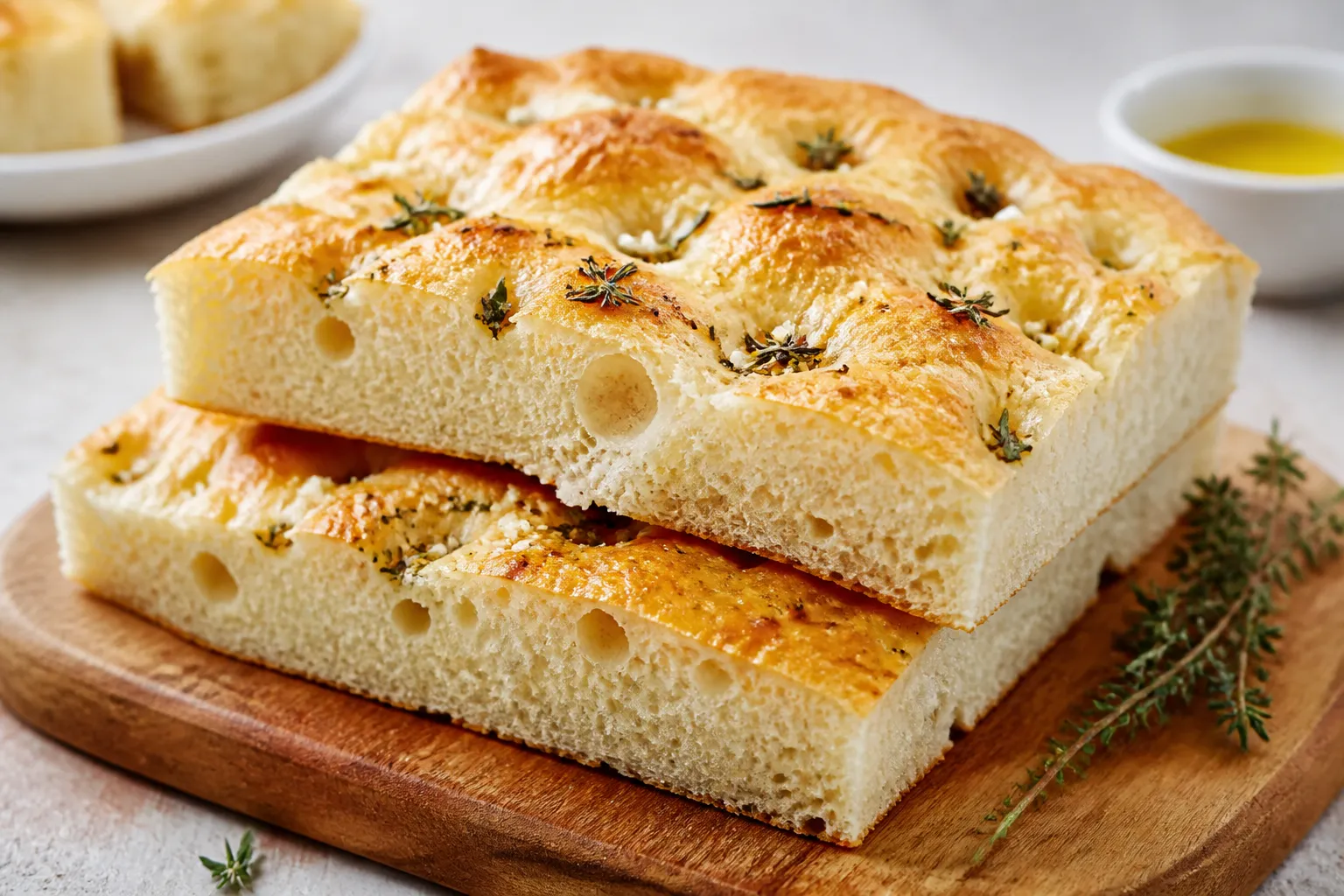
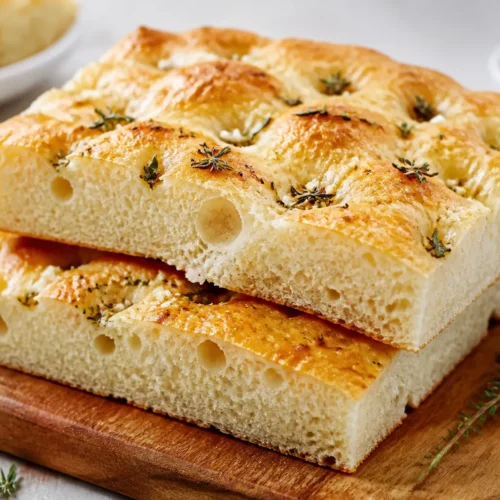
If you love homemade bread but want something extra tender and protein-packed, this Cottage Cheese Focaccia Bread is a winner. It bakes up with a golden, dimpled crust and a soft, custardy center that stays moist for days. The cottage cheese blends right into the dough, so you won’t notice curds—just a subtle tang and a velvety crumb.
Never wonder what's for dinner again.
Get 7 healthy, family-friendly dinners complete with recipes, grocery lists, and simple meal plans delivered straight to your inbox.
It’s easy enough for weeknights and special enough for a dinner party. Serve it warm with soup, salad, or a simple spread of olive oil and flaky salt.
Cottage Cheese Focaccia Bread – Soft, Savory, and Surprisingly Simple
Ingredients
- Bread flour (or all-purpose in a pinch)
- Instant or active dry yeast
- Granulated sugar or honey (a small amount to feed the yeast)
- Fine sea salt
- Cottage cheese (small curd or whipped; full-fat or 2% both work)
- Warm water
- Extra-virgin olive oil
- Flaky sea salt (for topping)
- Fresh rosemary or dried Italian herbs (optional)
- Garlic, thinly sliced (optional)
- Cherry tomatoes, olives, or thin onion slices (optional toppings)
Instructions
- Blend the cottage cheese: Add cottage cheese to a blender or food processor and blend until smooth. This helps it incorporate cleanly into the dough and avoids visible curds.
- Proof the yeast (if using active dry): In a small bowl, mix warm water (about 105–110°F) with sugar and active dry yeast. Let it sit 5–10 minutes until foamy. If using instant yeast, you can skip this and add it directly to the flour.
- Mix the dough: In a large bowl, combine flour and salt. Add the blended cottage cheese, the yeast mixture (or instant yeast and warm water), and 2 tablespoons of olive oil. Stir with a spoon until a shaggy dough forms. If it’s very stiff, add a splash more water; if too sticky, dust in a little flour. Aim for soft and slightly tacky.
- Short rest and folds: Let the dough rest for 10 minutes. With wet hands, perform 2–3 sets of stretch-and-folds right in the bowl: grab an edge, stretch it up, fold over the center; rotate the bowl and repeat a few times. This builds structure without heavy kneading.
- First rise: Drizzle 1 tablespoon olive oil over the dough and turn it to coat. Cover the bowl tightly and let it rise at room temperature until doubled, about 60–90 minutes depending on your kitchen temperature.
- Prepare the pan: Generously oil a 9x13-inch sheet pan or a large cast-iron skillet with 2–3 tablespoons olive oil. This ensures a crisp, flavorful bottom crust.
- Pan and rest: Gently tip the risen dough onto the oiled pan. With oiled fingers, press and coax it toward the edges without deflating it too much. If it resists stretching, let it rest 10 minutes and try again.
- Second rise: Cover loosely and let the dough puff until slightly jiggly and airy, about 30–45 minutes. Preheat the oven to 425°F (220°C) during this time.
- Dimple and top: Oil your fingertips and press deep dimples all over the dough. Drizzle a few tablespoons of olive oil over the surface so it pools in the dimples. Sprinkle with flaky salt and rosemary. Add optional toppings like garlic, tomatoes, or olives.
- Bake: Bake on the middle rack for 22–28 minutes, until the top is golden and the edges are crisp. The center should spring back lightly when pressed.
- Finish and cool: Brush or drizzle a little more olive oil over the hot focaccia for shine and flavor. Let it cool in the pan for 10 minutes, then transfer to a rack. Slice into squares and serve warm or at room temperature.
What Makes This Recipe So Good
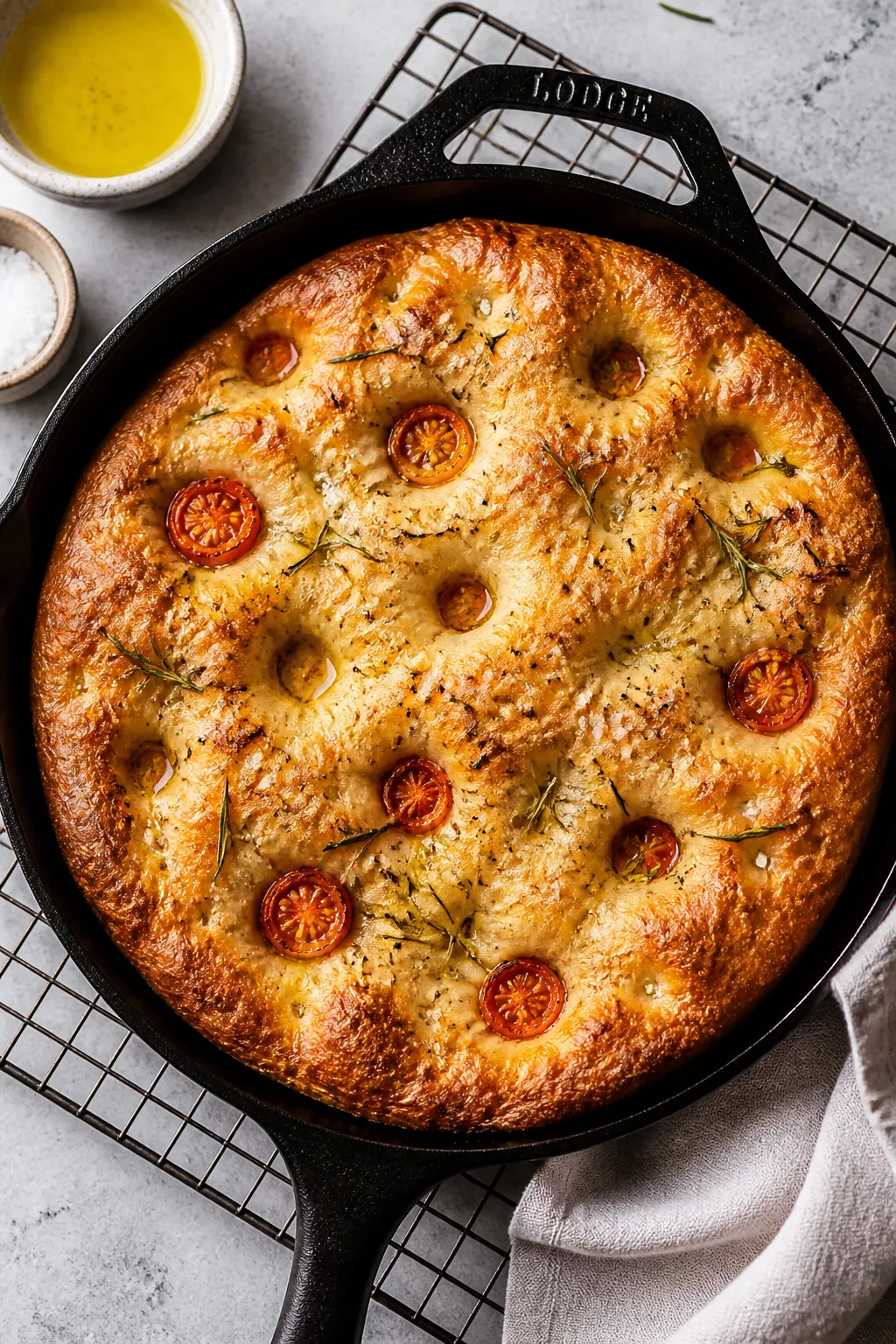
- Ultra-soft texture: Cottage cheese adds moisture and tenderness, giving you a plush crumb without extra fat.
- Higher protein: A simple way to boost protein in your bread without changing the flavor profile.
- No-fuss method: The dough is forgiving and relies on slow fermentation for flavor. No intense kneading needed.
- Versatile topping base: Classic focaccia dimples hold olive oil, herbs, and whatever savory toppings you like.
- Stays fresh longer: The added dairy keeps the bread from drying out as quickly as traditional focaccia.
Shopping List
- Bread flour (or all-purpose in a pinch)
- Instant or active dry yeast
- Granulated sugar or honey (a small amount to feed the yeast)
- Fine sea salt
- Cottage cheese (small curd or whipped; full-fat or 2% both work)
- Warm water
- Extra-virgin olive oil
- Flaky sea salt (for topping)
- Fresh rosemary or dried Italian herbs (optional)
- Garlic, thinly sliced (optional)
- Cherry tomatoes, olives, or thin onion slices (optional toppings)
Step-by-Step Instructions
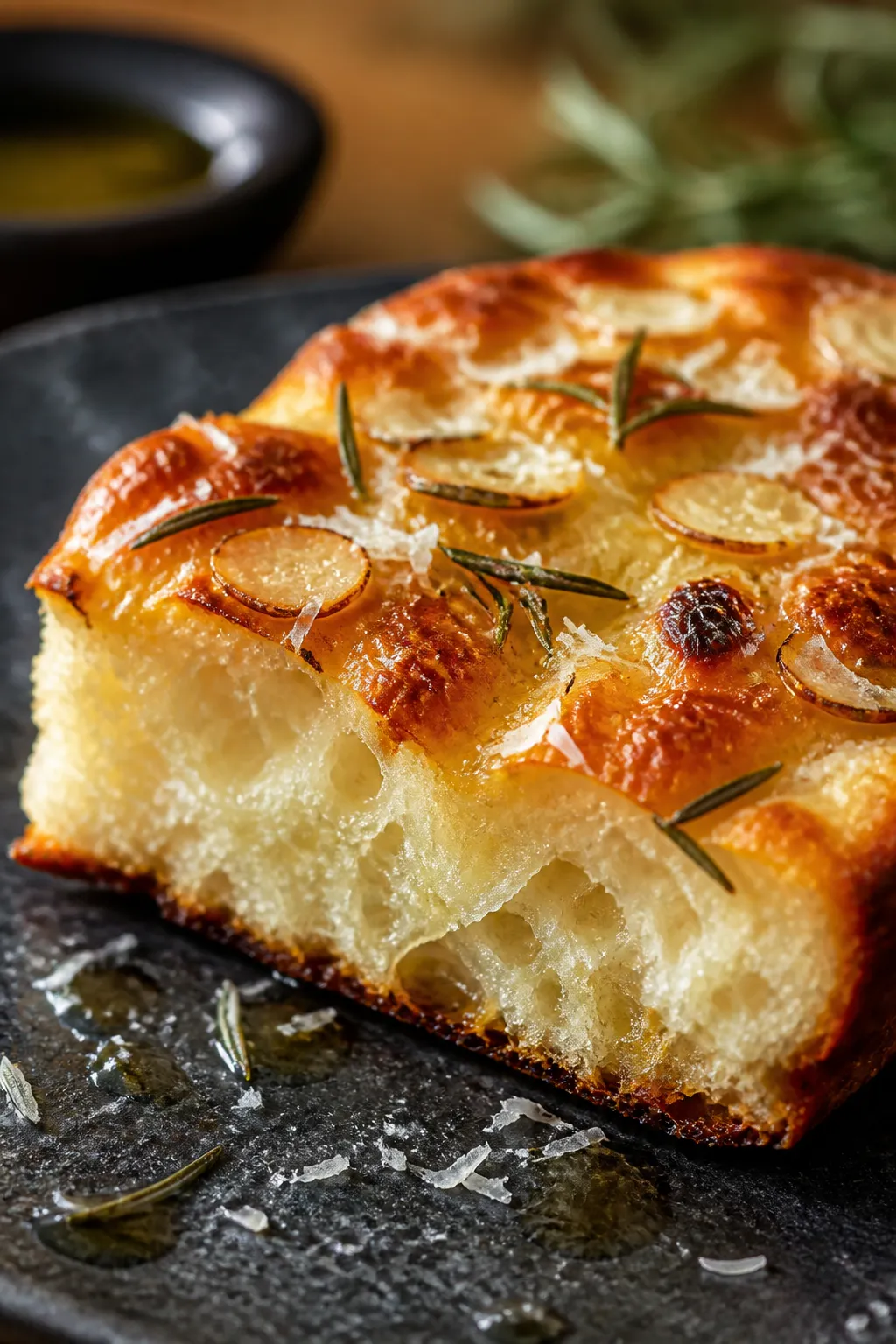
- Blend the cottage cheese: Add cottage cheese to a blender or food processor and blend until smooth.
This helps it incorporate cleanly into the dough and avoids visible curds.
- Proof the yeast (if using active dry): In a small bowl, mix warm water (about 105–110°F) with sugar and active dry yeast. Let it sit 5–10 minutes until foamy. If using instant yeast, you can skip this and add it directly to the flour.
- Mix the dough: In a large bowl, combine flour and salt.
Add the blended cottage cheese, the yeast mixture (or instant yeast and warm water), and 2 tablespoons of olive oil. Stir with a spoon until a shaggy dough forms. If it’s very stiff, add a splash more water; if too sticky, dust in a little flour.
Aim for soft and slightly tacky.
- Short rest and folds: Let the dough rest for 10 minutes. With wet hands, perform 2–3 sets of stretch-and-folds right in the bowl: grab an edge, stretch it up, fold over the center; rotate the bowl and repeat a few times. This builds structure without heavy kneading.
- First rise: Drizzle 1 tablespoon olive oil over the dough and turn it to coat.
Cover the bowl tightly and let it rise at room temperature until doubled, about 60–90 minutes depending on your kitchen temperature.
- Prepare the pan: Generously oil a 9×13-inch sheet pan or a large cast-iron skillet with 2–3 tablespoons olive oil. This ensures a crisp, flavorful bottom crust.
- Pan and rest: Gently tip the risen dough onto the oiled pan. With oiled fingers, press and coax it toward the edges without deflating it too much.
If it resists stretching, let it rest 10 minutes and try again.
- Second rise: Cover loosely and let the dough puff until slightly jiggly and airy, about 30–45 minutes. Preheat the oven to 425°F (220°C) during this time.
- Dimple and top: Oil your fingertips and press deep dimples all over the dough. Drizzle a few tablespoons of olive oil over the surface so it pools in the dimples.
Sprinkle with flaky salt and rosemary. Add optional toppings like garlic, tomatoes, or olives.
- Bake: Bake on the middle rack for 22–28 minutes, until the top is golden and the edges are crisp. The center should spring back lightly when pressed.
- Finish and cool: Brush or drizzle a little more olive oil over the hot focaccia for shine and flavor.
Let it cool in the pan for 10 minutes, then transfer to a rack. Slice into squares and serve warm or at room temperature.
How to Store
- Room temperature: Keep in an airtight container or wrapped in foil for up to 2 days. Rewarm in a 350°F oven for 5–8 minutes to refresh the crust.
- Refrigerate: Not ideal because it can dry out, but acceptable for 3–4 days if tightly wrapped.
Reheat before serving.
- Freeze: Wrap slices in plastic, then foil, and freeze up to 2 months. Thaw at room temp and re-crisp in a hot oven for 7–10 minutes.
Benefits of This Recipe
- Great texture without extra fuss: The dairy keeps the crumb soft and tender, making the bread feel rich without being heavy.
- Protein boost: Cottage cheese raises the protein content compared to standard focaccia.
- Meal prep friendly: Stays moist longer, so leftovers are just as good the next day.
- Customizable: Works with herbs, vegetables, and even a sprinkle of cheese on top for different flavor profiles.
- Beginner-friendly: Stretch-and-folds are easy to learn and forgiving.
Pitfalls to Watch Out For
- Over-flouring the dough: If you add too much flour, you’ll lose that plush texture. Slightly sticky is okay.
- Rushing the rise: Under-proofed dough won’t dimple well and may bake up dense.
Wait for visible puffiness and a light, jiggly feel.
- Dry curds in the crumb: Blend the cottage cheese so it integrates fully. This avoids pockets and ensures even hydration.
- Skimping on oil: The olive oil is what gives focaccia its signature crust. Use enough in the pan and on top.
- Overloading toppings: Heavy toppings can weigh down the dough.
Keep it balanced and press them in lightly.
Variations You Can Try
- Herb garden focaccia: Mix chopped fresh rosemary, thyme, and parsley into the dough and sprinkle more on top.
- Tomato and garlic: Scatter halved cherry tomatoes and thin garlic slices, then finish with a drizzle of balsamic after baking.
- Olive and lemon: Add sliced Castelvetrano olives and thin lemon zest strips for a bright, savory bite.
- Cheesy crust: Dust the top with grated Parmesan in the last 5 minutes of baking for a salty, crisp finish.
- Whole wheat twist: Swap 25–30% of the flour for whole wheat flour and add an extra tablespoon or two of water.
- Spicy chili-honey: Brush the hot focaccia with chili-infused honey for a sweet-heat glaze.
Need More Easy Dinner Ideas?
Get my FREE 7-Day Easy Dinner Reset and enjoy a full week of healthy dinners without the meal-planning stress.
FAQ
Can I use low-fat or fat-free cottage cheese?
Yes. Full-fat or 2% gives the best texture and flavor, but fat-free still works. You may need a touch more olive oil on top to keep the crust supple.
Do I need a stand mixer?
No.
This dough mixes easily by hand. The rest periods and stretch-and-folds build enough gluten for great structure.
What if I only have all-purpose flour?
All-purpose flour works fine. The bread may be slightly less chewy, but the cottage cheese helps keep the crumb tender and moist.
How do I make it same-day faster?
Use warm water, a slightly warmer room (around 78°F), and instant yeast.
Keep an eye on the dough’s volume rather than the clock; once doubled, it’s ready.
Can I make the dough ahead?
Yes. After the first mix and a short rest, cover and refrigerate up to 24 hours. Let it come to room temp, then transfer to the pan, rise, and bake.
Why is my focaccia pale on top?
It likely needs a hotter oven or a few more minutes.
Make sure your rack is in the middle, and finish with a brief broil if needed—watch closely.
How do I keep the bottom crisp?
Generously oil the pan and preheat the oven fully. A dark metal pan or cast-iron skillet helps create a deeper, crisper crust.
In Conclusion
Cottage Cheese Focaccia Bread gives you everything you love about classic focaccia with a softer crumb and a nutritional lift. The method is simple, the ingredients are easy to find, and the results feel bakery-level.
Once you try it, you’ll want to keep a tub of cottage cheese on hand just for baking days. Serve it warm with good olive oil, and let the golden edges and tender center do the talking.
Printable Recipe Card
Want just the essential recipe details without scrolling through the article? Get our printable recipe card with just the ingredients and instructions.
Loved This Recipe?
If you're looking for more simple, healthy dinners your family will actually eat, grab my FREE 7-Day Easy Dinner Reset. You'll get 7 easy dinner recipes, simple grocery lists, and a done-for-you plan that takes the stress out of mealtime.