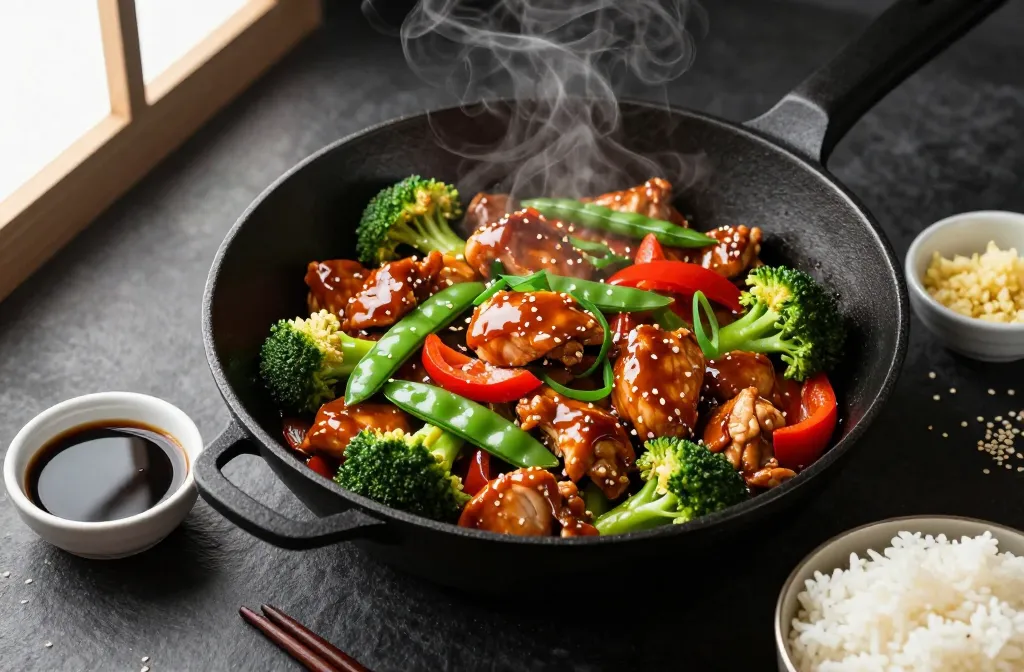
Teriyaki Chicken Stir Fry in 30 Minutes Flat
Ready for a weeknight hero that actually tastes like a weekend treat? Teriyaki Chicken Stir Fry comes together fast, hits all the sweet-salty-umami notes, and doesn’t require a grocery cart full of fancy stuff. We’ll keep it simple, punchy, and practical—so you can get dinner on the table in 30 minutes. Hungry yet?
Never wonder what's for dinner again.
Get 7 healthy, family-friendly dinners complete with recipes, grocery lists, and simple meal plans delivered straight to your inbox.
Why Teriyaki Chicken Stir Fry Just Works
You get juicy chicken, crisp-tender veggies, and a glossy sauce that clings to every bite. The combo feels takeout-level good, but you control the ingredients. Win-win. Plus, it scales easily for meal prep, and IMO it’s the best “fridge clean-out” recipe you’ll cook all month.
The Teriyaki Basics: Sauce That Shines
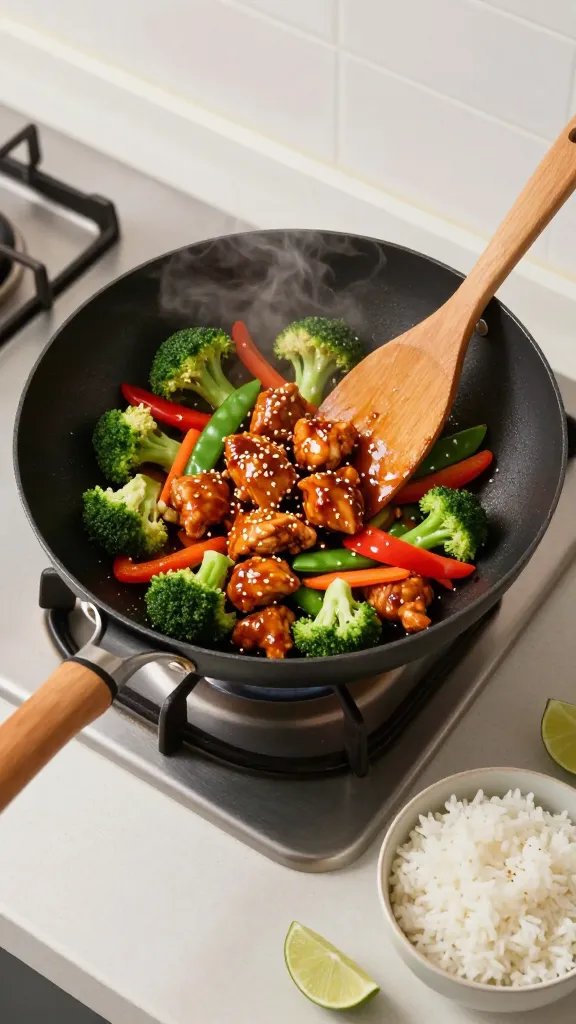
A great teriyaki sauce hits sweet, salty, and umami with a little tang. You don’t need a bottled version to nail it.
Core Sauce Ingredients
- Soy Sauce or Tamari: Salty backbone. Use low-sodium if you prefer.
- Mirin or Rice Vinegar + Sugar: Mirin adds sweetness and depth. No mirin? Use rice vinegar plus a little more sugar or honey.
- Brown Sugar or Honey: Sweetness helps the sauce glaze.
- Garlic + Ginger: Non-negotiable for aroma and zing.
- Cornstarch Slurry: Thickens the sauce, so it coats every bite.
- Optional: A splash of pineapple juice for a tropical twist; sesame oil at the end for nuttiness.
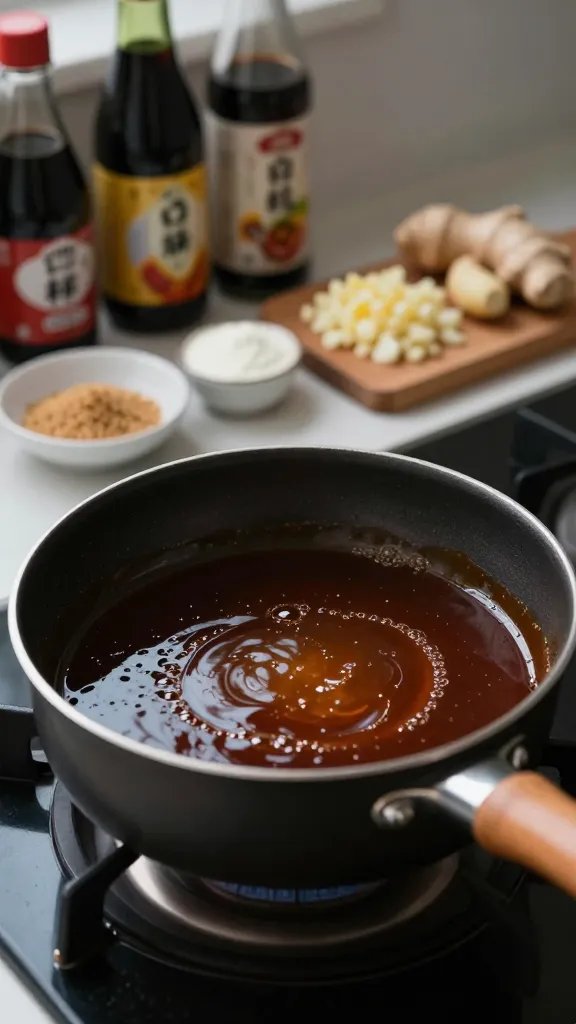
Quick Homemade Teriyaki (Pan-Ready)
- 1/3 cup low-sodium soy sauce
- 3 tbsp mirin (or 2 tbsp rice vinegar + 1 tsp extra brown sugar)
- 2 tbsp brown sugar (or honey)
- 2 tsp grated ginger
- 2 tsp minced garlic
- 1/2 cup water
- 1 tbsp cornstarch mixed with 1 tbsp water
Whisk everything except the slurry, bring to a simmer, then whisk in the slurry until glossy. Boom—sauce done.
Choosing Chicken and Veggies (Without Overthinking It)
You can use chicken breast or thighs. Thighs stay juicier, but breasts cook fast and leaner. Use what you have—no food snobs here.
Best Veggies For Stir Fry
- Color + Crunch: Broccoli, bell peppers, snap peas, carrots.
- Aromatics: Onion, scallions.
- Bonus Texture: Mushrooms, baby corn, water chestnuts.
Slice everything so it cooks in about the same time. FYI, thin = fast.
Step-By-Step: Fast, Sizzling, and Saucy
Serves: 4 hungry people (or 3 if you’re extra snacky)
Total Time: ~30 minutes
Ingredients
- 1.5 lb boneless, skinless chicken (breast or thigh), thinly sliced
- 2 tbsp neutral oil (canola, avocado)
- 4 cups mixed veggies (e.g., 2 cups broccoli florets, 1 red bell pepper, 1 cup snap peas, 1 small carrot)
- 1 small onion, sliced
- Sesame seeds + sliced scallions for garnish
- 1 batch Homemade Teriyaki Sauce (from above)
Method
- Prep First: Mix your sauce, slice chicken and veggies. Stir fries move fast—no time for chopping mid-sizzle.
- Sear Chicken: Heat 1 tbsp oil in a big pan or wok over high heat. Add chicken in a single layer. Don’t stir for a minute—let it get color. Cook 4–6 minutes until just cooked. Remove.
- Veggie Time: Add remaining oil. Toss in onion, broccoli, carrots. Stir 2–3 minutes. Add bell pepper and snap peas; cook 2–3 minutes more until crisp-tender.
- Sauce + Finish: Return chicken. Pour in teriyaki. Toss until glossy and thick, 1–2 minutes. Kill the heat. Finish with a few drops of sesame oil if you like.
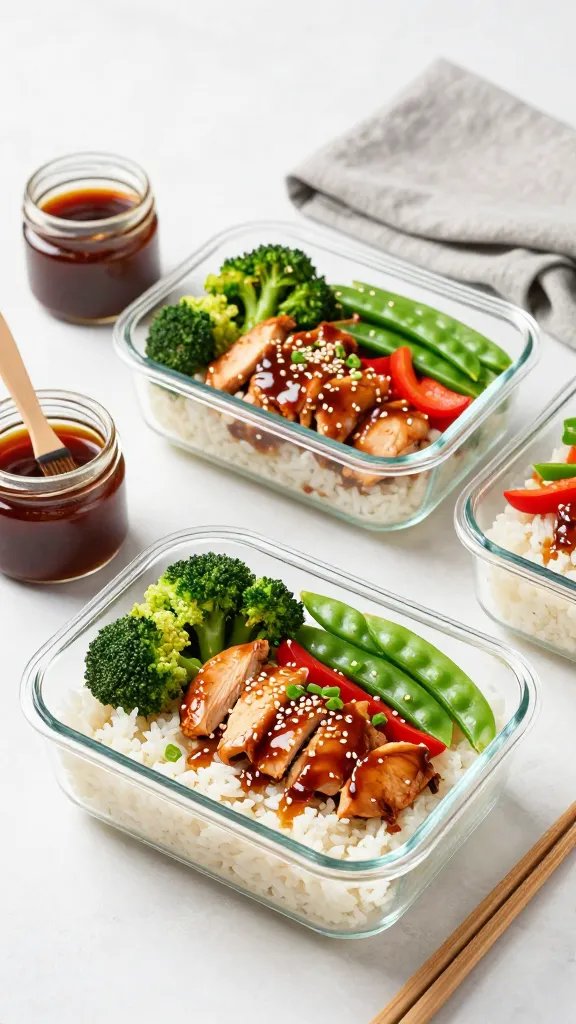
- Garnish: Sesame seeds and scallions. Serve over rice, noodles, or cauliflower rice.
Pro Moves That Make It Better
Need More Easy Dinner Ideas?
Get my FREE 7-Day Easy Dinner Reset and enjoy a full week of healthy dinners without the meal-planning stress.
- Dry the chicken: Pat it with paper towels so it browns instead of steams.
- High heat, big pan: Space equals sear. Overcrowding equals sadness.
- Batch cooking: Double the sauce and freeze it flat in a zip bag. Future you says thanks.
- Texture contrast: Keep veggies crisp; don’t cook them to mush. You want snap.
- Finish salty-sweet balance: Taste the sauce at the end. Too salty? A splash of water and a touch more sugar. Too sweet? A dash of soy or a squeeze of lime.
Easy Swaps and Variations
- Gluten-Free: Use tamari or certified GF soy sauce. Cornstarch already works.
- Low-Sugar: Cut sweetener to 1 tbsp and add 1–2 tbsp pineapple juice for body.
- Spicy Teriyaki: Add 1–2 tsp sambal oelek or a squirt of sriracha.
- Protein Remix: Shrimp (cook 2–3 minutes), tofu (press and sear), or thin-sliced beef.
- Veg-Heavy: Up veggies to 6 cups; the sauce still covers it.
What To Serve It With (Because Carbs Are Friends)
- Steamed Jasmine Rice: Classic pairing, neutral and fluffy.
- Brown Rice or Quinoa: More fiber, nuttier vibe.
- Soba or Udon: Toss noodles right into the pan with the sauce. Heaven.
- Cauliflower Rice: Light and low-carb, but still soaks up sauce nicely, FYI.
Nutritional Facts (Per Serving)
Serving Size Used For Calculations: Approximately 1/4 of the full recipe (about 1.5 cups stir fry per serving, without rice or noodles).
Assumptions (USDA-based estimates):
– Chicken breast, raw: 1.5 lb total (~680 g)
– Oil: 2 tbsp canola
– Sauce: 1/3 cup low-sodium soy sauce; 3 tbsp mirin; 2 tbsp brown sugar; 1/2 cup water; aromatics as listed; 1 tbsp cornstarch
– Veggies: ~2 cups broccoli (150 g), 1 red bell pepper (120 g), 1 cup snap peas (100 g), 1 small carrot (60 g), 1 small onion (110 g)
Per Serving (4 servings):
– Calories: ~330
– Total Fat: ~10 g
– Total Carbohydrates: ~27 g
– Dietary Fiber: ~4 g
– Net Carbs: ~23 g
– Protein: ~33 g
Notes:
– Using chicken thighs increases fat by ~4–5 g per serving and adds ~40–60 calories.
– Extra sesame oil garnish adds ~40 calories per teaspoon.
– Serving over 1 cup cooked jasmine rice adds ~205 calories, 45 g carbs, 0.6 g fiber, 4 g protein.
Disclaimer: Nutrition values are estimates based on standard USDA data and typical ingredient brands. Actual numbers vary with specific products, measurements, and cooking methods.
FAQ
Can I use bottled teriyaki sauce instead?
Totally. Just check the label for sodium and sugar. Bottled sauces vary a lot, so taste and adjust—maybe thin with a splash of water or bump the ginger/garlic. Homemade, IMO, tastes fresher and costs less.
How do I keep the chicken from turning rubbery?
Slice it thin and cook it hot and fast. Don’t crowd the pan, and pull it as soon as it’s done. Overcooking = rubber. A quick cornstarch dusting on the chicken can also keep it tender and help browning.
What veggies should I add first?
Start with the firm ones (broccoli, carrots, onions), then add quick-cook veggies (bell peppers, snap peas, mushrooms). This keeps everything crisp-tender instead of sad and soggy.
Can I make it ahead for meal prep?
Yes! Cook it slightly under so veggies stay snappy. Store rice and stir fry separately. Reheat in a hot pan for 2–3 minutes, splash in water if the sauce tightened up.
Is there a low-sodium trick that still tastes good?
Use low-sodium soy, add umami boosters like a little mushroom powder or a few drops of fish sauce, and brighten with lime. Acidity makes flavors pop without extra salt—sneaky but effective.
Why did my sauce get too thick?
It reduces fast on high heat. Whisk in water or unsalted stock a tablespoon at a time until it loosens. Next time, cut the cornstarch by 1–2 teaspoons.
Conclusion
Teriyaki Chicken Stir Fry delivers maximum flavor with minimal drama. You sear, you sizzle, you sauce—then you eat something that tastes like you worked way harder than you did. Keep the sauce ingredients on hand, swap veggies with whatever’s in the crisper, and you’ll have a reliable, craveable dinner in your back pocket. Now go make your pan sing.
Loved This Recipe?
If you're looking for more simple, healthy dinners your family will actually eat, grab my FREE 7-Day Easy Dinner Reset. You'll get 7 easy dinner recipes, simple grocery lists, and a done-for-you plan that takes the stress out of mealtime.