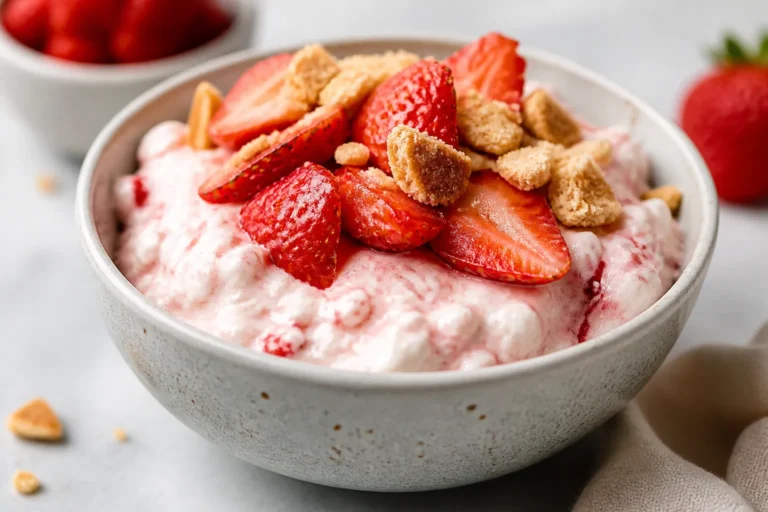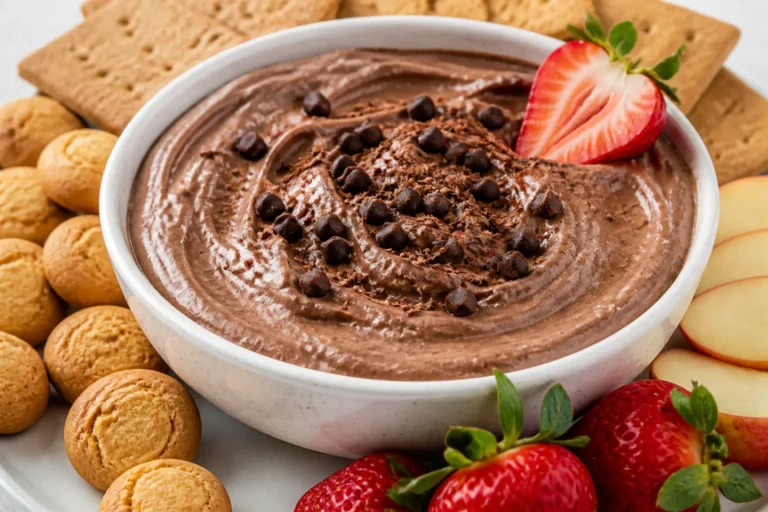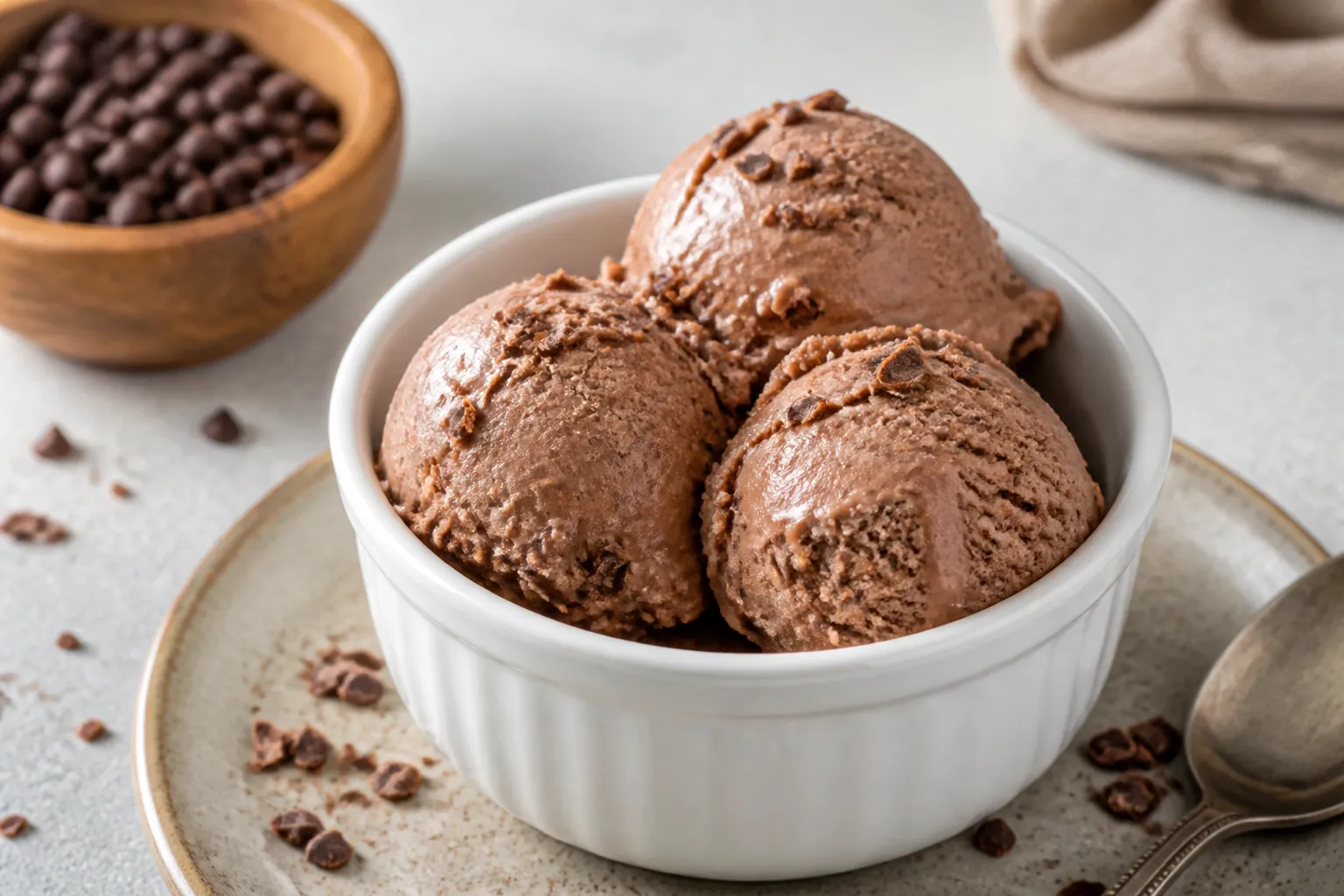
High-Protein Cottage Cheese Ice Cream – A Creamy, Better-For-You Treat
If you love ice cream but wish it were more filling and nutritious, this recipe is for you. High-Protein Cottage Cheese Ice Cream is thick, creamy, and surprisingly rich, without the heaviness of traditional ice cream. It blends cottage cheese with a few simple ingredients to create a dessert that tastes indulgent and fuels your body.
Never wonder what's for dinner again.
Get 7 healthy, family-friendly dinners complete with recipes, grocery lists, and simple meal plans delivered straight to your inbox.
No ice cream maker needed, and it comes together in minutes. It’s an easy win for weeknights, post-workout snacks, or anytime cravings.
High-Protein Cottage Cheese Ice Cream - A Creamy, Better-For-You Treat
Ingredients
- 1 1/2 cups (about 12 oz) full-fat cottage cheese – full-fat blends smoother and tastes richer
- 1 to 2 tablespoons honey or maple syrup – adjust to taste; use zero-calorie sweetener if preferred
- 1 teaspoon pure vanilla extract – for classic ice cream flavor
- 1/2 cup frozen fruit or flavor mix-in – options: strawberries, blueberries, mango, or cocoa powder for chocolate
- 1 tablespoon nut butter or 1 ounce cream cheese (optional) – improves creaminess and reduces iciness
- Pinch of salt – brightens flavor
- Optional add-ins: mini chocolate chips, crushed cookies, chopped nuts, a scoop of vanilla or chocolate protein powder, or a swirl of jam
Instructions
- Start with cold ingredients. Use cottage cheese straight from the fridge and frozen fruit. Cold ingredients help the mixture firm up faster later.
- Blend the base. Add cottage cheese, sweetener, vanilla, salt, and optional nut butter or cream cheese to a high-speed blender or food processor. Blend until completely smooth and glossy, about 30–60 seconds. Scrape down the sides if needed.
- Add flavor. For fruit versions, add the frozen fruit and blend again until smooth. For chocolate, add 2 tablespoons cocoa powder and blend; taste and add a little more sweetener if needed.
- Taste and adjust. This is your moment to fine-tune sweetness, salt, or vanilla. If you plan to freeze it, make it slightly sweeter than you think—cold dulls sweetness.
- Fold in mix-ins. If using chocolate chips, nuts, or cookie pieces, stir them in by hand so they don’t break down in the blender.
- Choose your texture. For soft-serve style, you can eat it right away. It will be thick and creamy, like frozen yogurt.
- For scoopable ice cream, freeze. Transfer to a shallow, freezer-safe container. Press a piece of parchment directly onto the surface to minimize ice crystals. Freeze for 1.5–2 hours, or until just firm enough to scoop.
- Soften before serving. If frozen longer than 2 hours, let it sit at room temperature for 10–15 minutes before scooping. This makes the texture smooth and creamy again.
- Serve and top. Finish with a drizzle of honey, a dash of cinnamon, fresh fruit, or a sprinkle of granola for crunch.
Why This Recipe Works
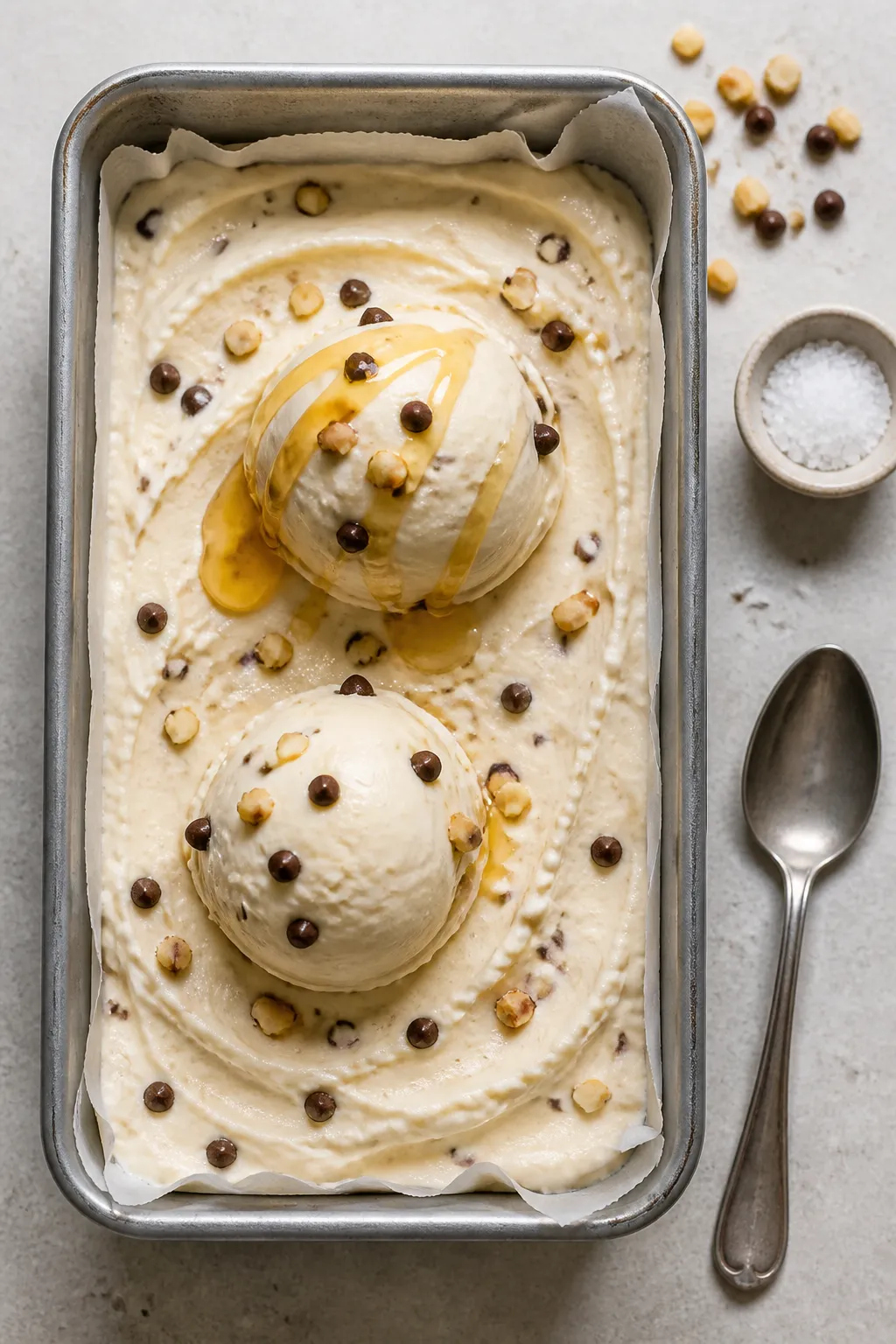
This recipe leans on cottage cheese for both creaminess and protein. Unlike milk or yogurt, cottage cheese has a natural thickness that turns silky when blended.
That smooth base holds sweetness and flavor well, so you get a scoopable, ice-cream-like texture with fewer additives.
The combination of a touch of sweetener and a small amount of fat from nut butter or cream cheese keeps ice crystals smaller. That means a softer, more satisfying texture even after freezing. Frozen fruit adds body and natural sweetness while reducing the need for added sugar. It’s a smart shortcut that keeps the ingredient list short and the flavor fresh.
What You’ll Need
- 1 1/2 cups (about 12 oz) full-fat cottage cheese – full-fat blends smoother and tastes richer
- 1 to 2 tablespoons honey or maple syrup – adjust to taste; use zero-calorie sweetener if preferred
- 1 teaspoon pure vanilla extract – for classic ice cream flavor
- 1/2 cup frozen fruit or flavor mix-in – options: strawberries, blueberries, mango, or cocoa powder for chocolate
- 1 tablespoon nut butter or 1 ounce cream cheese (optional) – improves creaminess and reduces iciness
- Pinch of salt – brightens flavor
- Optional add-ins: mini chocolate chips, crushed cookies, chopped nuts, a scoop of vanilla or chocolate protein powder, or a swirl of jam
Step-by-Step Instructions
- Start with cold ingredients. Use cottage cheese straight from the fridge and frozen fruit.
Cold ingredients help the mixture firm up faster later.
- Blend the base. Add cottage cheese, sweetener, vanilla, salt, and optional nut butter or cream cheese to a high-speed blender or food processor. Blend until completely smooth and glossy, about 30–60 seconds. Scrape down the sides if needed.
- Add flavor. For fruit versions, add the frozen fruit and blend again until smooth.
For chocolate, add 2 tablespoons cocoa powder and blend; taste and add a little more sweetener if needed.
- Taste and adjust. This is your moment to fine-tune sweetness, salt, or vanilla. If you plan to freeze it, make it slightly sweeter than you think—cold dulls sweetness.
- Fold in mix-ins. If using chocolate chips, nuts, or cookie pieces, stir them in by hand so they don’t break down in the blender.
- Choose your texture. For soft-serve style, you can eat it right away. It will be thick and creamy, like frozen yogurt.
- For scoopable ice cream, freeze. Transfer to a shallow, freezer-safe container.
Press a piece of parchment directly onto the surface to minimize ice crystals. Freeze for 1.5–2 hours, or until just firm enough to scoop.
- Soften before serving. If frozen longer than 2 hours, let it sit at room temperature for 10–15 minutes before scooping. This makes the texture smooth and creamy again.
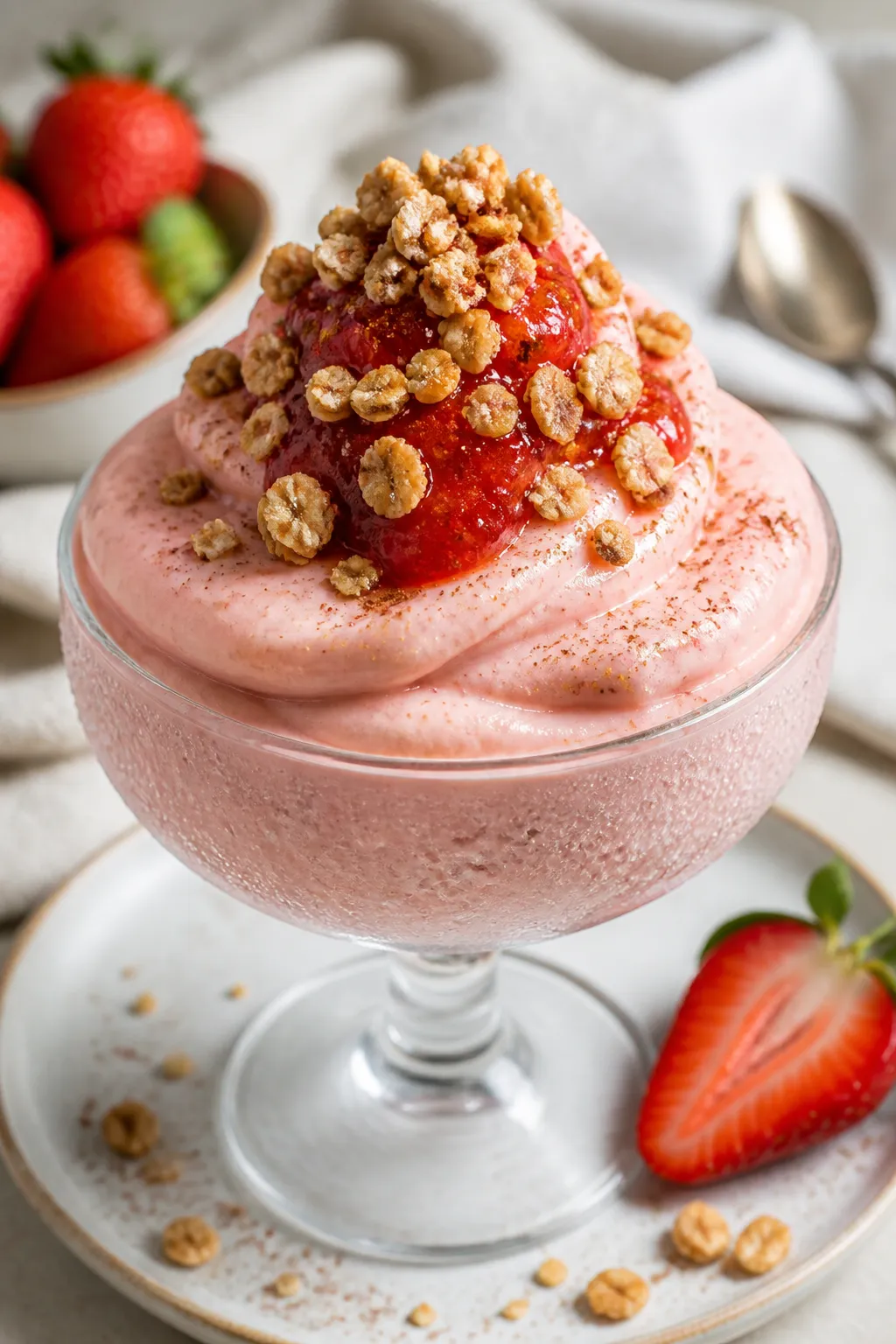
- Serve and top. Finish with a drizzle of honey, a dash of cinnamon, fresh fruit, or a sprinkle of granola for crunch.
Storage Instructions
Store your ice cream in an airtight, freezer-safe container. Press parchment or plastic wrap directly on the surface before sealing the lid to prevent ice crystals.
For best texture, enjoy within 3–4 days. If the ice cream becomes too firm, let it rest on the counter for 10–20 minutes or microwave on low power in short bursts, checking often. Avoid repeated thawing and refreezing, which degrades texture.
Why This is Good for You
Cottage cheese is naturally high in protein, which helps you feel full and supports muscle recovery.
Full-fat versions also provide fat-soluble vitamins and a richer mouthfeel, so a smaller portion feels satisfying. Compared to traditional ice cream, this version typically has less sugar and more protein per serving, which can help balance blood sugar and reduce cravings.
Using fruit brings antioxidants, fiber, and natural sweetness. If you choose to add a scoop of protein powder, you can easily reach 20–30 grams of protein in a generous serving. It’s a dessert that does more than taste good—it actually supports your goals.
Pitfalls to Watch Out For
- Grainy texture. If the blend isn’t fully smooth, keep processing until you see a glossy, uniform mixture.
A high-speed blender helps.
- Too icy after freezing. Add a tablespoon of nut butter or cream cheese, and don’t overfreeze. Shallow containers and parchment on top also reduce iciness.
- Too tangy or “cheesy.” Balance with a bit more sweetener, a dash of vanilla, and a pinch of salt. Fruit and cocoa also mask tang nicely.
- Overpowering protein taste. If adding protein powder, start with half a scoop, taste, and adjust.
Whey blends smoothly; some plant proteins can be chalky.
- Hard to scoop. Let it sit at room temperature before scooping, or portion it into single-serve cups before freezing.
Alternatives
- Dairy-free: Use a thick dairy-free cottage cheese alternative, or blend silken tofu with a tablespoon of nut butter and a splash of coconut milk for body.
- Sweetener swaps: Try monk fruit, stevia, or allulose. Allulose helps reduce iciness and keeps the texture softer.
- Flavor ideas: Chocolate-peanut butter; strawberry cheesecake (add a spoon of cream cheese and strawberry jam); mango-lime (add lime zest); mocha (cocoa plus espresso powder); cinnamon roll (cinnamon, vanilla, and a maple swirl).
- Higher protein: Add a scoop of whey isolate or casein. Casein can improve thickness; add extra sweetener to balance.
- Lower fat: Use low-fat cottage cheese but expect a slightly icier result.
Offset with fruit and a teaspoon of allulose or glycerin for softness.
Need More Easy Dinner Ideas?
Get my FREE 7-Day Easy Dinner Reset and enjoy a full week of healthy dinners without the meal-planning stress.
FAQ
Can I use low-fat cottage cheese?
Yes, but the texture will be less creamy and may freeze harder. A small amount of nut butter, cream cheese, or allulose can help keep it soft and scoopable.
Do I need an ice cream maker?
No. A blender or food processor is enough.
The base is thick and smooth on its own, and freezing for a short time gives it a classic ice cream feel.
How much protein is in a serving?
It varies by brand and add-ins, but a 1-cup serving typically delivers around 20–30 grams of protein, especially if you include a scoop of protein powder.
Can I make it without any sweetener?
Yes, especially if using ripe frozen fruit. Keep in mind that cold dampens sweetness, so the flavor will be more subtle. A touch of vanilla and a pinch of salt helps.
Why does my ice cream get icy?
Ice crystals form when water in the mix freezes slowly or sits too long.
Adding a little fat, using allulose, freezing in a shallow container, and pressing parchment onto the surface all help reduce iciness.
Can I meal-prep this for the week?
Yes. Freeze in small, lidded containers. Thaw servings at room temperature for 10–15 minutes before eating.
For best texture, enjoy within 3–4 days.
What if I don’t like the taste of cottage cheese?
Blending removes the curd texture, and bold flavors like chocolate, strawberry, or peanut butter mask the tang. A bit of vanilla and salt also smooth out the flavor.
Is this safe for kids?
Generally yes, assuming no dairy allergies. Adjust sweetness to taste and avoid caffeine-based flavors for younger children.
For babies or toddlers, skip honey for children under one year old.
Wrapping Up
High-Protein Cottage Cheese Ice Cream is a quick, flexible dessert that tastes decadent and supports your nutrition goals. With a handful of pantry staples and a blender, you can make a creamy treat in minutes. Customize flavors, tweak sweetness, and enjoy it soft-serve style or scoopable from the freezer.
It’s the kind of recipe you’ll keep coming back to—simple, satisfying, and smart.
Printable Recipe Card
Want just the essential recipe details without scrolling through the article? Get our printable recipe card with just the ingredients and instructions.
Loved This Recipe?
If you're looking for more simple, healthy dinners your family will actually eat, grab my FREE 7-Day Easy Dinner Reset. You'll get 7 easy dinner recipes, simple grocery lists, and a done-for-you plan that takes the stress out of mealtime.